Walking into a wedding or social event sounds fun until you realize there’s going to be dancing. That’s usually the moment when confidence drops. I’ve seen people avoid the dance floor completely, not because they don’t want to dance, but because they feel unprepared or awkward. The hesitation isn’t about ability; it’s about not knowing what to do when the music starts.
The good news is that ballroom dance doesn’t require years of training to feel comfortable. You don’t need to master everything. You just need a few reliable styles, a sense of rhythm, and enough practice to stop overthinking every step. Once that foundation is there, dancing starts to feel less like a performance and more like a natural response to the music.
Start With A Few Versatile Dance Styles
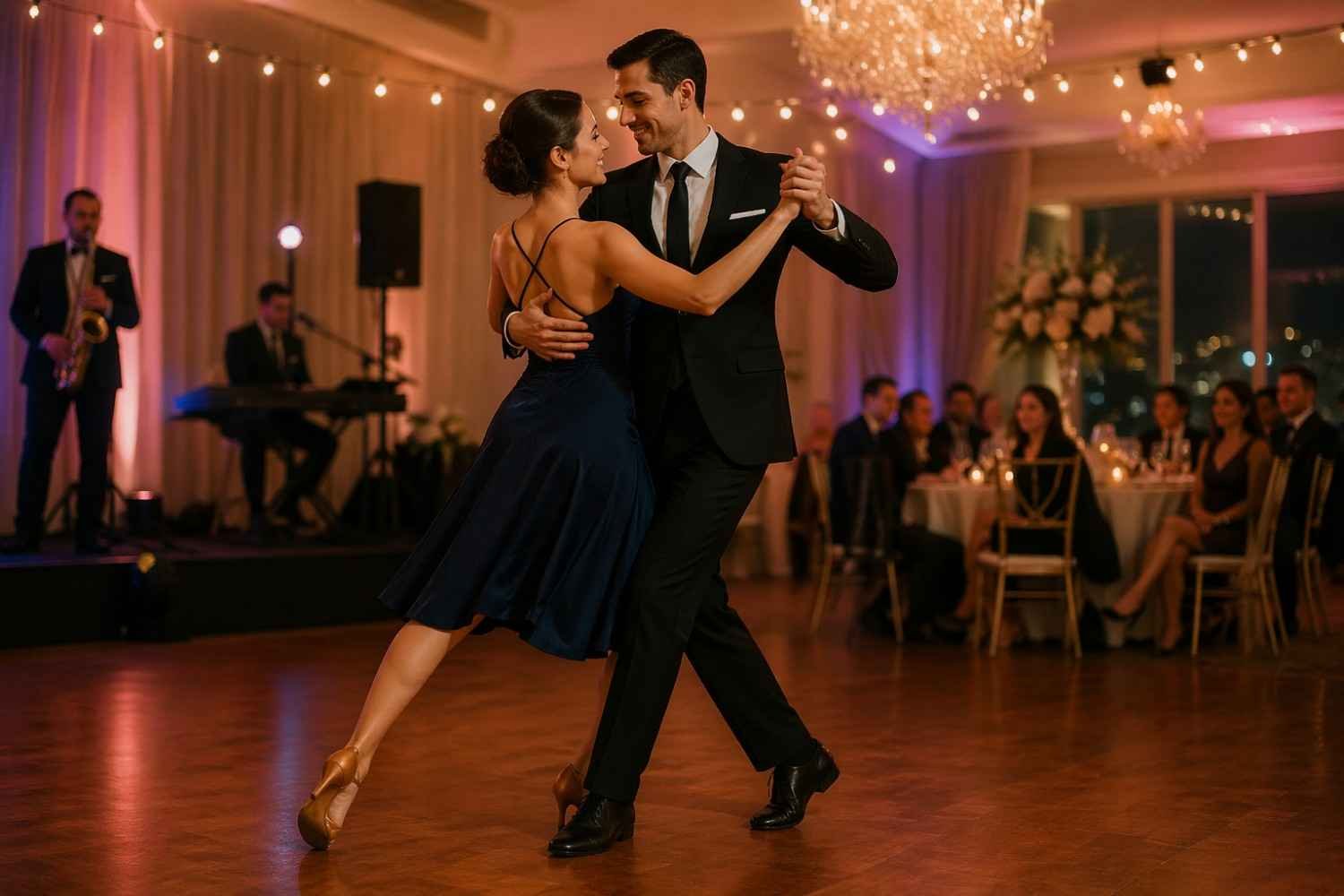
One of the biggest mistakes beginners make is trying to learn too many styles at once. For weddings and social nights, that approach only leads to confusion. The smarter way is to focus on a small set of dances that match most of the music you’ll actually hear.
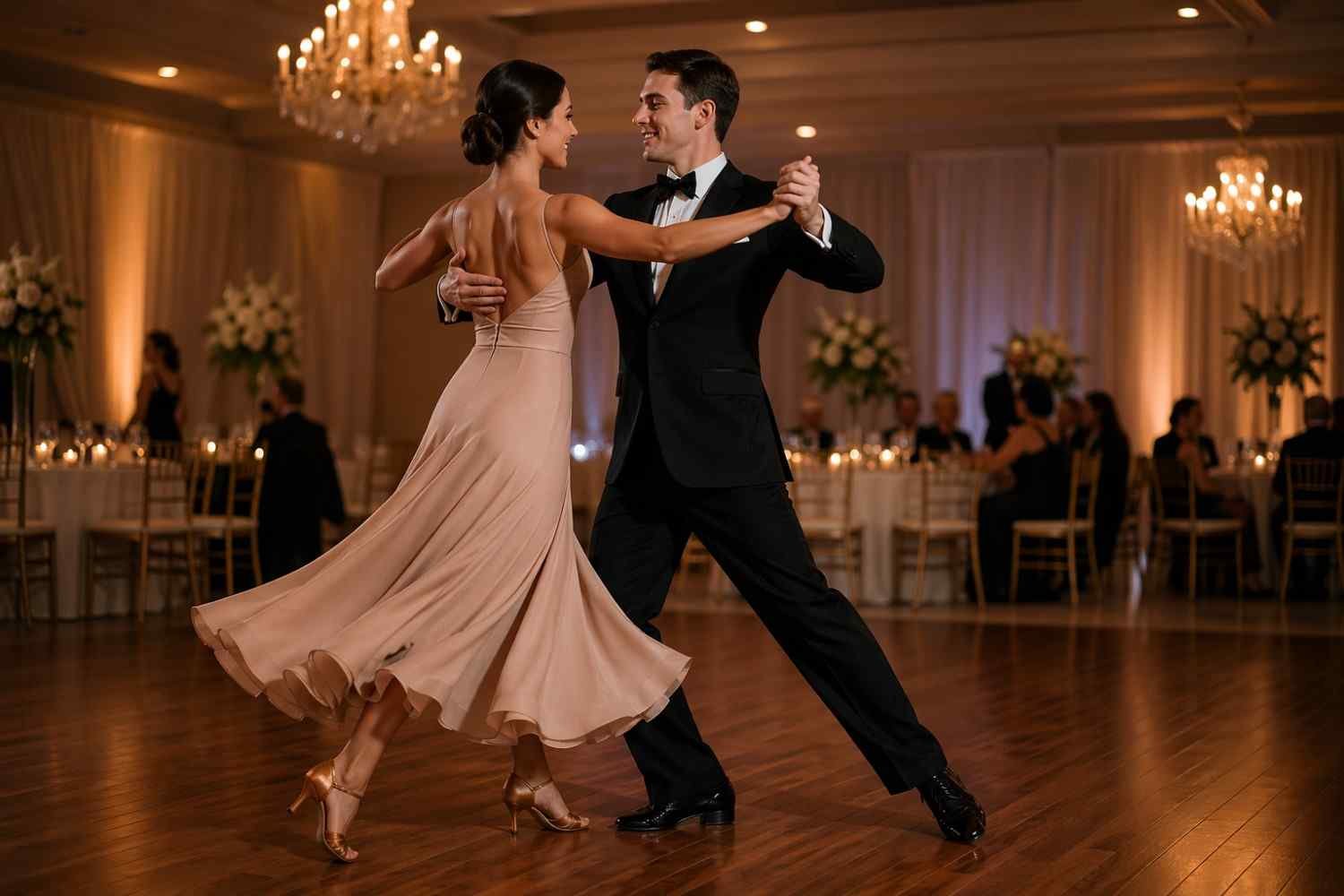
Waltz is usually the easiest starting point. It has a slow, flowing rhythm and follows a simple three-step pattern that’s easy to repeat. It works especially well in formal settings and traditional events.
Rumba comes next and adds a more expressive, slower style. It’s often used for romantic songs and first dances, making it a practical choice if you’re preparing for a wedding.
East Coast Swing brings energy into the mix. It’s fast, fun, and works with a wide range of upbeat music you’ll hear at parties and receptions, especially since swing dance became popular in lively social settings where people wanted energetic and engaging partner dances. It also helps you loosen up, which is something most beginners need.
Foxtrot is another useful style that feels natural because it mimics walking. It’s smooth and adaptable, making it a reliable option when you’re unsure what style fits the music.
These 3–4 dances can cover most real-world situations. Once you feel comfortable with them, you’ll naturally adapt to different songs without needing to memorize new routines every time.
Focus On Fundamentals Instead Of Just Steps
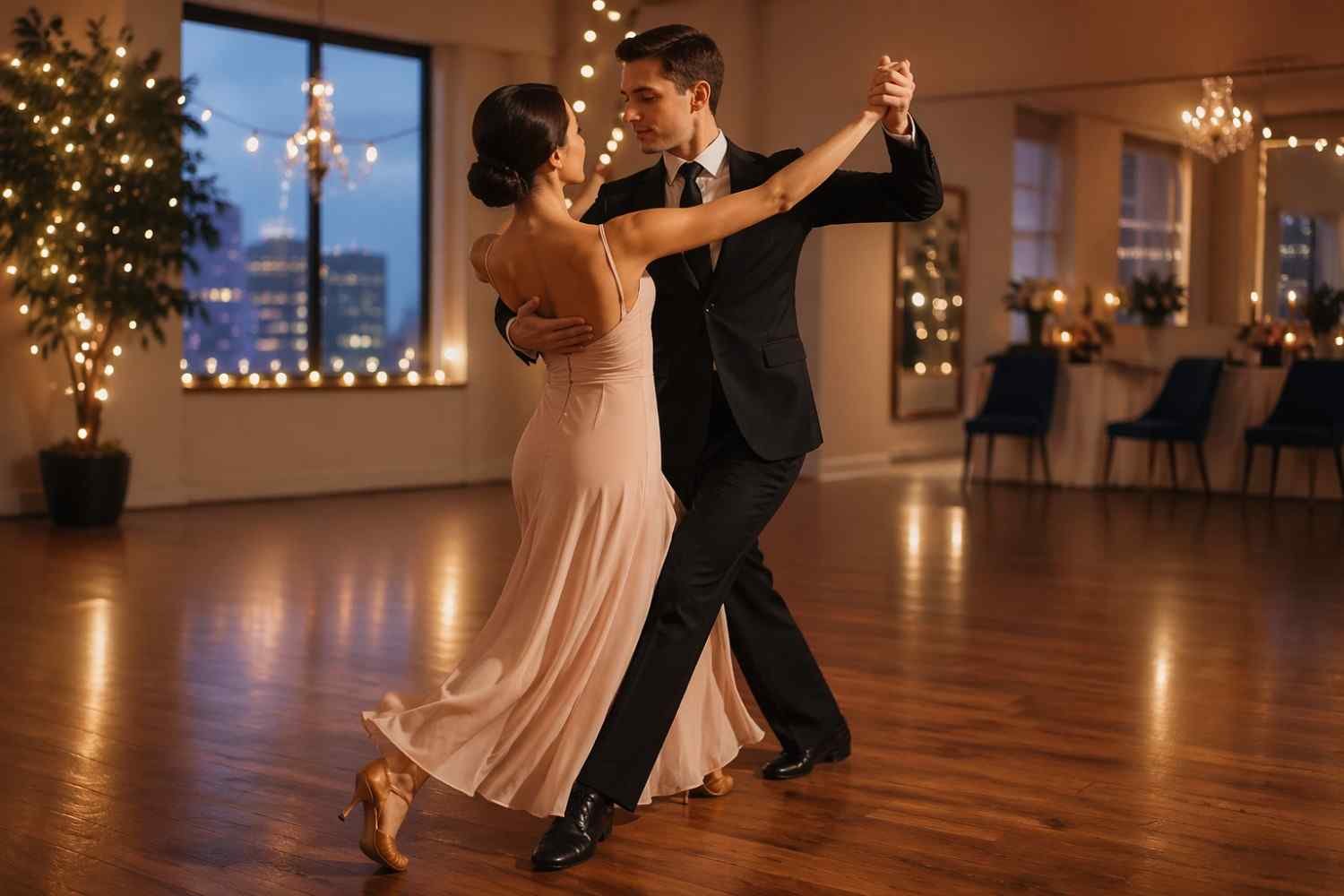
A lot of beginners get stuck because they focus only on memorizing steps. That approach doesn’t hold up in real situations. What actually makes you look confident is how you move, not how many patterns you know.
Posture plays a bigger role than people expect. Standing upright with a stable frame helps you stay balanced and makes movements look cleaner. It also improves communication between you and your partner without needing words.
Rhythm is another essential piece. You don’t need technical knowledge of music, but you should be able to recognize the beat. Counting patterns like “1-2-3” or “slow-quick-quick” helps you stay in sync with the music.
Then comes lead and follow. This is where dancing becomes a shared experience rather than two people doing separate steps. One person guides the movement, and the other responds. It’s subtle, but once you understand it, everything feels smoother.
When these basics are in place, even simple movements look intentional and controlled.
The Most Effective Way To Learn Faster
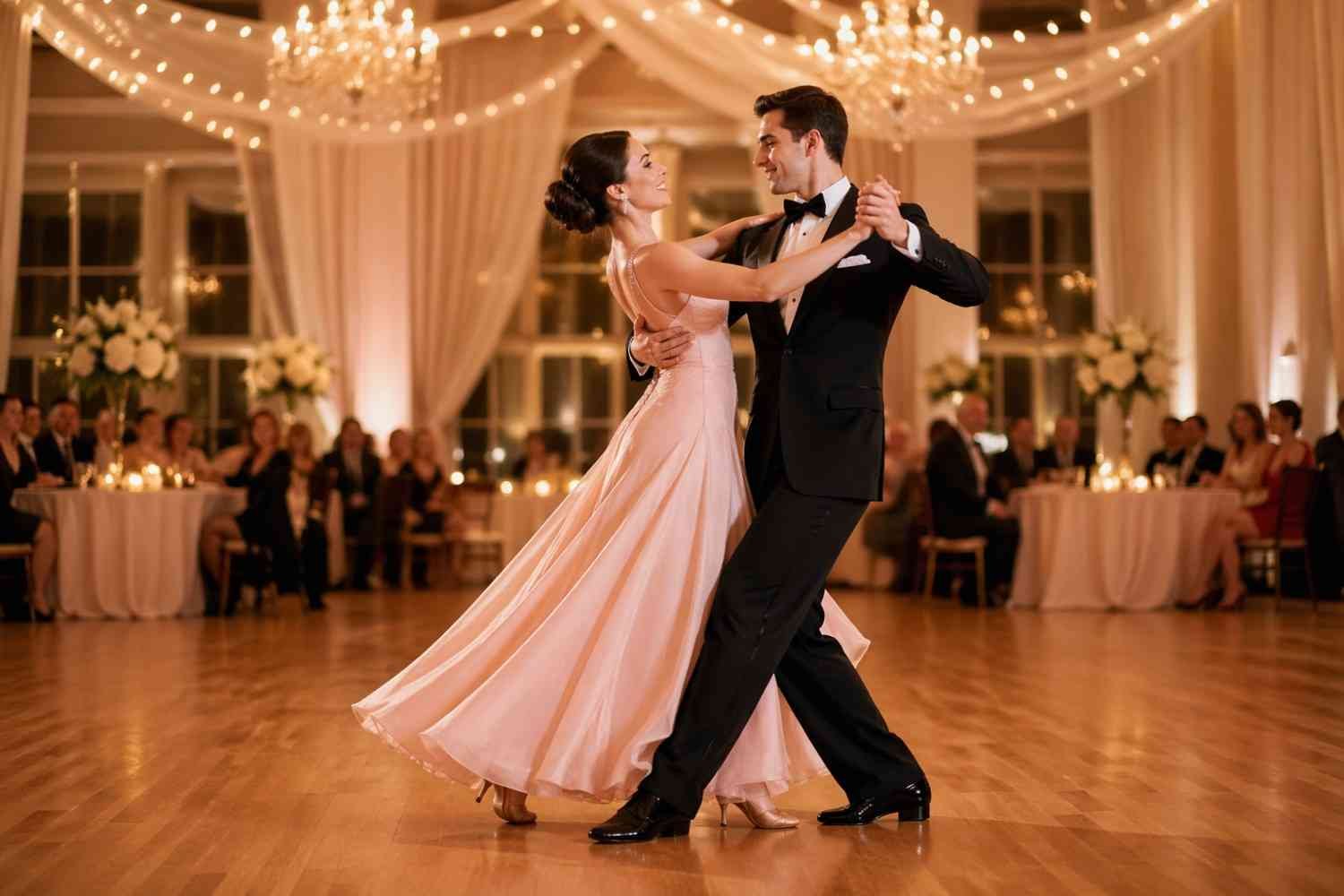
There’s no single method that works for everyone, but combining a few approaches usually gives the best results. The key is to keep it simple and consistent rather than overwhelming yourself.
Taking a few structured lessons can make a big difference early on. Whether it’s private or group classes, having someone correct your mistakes helps you avoid forming bad habits. Even a short period of guided learning can speed things up.
Practicing at home is underrated. You don’t always need a partner to improve. Repeating basic steps alone helps build muscle memory. Just 15 minutes a day can create noticeable progress over time.
Online videos are helpful, but only if you use them with focus. Instead of jumping between multiple tutorials, stick to one step or routine and repeat it until it feels natural.
If possible, attend practice socials or casual dance events. These environments help bridge the gap between practice and real-life dancing. They also reduce the pressure you might feel at formal events.
Progress doesn’t come from doing more. It comes from doing the same things consistently.
Common Mistakes That Slow Down Progress
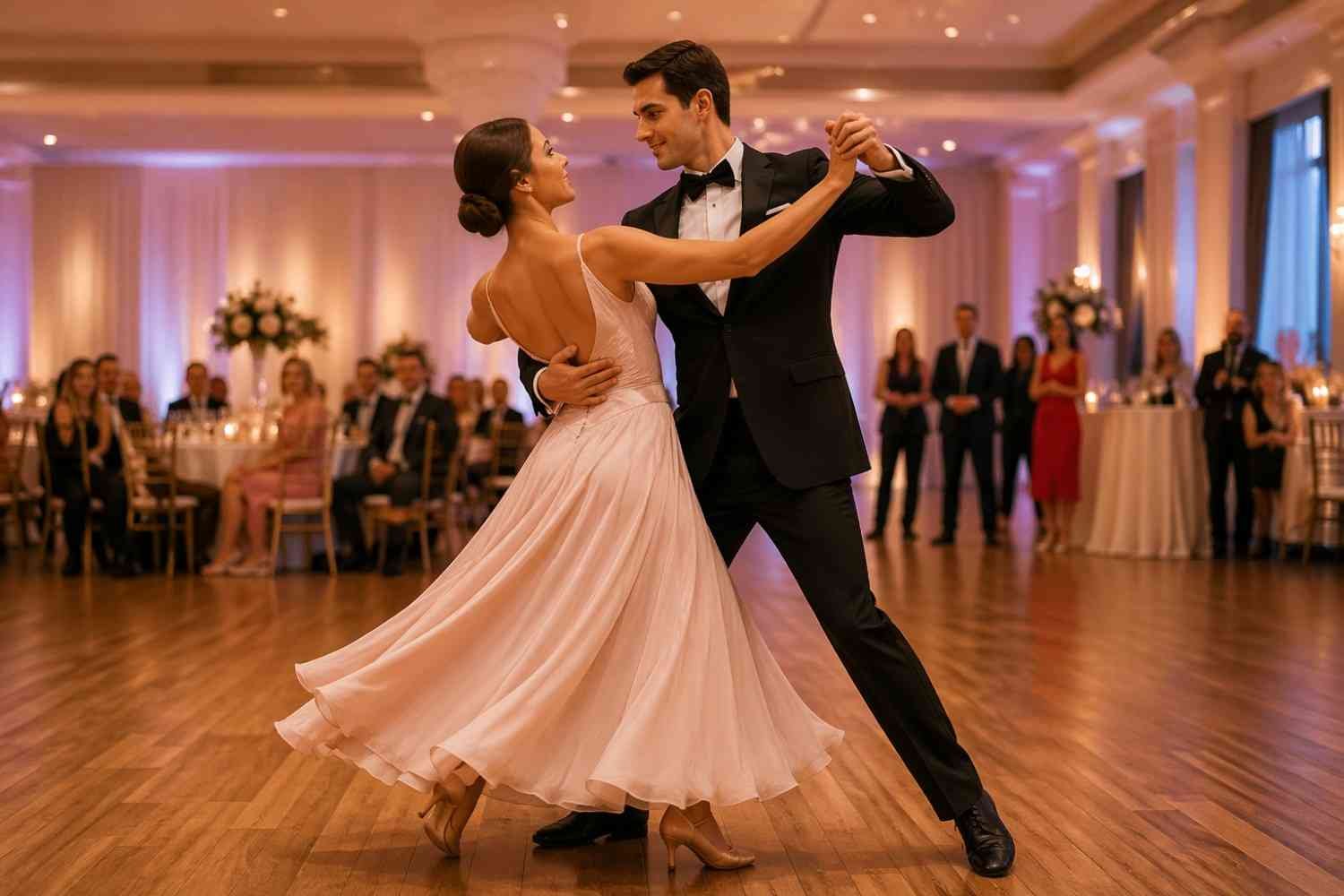
Beginners often create unnecessary challenges for themselves. Avoiding a few common mistakes can make your learning process much smoother.
- Trying to learn too many dance styles at once
- Ignoring posture and focusing only on footwork
- Practicing inconsistently
- Overthinking every movement
- Avoiding real dance situations due to nervousness
Progress becomes easier when you simplify your approach and stay consistent.
FAQs: How To Learn Ballroom Dance For Weddings, Events, And Social Nights
1. What Is The Best Ballroom Dance For Weddings?
Waltz and Rumba are the most popular choices because they match slow, romantic music commonly played at weddings.
2. Can I Learn Ballroom Dance Without Classes?
Yes, you can start at home using videos and practice routines. However, classes help refine technique and improve faster.
3. How Often Should I Practice Ballroom Dance?
Practicing 3–4 times a week, even for short sessions, is enough to see steady improvement.
4. Is Ballroom Dance Difficult For Beginners?
It’s not difficult if you focus on a few basics. Most challenges come from overcomplicating the process.
Final Thoughts
Learning ballroom dance for social events is less about mastering techniques and more about building comfort with movement. When you keep your focus on a few styles, develop strong basics, and practice regularly, progress feels natural instead of forced. Over time, the hesitation fades, and dancing becomes something you actually look forward to.
At the end of the day, confidence matters more than perfection. Show up, move with the music, and let yourself enjoy the moment.