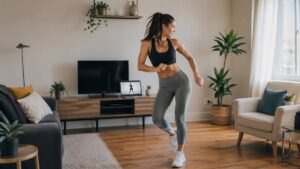
Not having a partner is one of the most common concerns for beginners in DanceSport. However, training solo is not only possible—it’s one of the most effective ways to improve your technique. Many professional dancers spend a significant amount of time practicing alone because it allows them to focus deeply on posture, balance, timing, and control without distractions.
Solo training helps you build strong fundamentals that directly translate into partner dancing. When you eventually dance with a partner, your movements will feel more stable, precise, and confident. Instead of relying on someone else, you develop independence and body awareness, which are essential for long-term progress.
Focus on Frame and Posture
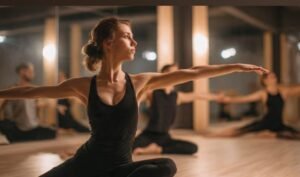
One of the most important aspects of DanceSport is maintaining a strong frame. Even when practicing alone, you should hold your arms as if you are dancing with a partner. This creates muscle memory and helps your body get used to proper positioning.
Your frame should feel stable but not stiff. Keep your arms lifted, maintain space between your body and arms, and avoid collapsing your shoulders. At the same time, focus on posture by stacking your shoulders over your hips and keeping your spine aligned.
Practicing frame and posture consistently ensures that when you dance with a partner, your connection will feel natural and controlled.
Master Weight Transfer for Better Control
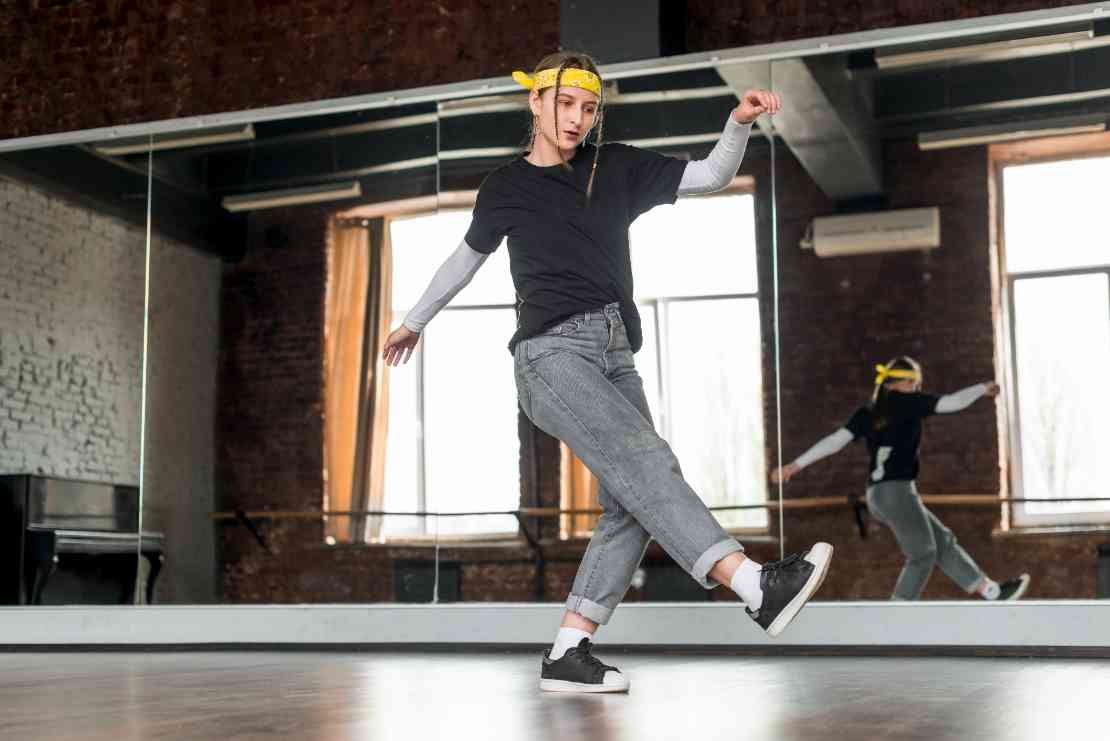
Weight transfer is a fundamental skill that often gets overlooked. In dance, every step should involve a complete and controlled shift of weight from one foot to the other. Practicing this alone helps you develop balance and precision.
A useful method is “delayed walking,” where you move slowly and consciously transfer your weight. This allows you to feel each part of the movement and improve control. Proper weight transfer also enhances fluidity, making your movements look smoother and more professional.
Practice Torso Dissociation
Torso dissociation is the ability to move your upper body independently from your lower body. This is especially important in styles like Tango and Latin dances, where body movement plays a key role.
To practice this, stand in place and rotate your upper body while keeping your hips stable. Then gradually allow the hips to follow. This exercise improves coordination, flexibility, and overall movement quality.
Developing this skill helps create more expressive and dynamic dancing.
Improve Balance with Spins and Spotting
Balance is essential for turns and fast movements. Practicing spins on your own allows you to focus on control without worrying about a partner.
A simple technique is spotting. Choose a fixed point, such as a mark on the wall, and keep your eyes focused on it as you turn. This helps maintain balance and prevents dizziness.
You can start with slow turns and gradually increase speed as your control improves. Over time, this will make your spins more stable and confident.
Drill Footwork Patterns
Footwork exercises for ballroom dancers is the foundation of DanceSport, and solo practice is the perfect time to refine it. Repeating basic patterns helps build muscle memory and improves timing.
Practice simple sequences such as:
- Basic ballroom steps
- Latin rhythm patterns like 1-2-3 or 2-3-4-1
- Side steps and turns
Focus on accuracy rather than speed. Clean, precise footwork is far more important than fast but sloppy movement.
Build Rhythm and Musicality
Dancing is closely connected to music, and solo practice is a great opportunity to improve your musicality. Play different types of music and practice moving in time with the rhythm.
Start by counting the beats and matching your steps to the music. Gradually, try to feel the rhythm naturally instead of relying on counting. This will make your dancing more expressive and enjoyable.
Consistency in rhythm training helps you stay in sync with music during performances.
Strengthen Your Core for Stability
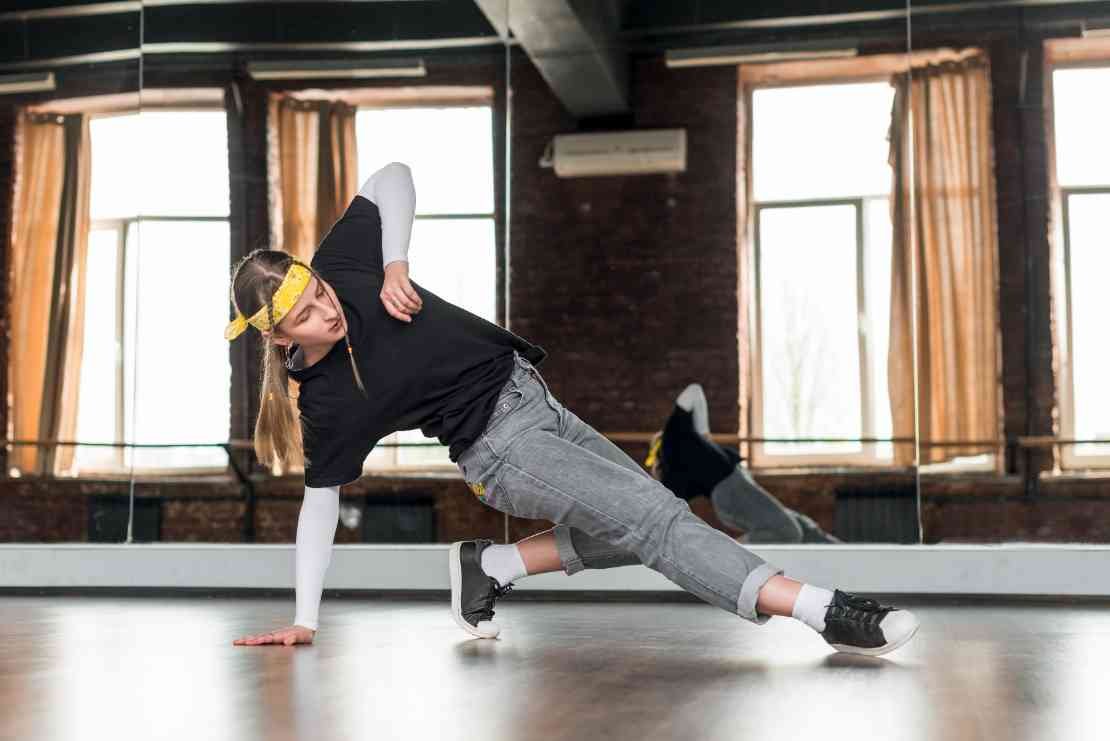
A strong core is essential for balance, posture, and control. Without it, movements can feel unstable and disconnected.
Incorporate simple exercises such as planks, leg raises, or yoga-based movements into your routine. These exercises improve stability and help you maintain proper alignment while dancing.
Core strength also reduces the risk of injury and allows for smoother transitions between movements.
Visualize Your Partner While Practicing
One of the most effective solo training techniques is visualization. Imagine that you are dancing with a partner and maintain the same level of connection and tension.
If you are a leader, focus on guiding an imaginary partner through movements. If you are a follower, imagine responding to leads. This helps you develop awareness and prepares you for real partner dancing.
Visualization bridges the gap between solo practice and actual performance.
Use Mirrors and Video for Feedback
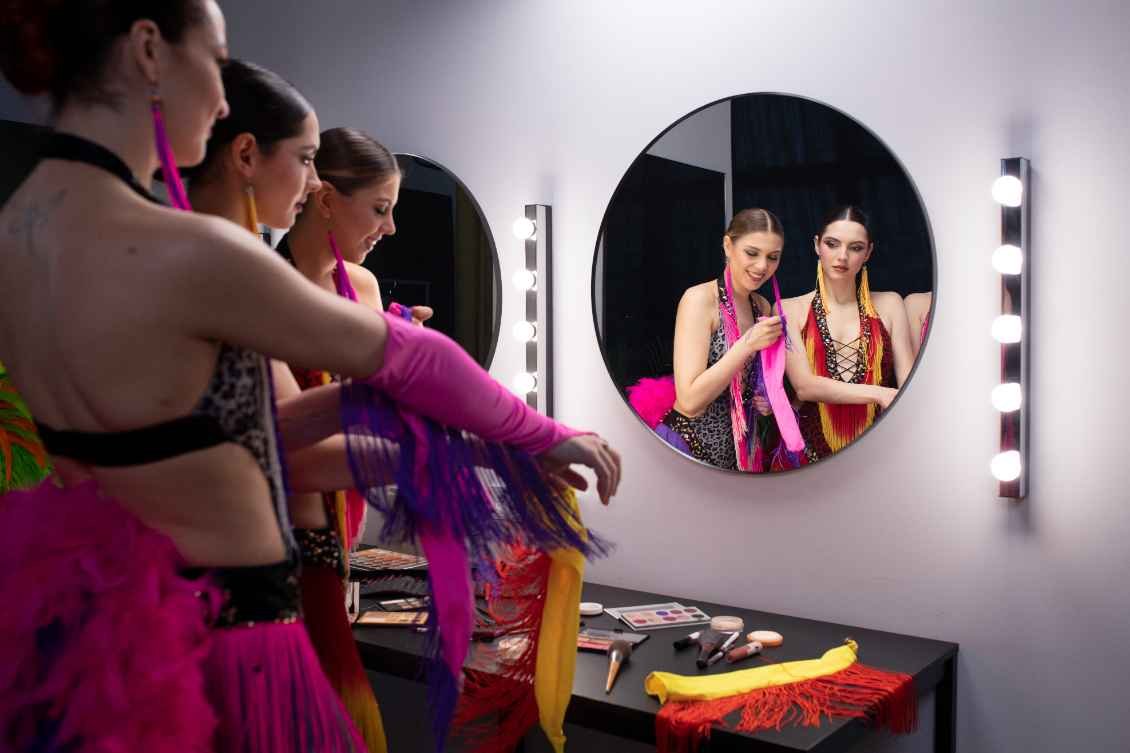
Self-evaluation is crucial for improvement. Practicing in front of a mirror allows you to check your posture, frame, and movement in real time. It helps you make quick adjustments and maintain correct technique.
Recording your practice sessions is equally valuable. Watching yourself dance can reveal mistakes that are not obvious while practicing. It also allows you to track progress over time and identify areas for improvement.
Combining both methods provides a clear understanding of your strengths and weaknesses.
Create a Simple Solo Practice Routine
A structured routine helps you stay consistent and focused. Even short sessions can be effective if practiced regularly.
A basic routine might include:
- Warm-up with light movement and stretching
- Frame and posture practice
- Footwork drills and rhythm exercises
- Balance and turning practice
- Cool-down and stretching
Practicing for 20 to 30 minutes daily can lead to noticeable improvements over time.
Common Mistakes in Solo Training
While solo practice is highly beneficial, certain mistakes can slow down progress. One common issue is practicing without proper posture or frame, which can lead to bad habits.
Another mistake is rushing through exercises without focusing on technique. Quality practice is far more important than quantity.
Ignoring feedback is also a problem. Without reviewing your movements, it becomes difficult to identify and correct mistakes.
Being mindful of these issues ensures that your training remains effective and productive.
FAQs
Can you learn to dance without a partner?
Yes, you can absolutely learn to dance without a partner. Solo training helps you build technique, balance, and confidence, which are essential for partner dancing.
What is a dance workout for people who can’t dance?
A beginner-friendly dance workout includes simple steps, basic rhythms, and repetitive movements. These workouts focus on building coordination and confidence rather than complex choreography.
Can a non-dancer learn to dance?
Yes, anyone can learn to dance with consistent practice and proper guidance. Starting with basic movements and gradually improving technique makes the process easier and more enjoyable.
How to practice dance alone?
To practice alone, focus on posture, frame, footwork, and rhythm. Use mirrors or video recordings for feedback, and follow a structured routine to stay consistent.
Build Confidence Through Solo Training
Training without a partner is not a limitation—it’s an opportunity to refine your skills and build a strong foundation. By focusing on technique, balance, and consistency, you can significantly improve your dancing.
Solo practice allows you to take control of your progress and develop confidence in your abilities. Over time, these improvements will translate into better performance, whether you are dancing alone or with a partner.