I learned the hard way that slippery dance shoes can ruin a good class in minutes. One moment, I felt confident. The next, I was holding back because every turn felt risky. That is when I realized the best grip for dance shoes is not about making shoes sticky. It is about finding the right balance between control, slide, comfort, and floor safety.
Whether you dance salsa, bachata, ballroom, ballet, contemporary, or hip-hop, your shoes need enough traction to support your movement without locking your feet to the floor. The wrong grip can make you slip, strain your knees, or damage your shoes faster than expected.
What Is The Best Grip For Dance Shoes?
The best grip depends on your dance style, floor surface, and shoe sole. Suede soles work well for ballroom, Latin, salsa, and bachata because they let you turn smoothly while still giving control. Rubber soles work better for street dance, jazz sneakers, hip-hop, and some contemporary classes because they offer stronger traction.
If your shoes feel too slippery, the first step is not always buying new shoes. Sometimes, cleaning the sole, brushing suede, or checking the floor can solve the problem. Dust, wax, moisture, and worn-out soles often cause grip problems.
Why Dance Shoes Need Grip And Slide
Dance shoes should not grip like running shoes. In dance, you need movement freedom. If the sole sticks too much, turns become harder, and your knees may take extra pressure. If the sole slides too much, balance becomes difficult.
That is why dancers look for controlled grip. You should feel stable when you step, but still smooth when you pivot. This matters most in partner dances because your timing, frame, and connection depend on steady footwork.
Best Grip For Dance Shoes By Dance Style
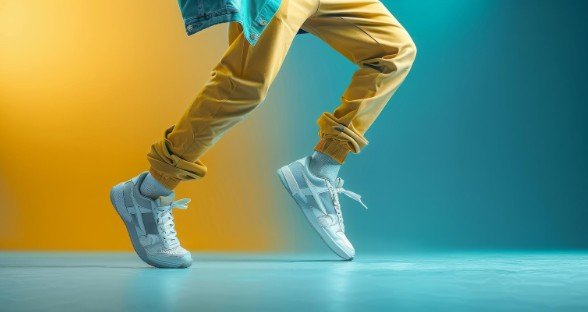
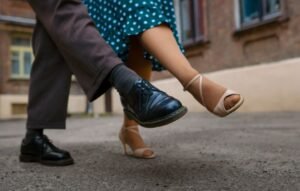
For ballroom and Latin dance, suede soles usually give the best balance. They work well on clean wooden or studio floors. A suede brush helps refresh the texture when the soles become flat or dusty. For salsa and bachata, suede or soft leather soles feel smoother for turns. Beginners may prefer a slightly grippier sole until they gain confidence.
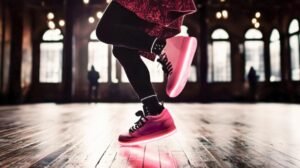
The ballet, canvas or leather ballet shoes need a clean, dry sole. Some dancers use rosin lightly, but too much can make the shoe sticky. For contemporary dance, many dancers use foot undies, dance paws, or barefoot-style shoes. These protect the skin while allowing floor contact. For hip-hop and street dance, rubber soles give better traction, especially when dancing on harder floors.
How To Make Dance Shoes Less Slippery
If you do not have a brush, very light sandpaper can help in an emergency, but I would use it carefully. Too much sanding can thin the sole and shorten the life of the shoe. Grip pads can also help, especially for shoes that feel unsafe on smooth floors. Choose pads made for dance shoes, not heavy outdoor shoe grips, because thick pads can change your balance.
Quick Fixes For Slippery Dance Shoes
A suede brush is the best long-term tool for suede soles. It is affordable, easy to carry, and safer than harsh DIY methods. Rosin can help ballet and some studio dancers, but it should be used lightly. Many studios have rules about rosin because it can leave residue on the floor.
Hairspray is often mentioned as a quick fix, but I would treat it as a temporary option only. It can attract dirt and may make soles uneven over time. A damp towel near the dance floor can help dancers refresh the sole during practice. Step lightly on it, then test your shoes before dancing full out.
Mistakes That Can Ruin Your Dance Shoes
- Do not wear indoor dance shoes outside. Concrete, asphalt, and rough surfaces destroy suede and leather soles quickly.
- Do not overuse rosin, glue, tape, or spray. These can damage the floor, create sticky patches, and make your shoes harder to control.
- Do not ignore the floor. Sometimes your shoes are not the problem. A dusty, waxed, or wet floor can make even good dance shoes unsafe.
- Do not chase maximum grip. The goal is not to stop all sliding. The goal is safe movement with enough freedom to turn, pivot, and transition.
How To Choose The Right Grip Product
If your suede soles feel flat, buy a suede brush first. If your shoes slide on a clean studio floor, grip pads may help. If you dance on mixed surfaces, consider shoes with a split rubber sole or flexible dance sneaker.
For partner dancing, prioritize smooth rotation. For fitness dance, prioritize shock support and traction. For stage work, test the shoe on the actual floor before performance day.
Frequently Asked Questions
1. What Is The Best Grip For Dance Shoes For Beginners?
Best grip for dance shoes for beginners usually comes from suede soles for studio dances and rubber soles for street-style classes. Choose based on your dance style and floor.
2. Can I Put Grip Pads On Dance Shoes?
Yes, but choose thin dance-safe grip pads. Thick pads can affect balance and make turns harder.
3. How Often Should I Brush Suede Dance Shoes?
Brush them whenever the soles look shiny, flat, or dusty. Many dancers brush before class or after several practice sessions.
4. Is Too Much Grip Bad For Dancing?
Yes. Too much grip can block turns, stress your knees, and make movement feel stiff.
Final Step Before Your Next Dance Class
I now check my soles before every class because shoe grip changes how I move, turn, and trust my feet. The right solution does not have to be expensive. Sometimes, a brush, clean floor, or better sole choice makes the biggest difference.
If your shoes feel unsafe, fix the grip before forcing your body to adjust. The best grip for dance shoes helps you dance with more control, smoother turns, and fewer distractions.