I used to think Latin dance was just about steps and music. Then I stepped into my first class and realized I was completely missing the bigger picture. If you don’t understand the Latin dance culture history, everything feels harder—timing, movement, even confidence.
Most beginners struggle not because they lack talent, but because they skip the cultural foundation. Once I understood where the movements came from, everything started to make sense faster. You don’t just copy steps—you feel them.
Why Does Latin Dance Culture History Matter for Beginners?
When I ignored the history, my dancing felt robotic.
Latin dance isn’t random movement. Every step, rhythm, and motion comes from real cultural roots. Indigenous storytelling, African rhythm, and European structure all shaped what you see today.
Once I understood this, I stopped overthinking technique. My body started moving more naturally because I understood why the movement existed.
Here’s what most beginners miss: technique improves faster when you connect emotionally to the dance. That connection comes from understanding its origins.
How Did Latin Dance Culture History Actually Begin?
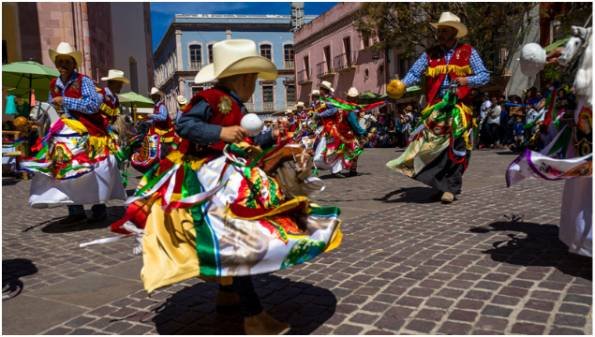
The story starts long before modern dance floors.
Indigenous communities used dance as storytelling. Movements represented daily life, nature, and rituals. It was structured, purposeful, and deeply expressive.
Then African influence added rhythm and soul. The grounded steps, hip movement, and body isolations came from African traditions. These weren’t just dance moves—they were expressions of identity and resilience.
European culture added structure. Partner dancing, formal steps, and musical melody came from Spanish and Portuguese traditions. This is what created the foundation for modern Latin partner dances.
What makes Latin dance unique is this fusion. You’re not learning one style—you’re experiencing centuries of cultural blending.
What Can You Learn From Swing vs Salsa Dance Culture?

Understanding swing vs salsa dance culture helped me avoid a huge beginner mistake—choosing a style that didn’t match my personality.
Swing feels light, playful, and social. It comes from jazz culture and focuses on fun, freedom, and connection. The rhythm is easier to follow, which makes it beginner-friendly.
Salsa feels smoother and more expressive. It’s rooted in Latin identity and focuses on rhythm, flow, and connection to music. It can feel harder at first because of its layered timing.
The key difference isn’t difficulty—it’s energy.
If you want quick confidence, swing can feel easier. If you want deeper musical connection, salsa becomes more rewarding over time.
Why Do Latin Dance Styles Feel So Different?
I used to wonder why salsa felt harder than expected.
The answer is rhythm.
Swing uses a steady beat that’s easy to follow. Salsa uses layered rhythms like the clave, which makes timing less obvious at first. That’s why beginners often struggle to “find the beat.”
Movement also plays a role. Swing focuses more on bounce and footwork, while Latin styles focus on hips and body movement.
Once I stopped comparing them and focused on their unique feel, learning became much easier.
How Does Latin Dance Culture Show Up Today?
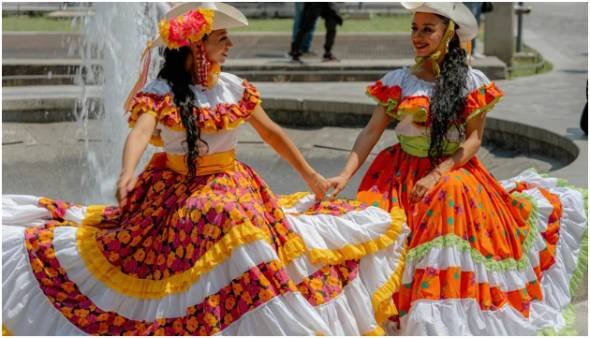
Latin dance didn’t stay local—it spread everywhere.
In competitions, styles became structured into categories like cha-cha, rumba, and samba are popular Latin dance types. These versions focus on technique and performance.
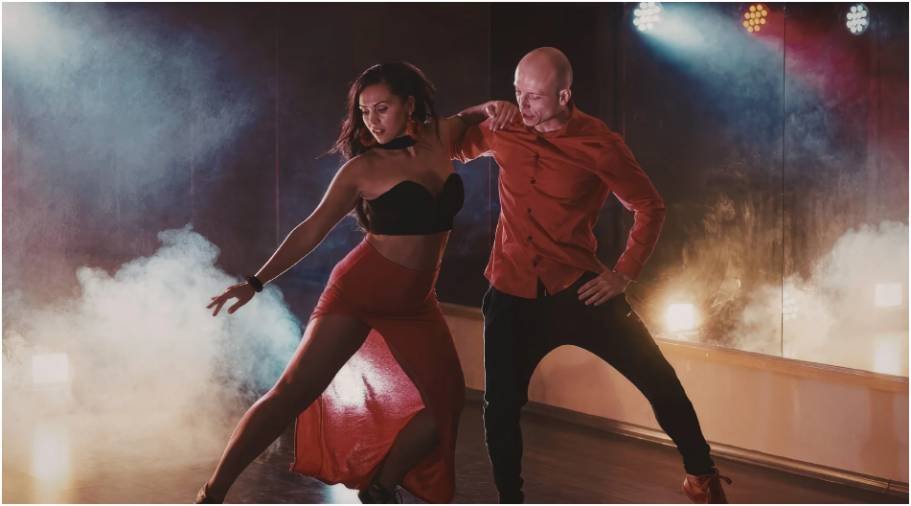
Social dancing kept its original spirit. Salsa nights, bachata events, and Latin socials still focus on connection, music, and community.
Modern trends changed things even more. Fitness programs brought Latin dance to beginners, while newer styles blend traditional rhythms with urban music.
What stayed the same is the purpose—expression, connection, and rhythm.
What Is a Simple Home Practice Routine for Latin Dance Beginners?
When I started using a home practice routine for Latin dance beginners, my progress improved faster than any class alone.
I kept it simple and consistent.
I began with posture. I stood tall, engaged my core, and shifted my weight forward. That alone changed how my movement felt.
Then I focused on weight transfer. I stepped slowly, making sure my weight fully moved from one foot to the other. This fixed balance issues quickly.
Next, I practiced hip movement. I bent one knee, straightened the other, and let my hips move naturally. It felt awkward at first, but it became smoother with repetition.
I finished with basic steps while listening to music. Instead of rushing, I stayed on beat and focused on control.
What worked wasn’t complexity—it was consistency.
How To Understand Latin Dance Culture History
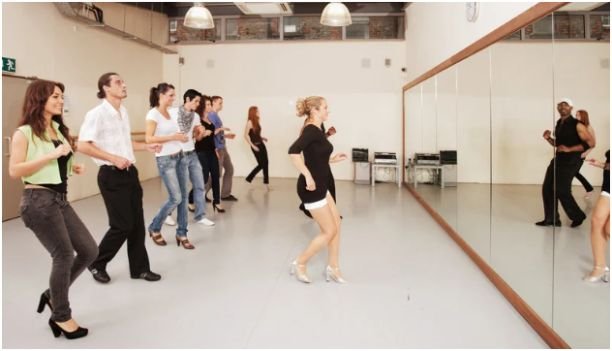
If you want to truly understand Latin dance culture history, don’t just read it—experience it step by step.
Start by listening to Latin music daily. Focus on rhythm, not steps. This builds your musical awareness naturally.
Then learn one basic dance style. If you’re unsure where to begin, I recommend starting Latin dancing so you can build a strong foundation from day one. Don’t try everything at once—stick with salsa or bachata and understand its movement deeply.
Watch experienced dancers, but pay attention to how they move, not just what they do. Notice the flow, timing, and connection.
Practice short sessions at home. Even 10 minutes daily builds muscle memory faster than occasional long practice.
Finally, dance socially when you can. Culture isn’t learned alone—it’s experienced with people.
Latin Dance Culture History FAQs
1. What is Latin dance culture history in simple terms?
Latin dance culture history is the mix of Indigenous, African, and European traditions that shaped modern Latin dances like salsa, bachata, and samba.
2. Why is Latin dance culture history important for beginners?
It helps you understand rhythm, movement, and connection. When you know the background, learning steps becomes easier and more natural.
3. Is salsa harder than swing for beginners?
Salsa can feel harder because of complex rhythms. Swing is usually easier to start with, but both become easier with consistent practice.
4. Can I learn Latin dance at home?
Yes, a simple routine focusing on posture, weight transfer, and timing can build a strong foundation even without a partner.
This Is Where It Finally Clicked for Me
Understanding Latin dance culture history changed everything for me.
I stopped chasing perfect steps and started focusing on feeling the music. That shift made my movement smoother and my confidence stronger.
Here’s something most people overlook: progress in dance isn’t about learning more moves—it’s about understanding movement better.
| Focus Area | Beginner Mistake | Better Approach |
| Steps | Memorizing quickly | Slow, controlled practice |
| Rhythm | Following counts only | Listening to music deeply |
| Practice | Long, irregular sessions | Short daily routine |
| Confidence | Waiting to feel ready | Building it through movement |
If you take one thing from this, make it simple—stay consistent, stay curious, and let the culture guide your movement.