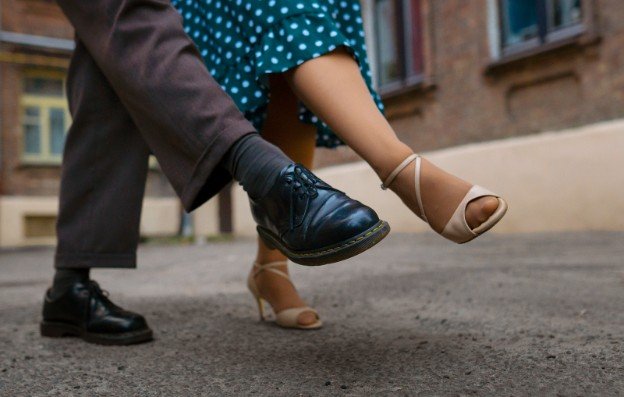
I didn’t start dancing with the “right” shoes. I started with whatever I had—basic sneakers that I used for everything. At first, it felt fine. I could follow steps, stay on beat, and enjoy the music. But the moment I tried turning smoothly, something felt off. My feet stuck, my balance shifted, and I realized something important: footwear changes everything.
That’s when I seriously asked myself, can you use regular shoes for dancing? If you’re just starting out, this question matters more than you think. The answer isn’t just yes or no—it depends on how, where, and how often you dance.
Can You Use Regular Shoes for Dancing? Quick Answer
Yes, you can use regular shoes for dancing, especially as a beginner or for casual practice. They can help you get started without overcomplicating things. But they’re not designed for dance movement. As soon as you begin doing spins, pivots, or longer sessions, regular shoes can limit your flow and even cause discomfort.
When Regular Shoes Work Well
There are situations where regular shoes actually make sense.
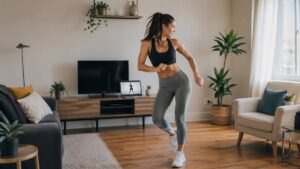
Casual Practice at Home
If you’re practicing basic steps in a small space, your shoes don’t need to be perfect. At this stage, consistency matters more than gear.
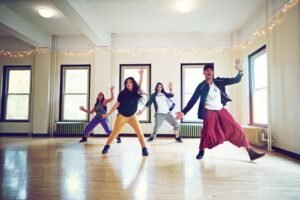
Your First Few Classes
When you’re focused on rhythm, timing, and coordination, footwear is not your biggest challenge yet. Comfort and confidence come first.
Low-Impact Dance Styles
Styles like beginner hip-hop or simple groove-based routines don’t require constant turning, so regular shoes can work without causing major issues.
When Regular Shoes Start Holding You Back
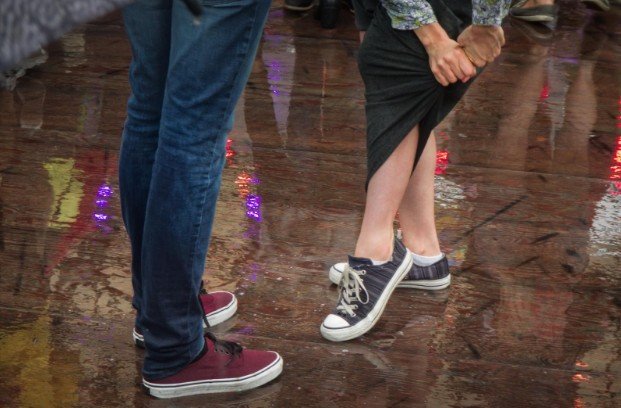
This is where most beginners get stuck without realizing it.
Too Much Grip on the Floor
Regular shoes usually have rubber soles. They’re great for walking but not for dancing. Instead of gliding, your feet stick, making turns harder and less smooth.
Limited Foot Movement
Extra Pressure on Joints
When your shoes don’t move with you, your knees and ankles absorb more stress. Over time, this can lead to discomfort, especially during longer practice sessions.
Dance Shoes vs Regular Shoes: What’s the Real Difference?
The biggest difference comes down to how each shoe is designed. Dance shoes are made for movement. They’re lightweight, flexible, and allow controlled sliding. This makes turning, pivoting, and shifting weight feel natural. Regular shoes are built for durability and grip. That’s useful for daily activities but not ideal when your goal is smooth, controlled motion.
How to Choose Better Regular Shoes for Dancing
If you’re not ready to wear proper shoes for dancing, you can still make smarter choices. Look for lightweight shoes that don’t feel bulky. Flexibility is key—you should be able to move your foot naturally. A slightly smooth sole helps with turning, while still giving enough control. I always test my shoes before using them. A quick pivot test tells me instantly if they’ll support my movement or fight against it.
Best Types of Regular Shoes for Beginners
Some regular shoes work better than others.
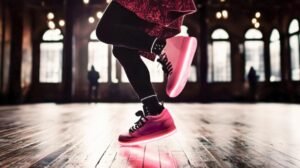
Lightweight Sneakers
These are the easiest starting points. They offer comfort without being too restrictive.
Flat Shoes With Minimal Grip
Shoes with smoother soles allow better movement and make turns feel easier.
Flexible Trainers
Certain trainers are designed for movement and can handle light dance practice more effectively than standard footwear.
Shoes You Should Avoid Completely
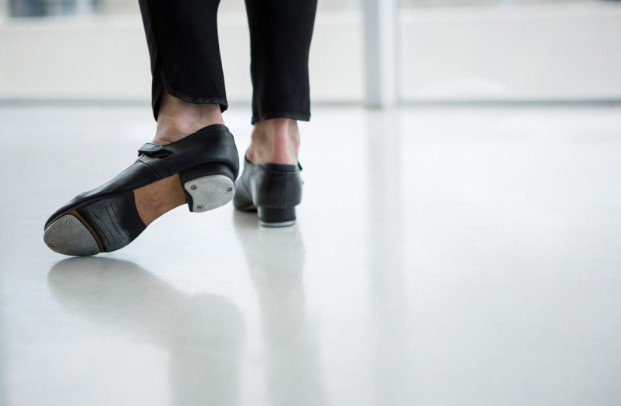
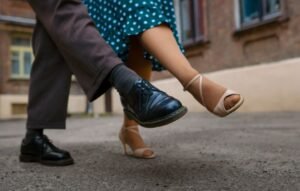
Not all shoes are safe for dancing. Heavy running shoes with thick soles can make turning difficult and increase strain on your knees. Slide footwear like sandals can affect balance. High heels not designed for dance can make movement unstable and risky. Avoiding these mistakes can save you from discomfort and slow progress.
When It’s Time to Switch to Dance Shoes
At some point, regular shoes stop being enough. If you’re dancing regularly, struggling with turns, or feeling discomfort after practice, it’s a clear sign. Switching to proper dance shoes improves your control, reduces strain, and makes movement feel smoother. This is usually the moment when dancing starts to feel more natural and less forced.
My Experience With Making the Switch
For a while, I thought shoes didn’t matter. I believed practice alone would fix everything. But once I changed my footwear, the difference was immediate. My turns became smoother, my balance improved.
I stopped fighting the floor and started moving with it. That shift made dancing more enjoyable and less frustrating. Looking back, starting with regular shoes helped me begin without hesitation. But upgrading at the right time helped me grow.
Frequently Asked Questions
1. Can beginners dance in regular shoes?
Yes, beginners can start with regular shoes for simple practice, especially in the early stages.
2. Are sneakers good for dancing?
Some sneakers work well, but lightweight and flexible ones are better than heavy, high-grip shoes.
3. Can you use regular shoes for dancing?
Yes, but mainly for casual or beginner use. For better movement and safety, dance shoes are more effective.
4. Do dance shoes really make a difference?
Yes, they improve flexibility, reduce strain, and make movements like turning and pivoting much smoother.
What Actually Helps You Dance Better
In the end, dancing isn’t just about learning steps—it’s about how your body moves and responds. Shoes are part of that experience. You can absolutely start with what you already have. That’s how I began too.
But as you improve, the right footwear becomes less of a luxury and more of a tool. If you pay attention to how your body feels and make small adjustments along the way, you’ll progress faster and enjoy the process more.