
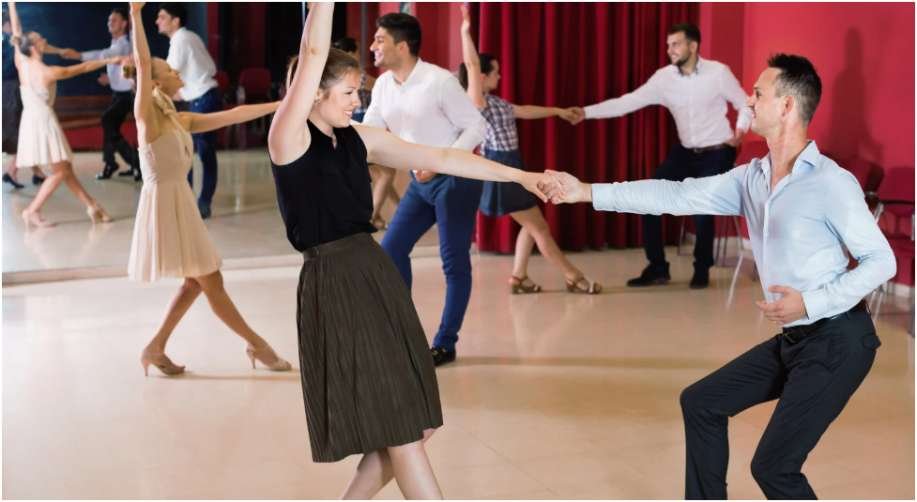
If you’ve ever wondered why swing dance became popular worldwide, you’re not alone. I used to think it was just a fun vintage dance. But once I started learning, I realized it spread globally because it’s simple, social, and deeply human.
Here’s the truth most people miss: swing didn’t go viral because it was perfect—it spread because it was adaptable. You don’t need perfect rhythm, fancy clothes, or even a shared language. You just need a partner and a bit of courage.
And if you’re worried it looks too hard or “old-school,” I get it. I felt the same. But once you see how it evolved—and how easy it is to start—you’ll see why it never really disappeared.
What Are the Swing Dance Culture Origins?
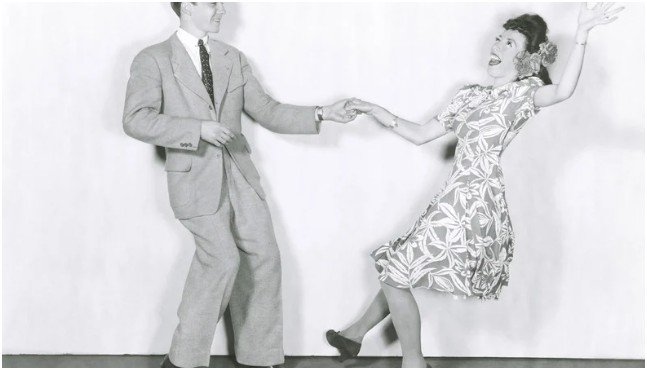
Swing dance culture origins trace back to Harlem in the 1920s. Dancers gathered at the Savoy Ballroom, one of the few places where people of all races could dance together.
I love this part of the story because it wasn’t just about dance—it was about community and expression. People created the Lindy Hop by mixing styles like Charleston and tap, all while jazz music played live.
That energy still exists today. When you step onto a swing floor, you’re stepping into something that started as pure joy during tough times.
Why Did World War II Make Swing Global?
One of the biggest reasons why swing dance became popular worldwide was World War II.
American soldiers carried swing music and dance everywhere they went. Suddenly, people in Europe and beyond were learning the Jitterbug in crowded halls and military camps.
Organizations like the United Service Organizations hosted dances to boost morale. Bands led by Glenn Miller made swing the soundtrack of the era.
From my perspective, this is where swing stopped being local and became emotional currency—a way for people to feel normal, even during chaos.
How Did the Dance Style Change During the War?
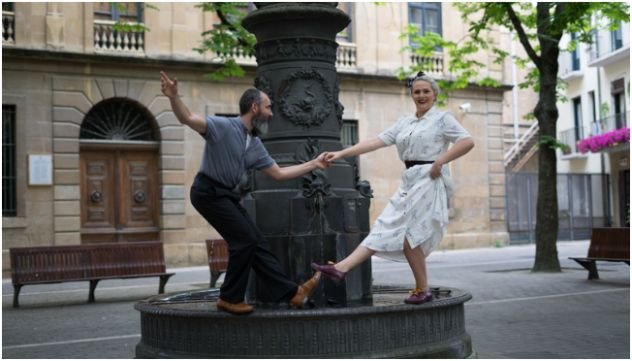
The dance itself shifted a lot during wartime.
Ballrooms disappeared. People danced in tight spaces, wearing uniforms and heavy boots. That’s how the Jitterbug evolved—a faster, simpler version of swing.
I find this fascinating because it shows something important: constraints made swing easier. It became less about perfection and more about participation.
And honestly, that’s why beginners today still find it approachable.
Did Taxes and Music Trends Affect Swing’s Popularity?
Yes—and this part often gets overlooked.
In 1944, the U.S. introduced the Cabaret Tax. Clubs had to pay extra if people danced, so many stopped allowing it.
At the same time, jazz shifted toward more complex styles led by artists like Charlie Parker. This music was meant for listening, not dancing.
So swing didn’t disappear—it just stepped out of the spotlight for a while.
Why Did Swing Dance Come Back in the 1980s?

The revival story is one of my favorites.
In the 1980s and 90s, dancers in Europe started searching for original swing teachers like Frankie Manning. They wanted to learn the real thing.
Workshops, festivals, and new music brought swing back to life. And this time, it spread even faster thanks to global communities.
This proves something powerful: swing isn’t a trend—it’s a cycle that keeps coming back.
Why Is Swing Dance Still Popular Today?
Swing works because it fits into real life.
You don’t need perfect technique. You don’t even need the same language as your partner. You just need rhythm and willingness.
From my experience, it’s one of the easiest ways to meet people, move your body, and forget stress. That’s a rare combo.
If you enjoy exploring partner styles, you might also like to start Latin dancing it’s another fun, social entry point into dance.
How To Why Swing Dance Became Popular Worldwide

Start by understanding that swing spread because it was easy to share. If you want to experience that same journey, begin with basic steps like the six-count rhythm. Practice at home with simple music, focusing on timing rather than perfection.
Next, join a local class or social dance. The magic of swing comes from interaction, not solo practice. You’ll quickly notice how strangers connect through movement without needing words.
Finally, stay consistent. Even one session a week builds confidence. Over time, you’ll understand firsthand why swing dance became popular worldwide—it’s not just history, it’s something you feel.
FAQs
1. Is swing dance hard for beginners?
Not really. Basic steps are simple, and most classes focus on fun over perfection. You can start enjoying it within your first session.
2. Why swing dance became popular worldwide instead of other dances?
Its adaptability and social nature made it easy to spread across cultures. People could learn it quickly and enjoy it immediately.
3. Do I need a partner to learn swing?
No. Most classes rotate partners, so you’ll dance with different people and learn faster.
4. Is swing dance still relevant today?
Yes. It’s popular in cities worldwide, with festivals, social nights, and modern music adaptations keeping it fresh.
So… Why Did Swing Take Over the World?
Here’s the thing about why swing dance became popular worldwide—it didn’t rely on perfection, trends, or exclusivity.
It spread because it made people feel alive.
| Then (1920s–40s) | Now |
| Harlem ballrooms | Global festivals |
| Live jazz bands | Jazz, pop, fusion |
| Social survival | Social connection |
| Local culture | Worldwide community |
If I could give you one tip, it’s this: don’t overthink it. Try one class, laugh at your mistakes, and keep moving.
That’s exactly how swing conquered the world—and how it wins people over even today.