The music was loud, people were laughing, and somehow everyone around me just… knew what to do. Meanwhile, I was standing there pretending to check my phone so I wouldn’t have to dance. Not because I didn’t want to—but because I had no clue where to start.
That moment stuck with me. Later, I went home and searched what is the easiest dance style to learn, hoping there was something out there that didn’t require talent, confidence, or months of practice just to feel normal on a dance floor. And once I actually tried a few styles, I realized something surprising—the easiest dances aren’t the ones that look simple, they’re the ones that make you forget you’re even learning.
What Is the Easiest Dance Style to Learn for Absolute Beginners?
If you want the most honest answer, what is the easiest dance style to learn comes down to line dancing and hip-hop basics.
Line dancing feels easy because you don’t need a partner, and the steps repeat in a predictable pattern. You simply follow the group, which makes it perfect for beginners in social settings like country bars, community events, and dance halls across the U.S.
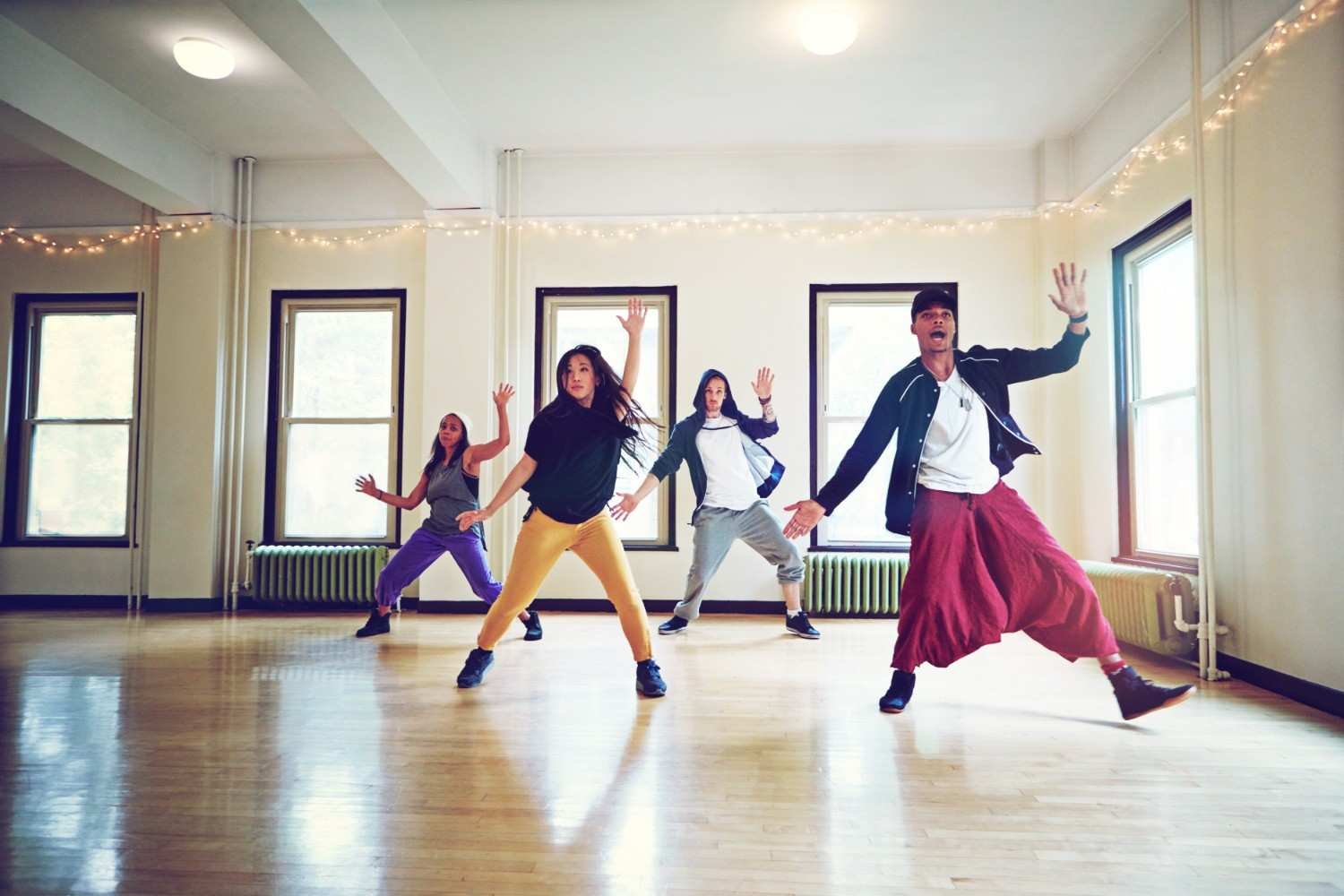
Hip-hop grooves are just as beginner-friendly but for a different reason. Instead of strict choreography, you focus on natural movement and rhythm. I found this especially helpful because I didn’t feel judged or restricted. I could move at my own pace and improve naturally.
Why Line Dancing Is the Simplest Way to Start Dancing
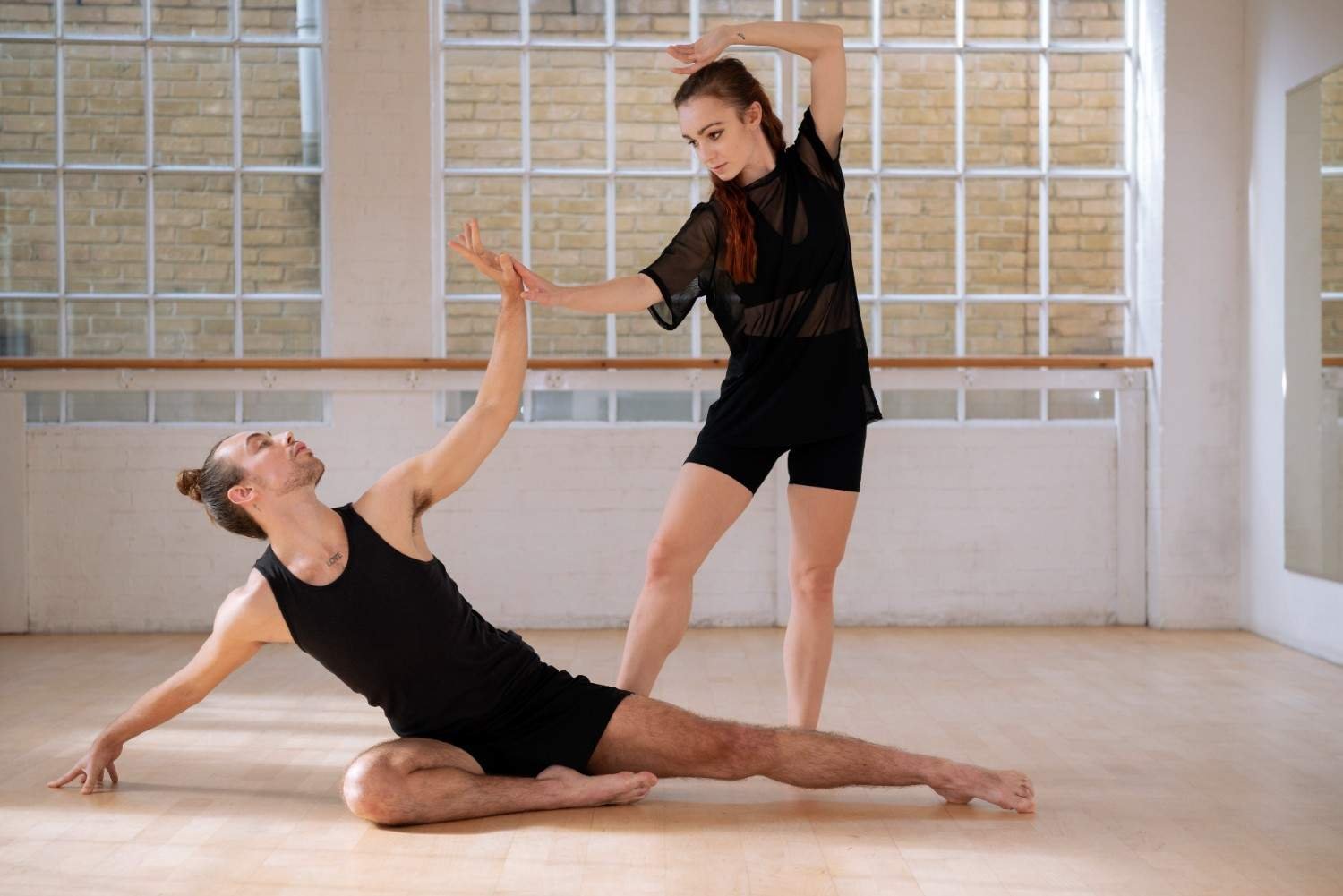
When I tried line dancing, I immediately understood why it’s often ranked as the easiest dance style.
The steps repeat, the structure stays consistent, and there’s no pressure to coordinate with a partner. You just follow along with the group, which builds confidence quickly. In many parts of the U.S., line dancing is also widely accessible, making it one of the most practical ways to get started.
What makes it even easier is that you don’t need prior experience. You learn by doing, and within minutes, your body starts recognizing the pattern.
Can You Learn Hip-Hop Dancing Easily as a Beginner?
Yes, and this is where many beginners feel relieved.
Hip-hop basics focus on grooves, which are simple rhythmic movements rather than strict steps. When I started, I didn’t worry about getting everything perfect. I just focused on moving to the beat.
This approach removes the fear of failure. Instead of memorizing sequences, you build rhythm first. That’s why hip-hop is one of the easiest dance styles to learn at home or in beginner classes.
How Salsa, Waltz, and Bachata Fit Into Beginner Learning
While line dancing and hip-hop are the easiest starting points, partner dances also become surprisingly easy once you understand the basics and start embracing a dance lifestyle for beginners.
Salsa is one of the fastest social dances to pick up. The steps repeat, and after a few sessions, I felt comfortable dancing with others. It’s especially popular in major U.S. cities, making it a great choice if you want a social experience.
Waltz is slower and more structured. The simple box step helped me stay in control, which made it ideal when I wanted something calm and predictable.
Bachata felt natural because of its side-to-side motion. Once I understood the rhythm, everything else became easier to follow.
Is Modern Jive (Ceroc) the Fastest Dance to Learn Socially?
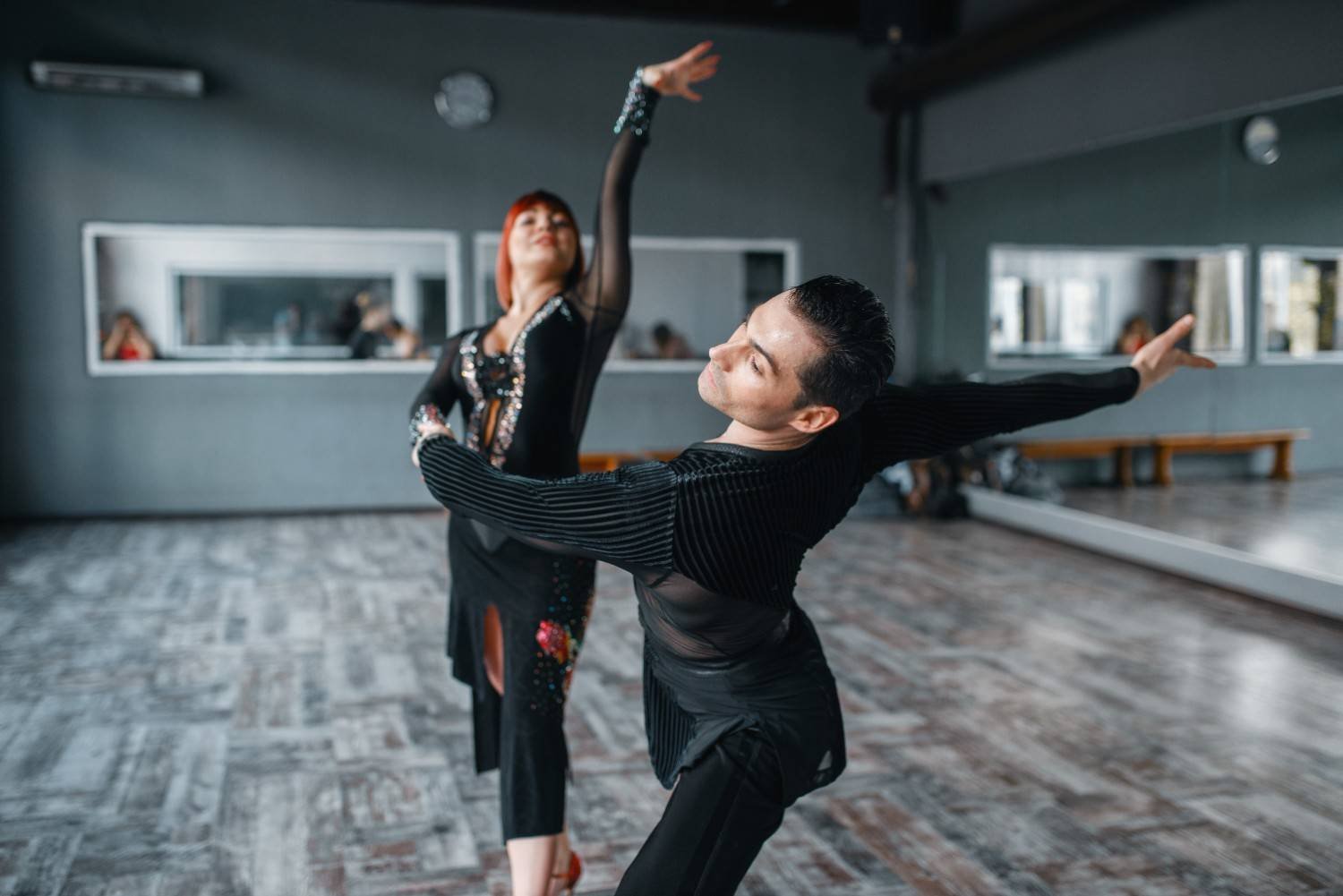
Modern jive, also known as Ceroc, is designed specifically for beginners.
What stood out to me is how quickly you can start dancing. The footwork is minimal, and the focus is on leading and following simple movements. In many beginner-friendly classes, people start dancing confidently within a single session.
This makes it one of the easiest partner dances if your goal is to get comfortable socially without memorizing complex steps.
What Actually Makes a Dance Style Easy to Learn
After trying multiple styles, I noticed a pattern. The easiest dances all share the same characteristics.
They use repetitive steps, which helps your body learn faster. They follow a clear rhythm, so you don’t feel lost in the music. They remove pressure, either by allowing solo movement or simplifying partner coordination.
Line dancing and hip-hop check all these boxes, which is why they consistently rank as the easiest options.
How I Learned Faster Once I Focused on Grooving
One of the biggest shifts for me was focusing on grooving instead of choreography.
Instead of jumping into complex moves, I started with simple movements like bending my knees to the beat and shifting my weight. This helped me connect with the music first.
Once I built that rhythm, learning actual steps became much easier. This approach works especially well for beginners who feel they have no natural sense of timing.
Choosing the Right Dance Style Based on Your Personality
When I stopped asking only what is the easiest dance style to learn and started thinking about what suited me, everything improved.
If you enjoy structure, waltz is a great option. If you want something social and energetic, salsa works well. If you prefer independence and freedom, hip-hop is ideal. If you want the simplest entry point with no partner, line dancing is hard to beat.
Matching the style to your personality makes the learning process feel effortless.
How Long It Takes to Feel Comfortable Dancing
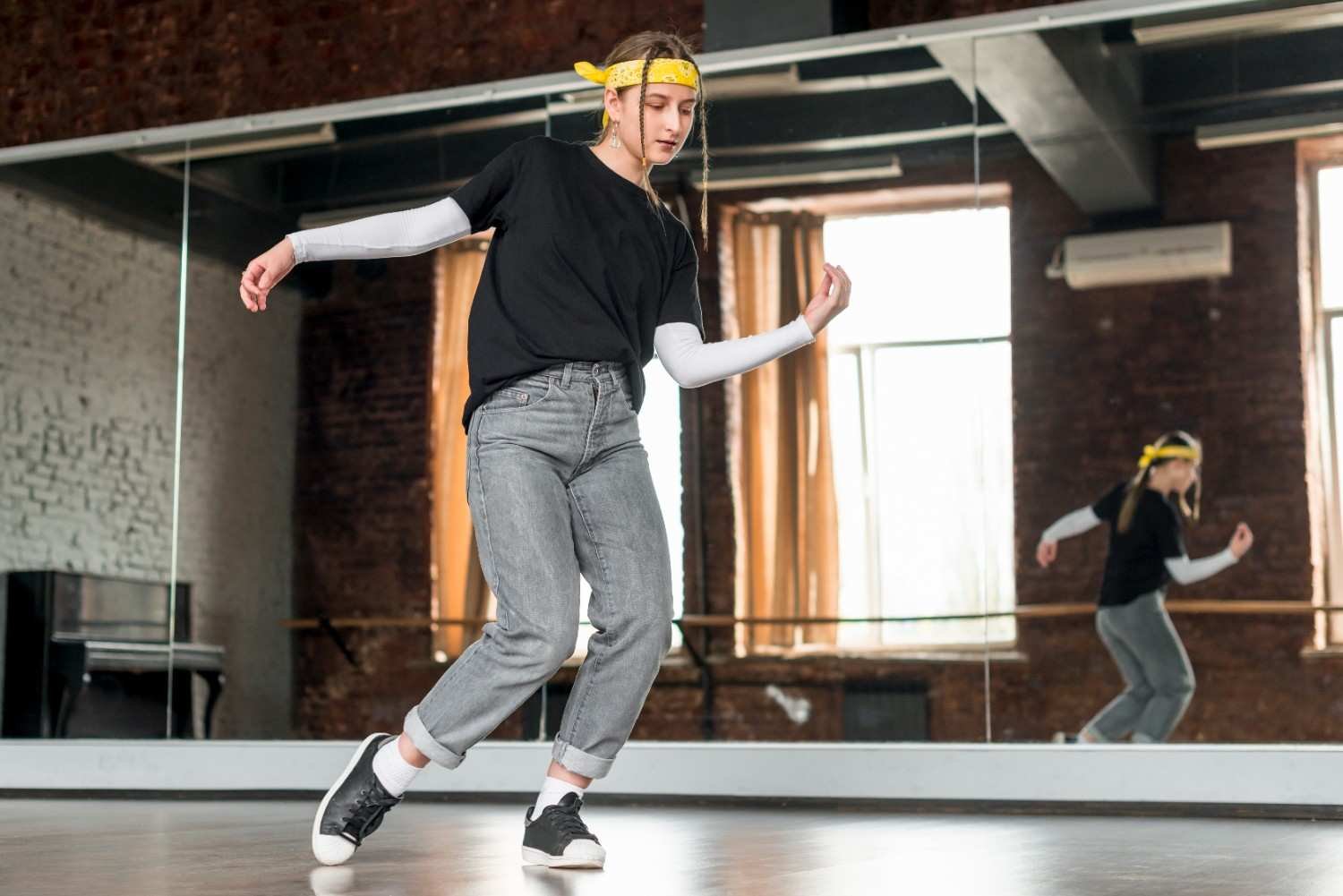
From my experience, most beginners start feeling comfortable within two to four weeks.
Line dancing and hip-hop show faster results because they rely on repetition and natural movement. Salsa and bachata take slightly longer but become easy once you understand the rhythm.
Consistency matters more than talent. Even short daily practice sessions can speed up progress significantly.
Frequently Asked Questions (FAQs)
1. What is the easiest dance style to learn at home?
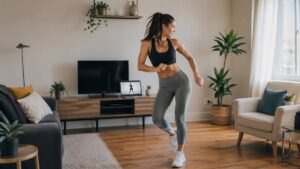
Hip-hop grooves and line dancing are the easiest to practice at home because they don’t require a partner or complex coordination.
2. Which dance style is best for beginners with no rhythm?
Waltz is ideal because of its slow tempo, while hip-hop helps you build rhythm naturally through simple movements.
3. Is salsa hard for beginners in the beginning?
Not really. Salsa uses repetitive steps, which makes it easier to pick up quickly with regular practice.
4. Can I learn dancing without taking classes?
Yes. You can start at home, but classes help improve timing, confidence, and technique much faster.
Final Thoughts That Actually Matter
Looking back, I realized that finding what is the easiest dance style to learn wasn’t about picking the “perfect” style. It was about removing fear and starting simple.
Line dancing gave me structure without pressure. Hip-hop helped me feel the music without rules. Once I built confidence, moving into salsa, bachata, or even partner dances felt natural.
If you’re just starting, don’t overthink it. Choose something simple, stay consistent, and let your body learn at its own pace. That’s what actually makes dancing feel easy.