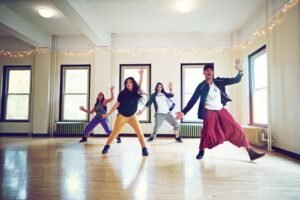
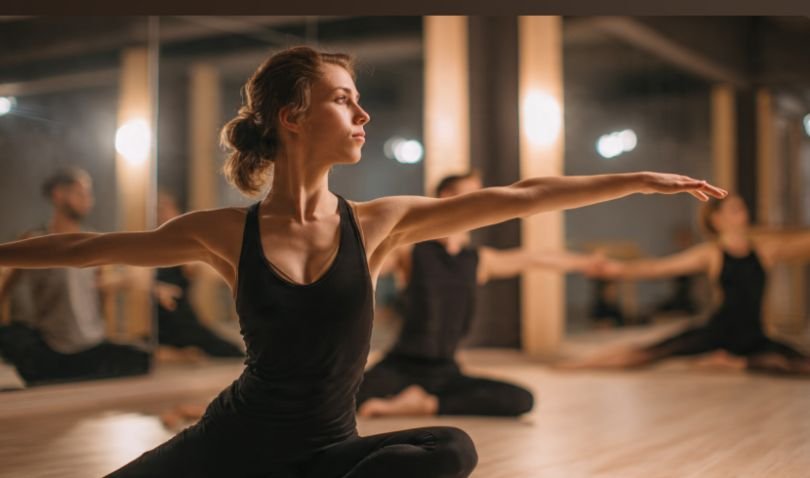
A proper dance routine doesn’t start with choreography—it begins with preparing your body. Warm-ups and cool-downs are essential for improving performance, preventing injuries, and helping your body recover effectively. Many dancers skip these steps, but doing so can lead to stiffness, poor movement quality, and even long-term injuries.
A structured warm-up increases blood flow, activates muscles, and prepares your joints for movement. On the other hand, a cool-down helps your body return to a resting state, reduces muscle soreness, and improves flexibility. Together, they create a complete training cycle that supports both performance and recovery.
What Happens During a Warm-Up
When you warm up properly, your body gradually transitions from rest to activity. Your heart rate increases, your muscles become more flexible, and your joints gain mobility. This prepares your body for the physical demands of dancing.
A good warm-up focuses on dynamic movement rather than static stretching. Moving stretches activate muscles and improve coordination, which is crucial for dance performance. Skipping this step can result in tight muscles and reduced control during movement.
Structure of an Effective Dance Warm-Up (10–12 Minutes)
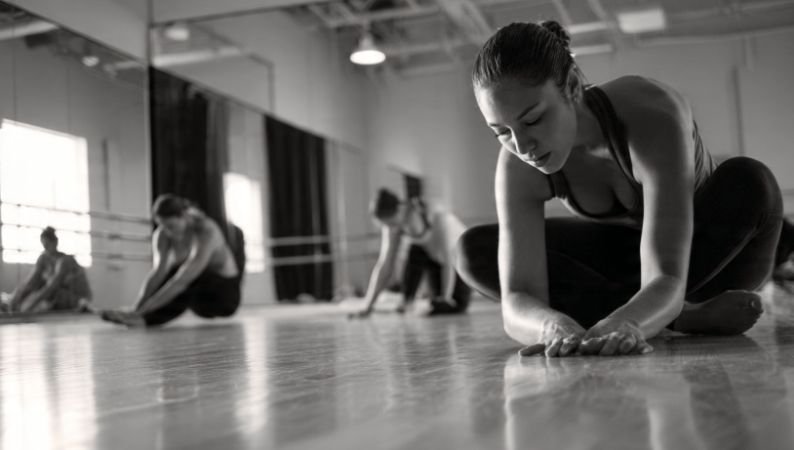
A well-designed warm-up should follow a logical sequence that gradually increases intensity. Instead of jumping straight into intense movements, your body should be eased into activity step by step.
Cardio and Movement Activation
The first stage of a warm-up is a light cardio workout for dancers to raise your heart rate. This can include simple movements like marching in place, light jogging, or stepping side to side. These movements increase circulation and prepare your muscles for more complex activity.
You can also include:
- High knees to activate the legs
- Heel digs to engage the lower body
- Grapevine steps to improve coordination
This phase should last around three to five minutes and should feel light and controlled.
Joint Rotations and Mobility
Once your body is warm, the next step is to focus on joint mobility. This involves gentle rotations and movements that loosen up the joints and improve range of motion.
Start with small, controlled movements and gradually increase the range. Pay attention to areas like the neck, shoulders, hips, and ankles, as these are heavily used in dance. This phase helps prevent stiffness and prepares your body for dynamic movement.
Dynamic Stretching for Flexibility and Control
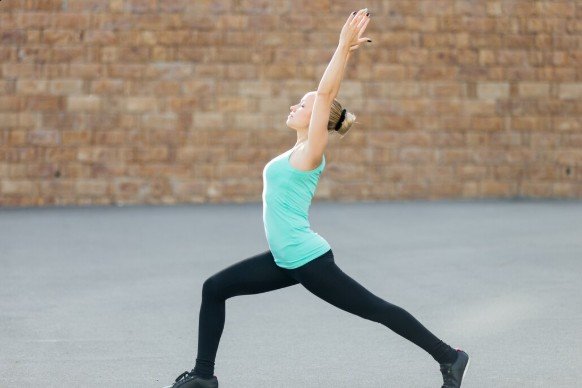
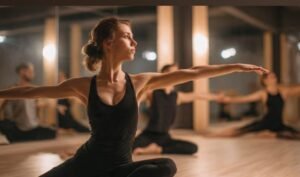
Dynamic stretches are moving stretches that prepare your muscles for activity. Unlike static stretching, they keep the body active while improving flexibility.
Common dynamic movements include forward bends, side lunges, and gentle leg swings. These exercises help open up the hips, stretch the legs, and activate the core. Adding calf raises or rising onto the toes also prepares the ankles for balance and footwork.
This phase is essential for improving movement quality and ensuring your body is ready for dancing.
Key Principles for an Effective Warm-Up
A successful warm-up is not about intensity—it’s about preparation. The goal is to activate your body without causing fatigue.
Keep these principles in mind:
- Start slow and gradually increase intensity
- Focus on movement rather than holding stretches
- Engage your core and maintain good posture
- Avoid static stretching before dancing
Following these guidelines ensures that your warm-up supports your performance instead of limiting it.
What Happens During a Cool-Down
After dancing, your body needs time to recover. A cool-down helps lower your heart rate, relax your muscles, and improve flexibility. It also reduces the risk of soreness and injury.
During intense activity, your muscles contract repeatedly and build tension. Cooling down allows them to relax and return to their normal state. This process is essential for long-term performance and recovery.
Structure of an Effective Cool-Down (5–10 Minutes)
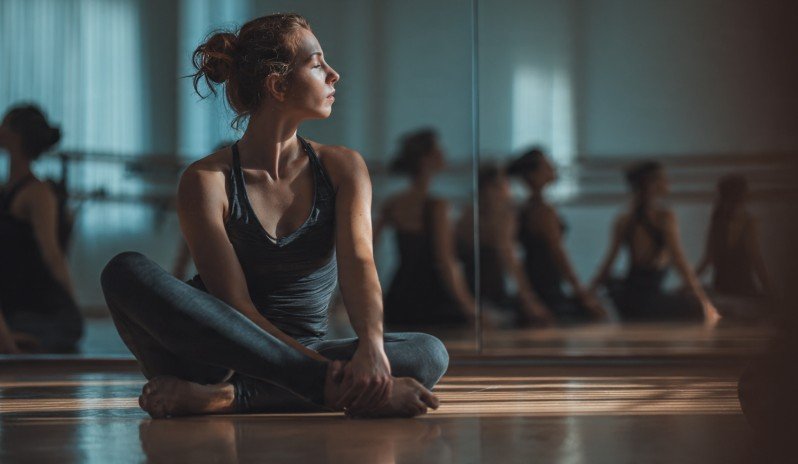
A proper cool-down should be gradual and controlled, helping your body transition from activity to rest.
Gradual Wind-Down
The first step is to slow down your movement. Instead of stopping suddenly, continue with light activity such as slow walking or gentle marching. This allows your heart rate to decrease gradually.
Deep breathing during this phase helps relax your body and improve oxygen flow. It also prepares you for the stretching phase that follows.
Static Stretching for Flexibility
Static stretching involves holding a stretch for a period of time, usually between 15 to 30 seconds. This helps lengthen muscles and improve flexibility.
Focus on major muscle groups used during dancing, including the legs, hips, and upper body. Controlled breathing during stretching helps your muscles relax and improves the effectiveness of each stretch.
Floor-Based Recovery Exercises
Floor exercises are an excellent way to release tension and promote relaxation. Positions such as seated stretches or gentle twists help improve flexibility and reduce muscle tightness.
Movements like a forward bend or a resting position allow your body to fully relax after activity. This phase is particularly important for preventing stiffness and improving recovery.
Key Principles for an Effective Cool-Down
A good cool-down is just as important as a warm-up. It ensures that your body recovers properly and is ready for future training.
Important guidelines include:
- Never skip the cool-down phase
- Hold stretches gently without forcing movement
- Focus on deep, controlled breathing
- Allow your body to relax gradually
These principles help reduce soreness and improve overall flexibility.
Common Mistakes to Avoid
Many dancers make mistakes when it comes to warming up and cooling down. One common issue is skipping these steps entirely due to time constraints. This increases the risk of injury and reduces performance quality.
Another mistake is performing static stretches before dancing. This can weaken muscles and reduce strength during movement. Instead, static stretching should be reserved for the cool-down phase.
Rushing through the routine is also a problem. Both warm-ups and cool-downs should be done with focus and control to be effective.
Benefits of a Proper Routine
A well-structured warm-up and cool-down routine offers several benefits that directly impact your performance and health.
It helps:
- Improve flexibility and range of motion
- Reduce risk of injuries
- Enhance movement quality and control
- Speed up recovery after training
Over time, these benefits contribute to better performance and long-term progress in dance.
FAQs
How do you cool down in dance?
Cooling down involves gradually lowering your heart rate through light movement, followed by static stretching and controlled breathing. This helps relax muscles and improve flexibility.
What are the 7 basic movements of dance?
The seven basic movements of dance include bending, stretching, rising, falling, turning, jumping, and traveling. These form the foundation of most dance styles.
What are the 5 stages of a warmup?
The five stages of a warm-up typically include light cardio, mobility exercises, dynamic stretching, activation of key muscles, and movement preparation.
What are 10 warm-up exercises?
Some common warm-up exercises include marching in place, high knees, arm circles, shoulder rolls, hip circles, lunges, leg swings, torso twists, calf raises, and light jogging.
Build a Safe and Effective Dance Routine
A proper warm-up and cool-down routine is essential for every dancer, regardless of skill level. These steps prepare your body for movement, improve performance, and support recovery.
By following a structured routine and staying consistent, you can reduce the risk of injury and enhance your overall dance ability. Over time, these habits will become a natural part of your training, helping you perform with confidence and control.