I planned to start a contemporary dance, I thought I only needed comfortable clothes and bare feet. Then floorwork, turns, slides, sweat, and sore knees taught me otherwise. The right setup does not make you a better dancer overnight, but it removes small problems that distract you in class.
That is why essential gear for contemporary dancers matters. You need clothing that moves with you, foot options that match the studio floor, and a dance bag that keeps you ready for warm-ups, rehearsal, auditions, and long training days.
Why Contemporary Dance Gear Matters
Contemporary dance asks your body to do a lot. You roll, contract, release, jump, slide, balance, and move close to the floor. Loose clothing can catch. Slippery socks can make turns unsafe. Bare knees can hurt during repeated floorwork.
Good gear supports freedom, not stiffness. I look for pieces that help me move naturally while still giving enough coverage and protection. Comfort matters, but control matters too.
What Should You Wear For Contemporary Dance?
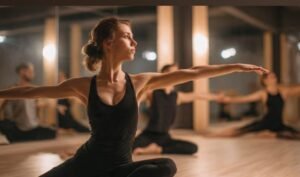
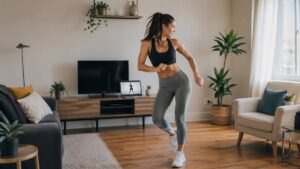
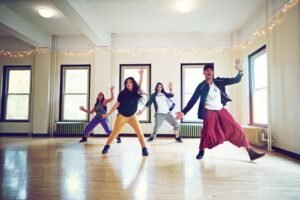
For class, I prefer fitted but stretchy clothing. Leggings, bike shorts, fitted tanks, breathable T-shirts, and supportive sports bras work well because they let the teacher see alignment. That matters when correcting posture, knee tracking, hip placement, and floor transitions.
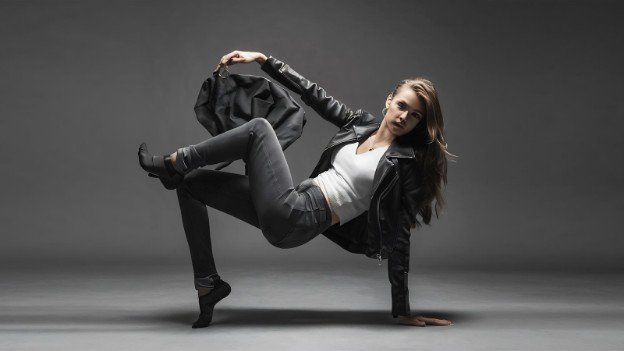
Avoid jeans, stiff joggers, oversized hoodies, and slippery fabrics. They restrict movement and hide body lines. Contemporary dance works best when your outfit feels light, flexible, and secure.
Best Footwear Options For Contemporary Dancers
Many contemporary dancers train barefoot because it improves floor connection and control. Bare feet help you feel weight shifts, balance, and transitions more clearly. Still, dancing barefoot does not suit every floor or every dancer.
Grip socks can help if the floor feels cold or slightly slick. Half soles, foot thongs, or lyrical shoes can support turns while leaving part of the foot exposed. I would choose based on your teacher’s rule, studio flooring, and how much turning or sliding your class includes.
Essential Gear For Contemporary Dancers During Floorwork
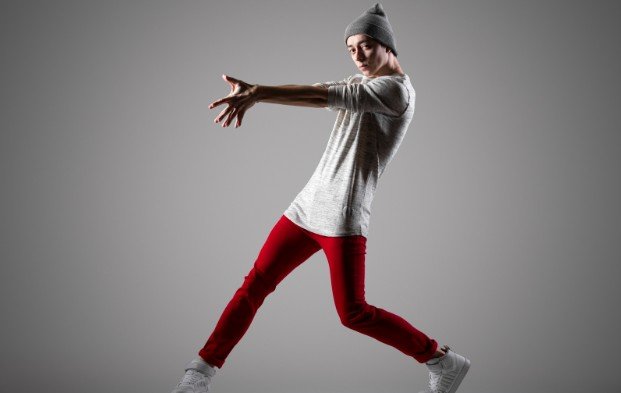
Floorwork is where beginners usually realize they need more than a basic outfit. Knee pads can make a huge difference, especially when you practice slides, drops, crawls, and repeated kneeling patterns. Thin dance knee pads work better than bulky sports pads because they protect without blocking movement.
What Should Be In A Contemporary Dance Bag?
A good dance bag saves you from last-minute stress. I always keep a water bottle, small towel, hair ties, bobby pins, deodorant, wipes, bandages, and an extra top. These basics keep class cleaner, safer, and more comfortable.
For longer rehearsals, I add snacks, a resistance band, notebook, and extra socks. A notebook helps me track corrections, combinations, and goals. That small habit made my practice feel more serious and organized.
Warm-Up Layers You Actually Need
Warm-up clothing should keep muscles ready without making movement heavy. I like soft joggers, wrap top dresses, light sweatshirts, and leg warmers before class begins. Once my body warms up, I remove layers so I can move freely.
Avoid thick layers that trap too much heat. Contemporary class often moves from slow floorwork to explosive movement, so your body needs flexibility and temperature control.
What Not To Wear For Contemporary Dance
I avoid jewelry, belts, stiff sneakers, heavy perfume, and clothing with zippers or rough seams. Contemporary dance often includes partner work and floor contact, so anything sharp, noisy, or uncomfortable becomes a problem fast.
I also avoid clothes that need constant adjusting. If you spend class pulling up leggings or altering a loose shirt, you lose focus. The best gear lets you forget about it once movement starts.
Beginner Vs Advanced Contemporary Dance Gear
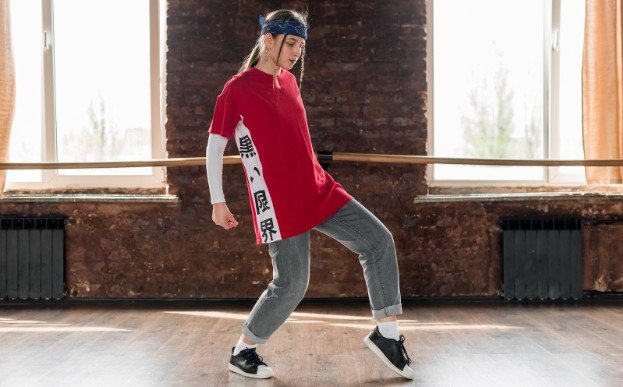
Beginners should start simple. A fitted top, leggings, bare feet or grip socks, water bottle, towel, and knee pads cover most needs. You do not need expensive dancewear immediately.
As you train more, you may add half soles, better knee protection, warm-up layers, recovery tools, and audition-ready outfits. Advanced dancers often build a kit around their body, studio floor, and performance needs.
How To Choose Gear Based On Studio Floors
Not every studio floor feels the same. Marley floors usually support barefoot work well. Wood floors may feel smooth but can become slippery. Hard floors can make knee pads more important.
Before buying foot gear, ask your teacher what the studio allows. Some studios avoid outdoor shoes completely. Others may allow socks, foot paws, or half soles depending on class style.
Frequently Asked Questions
1. What Is The Most Important Gear For A Beginner?
The most important items are fitted stretch clothing, a water bottle, hair ties, and knee pads. These help you move safely, stay focused, and handle basic floorwork.
2. Do Contemporary Dancers Need Shoes?
Not always. Many dancers go barefoot, but grip socks, half soles, or foot thongs may help with turns, floor texture, or comfort.
3. How Often Should I Replace Dance Gear?
Replace gear when it loses grip, support, stretch, or comfort. Worn socks, thin knee pads, and loose clothing can affect movement quality.
4. What Is Included In Essential gear for contemporary dancers?
It includes flexible clothing, barefoot or grip options, knee pads, warm-up layers, a towel, water bottle, hygiene items, and a well-packed dance bag.
My Final Take Before You Pack Your Bag
I learned that contemporary dance gear should feel useful, not fancy. The goal is to move with confidence, protect your body, and remove distractions before class starts. Once I packed smarter, I stopped worrying about sore knees, loose clothing, and missing basics.
For me, essential gear for contemporary dancers comes down to freedom, safety, and preparation. Start with the basics, adjust as your training grows, and choose gear that supports the way your body moves.