If you’ve ever watched ballroom dancers glide across the floor and wondered what is dancesport culture, you’re not alone. I had the same question when I first stepped into a studio—intimidated by the outfits, the rules, and the precision.
Here’s the truth: DanceSport culture isn’t just about perfect steps or winning medals. It’s a lifestyle that blends art, discipline, and social connection. And yes, you can start as a complete beginner without feeling out of place.
One big concern I hear? “Do I need years of training before I even try?” Not at all. You just need curiosity and a willingness to learn.
What Is DanceSport Culture Really Like Day-to-Day?
When I first experienced DanceSport culture, I expected constant competition. Instead, I found a routine that felt almost like a lifestyle habit.
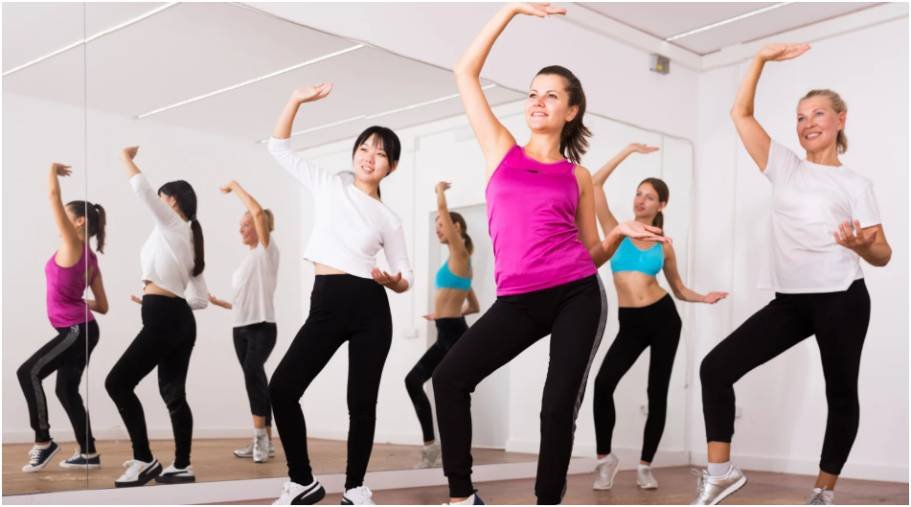
You walk into a studio, warm up, practice drills, and then work with a partner. There’s structure, but also creativity. You’re not just memorizing steps—you’re learning how to move with music and another person.
Over time, this routine shapes your mindset. You become more disciplined, more aware of posture, and even more confident in social situations.
Why Do People Get So Invested in DanceSport Culture?
It goes deeper than dancing. DanceSport culture creates a strong sense of belonging.
You meet people from different backgrounds, yet everyone shares the same goal—improving together. I’ve seen beginners become confident performers simply because the environment supports growth.
There’s also a mental shift. You start focusing on details like timing, balance, and expression. That level of awareness carries into daily life—better focus, better posture, even better communication.
How Competitive Is DanceSport Culture?
Let’s be honest—it can get intense. But it doesn’t have to be right away.
At the competitive level, dancers train for years. Judges look at everything: timing, footwork, posture, musicality, and presentation. It’s similar to sports like figure skating.
But here’s what most beginners miss: you don’t start there. You begin with basics, social dancing, and small practice routines. Competition becomes an option, not a requirement.
Why Do Costumes and Presentation Matter So Much?
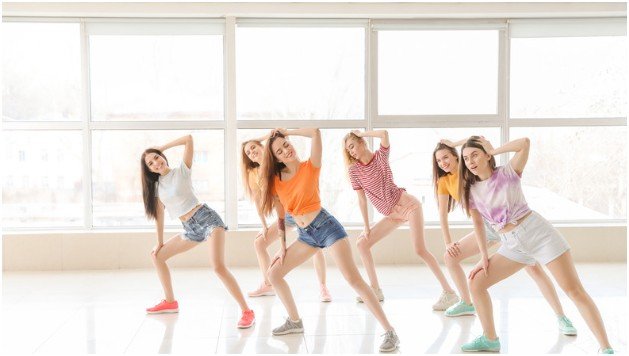
The first time I saw a DanceSport competition, I couldn’t ignore the outfits. Tailcoats, sparkling dresses, dramatic makeup—it felt theatrical.
That’s intentional. DanceSport culture values visual storytelling. Your appearance helps express the music and enhances performance.
Even as a beginner, you’ll notice small things like grooming and posture matter. It’s not about looking perfect—it’s about respecting your partner and the dance.
DanceSport vs Social Dancing: What’s the Difference?
This is where most beginners get confused. I did too.
DanceSport vs social dancing comes down to purpose and structure.
DanceSport focuses on precision, routines, and performance for judges. Social dancing focuses on connection, fun, and improvisation.
If you’re curious about how dance styles spread globally, you must know about why swing dance became popular worldwide—it shows how social dancing evolves differently from competitive forms.
Here’s a simple breakdown:
| Feature | DanceSport | Social Dancing |
| Goal | Compete & perform | Enjoy & connect |
| Structure | Choreographed | Improvised |
| Partner | Usually fixed | Rotating partners |
| Training | Intense & technical | Relaxed & flexible |
| Atmosphere | Formal | Casual |
What Are the Unspoken Rules in DanceSport Culture?
This part surprised me the most.
There’s a strong etiquette system. For example, you never blame your partner for mistakes. You smile, adjust, and keep going.
More experienced dancers often invite beginners to dance. That simple act builds confidence and keeps the community welcoming.
Then there’s something called “floorcraft.” You learn to move around others without collisions. It sounds small, but it’s a skill that shows respect and awareness.
What’s the Biggest Mistake Beginners Make?
Trying to be perfect too soon.
I’ve seen people quit because they think they’re not “good enough.” But DanceSport culture rewards consistency, not perfection.
Focus on small improvements. One better step, one smoother turn, one stronger connection with your partner—that’s how progress happens.
How To What Is DanceSport Culture
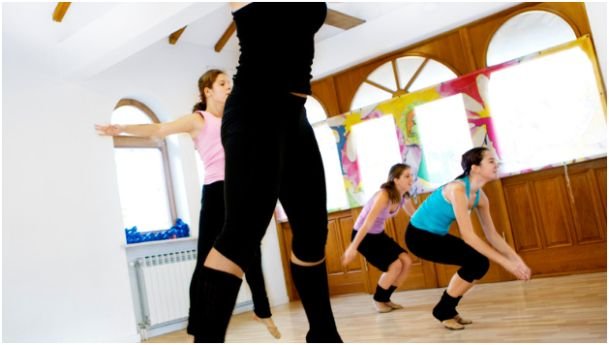
Start by stepping into a beginner-friendly class where the focus is on basic movement and partner connection rather than perfection. When you enter the space, observe how dancers interact—notice the respect, the structure, and the rhythm of the session.
As you begin practicing, pay attention to posture and timing instead of memorizing long routines. I found that repeating simple patterns helped me build confidence faster than trying complex choreography.
Next, engage with the community. Dance with different partners, ask questions, and watch more experienced dancers. This is where you truly experience DanceSport culture—not just through steps, but through shared energy.
Finally, decide your path. You can stay in the social space or gradually move into competitive training. Both are valid, and your journey can evolve over time.
FAQs About What Is DanceSport Culture
1. Is DanceSport culture only for professionals?
Not at all. Beginners are a huge part of the community. Most people start with zero experience and learn gradually through classes and practice.
2. How long does it take to get good at DanceSport?
You’ll see improvement within weeks, but mastering technique can take years. Progress depends on consistency, not talent alone.
3. Do I need a fixed partner to start?
No. Many classes rotate partners so you can learn faster and build confidence before choosing a regular partner.
4. Is DanceSport expensive to learn?
It can be, especially at competitive levels. But beginner classes are usually affordable and a great way to start without big commitment.
So… Is DanceSport Culture Worth It?
If you’re still wondering what is dancesport culture, think of it as more than dance—it’s a lifestyle that builds discipline, confidence, and connection.
You don’t need to be perfect. You just need to show up.
My personal tip? Focus on enjoying the process. The moment you stop worrying about mistakes, your dancing—and your confidence—will grow faster than you expect.