That first dance class moment when everyone suddenly starts moving to a new partner can feel confusing, even a little chaotic. Learning how partners switch in dancing helped turn that confusion into confidence, and it quickly became one of the most enjoyable parts of the experience rather than something to worry about.
What Is How Partners Switch In Dancing
This concept becomes easy once you understand the purpose behind it.
Why Partner Rotation Exists
In most partner dances, rotating isn’t random. It’s designed to help dancers improve faster by adapting to different styles and energy levels. Relying on one partner can limit growth, while variety builds real skill and awareness.
Where You’ll See It Most Often
You’ll commonly notice dance partner rotation in group classes, workshops, and social dance events. Each setting has its own rhythm and rules, but the core idea remains the same. Move, connect, and continue dancing with someone new.
How Partners Switch In Dancing In Classes
Classes follow a structured system that keeps everything smooth and organized.
The Rotational System Explained
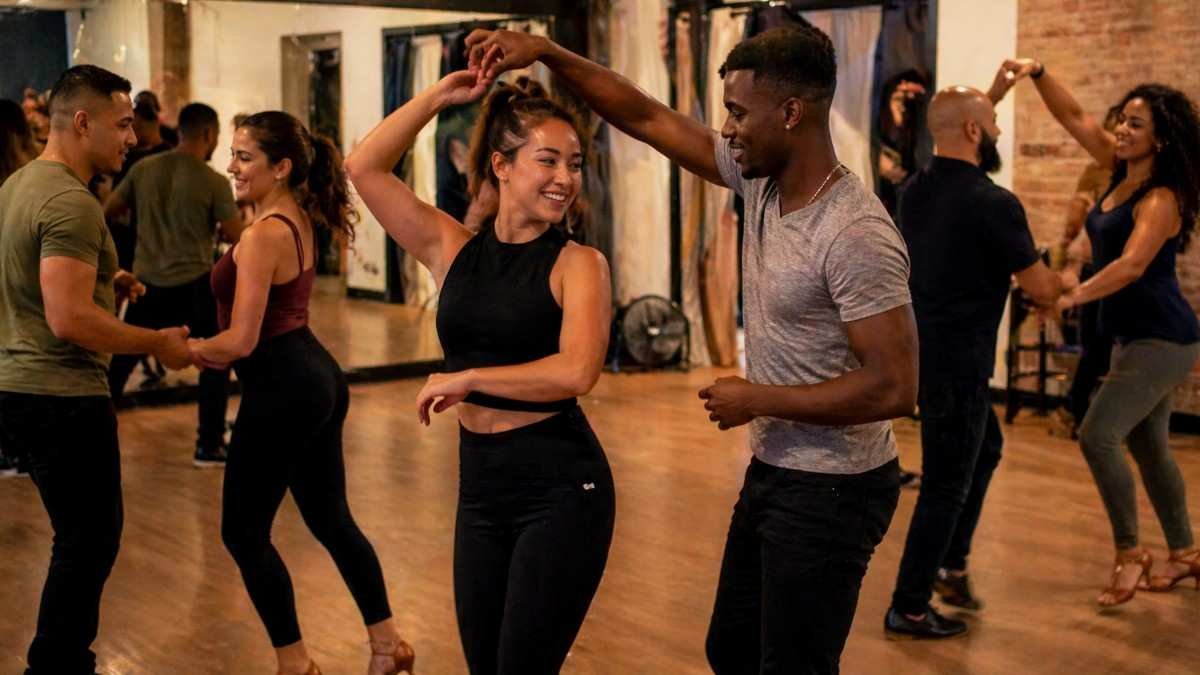
In most classes, dancers form a loose circle or lines. When the instructor signals, one group, usually the leads, moves one position to the next partner. This predictable pattern keeps switching partners in dance class efficient and stress free.
Couples And Opt-Out Choices
Some couples prefer to stay together. Many instructors allow this, but they often encourage rotation because dancing with multiple partners prevents bad habits and improves adaptability.
Why Classes Use This Method
Structured rotation ensures equal practice time. Everyone gets the chance to dance, learn, and adjust to different partners, which builds stronger technique over time.
How Partners Switch In Dancing Step By Step
Once you know the flow, the process feels completely natural and you can ask for a salsa dance.
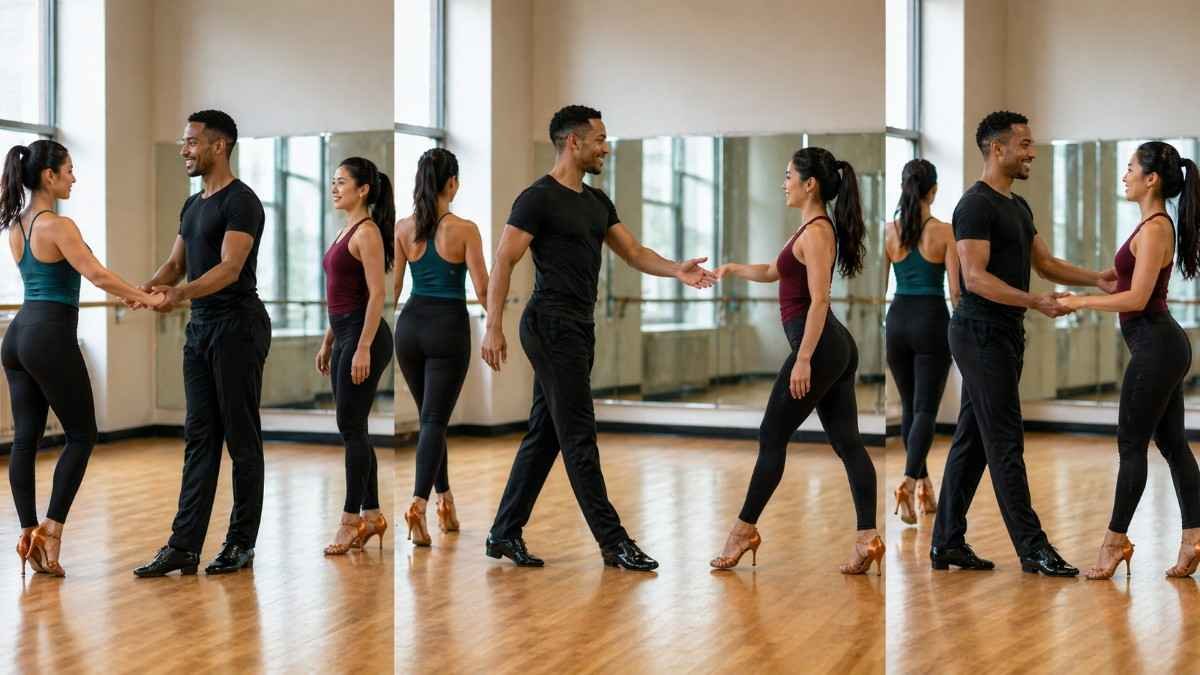
During a class or guided session, the instructor signals a change, often by voice or a pause in music. Dancers gently release their current partner without hesitation. A simple smile or nod keeps the transition friendly and smooth.
Next, dancers move to the next position in the rotation. This is usually a small step to the side, following the group’s direction. Staying aware of movement around you helps avoid confusion and keeps the energy flowing.
When you meet your new partner, a quick greeting and eye contact create instant comfort. Reset your dance frame and begin again. Over time, this rhythm becomes second nature, and how partners switch in dancing starts to feel effortless.
In Social Settings How Partners Switch While Dancing
Social dancing introduces more flexibility and personality.
Standard Social Etiquette
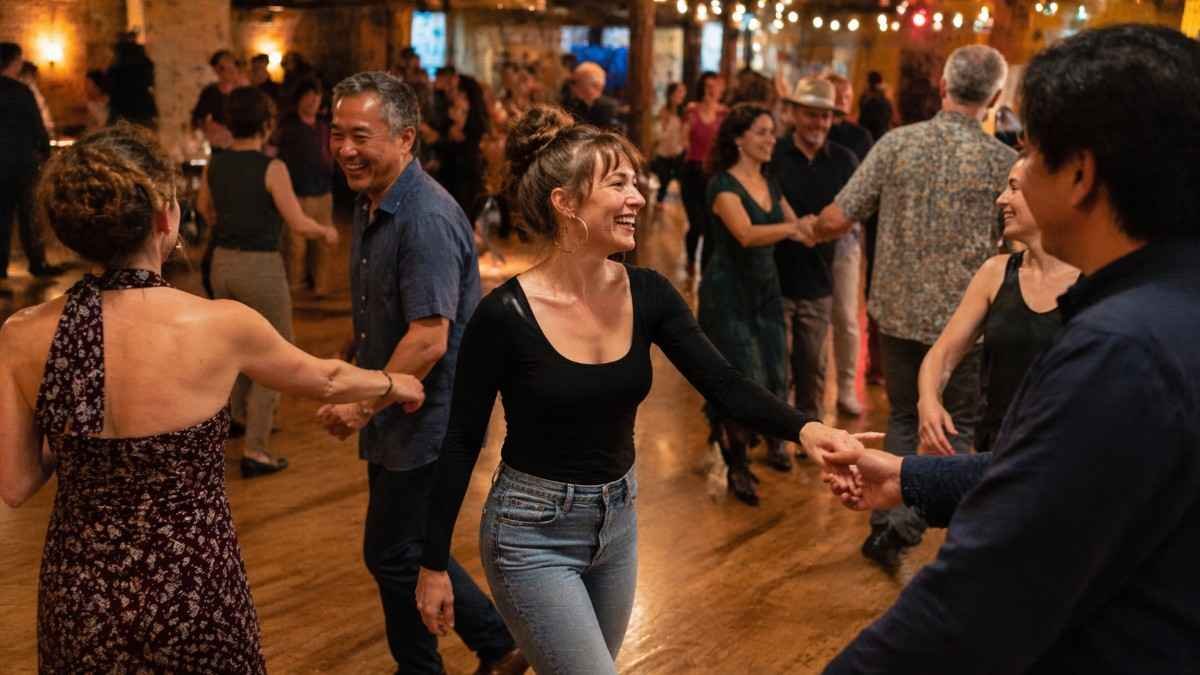
In many places, dancers switch partners after one song. In some regions, two things are common. The goal is to meet new people while keeping the experience enjoyable and relaxed.
Mixer Dances And Group Rotations
Some social events include structured mixers. In concentric circle setups, two circles move in opposite directions and pair up when music stops. In square dance traditions like the Grand Right and Left, dancers rotate continuously until a signal tells them to stop and dance with whoever they face.
Cutting In And Spontaneous Changes
At times, a dancer may politely join an ongoing pair, especially when there is an imbalance in roles. This keeps the floor active and ensures more people get to dance.
Partners Switch In Dancing For Role Reversal
Modern dance styles add another interesting twist.
What Switch Dancing Means
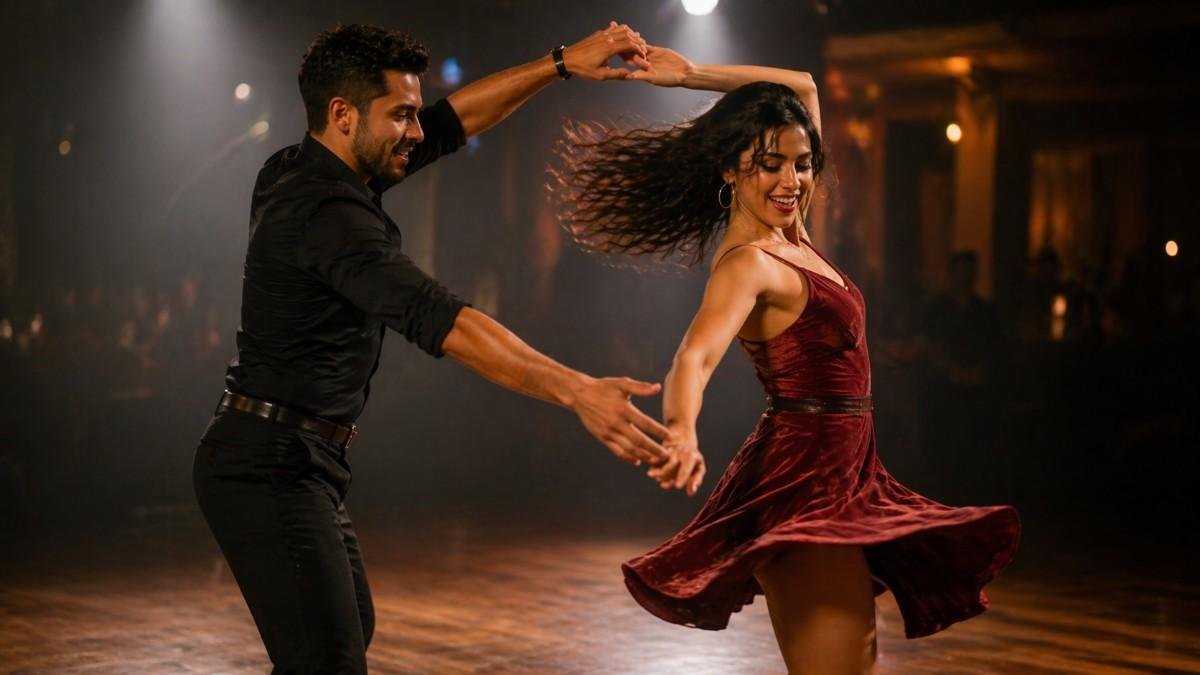
In styles like salsa and swing, switching can also mean changing roles. A leader becomes a follower and vice versa during the same dance, creating a dynamic and playful experience.
Hand-Off Technique
A smooth way to switch roles is through a hand-off. The leader subtly adjusts their frame or hand position to invite the other dancer to take control of the movement.
Stealing The Lead
Sometimes a follower may take the lead by using momentum or tension to guide the dance. This works best when both dancers are comfortable and aware of each other’s cues.
How Partners Switch In Dancing During Performances
Professional settings bring precision and choreography into the mix.
Choreographed Transitions
In performances, partner changes are planned in advance. Dancers may pass one partner to another during a sequence, creating seamless visual flow.
Multi Partner Routines
Some routines involve multiple partner switches within a single piece. This requires strong timing, awareness, and trust between dancers.
Stage Coordination And Timing
Unlike social dancing, these switches rely on exact timing and rehearsal. Every movement is intentional and contributes to the storytelling of the performance.
Common Mistakes In Dance Partner Rotation
Avoiding these helps you feel confident much faster.
Hesitating During Rotation
Pausing too long can break the flow. Moving with the group, even if unsure, keeps everything smooth.
Forgetting Basic Courtesy
Skipping a greeting or avoiding eye contact can make things awkward. A simple acknowledgment goes a long way.
Holding On Too Long
Not releasing your partner on time disrupts the system. Timing matters just as much as technique in switching partners in dance class.
Benefits Of Learning How Partners Switch In Dancing
This skill improves more than just your dancing.
Faster Learning Curve
Dancing with different partners exposes you to varied styles, helping you adjust quickly and refine your technique.
Stronger Social Confidence
Regular interaction builds comfort in social settings. Over time, meeting new partners feels natural and enjoyable.
Better Musical Connection
Adapting to different partners improves your timing and responsiveness to music, making your dancing more expressive.
Frequently Asked Questions
1. What dance do you change partners?
Most partner dances like salsa, swing, and ballroom include rotation, especially in classes and social events.
2. Why do dancers say 5 6 7 8 instead of 1 2 3 4?
It gives dancers time to prepare and start on the correct beat with proper timing.
3. Who was Baryshnikov’s favorite dance partner?
Mikhail Baryshnikov often performed with Gelsey Kirkland, one of his most notable partners.
4. Can dancing lower cholesterol?
Yes, dancing is a cardiovascular activity that can support heart health and may help reduce cholesterol levels.
Partners Switch In Dancing Becomes Fun Over Time
Once it clicks, everything feels easier and more enjoyable. At first, the idea of rotating partners may feel uncomfortable. With practice, it becomes a natural rhythm that adds variety and excitement to dancing. The constant change keeps every interaction fresh and engaging.
Understanding how partners switch in dancing opens the door to better skills, stronger connections, and more confidence on the dance floor. What once felt awkward soon becomes one of the best parts of the entire experience.