
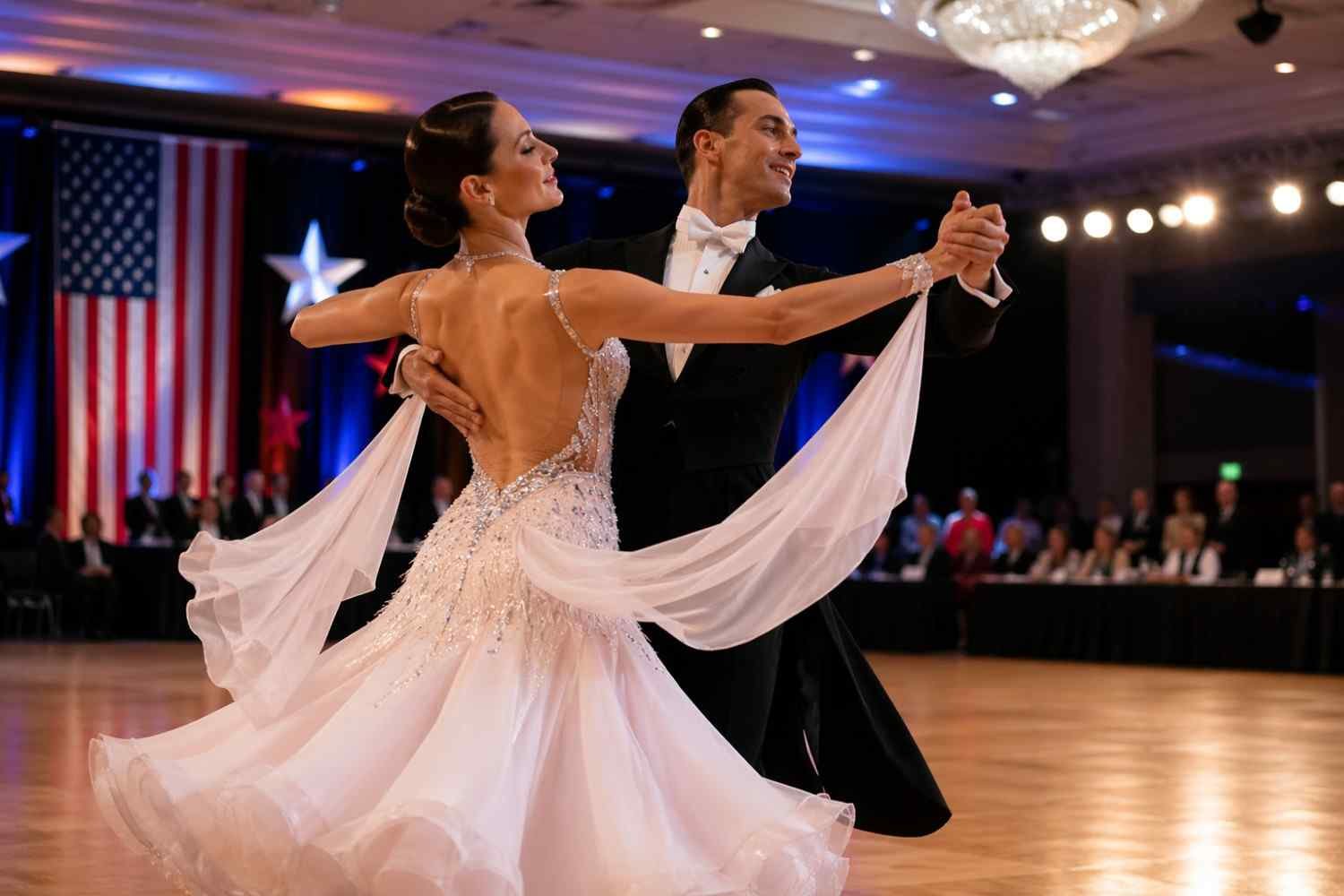
Stepping onto a ballroom competition floor feels completely different from practicing in a studio. The environment changes everything. The lights, the judges, the other couples moving around you, it all adds pressure that you simply can’t recreate during practice. Even if your routine feels perfect in rehearsal, competition brings out a different kind of challenge.
I’ve seen dancers who perform flawlessly in class struggle the moment the music starts in a real setting. Not because they lack skill, but because confidence, timing, and presence shift under pressure. These ballroom dance competition tips focus on what actually helps when you’re in that moment, not theory, but what works when it counts.
Building Confidence That Doesn’t Collapse Mid-Performance
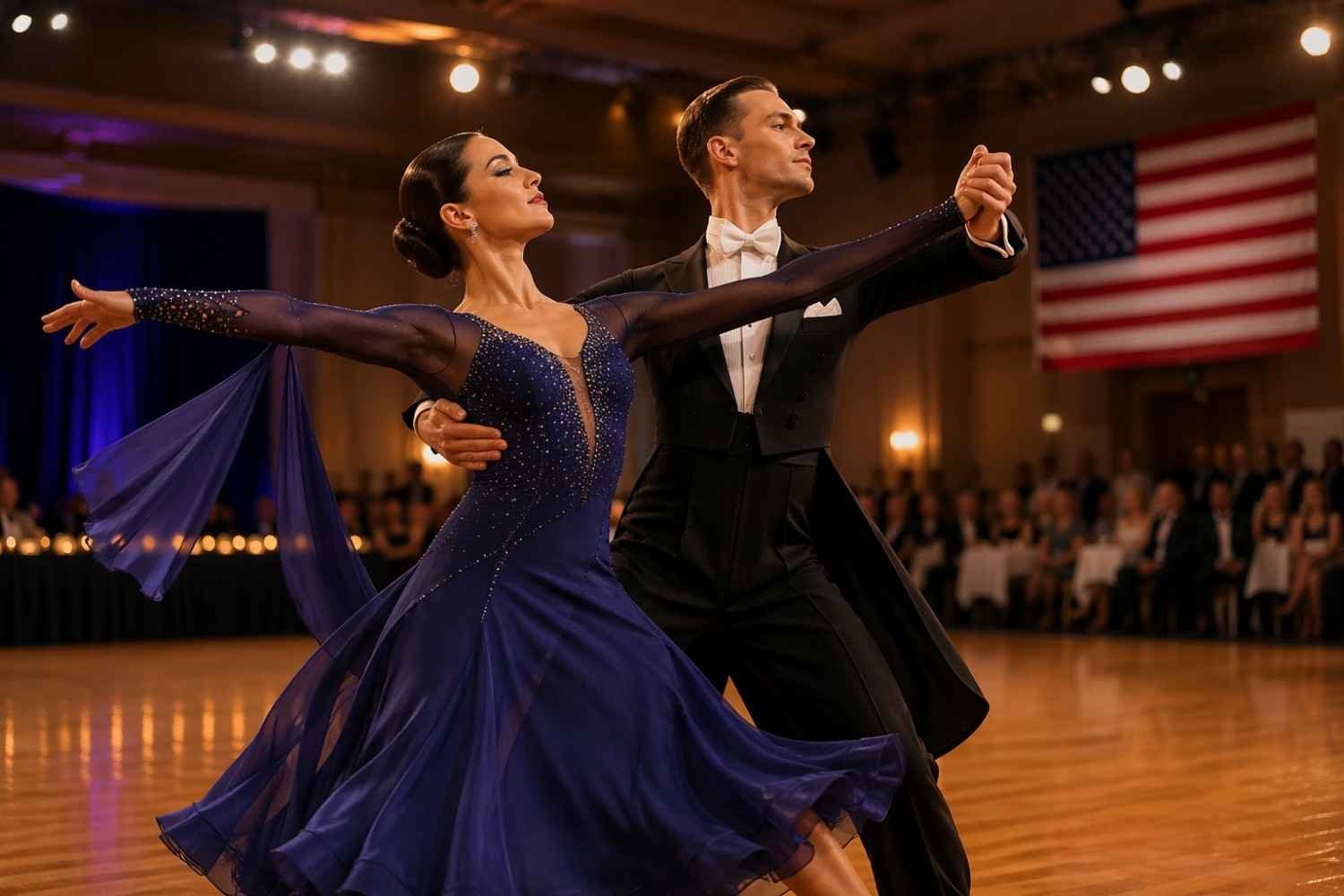
Confidence in ballroom dancing is often misunderstood. It’s not about feeling fearless. It’s about trusting your preparation enough that your body takes over when your mind starts racing.
One of the biggest mindset shifts is how you approach practice. Repeating steps until they look good is not enough. You need to reach a point where your routine feels automatic, even when you’re distracted or nervous.
A few habits that genuinely help:
- Practice until your choreography feels like muscle memory
- Spend a few minutes visualizing your performance daily
- Use controlled breathing techniques before stepping onto the floor
- Wear a costume that feels secure and aligned with your dance style
Visualization is especially powerful. When you mentally rehearse your routine, your brain begins to treat it as a familiar situation. That familiarity reduces panic and builds a quieter, more stable confidence.
If nerves still show up, and they usually do, shifting into a performance mindset can help. Some dancers perform better when they amplify their personality slightly, becoming more expressive, more confident, more present than they normally feel. That shift can carry your energy through the performance.
Timing: The Subtle Factor That Judges Notice Immediately
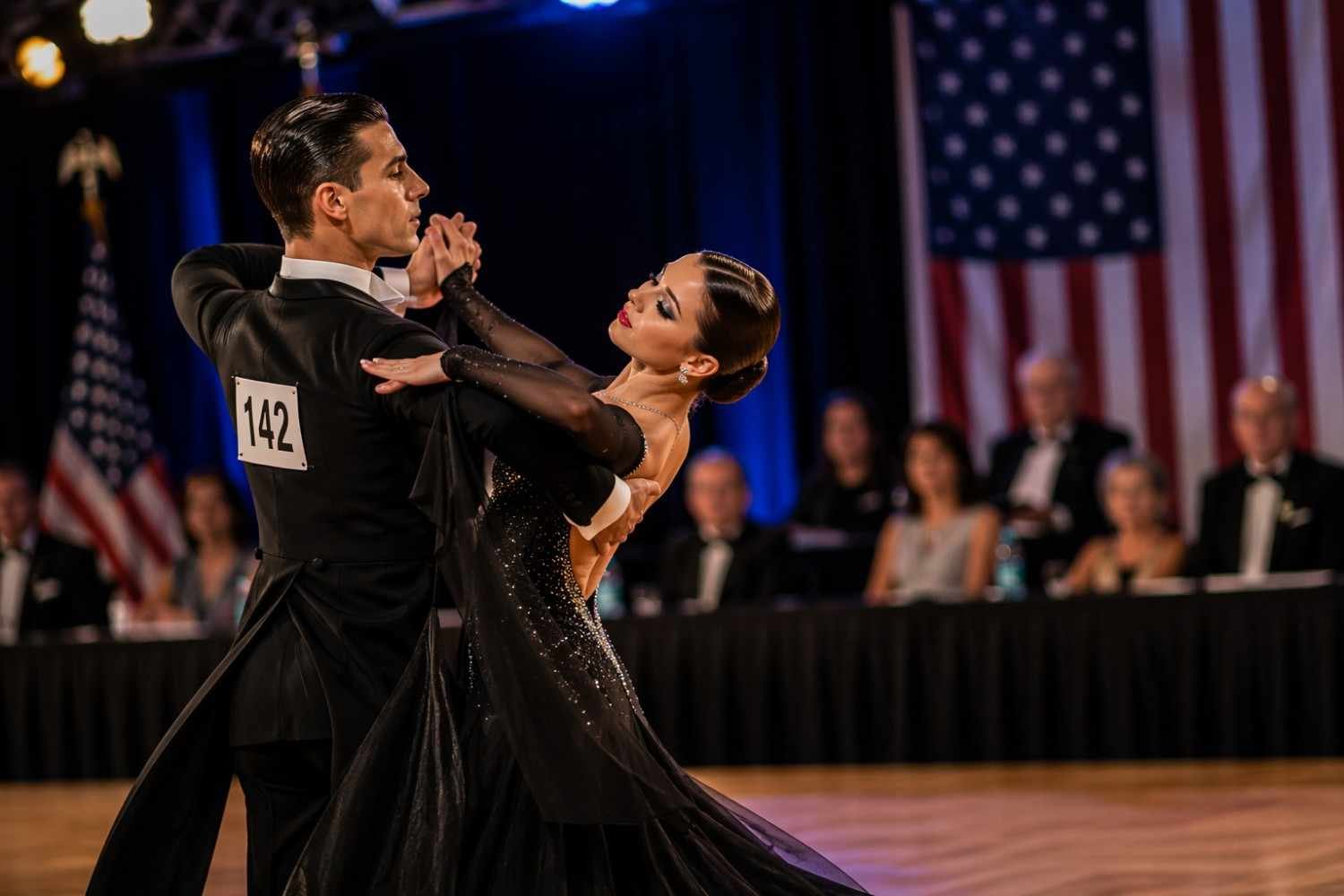
Timing is one of the first things that separates a strong performance from an average one. Even small inconsistencies can make your dancing look disconnected from the music.
Improving timing requires more than just counting beats during practice. It’s about developing a deeper connection with the music so your movements feel naturally aligned.
Here’s what actually works:
- Practice your routine at slower speeds to refine control
- Try slightly faster tempos to build responsiveness
- Count your steps out loud while rehearsing
- Record your practice sessions and review them critically
Another underrated method is simply listening to your music without dancing. When you can clearly identify the structure of the music and recognize the primary beat, your body responds more naturally when you perform, especially when practicing across different modern ballroom dance styles where musicality varies significantly.
Timing also becomes more difficult in competition because of distractions from other dancers, floor traffic, and nerves. That’s why practicing with variation prepares you better than repeating the same routine at one speed.
Presence: What Makes Judges Remember You
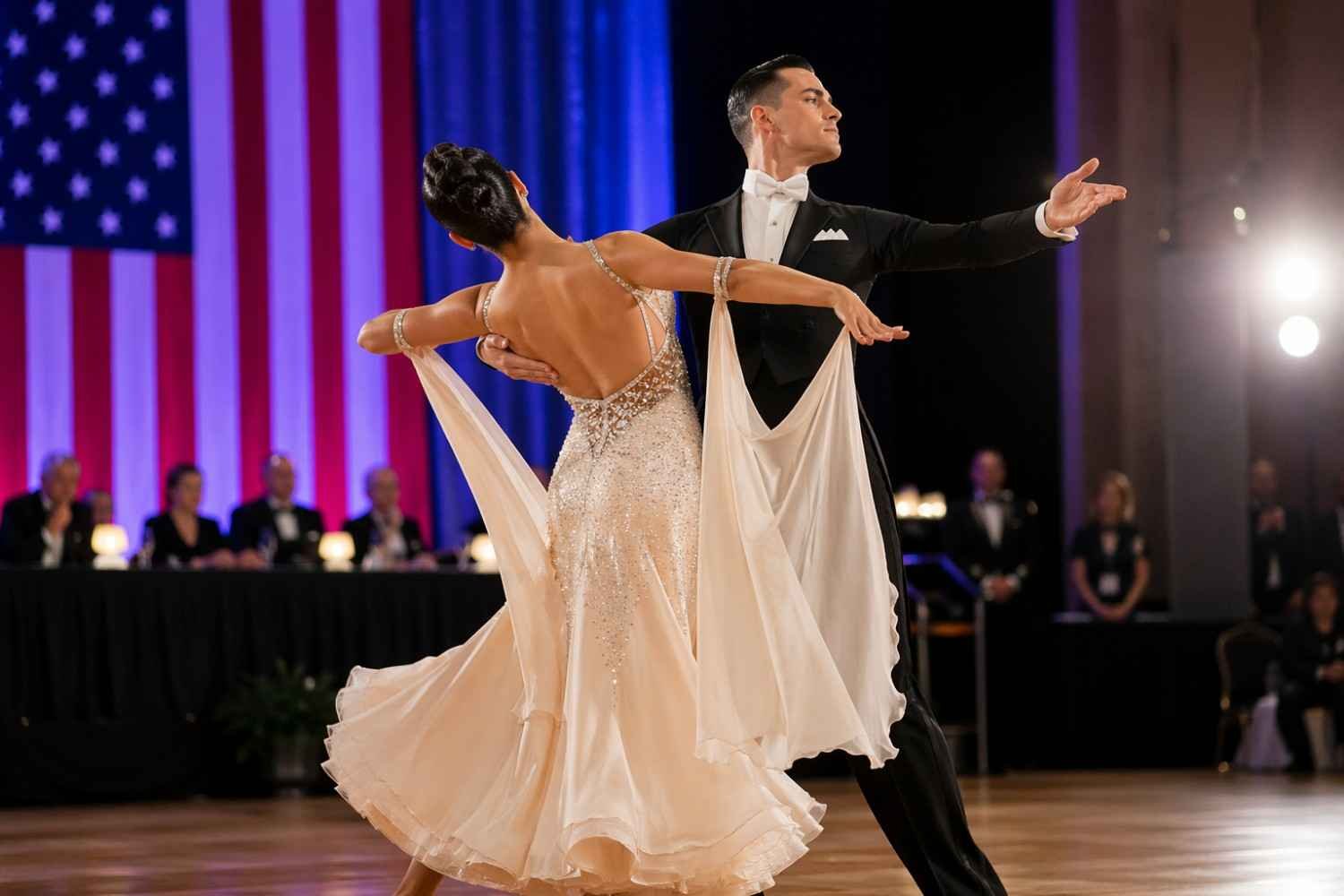
Presence is often the deciding factor between dancers with similar technical ability. It’s what makes one performance stand out even if both routines are equally clean.
Presence begins before you even start dancing. The way you walk onto the floor, hold your posture, and carry your energy creates an immediate impression.
Strong presence comes down to small, intentional choices:
- Maintain a lifted posture with relaxed shoulders
- Keep your focus outward instead of looking down
- Stay expressive throughout the routine, not just during highlights
- Use subtle eye focus instead of a blank expression
One of the most overlooked aspects of presence is recovery. Mistakes happen in almost every competition. What matters is how you handle them.
If you miss a step, don’t stop or react visibly. Continue moving, stay in character, and keep your expression consistent. A smooth recovery often looks more professional than a technically perfect but emotionally flat performance.
Presence also includes how you move around the floor. In crowded rounds, you need to adapt without breaking your flow. Small adjustments, like controlled pauses or redirections, help maintain continuity without drawing attention to disruptions.
Competition Day: Keeping It Simple When It Matters Most
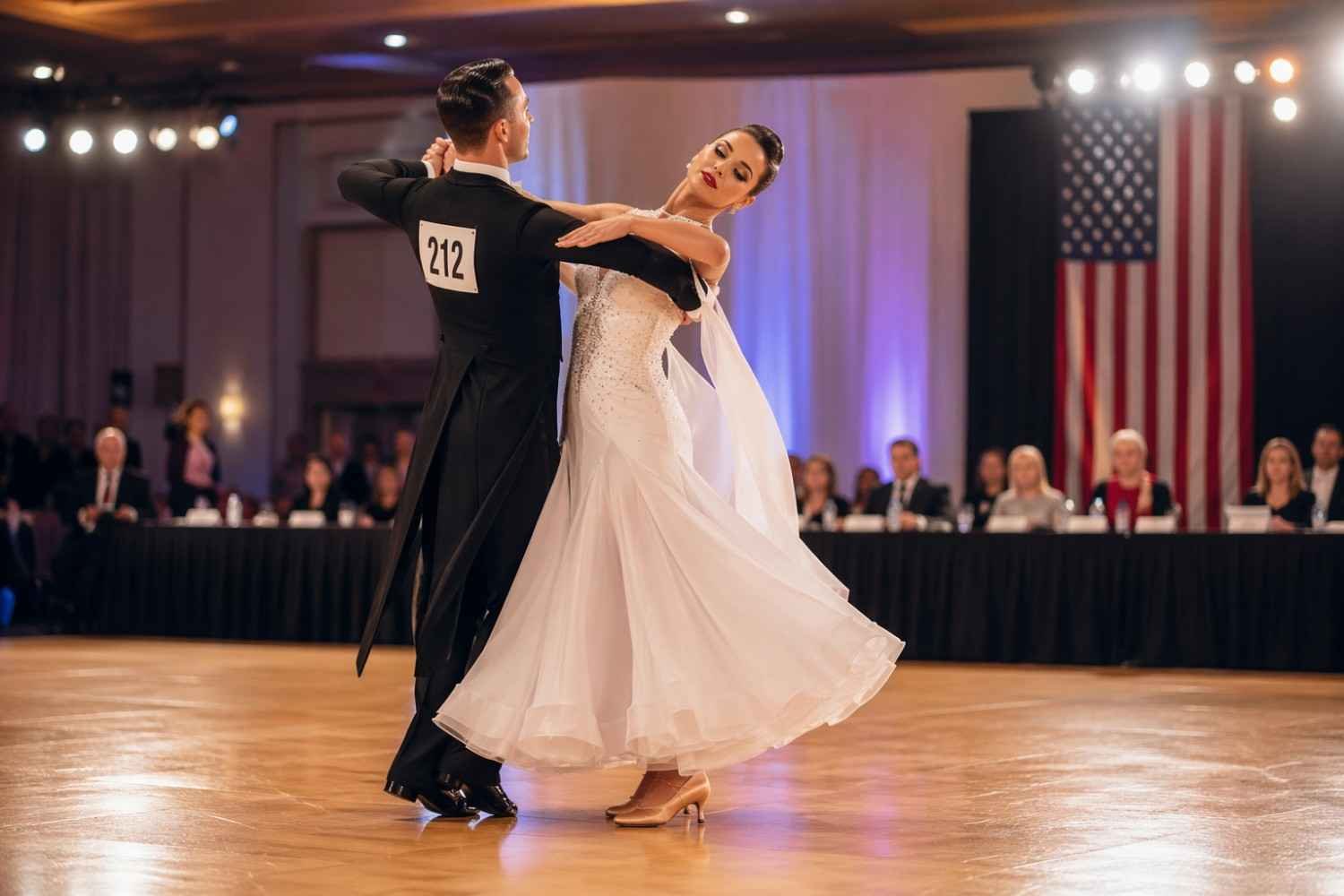
On competition day, it’s easy to overthink everything. That’s where most dancers lose control.
Instead of trying to fix multiple things at once, focus on a few key elements:
- Stay consistent with your timing
- Maintain your posture throughout
- Keep your presence strong from start to finish
Everything else should already be part of your preparation. Trust your training and let your body do its job.
The goal is not perfection. It’s stability under pressure.
Frequently Asked Questions: Ballroom Dance Competition Tips To Improve Confidence, Timing, And Presence
1. How do I build confidence for a ballroom dance competition?
Confidence comes from preparation and repetition. Visualization, consistent practice, and managing nerves through breathing techniques all help create a more stable mindset.
2. How can I improve my timing in dance competitions?
Practice with different tempos, count your steps out loud, and listen to your music separately. Recording and reviewing your practice also helps refine timing.
3. What do judges focus on in ballroom competitions?
Judges look at timing, posture, technique, partner connection, and overall presentation. Presence and confidence often influence the overall impression.
4. What should I do if I make a mistake during my performance?
Continue dancing without reacting. Stay composed and maintain your expression. A confident recovery often leaves a stronger impression than stopping.
Wrapping Note: What Actually Improves Over Time
Every competition teaches you something different. Sometimes it’s about timing, sometimes it’s about handling pressure, and sometimes it’s just about staying present in the moment.
Confidence, timing, and presence are not built overnight. They develop through experience, repetition, and learning how to stay composed when things don’t go exactly as planned.
Keep showing up, keep refining, and let each performance push you forward.