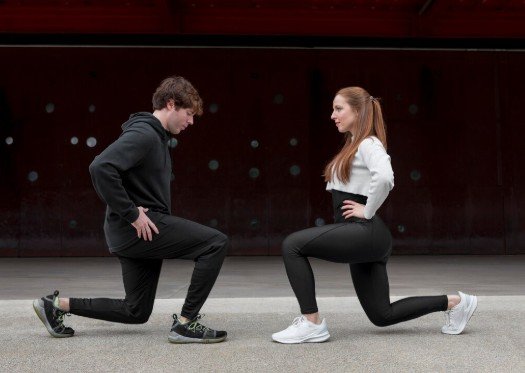
Starting DanceSport training can feel overwhelming at first, especially with so many dance styles, techniques, and training methods to consider. However, the process becomes much easier when you follow a structured approach.
DanceSport combines athletic performance with artistic expression, requiring not only rhythm and coordination but also strength, stamina, and discipline. Whether your goal is to dance socially or compete professionally, building a strong foundation from the beginning is essential.
DanceSport is generally divided into two main categories: Standard dances such as Waltz and Tango, and Latin dances such as Cha-Cha and Rumba. As a beginner, you don’t need to master everything at once. The key is to start with fundamentals and gradually build your skills over time.
Find the Right Instructor or Studio
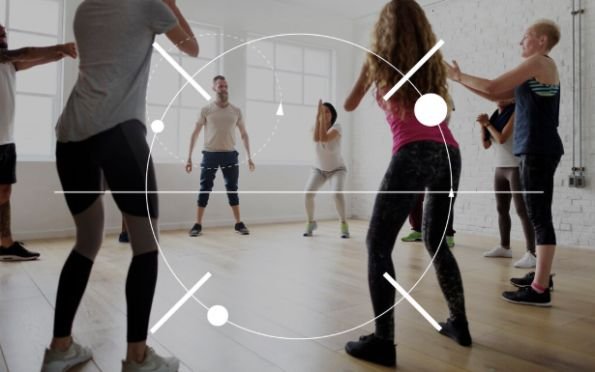
The first step in your DanceSport journey is finding proper guidance. A qualified instructor or a reputable dance studio can make a significant difference in how quickly and correctly you learn. Beginners are usually encouraged to start with group classes because they provide a structured environment, help you understand basic concepts, and allow you to learn alongside others at a similar level.
When choosing a studio or coach, look for instructors who specialize in ballroom and Latin dance. A good instructor will focus on technique, posture, and musicality rather than just teaching steps. As you progress, you can consider taking private lessons to refine your technique and receive personalized feedback.
Learning from the right source ensures that you build correct habits from the beginning, which is crucial for long-term improvement.
Master the Basic Techniques First
Before attempting advanced routines, it is essential to master the basic movements that form the foundation of DanceSport. These include steps like the box step, triple steps, and rock steps, which are common across many dance styles.
Equally important is understanding how your body moves. Beginners should focus on:
- Proper posture and alignment
- Smooth weight transfer from one foot to another
- Maintaining balance and control
- Understanding rhythm and timing
For example, in ballroom dancing, the frame (how you hold your upper body and connect with your partner) plays a crucial role. In Latin dances, body action and hip movement are key elements. Developing these fundamentals early will make learning more complex movements much easier later on.
Build a Consistent Practice Routine
Consistency is one of the most important factors in becoming a good dancer. Practicing regularly helps reinforce what you learn in class and builds muscle memory. As a beginner, you don’t need long training sessions—15 to 30 minutes of focused practice each day is enough to see progress.
During practice, focus on:
- Repeating basic steps slowly and correctly
- Practicing both ballroom and Latin styles
- Paying attention to timing and musicality
- Improving posture and balance
It is better to practice correctly for a short time than to repeat mistakes for hours. Quality always matters more than quantity in dance training.
Learn Both Standard and Latin Styles
DanceSport includes a variety of styles, but beginners should aim to get familiar with both Standard and Latin categories. Standard dances like Waltz and Tango focus on smooth, flowing movements and strong partner connection. Latin dances such as Cha-Cha and Rumba emphasize rhythm, body action, and expressive movements.
Learning both styles helps you become a well-rounded dancer. It also improves your adaptability, as each style develops different skills. For example, Standard dancing improves posture and frame, while Latin dancing enhances rhythm and body coordination.
Exploring multiple styles early on also helps you discover which ones you enjoy the most.
Use Video Recording to Improve Faster
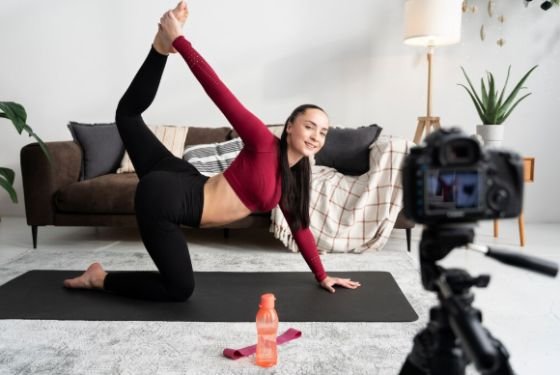
One of the most effective ways to improve your dancing is by recording your practice sessions. Watching yourself on video allows you to identify mistakes that you might not notice while dancing.
When reviewing your recordings, pay attention to:
- Posture and alignment
- Timing with the music
- Foot placement and precision
- Overall movement quality
This self-analysis helps you track your progress and make corrections more effectively. Many advanced dancers use this method regularly to refine their technique.
Prepare Your Body for DanceSport
DanceSport is physically demanding, so preparing your body is just as important as learning steps. A well-rounded training routine should include cardio, strength, and flexibility exercises.
Cardio training improves stamina, allowing you to perform longer routines without fatigue. Strength training builds muscle support for better balance and control. Flexibility exercises improve your range of motion and help prevent injuries.
A simple fitness routine can include:
- cardio workout for dancers
- Core exercises for stability
- Stretching for flexibility
- Strength exercises for legs and posture
Being physically prepared will make your dance training more effective and enjoyable.
Dress and Train Like a Dancer
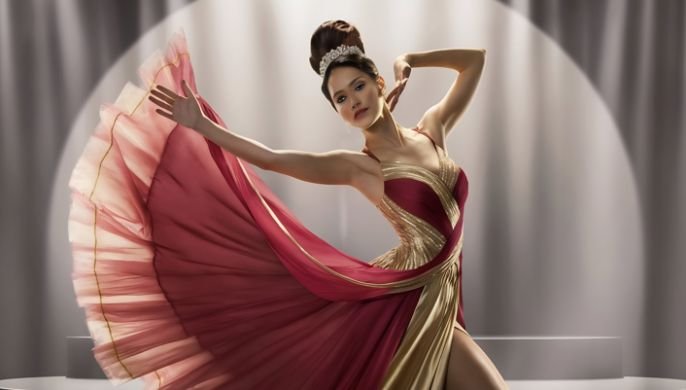
Wearing the right clothing and shoes can improve both comfort and performance. Choose loose, comfortable clothing that allows free movement. Proper dance shoes are especially important because they provide the right support, grip, and flexibility.
Training in appropriate attire also helps you develop confidence and get used to the feel of performing. It may seem like a small detail, but it can make a noticeable difference in your overall experience.
Prepare for Future Competitions
If your goal is to compete, it’s important to start thinking about performance early in your training. Look for studios that offer beginner competition teams or structured training programs. These programs focus on choreography, technique, and presentation.
Competition training also teaches discipline, stage presence, and mental focus. Even if you don’t plan to compete immediately, training with this mindset can accelerate your progress and improve your confidence.
Common Beginner Mistakes to Avoid
Starting DanceSport can come with challenges, and avoiding common mistakes can save you time and frustration.
Some common mistakes include:
- Focusing only on steps instead of technique
- Practicing inconsistently
- Ignoring posture and body alignment
- Rushing into advanced routines too quickly
- Not taking feedback seriously
Being patient and focusing on fundamentals will help you build a strong foundation for long-term success.
FAQs
Why do dancers say 5 6 7 8 instead of 1 2 3 4?
Dancers often count “5 6 7 8” as a lead-in to the music. This prepares the body and mind before starting the actual steps on “1.” It helps maintain rhythm and ensures everyone begins together.
Can dance lower blood pressure?
Yes, regular dancing can help improve cardiovascular health, which may contribute to lowering blood pressure. It combines physical activity with stress relief, both of which are beneficial for overall health.
How to become a trained dancer?
To become a trained dancer, you need consistent practice, proper instruction, and a focus on technique. Start with basic training, take regular classes, practice daily, and gradually progress to advanced levels. Discipline and patience are key.
What are the 7 elements of dance?
The seven elements of dance are body, action, space, time, energy, relationship, and movement. These elements define how dance is structured and performed, helping dancers express ideas and emotions through motion.
Build Your DanceSport Journey with Confidence
Starting DanceSport training is an exciting journey that combines creativity, fitness, and discipline. By focusing on the right fundamentals, practicing consistently, and training your body effectively, you can build a strong foundation and improve steadily over time.
Remember that progress in dance does not happen overnight. Stay patient, stay consistent, and enjoy the process. With the right approach, you will not only become a better dancer but also gain confidence, fitness, and a deeper appreciation for the art of DanceSport.