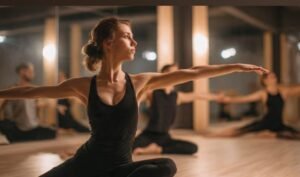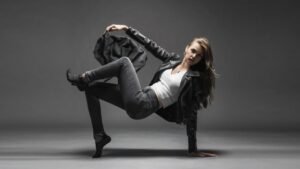
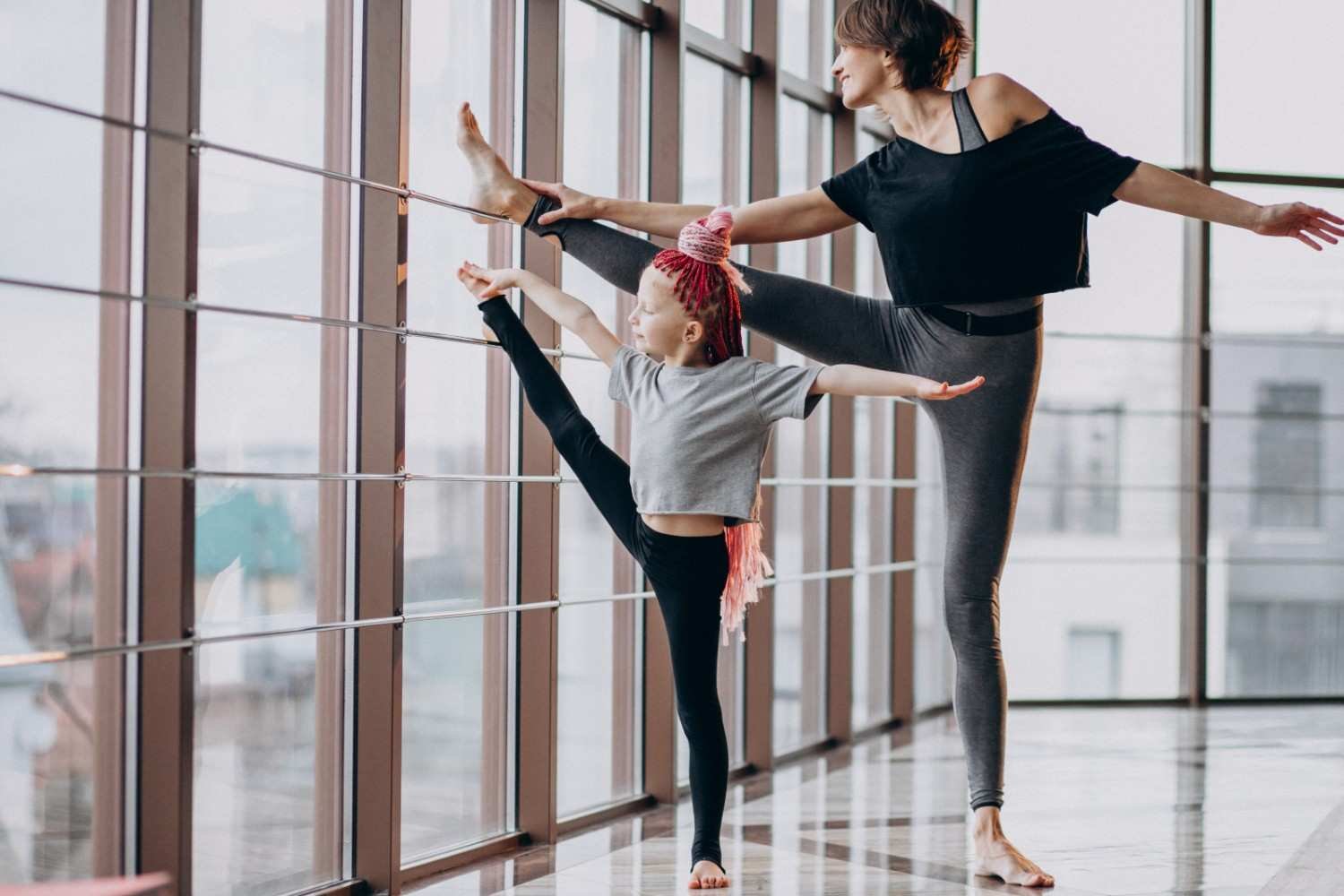
I still remember walking into my first dance class feeling completely out of place. I avoided eye contact, stood in the back, and hoped no one would notice me. But over time, something shifted. I didn’t just learn steps—I started to feel more comfortable in my own skin. That’s when I realized how powerful it is to build confidence through dance.
If you feel nervous, awkward, or unsure where to start, you’re not alone. Dance has a way of transforming not just how you move, but how you think, carry yourself, and interact with others. The process combines physical learning, emotional expression, and social connection in a way few activities can.
Why Dance Builds Confidence Faster Than Most Activities
Dance creates confidence from the inside out. Instead of forcing positive thinking, it changes your body first. As you move, your posture improves, your awareness increases, and your comfort level grows.
I noticed that once I started standing taller and moving with intention, people responded to me differently. That external feedback reinforced my internal confidence.
Dance also creates consistent small wins. Every mastered step, improved rhythm in dance, or completed routine proves that you are capable. Over time, those small wins reshape how you see yourself.
How To Build Confidence Through Dance Step By Step
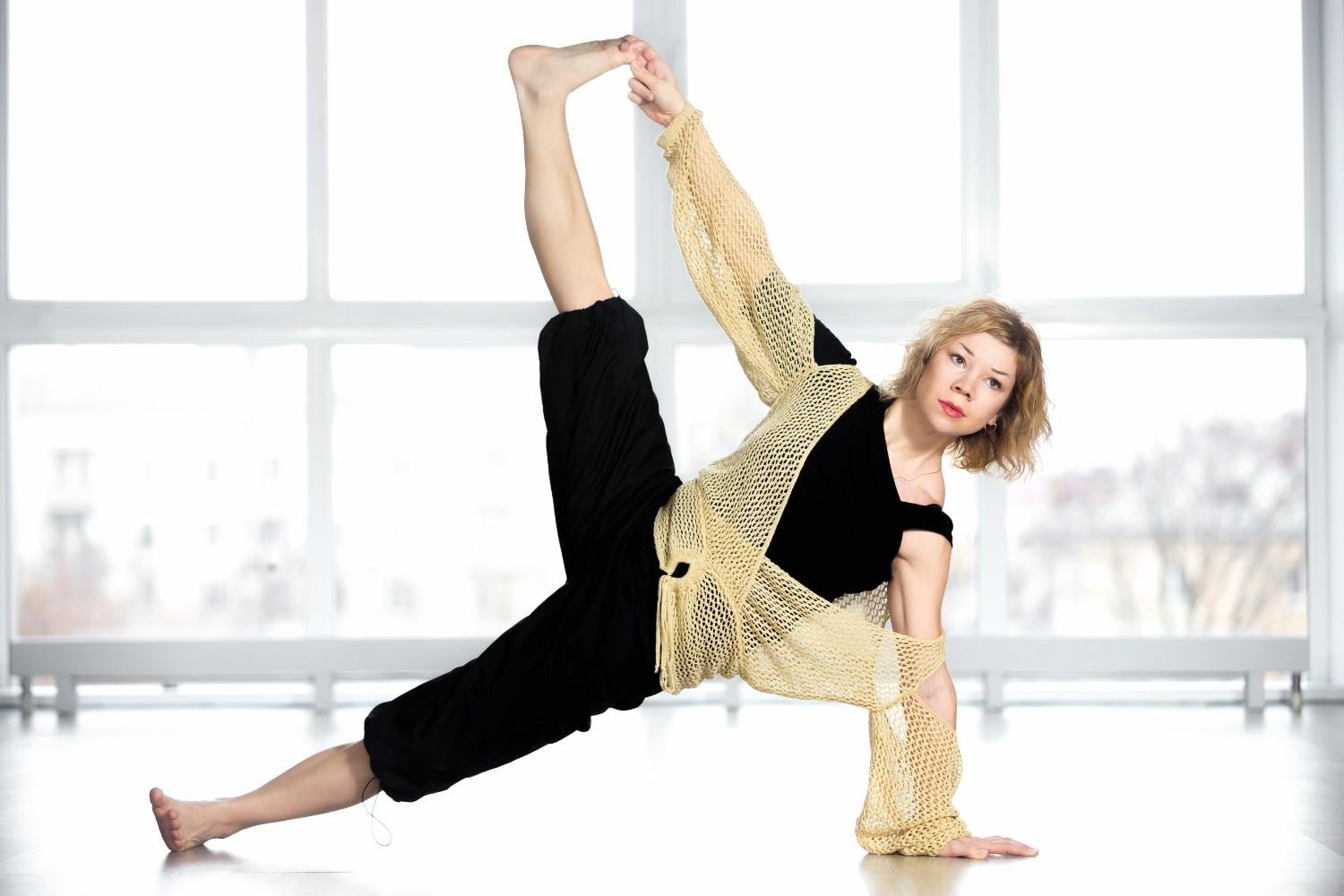
Confidence in dance doesn’t come from talent. It comes from repetition, awareness, and the willingness to start small.
The first step is embracing your beginner status. When I stopped trying to look “good” and focused on learning, everything became easier. Starting with simple styles like salsa or ballroom helped because they rely on repeatable patterns.
Mastery builds self-belief. Each time you learn a new turn or sequence, you gain evidence that you’re improving. That proof matters more than motivation.
Consistency is what turns effort into confidence. Practicing even 15 minutes a day builds muscle memory and reduces hesitation. Over time, your body starts responding automatically, and that removes the fear of messing up.
How Dance Helps You Connect With Your Body
One of the biggest shifts I experienced was becoming more aware of my body. Dance feels like meditation in motion. You start noticing how you stand, move, and respond to music.
Posture plays a major role here. Standing upright with relaxed shoulders and an open chest doesn’t just improve technique—it directly impacts how confident you feel. I didn’t realize how much my posture affected my mindset until I corrected it.
Another important change is learning to take up space. Instead of shrinking or hiding, dance encourages you to move fully and freely. That physical expansion naturally leads to a stronger mental presence.
Using Dance As A Tool For Self-Expression
Dance gives you permission to express yourself without words. At first, I copied moves exactly as taught. But over time, I started adding my own style.
That shift made a huge difference. Confidence grew when I stopped trying to be perfect and started being authentic.
If you feel shy, one trick that works surprisingly well is stepping into a persona. Think of it as playing a confident version of yourself. This removes pressure and helps you move more freely.
Dance also provides emotional release. Whether it’s excitement, stress, or frustration, channeling it into movement creates a sense of relief and clarity.
Overcoming Fear, Mistakes, And Self-Doubt
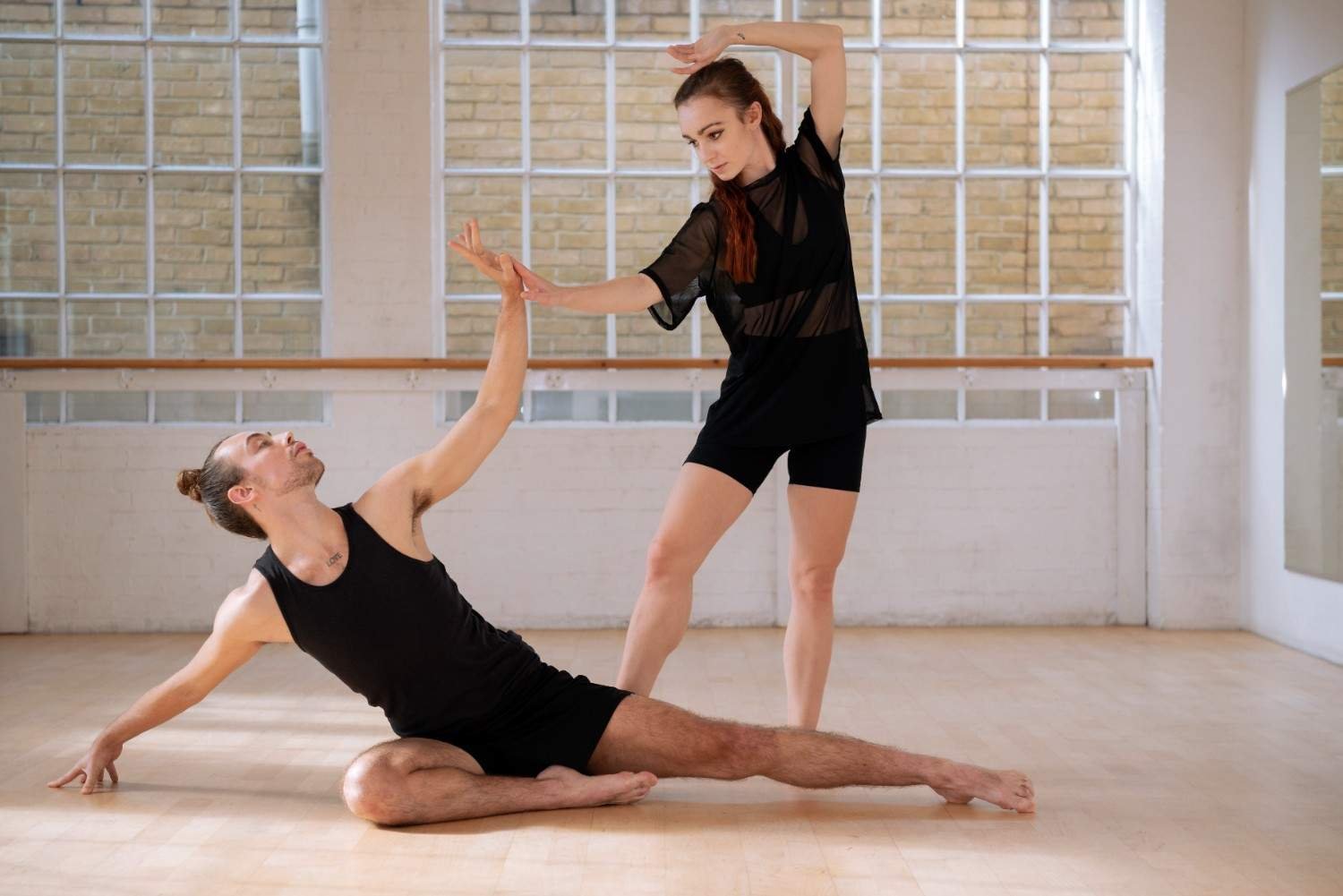
Fear is part of the process, especially in the beginning. I used to stop every time I made a mistake, which only made me more self-conscious.
What changed everything was learning to keep going. Mistakes are not failures—they’re part of learning. When you continue dancing despite them, you build resilience.
Recording your practice can also accelerate growth. Watching myself helped me see progress objectively instead of relying on self-criticism.
Gradually stepping out of your comfort zone is key. Dancing in front of others—even in a small class setting—helps you get used to being seen. Over time, that fear fades.
The Power Of A Supportive Dance Community
Confidence doesn’t grow in isolation. One of the biggest boosts came from being around people who were learning just like me.
Dance classes naturally create a supportive environment. Everyone is improving together, which removes pressure and builds connection.
Having people who encourage you, celebrate your progress, and share the experience makes a huge difference. It reinforces the belief that you belong.
Best Dance Styles That Help Build Confidence
Different dance styles develop confidence in unique ways.
Hip-hop encourages boldness and individuality, helping you in finding courage to be bold and express yourself without overthinking.
Salsa and ballroom improve social confidence by teaching connection, timing, and partner interaction.
Contemporary dance focuses on emotion and storytelling, helping you connect movement with feeling.
Choosing a style that matches your personality makes the process more enjoyable and sustainable.
How Dance Improves Confidence Beyond The Studio
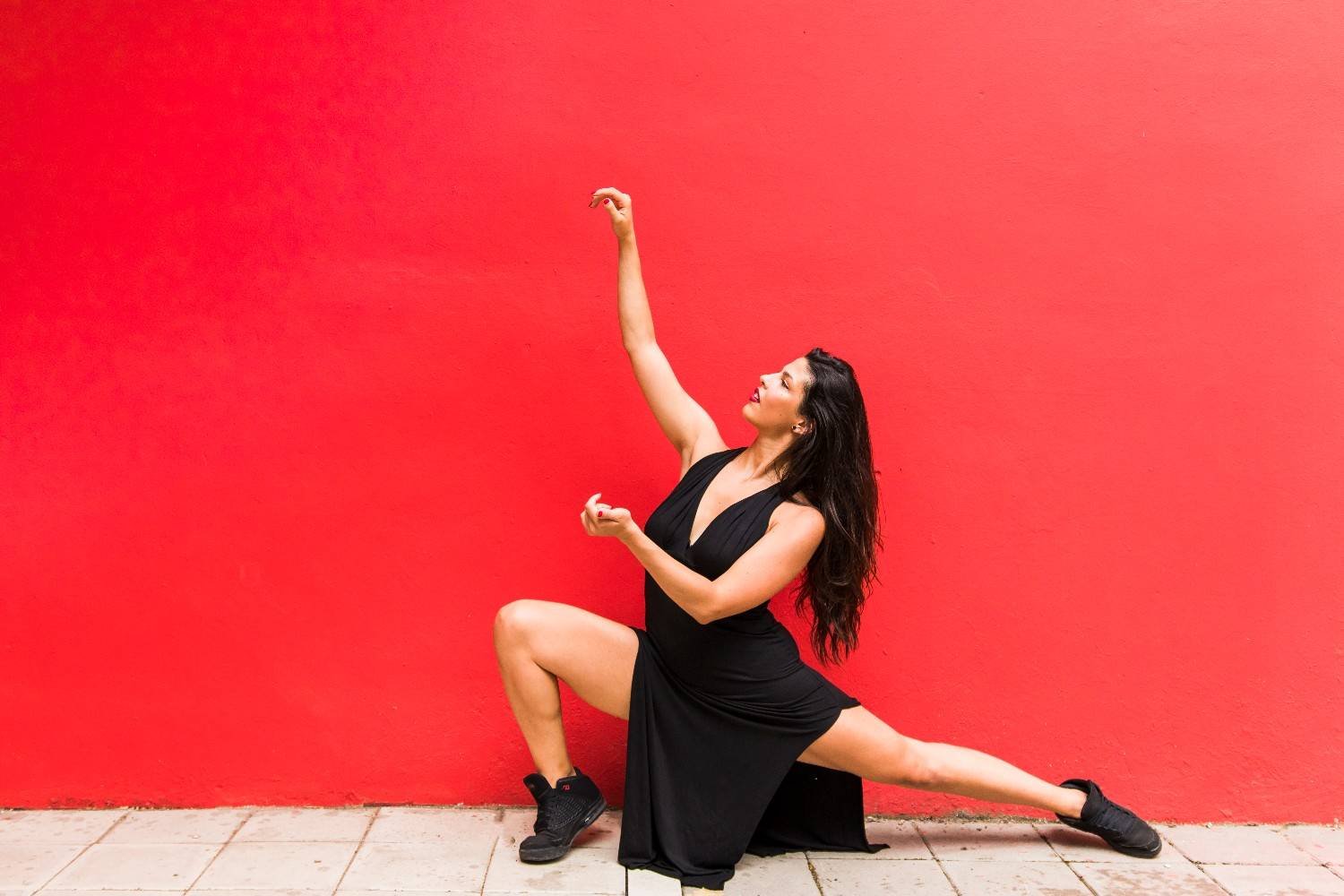
What surprised me most was how dance impacted my life outside class. I became more comfortable speaking to new people, more aware of my body language, and more confident in social settings.
Dance trains awareness. You learn to control movement, respond to rhythm, and stay present. Those skills translate directly into everyday interactions.
When you consistently build confidence through dance, it doesn’t stay limited to the dance floor—it becomes part of who you are.
FAQs About Build Confidence Through Dance
1. Can beginners really build confidence through dance?
Yes. Beginners often see the biggest improvements because every small success builds self-belief quickly.
2. What if I feel awkward in dance class?
That’s completely normal. Focus on learning, not being perfect. Everyone starts at the same place.
3. How often should I practice to gain confidence?
Consistency matters more than duration. Even short daily sessions can create noticeable progress.
4. Do I need a partner to start dancing?
No. Many classes are beginner-friendly and include solo practice or rotating partners.
The Real Change You’ll Notice
Looking back, I didn’t become confident because I mastered dance. I became confident because I kept showing up, even when I felt uncomfortable—something I now see as one of the most powerful beginner dance training tips.
That’s the real transformation. Dance teaches you to move forward despite doubt, to express yourself without fear, and to trust your own progress.
If you’re ready to build confidence through dance, start small, stay consistent, and give yourself permission to grow. That’s where the real change happens.