Walking into a salsa venue is exciting until that one moment hits where you have to make the move. The music is right, the energy is flowing, but hesitation takes over. Learning how to ask for dance salsa is not just about saying the right words. It is about reading the room, feeling confident, and making the interaction natural instead of forced.
The Fear Behind Asking
This is the real barrier most dancers struggle with before making a move.
Fear Of Rejection
The biggest hesitation often comes from the possibility of hearing no. It can feel like a judgment, especially in a social setting. In reality, most refusals are about timing, energy, or personal reasons unrelated to you.
Accepting this truth changes everything. Instead of seeing rejection as failure, it becomes part of the dance culture. Every experienced dancer has been declined many times.
Awkwardness And Overthinking
Awkwardness usually comes from overanalyzing the situation. Thinking too much about what to say or how to stand creates tension. The more natural and simple your approach, the less awkward it feels.
Confidence grows when you stop trying to be perfect and start focusing on being present. The moment becomes easier when you treat it like a normal social interaction.
Pre Ask Signals Before You Move
Before you even speak, communication has already begun on the dance floor.
Eye Contact And Connection
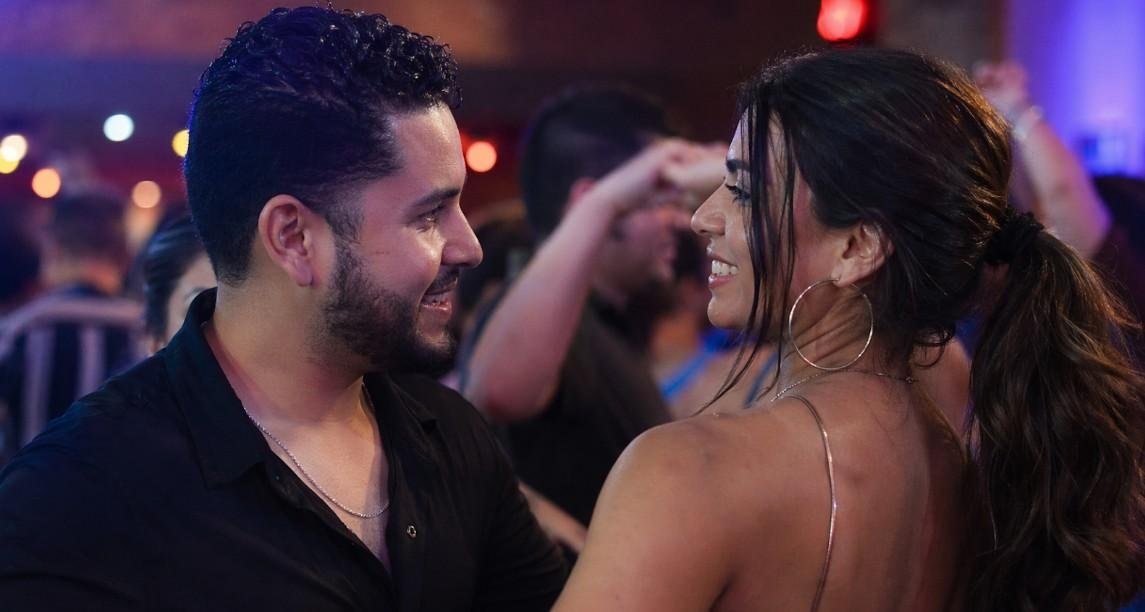
Eye contact is the first silent invitation. A quick glance followed by a smile often signals openness. If someone maintains eye contact or smiles back, it is usually a positive sign.
On the other hand, avoiding eye contact or looking distracted may indicate they are not interested in dancing at that moment. Respecting these cues improves your success rate.
Body Language Clues
Open posture, relaxed movement, and facing the dance floor are strong signs someone is ready to dance. People who are swaying to the music are often more receptive.
Closed body language like crossed arms or turning away usually means they are taking a break. Observing these details helps you approach with better timing.
Positioning And Presence
Standing near the edge of the dance floor signals availability. People sitting far away or deeply engaged in conversation are less likely to accept.
Being visible and approachable makes it easier for others to respond positively. Presence matters as much as the ask itself.
How To Ask For Dance Salsa
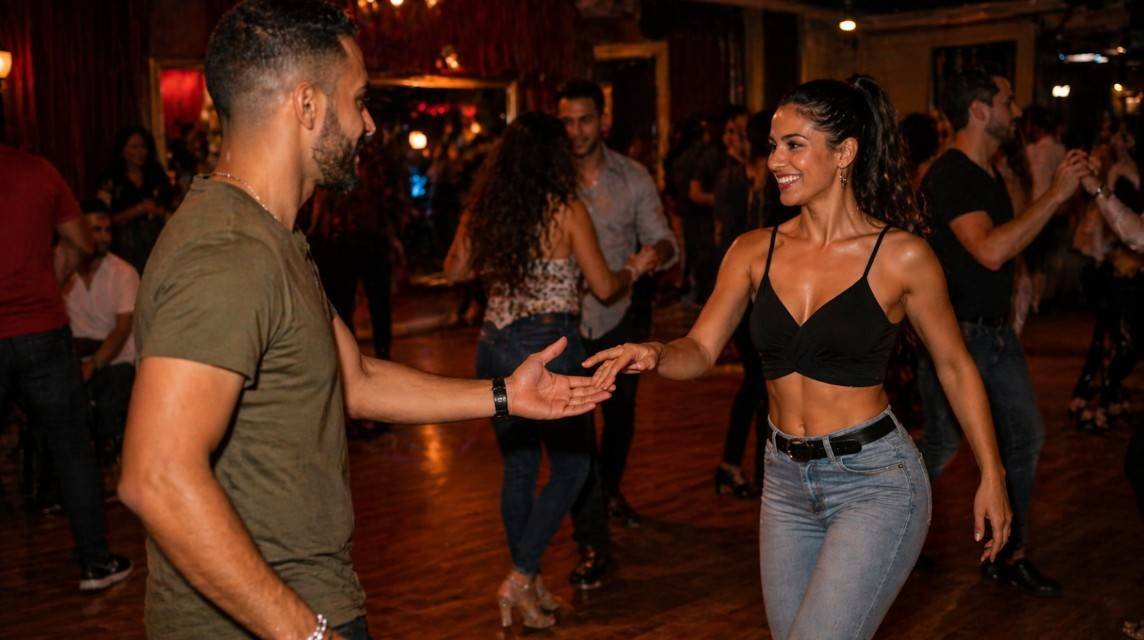
Approach calmly with relaxed shoulders and a friendly expression. Make eye contact, smile, and stand at a comfortable distance. Use a simple phrase like “Would you like to dance?” while offering your hand palm up. Keep your tone light and clear, without overexplaining. After asking, pause and give them space to respond.
If they accept, guide them smoothly to the dance floor. If they decline, smile and respond with “No problem, have a great evening.” The way you handle both outcomes shapes your overall confidence and reputation on the floor.
Scripts That Work In Real Life
Having a few variations helps you adapt to different personalities and situations.
Confident And Standard Lines
Simple and direct always works best. Phrases like “Hi, would you like to dance?” or “Would you like to join me for this song?” are clear and respectful.
These lines are widely accepted in salsa culture because they are easy to understand and create no pressure.
Playful And Stylish Approaches
Adding a bit of personality can make your ask more engaging. Saying “This song is too good to miss, shall we dance?” brings a light and fun tone.
For a cultural touch, “Hola, ¿bailamos una salsa?” adds charm while staying your authentic self. Playfulness works best when it feels natural.
Beginner Friendly And Non Verbal
If you are new, honesty builds comfort. Saying “Hi, would you like to dance? I am still learning to improve my salsa footwork though” often makes others more open.
Non verbal cues also work well. Eye contact, a smile, and extending your hand can be enough to invite someone without words.
Rejection Psychology Explained
Understanding rejection removes fear and builds emotional resilience.
Why People Say No
There are many reasons someone might decline. They could be tired, waiting for a specific partner, or simply not in the mood. It rarely reflects your ability or personality. Recognizing this helps you avoid taking it personally and keeps your confidence intact.
How To Recover Smoothly
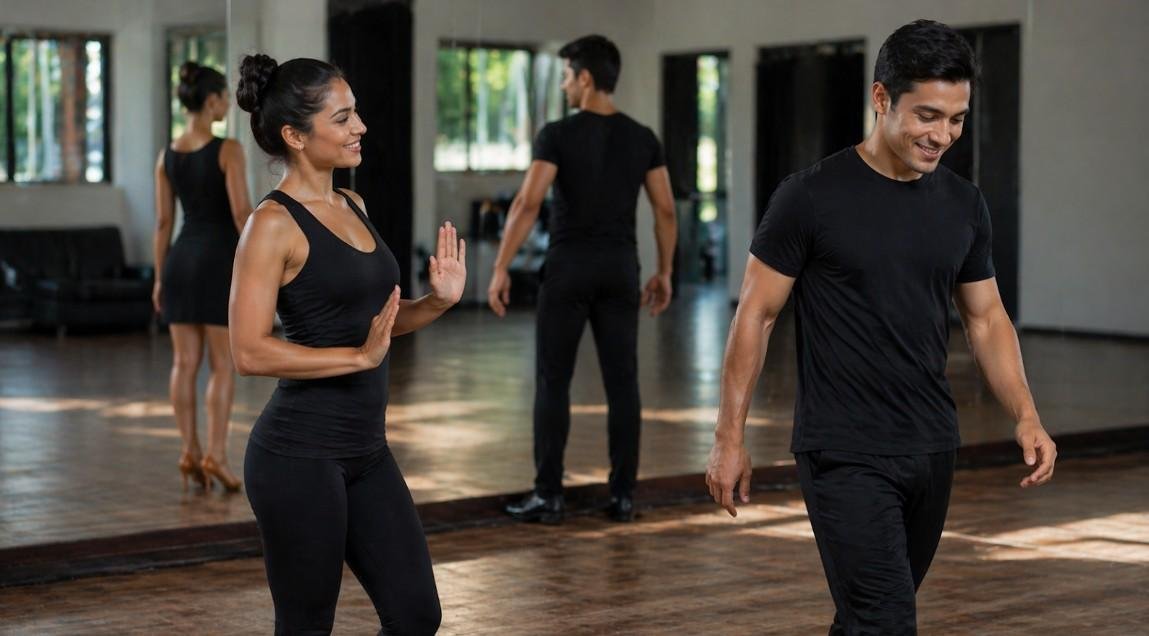
Responding gracefully is key. A simple smile and polite acknowledgment keeps the interaction positive. Walking away confidently shows maturity and respect. This approach also leaves a good impression, increasing the chances of a future yes.
Emotional Reset Strategy
Instead of dwelling on the moment, shift your focus back to the music and environment. Every attempt builds experience and reduces hesitation over time. The more you ask, the easier it becomes, and the less emotional weight each outcome carries.
Situational Tips For Every Setting
Different environments require slightly different approaches.
Club Vs Social Vs Class
In clubs, the energy is fast and spontaneous. Asking quickly and confidently works best. In social etiquette, timing matter more, so reading signals is essential. In classes, asking is expected and often structured, making it the easiest place to practice without pressure.
Asking Experienced Dancers
Keep your approach respectful and simple. Avoid long explanations and focus on clarity. Experienced dancers often appreciate confidence over perfection. They value good etiquette and smooth communication more than advanced skills.
Asking As A Beginner
Being new is not a disadvantage. Enthusiasm and respect often matter more than technique. Many dancers enjoy helping beginners improve. Being honest about your level can create a more relaxed and enjoyable experience for both.
Avoid Doing These Mistakes
Avoiding these mistakes can instantly improve your success rate.
Grabbing Instead Of Asking
Never pull or grab someone onto the dance floor. Consent is essential in salsa culture. Always ask first and wait for a clear response. Respect builds trust and ensures a comfortable environment for everyone.
Being Pushy Or Persistent
If someone declines, accept it immediately. Repeated asking or trying to convince them creates discomfort. Respecting boundaries is more important than getting a yes.
Over Talking And Over Explaining
Long explanations can make the situation awkward. Keep your ask simple and natural. Less talking allows the moment to flow better and keeps the interaction smooth.
Pro Tips To Increase Your Yes Rate
Small adjustments can make a big difference in your results.
Timing Your Ask
The best time to ask is during the first minute of a song. This feels natural and allows for a full dance experience.
Interrupting mid song or during deep conversations reduces your chances.
Reading Availability
Look for dancers who are engaged with the music and positioned near the floor. These individuals are more likely to accept.
Observing the room helps you choose the right moment and person.
Build Familiarity And Energy
Making eye contact or smiling earlier in the night creates a sense of familiarity. This makes your later ask feel more natural.
Matching the energy of the person you approach also increases comfort and connection.
Frequently Asked Questions
1. How do you politely ask for a dance?
Make eye contact, smile, and say “Would you like to dance?” while offering your hand respectfully.
2. Is salsa dancing good for arthritis?
Yes, it can improve flexibility and joint mobility when done gently and consistently.
3. What are some dance phrases?
Common phrases include “Care to dance?”, “Join me for this song?”, and “Shall we dance?”
4. Is dancing good for Parkinson’s?
Yes, dancing helps improve balance, coordination, and cognitive function.
Make Your Move With Confidence
Mastering how to ask for dance salsa is about more than words. It is about awareness, respect, and enjoying the process. Every ask builds confidence and connection on the dance floor. When you focus on timing, body language, and simplicity, the experience becomes natural and rewarding. The more you practice, the easier it gets, and soon asking becomes just another part of the dance.