I kept telling myself I just needed more discipline, but deep down, I knew the problem wasn’t me—it was the routine. The moment I stopped forcing workouts and embraced a dance fitness lifestyle, everything shifted. Movement no longer felt like a chore. It felt energizing, freeing, and something I actually looked forward to.
Instead of chasing results, I focused on showing up, even for a few minutes. That simple change made consistency effortless, and for the first time, staying active felt natural instead of forced.
What Is a Dance Fitness Lifestyle and Why It Works So Well
A dance fitness lifestyle is about making movement part of your daily rhythm instead of something you schedule and struggle to maintain. It blends cardio, coordination, and self-expression in a way that feels natural.
In the US, this approach has grown because people want flexibility. They want workouts that don’t feel repetitive or restrictive. Dance workouts deliver that by combining music, movement, and mental engagement in one session.
The reason it works is simple. You enjoy it, so you keep doing it.
How I Built a Dance Fitness Routine That Actually Stuck
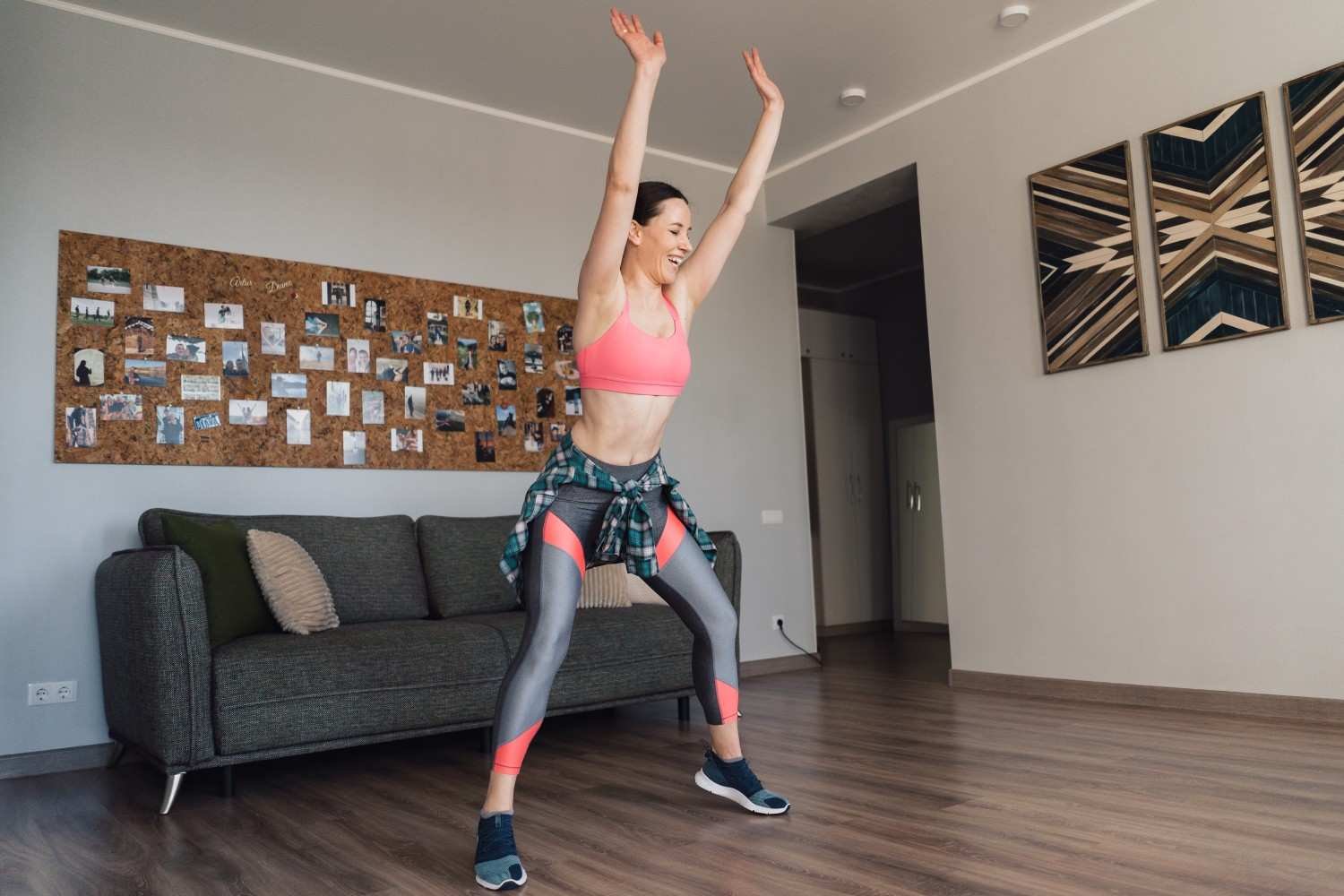
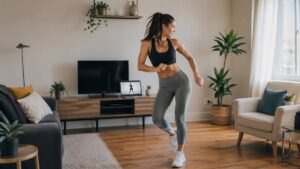
I didn’t start with a complicated plan. I made one small change that removed friction—I created a space at home dedicated to movement.
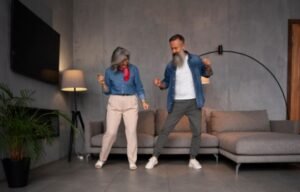
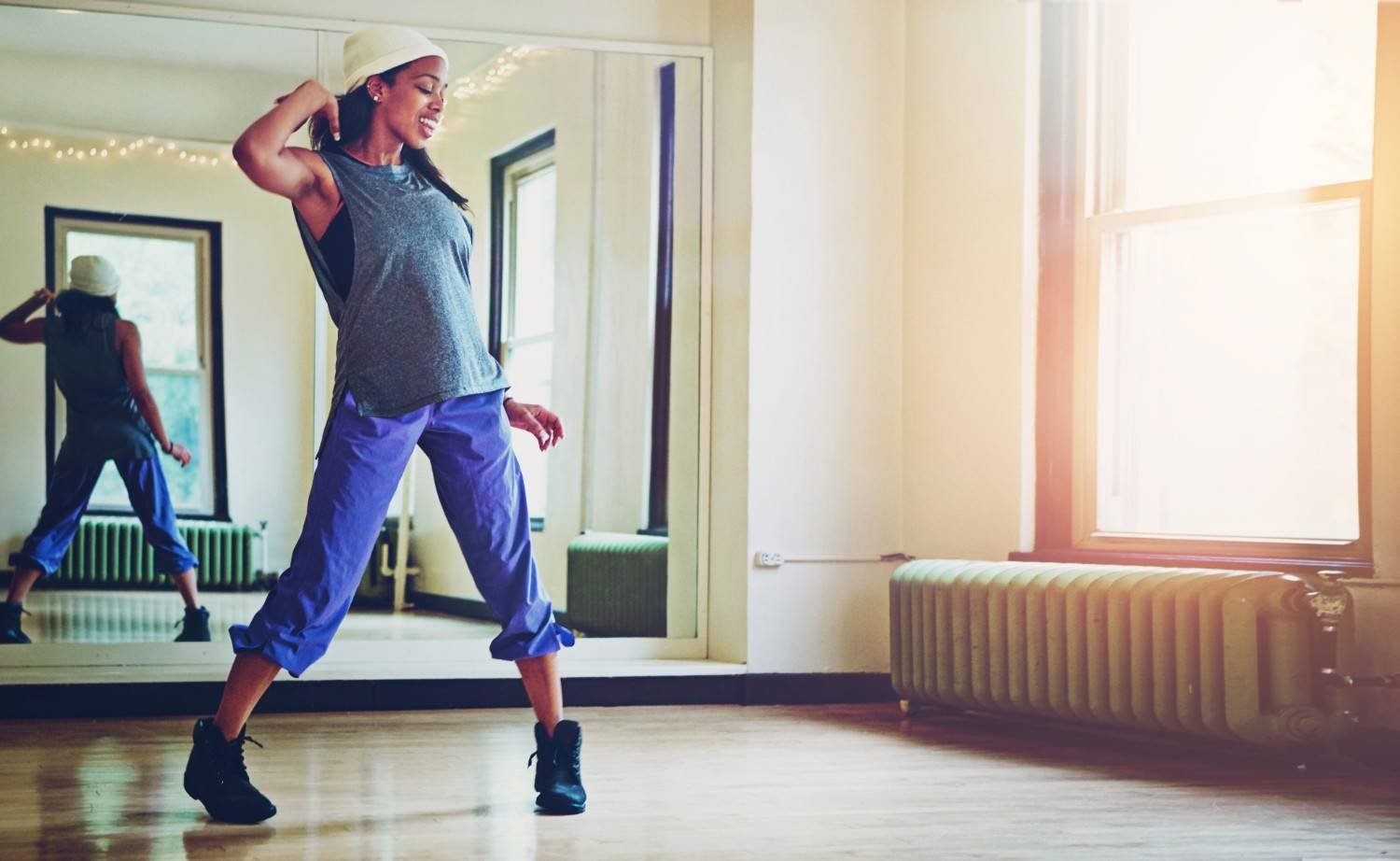
I cleared a small area in my living room and turned it into what I now call my “dance zone.” I added a simple mirror, not to judge how I looked, but to understand how my body moved. That one change made it easier to stay consistent.
Music became my biggest tool. I created playlists based on how I felt. On days when I wanted intensity, I used high-energy tracks. On slower days, I switched to mid-tempo music that allowed me to move without pressure.
I also followed a simple rule that changed everything. On low-motivation days, I committed to just two songs. That usually turned into a full session because once I started moving, I didn’t want to stop.
That’s when I realized consistency isn’t about discipline—it’s about removing resistance.
How to Start a Dance Fitness Lifestyle at Home Without Overthinking
Starting doesn’t require experience or expensive gear. What matters is how you approach it.
Choose a dance style that feels natural. It could be hip-hop, Latin-inspired workouts, or simple freestyle movement. The goal is not perfection. The goal is engagement.
Keep your sessions short in the beginning. Even 15–20 minutes is enough to build momentum. When you lower the barrier, you show up more often.
Your environment matters more than you think. A small, clutter-free space makes movement easier. A mirror helps with awareness. Good music keeps you engaged.
If you make it easy to start, you’ll stay consistent without forcing yourself.
Dance Fitness Lifestyle for Beginners: Avoid These Early Mistakes
When I started, I tried to do too much. I thought I needed to follow complex routines or learn choreography quickly. That slowed my progress.
The truth is, simple movements repeated consistently build confidence faster than advanced routines.
Another mistake is focusing too much on appearance. Dance is not about looking perfect. It’s about feeling connected to your movement.
Once I stopped judging myself and focused on enjoying the process, everything improved—my coordination, confidence, and stamina.
How Dance Fitness Fits Into a Real Weekly Routine
Instead of following a rigid schedule, I created a flexible rhythm that matched my energy levels.
At the start of the week, I focused on high-energy sessions that helped me build momentum. As the week progressed, I added strength-building movement and lighter recovery sessions. By the end of the week, I allowed myself to move freely without structure.
Some days were structured. Others were spontaneous. That balance kept things interesting and prevented burnout.
The key is not to follow a perfect routine. It’s to create a flow that works with your lifestyle.
Dance Fitness at Home vs Studio Classes: What Actually Works
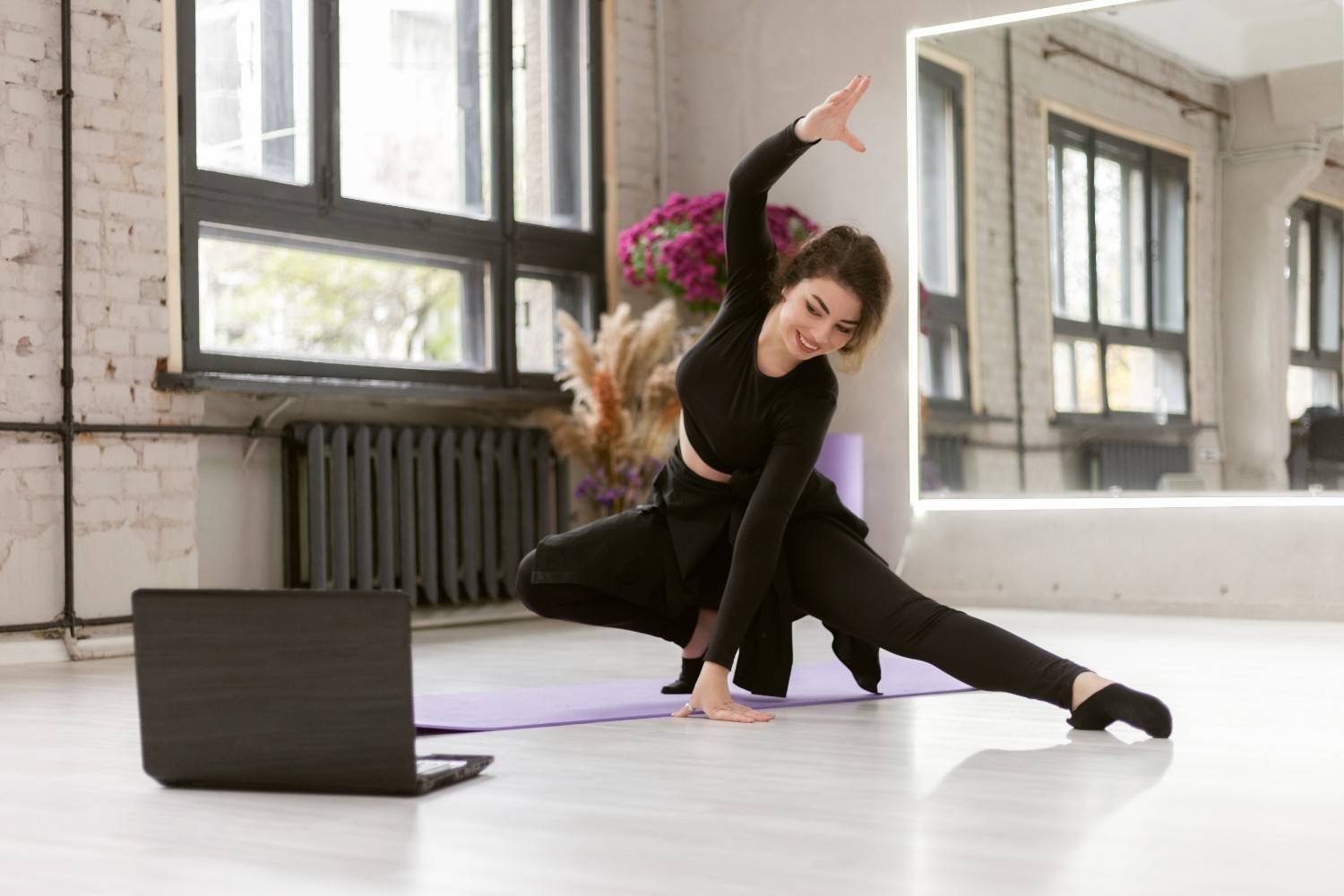
I’ve tried both, and each offers a different experience.
Home workouts give you flexibility. You can move on your own schedule, try different styles, and build confidence without pressure.
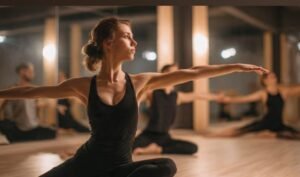
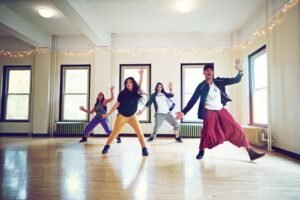
Studio classes bring energy. The environment, music, and group atmosphere create a different level of motivation. It becomes more social and engaging.
If you’re starting out, home workouts are easier. Once you feel comfortable, adding a class can enhance your experience.
What to Wear and Use for Better Dance Workouts
Comfort makes a bigger difference than most people expect.
I always choose breathable clothing that allows free movement. Moisture-wicking fabrics help during intense sessions, especially when the workout gets fast-paced.
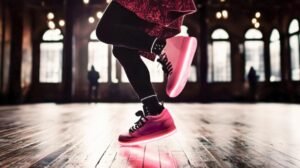
Footwear is equally important. Dance sneakers with pivot-friendly soles reduce stress on your knees and make turning smoother. Without proper shoes, movement feels restricted and uncomfortable.
Hydration is another factor people ignore. Dance workouts can be intense, so keeping water nearby helps maintain energy and performance.
When your setup supports movement, everything feels easier.
How to Stay Consistent Without Losing Motivation
Consistency doesn’t come from pushing harder. It comes from making things easier to repeat.
I stopped focusing on results and started focusing on showing up. Even short sessions counted. That mindset removed pressure and helped me stay consistent.
Variety also helped. Trying different dance styles kept the experience fresh. I never felt stuck in one routine.
Social connection played a role too. Whether it was joining a local class or connecting with others online, having people around made the process more enjoyable.
That’s when I realized this wasn’t just exercise anymore—it had become a dance fitness lifestyle that naturally fit into my daily routine.
Why This Lifestyle Feels Different From Traditional Workouts
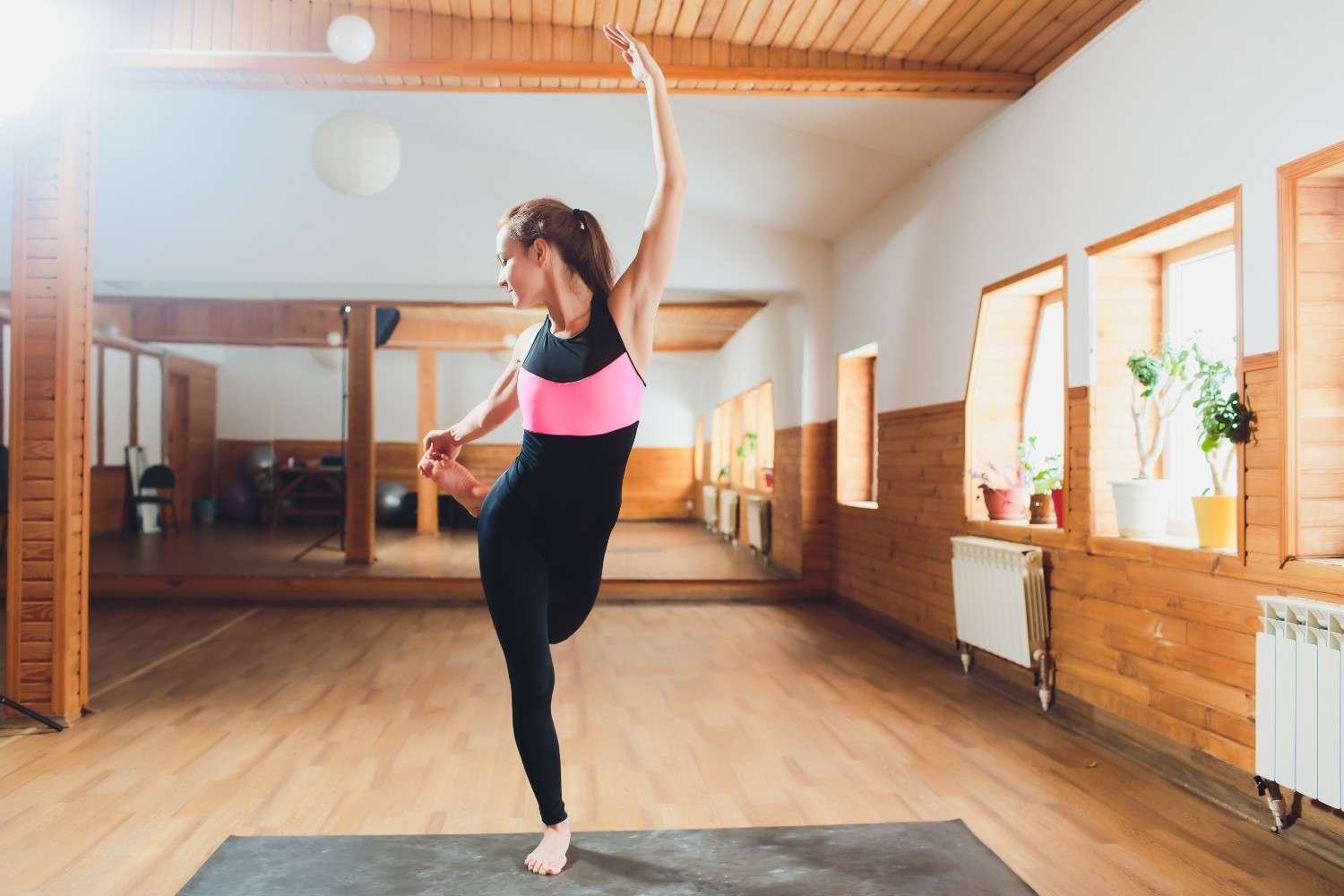
Looking back, I didn’t stick with this because it was the hardest workout. I stuck with it because it felt natural.
It gave me structure without pressure. It allowed progress without forcing perfection. It made movement something I looked forward to instead of something I avoided.
That’s what makes a dance fitness lifestyle so powerful. It blends fitness with enjoyment and turns consistency into something effortless.
If you’ve struggled with staying active, this approach can change everything—not because it’s intense, but because it’s sustainable.
FAQs About Dance Fitness Lifestyle
1. Is dance fitness good for weight loss?
Yes, it helps burn calories, improve metabolism, and stay consistent, which supports long-term weight management.
2. Can beginners follow a dance fitness lifestyle?
Yes, beginners can start with simple routines and build confidence gradually without needing prior experience.
3. How often should I do dance workouts?
You can start with three to four sessions per week and increase frequency as your stamina improves.
4. Do I need special equipment to start?
No, you only need comfortable clothing, supportive shoes, and enough space to move freely.
When Movement Finally Feels Effortless
Looking back, this wasn’t about finding the perfect workout. It was about finding something I didn’t want to quit. A dance fitness lifestyle didn’t just help me stay active—it changed how I think about movement completely, and it helped me build confidence through dance in a way I didn’t expect.
If you’ve ever struggled to stay consistent, this might be the shift you need. Start small, keep it simple, and let yourself enjoy the process. Once movement feels natural instead of forced, everything else falls into place.
Because in the end, the goal isn’t just to work out—it’s to build a lifestyle you actually want to live every single day.