In the beginning, I thought I just needed to practice more to get better at dance. But no matter how much time I put in, something always felt off. My timing wasn’t sharp, my movements looked stiff, and I couldn’t figure out why.
Everything changed when I realized I was repeating the wrong habits. Once I focused on the right beginner dance training tips, my progress finally became consistent, and dancing started to feel natural instead of frustrating.
What Should Beginners Focus On First in Dance Training?
The biggest shift for me happened when I stopped chasing advanced moves and focused on basics. Every strong dancer you see has mastered foundational movement first.
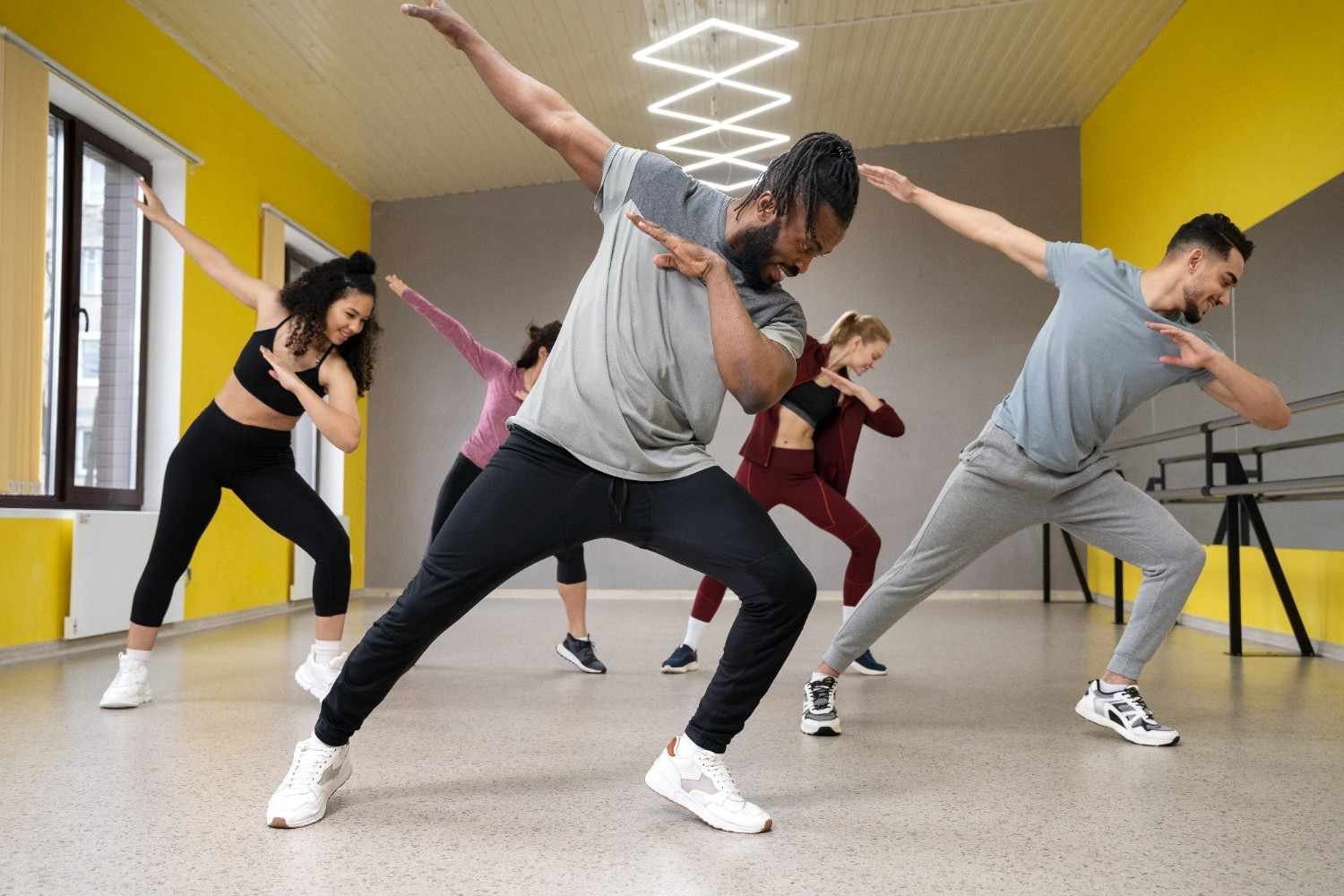
Simple grooves like stepping side to side or basic hip-hop patterns teach your body how to move with music. Keeping your knees slightly bent makes your movement look natural instead of stiff. I also learned quickly that weight shifting is everything. If your weight stays evenly distributed, your movement looks flat. Once I started shifting weight from one foot to the other on beat, my dancing instantly improved.
Shoulders also play a bigger role than most beginners realize. When I started using my shoulders properly, my arms followed more naturally, and my movement looked more connected.
How Do You Build Rhythm Without Feeling Awkward?
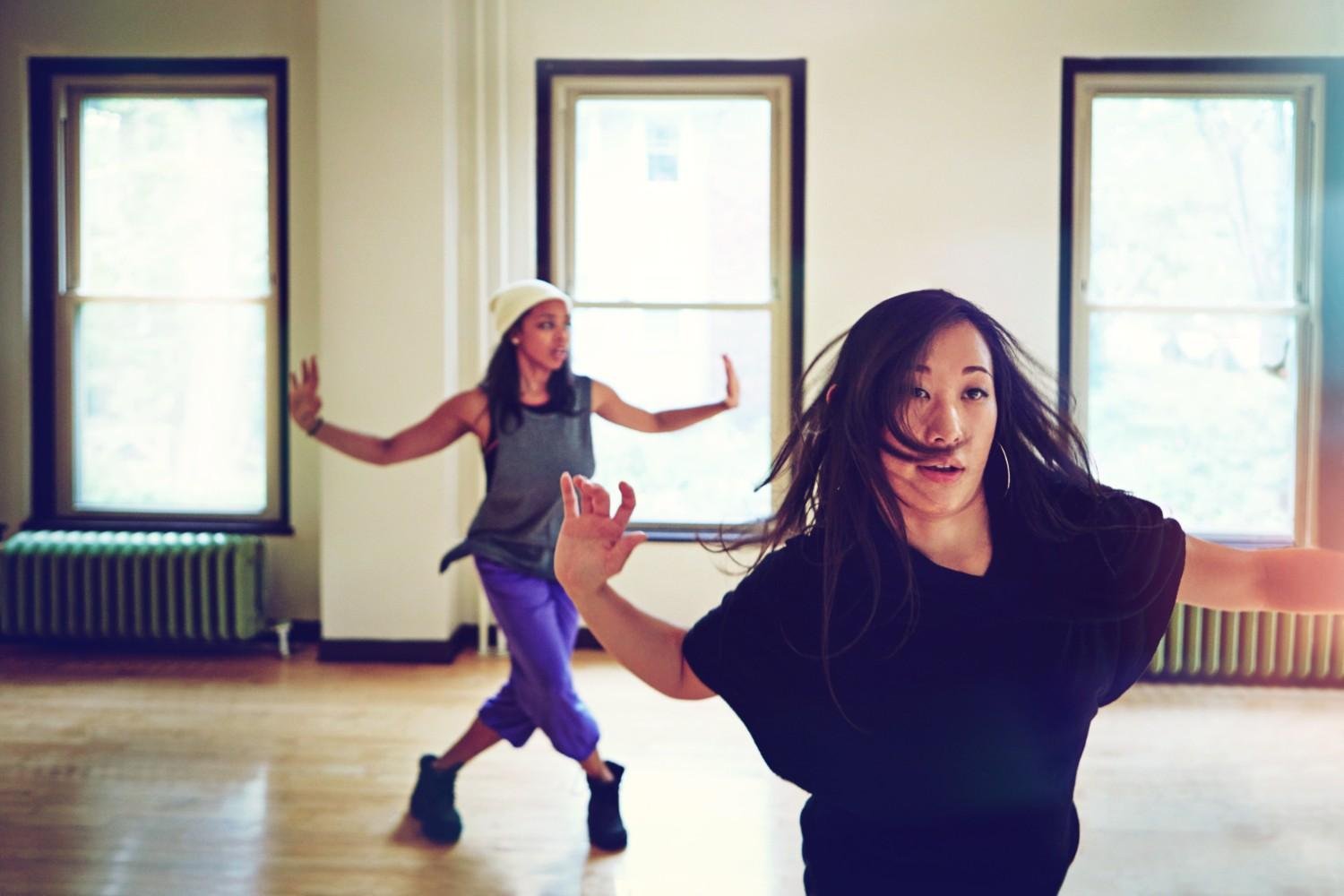
This was one of my biggest struggles early on. I used to feel disconnected from the music.
What helped was learning to listen for the beat, especially the snare. Once I could hear it clearly, I started counting in sets of eight, which is how most dance music is structured.
I didn’t jump into routines. I practiced simple steps repeatedly until my body started syncing with the music. Over time, rhythm stopped feeling forced and became automatic.
Why Warm-Ups and Stretching Matter Before Every Practice
I used to skip warm-ups, and it showed in my movement.
Now I always spend at least ten minutes warming up. It helps my body loosen up, improves flexibility, and reduces the chance of injury. Stretching after practice also made a noticeable difference in how freely I could move.
Once my body felt ready, my training sessions became smoother and more productive.
How Often Should Beginners Practice Dance to See Results?
Consistency made the biggest difference in my progress.
Instead of long, exhausting sessions, I started practicing for short periods every day. Even ten to fifteen minutes of focused groove training helped me improve faster than practicing once a week for hours.
Breaking movements into smaller parts also helped. When I slowed things down and studied each step carefully, I understood movement much better.
These beginner dance training tips helped me stay consistent without feeling overwhelmed and naturally guided me into a Dance Lifestyle for Beginners.
How to Practice Dance at Home the Right Way
Practicing at home can be incredibly effective if you do it correctly.
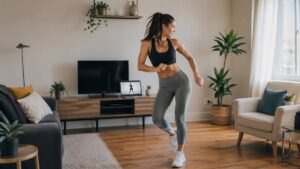
I started using a mirror to check my posture and alignment. Recording myself felt uncomfortable at first, but it became one of the most powerful tools for improvement. Watching my own videos helped me spot mistakes I couldn’t feel while dancing.
Slowing down tutorials and breaking choreography into smaller sections also made learning easier. Instead of trying to copy everything at once, I focused on mastering one part at a time.
Beginner Dance Training Tips for Better Balance and Control
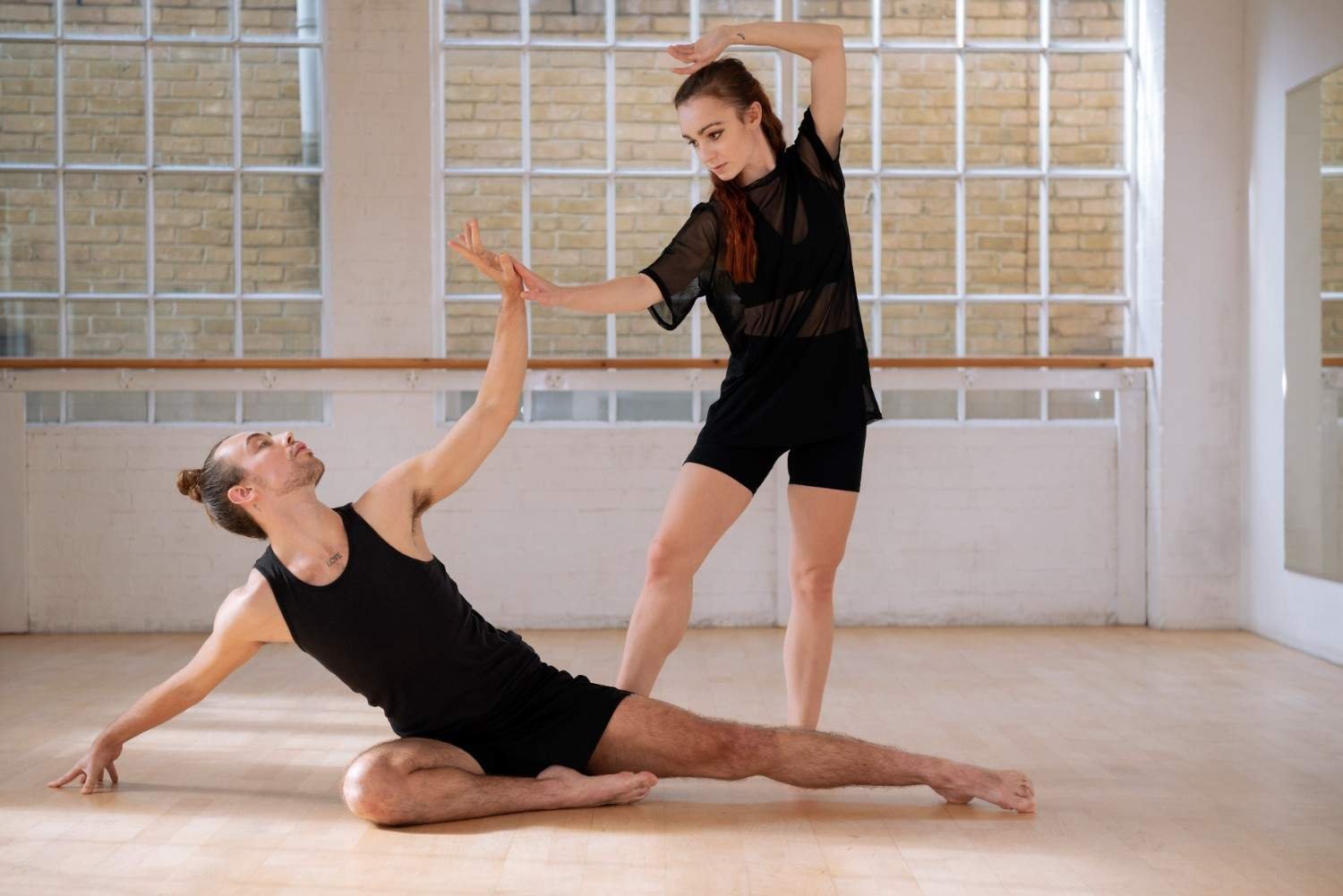
Balance and control don’t come from strength alone. They come from awareness.
I improved by focusing on my core and how my weight moved through each step. Standing on one leg for a few seconds during practice helped build stability.
Control improved when I stopped rushing. Slower, cleaner movements always looked better than fast, messy ones.
What Should You Wear to Your First Dance Class?
I used to overthink this, but it’s actually simple.
Wear something comfortable that allows full movement. Fitted clothing helps you see your body lines better, which improves technique. Shoes should provide support and allow smooth movement depending on the various dance styles.
When you feel comfortable, your confidence naturally increases.
What Are the Most Common Beginner Dance Mistakes to Avoid?
One mistake I made early on was comparing myself to others. That only slowed me down mentally.
Another was focusing too much on perfection. Dance improves through repetition, not perfection. It’s normal to feel awkward in the beginning.
Skipping fundamentals is another major mistake. Every time I rushed ahead, I had to come back and fix my basics later.
These beginner dance training tips helped me avoid those setbacks and stay focused on real progress.
How Do You Build Confidence as a Beginner Dancer?
Confidence doesn’t come before progress. It comes from it.
I learned to accept mistakes as part of the process. Instead of worrying about how I looked, I focused on how the movement felt.
Dancing with emotion instead of just technique also made a big difference. When I connected with the music, my movement looked more natural.
Small improvements added up, and confidence followed.
Should You Learn Dance at Home or in a Studio?
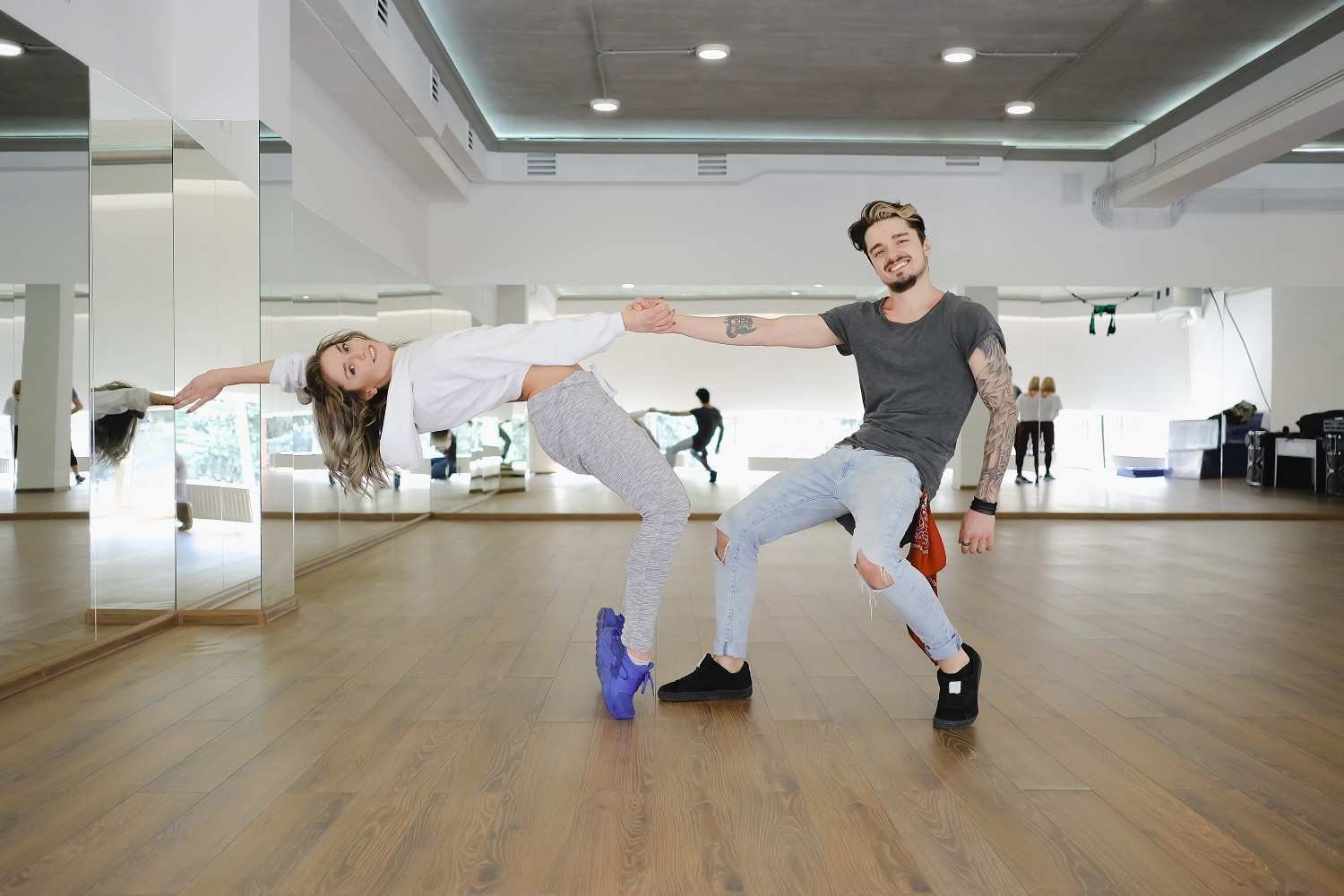
Both options have value.
Learning at home gave me flexibility in dance and helped me practice without pressure. Studio classes gave me structure and feedback that I couldn’t get on my own.
The best approach is combining both. Practice regularly at home and use classes to refine your technique.
FAQs About Beginner Dance Training Tips
1. What are the best beginner dance training tips for fast improvement?
Focus on basics, practice consistently, and train your rhythm before learning complex choreography.
2. How long does it take to improve in dance?
With consistent practice, most beginners notice improvement within a few weeks.
3. Can adults start dance training from scratch?
Yes, dance training for adults works at any age with consistency and the right mindset.
4. Do I need a studio to learn to dance?
No, you can start at home, but studios help improve technique faster with guidance.
What Actually Helped Me Improve Faster
Looking back, I didn’t improve because I practiced more. I improved because I practiced smarter.
Once I focused on rhythm, stayed consistent, and stopped worrying about looking perfect, everything started to change. My movement felt more natural, and I actually began enjoying the process.
If you follow these beginner dance training tips and stay patient, you’ll see progress sooner than you expect.