I thought I just “wasn’t a dancer” the first time I tried—it felt awkward, off-beat, and honestly a little frustrating. I kept watching others move with ease while I struggled to keep up, and it almost made me want to quit. But the moment I switched to the right style, everything started to make sense.
That’s the difference the best Latin dances for beginners make. They focus on simple, repeatable steps that help you find the rhythm faster, build real confidence, and actually enjoy dancing instead of overthinking every move. Once you start with the right foundation, progress feels natural and exciting.
What Are The Best Latin Dances For Beginners To Start With?
If you want the simplest starting point, I always recommend merengue or bachata. These dances remove the pressure of fast timing and let you focus on moving naturally to the music.
At the same time, salsa and cumbia are incredibly popular across the US, especially in social settings like clubs and dance events. So while they may feel slightly more challenging at first, they are worth learning early if your goal is to dance socially.
Why Merengue Is The Easiest Latin Dance To Learn

Merengue is often the first dance I suggest because it feels almost like walking to music, especially when you move naturally to Merengue music. The rhythm is steady, and the steps are repetitive, which makes it incredibly beginner-friendly.
What helped me most with merengue was learning how to shift my weight properly. Once you understand that, your hips start to move naturally without forcing anything. Keeping your knees slightly bent also makes a huge difference because it allows your body to stay relaxed and fluid.
This dance builds a strong foundation quickly, which is why it’s often considered one of the best Latin dances for beginners.
Is Bachata Good For Complete Beginners?
Bachata is where many beginners start to feel confident. The tempo is slower, and the basic step follows a simple side-to-side pattern that is easy to remember.
When I practiced bachata, I noticed how much it improved my body control. It teaches you how to isolate movements and connect with your partner in a relaxed way. You don’t need perfect technique to enjoy it, which makes it ideal if you feel nervous about dancing.
Bachata is also extremely popular at dance socials across the US, so learning it gives you more opportunities to practice in real settings.
Why Salsa Is Popular But Slightly Harder At First
Salsa is everywhere—from dance studios to nightlife scenes—and it’s one of the most recognized Latin dances. Naturally, many beginners want to start here.
But from my experience, salsa takes a bit more effort in the beginning. The timing is faster, and the steps follow an 8-count pattern that can feel tricky at first. I remember struggling to stay on beat while also thinking about foot placement and really experiencing rhythm in dance.
That said, once you get comfortable, salsa becomes incredibly fun. It opens the door to social dancing, events, and a much wider dance community across the US.
Is Cumbia Easier Than Salsa For Beginners?
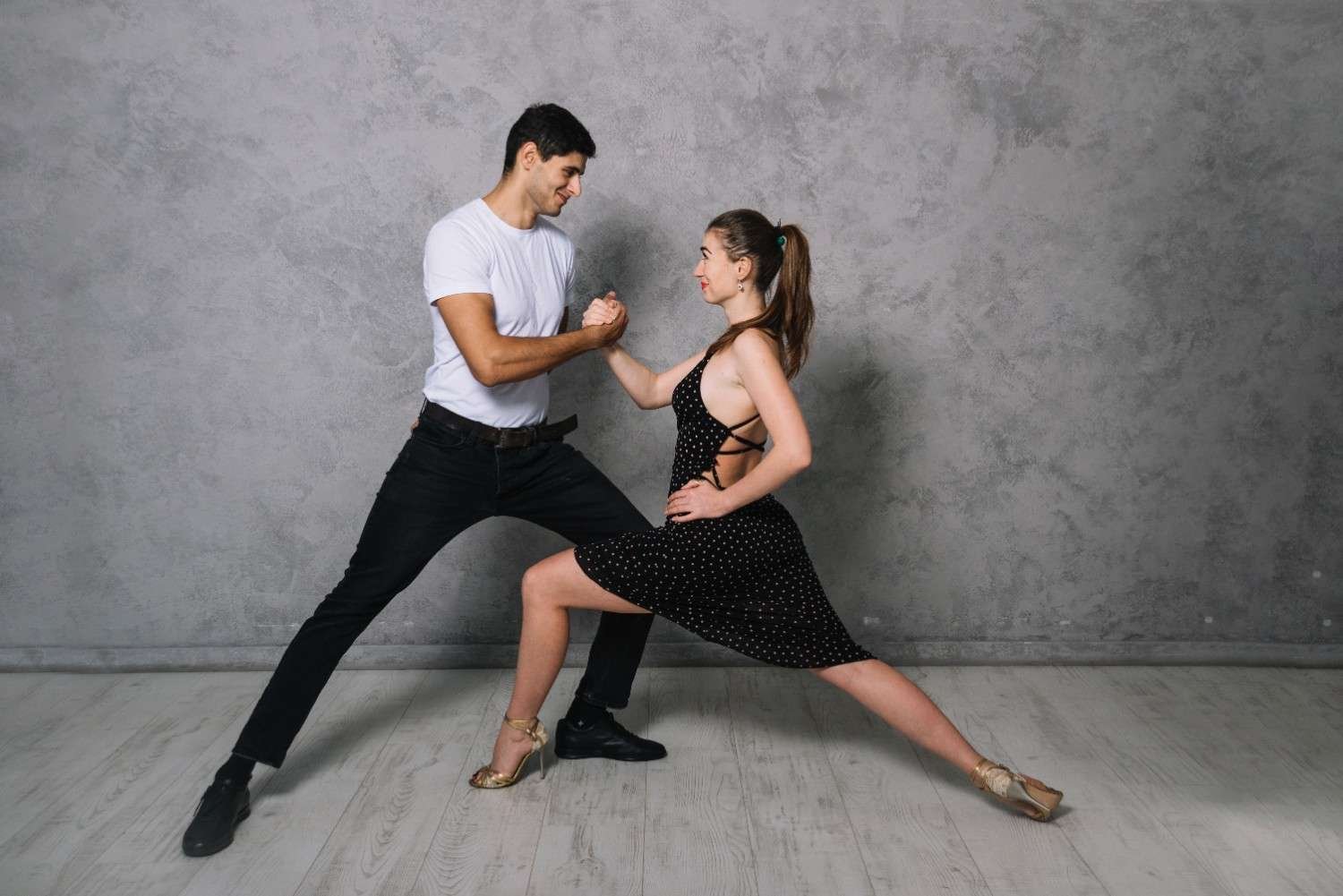
Cumbia is often overlooked, but it’s one of the smoothest and most approachable dances you can learn. The rhythm is relaxed, and the basic step includes a gentle rock motion that feels natural after a short time.
Compared to salsa, cumbia feels less intense and easier to control. When I tried it, I felt less pressure to keep up with fast beats, which made the learning process more enjoyable.
If you want something social but not overwhelming, cumbia is a great option to consider.
Key Beginner Techniques That Make Learning Faster
No matter which dance you choose, a few fundamentals will speed up your progress.
The first thing I focused on was keeping my knees slightly bent. This small adjustment helped my hips move naturally instead of feeling stiff. Relaxing the upper body was just as important because tension can make even simple steps look awkward.
The biggest breakthrough for me came from understanding weight transfer. Once you learn how to shift your weight correctly from one foot to the other, your timing improves almost instantly.
How To Choose The Right Latin Dance Based On Your Goal
Choosing the right dance becomes much easier when you know what you want, especially if your goal is to build confidence through dance.
If your goal is to learn quickly and build confidence, bachata or merengue will get you there faster. If you’re aiming for social dancing in clubs or events, salsa is the better long-term choice. If you prefer something smooth and relaxed, cumbia is a great fit.
When I stopped trying to learn everything at once and focused on one style, my progress improved dramatically.
How Long Does It Take To Learn Latin Dance As A Beginner?

Most beginners start feeling comfortable within a few weeks if they practice consistently. From my experience, regular practice—even just a few sessions a week—makes a noticeable difference.
You don’t need to be perfect. You just need repetition and patience.
FAQs About Best Latin Dances for Beginners
1. What are the best Latin dances for beginners to learn quickly?
Merengue and bachata are the easiest to pick up because of their simple steps and slower rhythms.
2. Is salsa too difficult for beginners?
Salsa can feel challenging at first, but with practice, beginners can learn it and enjoy social dancing.
3. Can I learn Latin dance without a partner?
Yes, you can practice basic steps, rhythm, and timing on your own before dancing with a partner.
4. Which Latin dance is most popular in the US?
Salsa and bachata are the most popular for social dancing and are widely taught in studios and events.
What I’d Do Differently If I Started Again
If I had to start over, I’d keep things simple. I’d focus on one style, practice consistently, and not overthink every step.
The best Latin dances for beginners are not the most complicated ones. They’re the ones that help you feel comfortable, build rhythm, and enjoy the process from day one. Once that foundation is in place, everything else becomes easier.