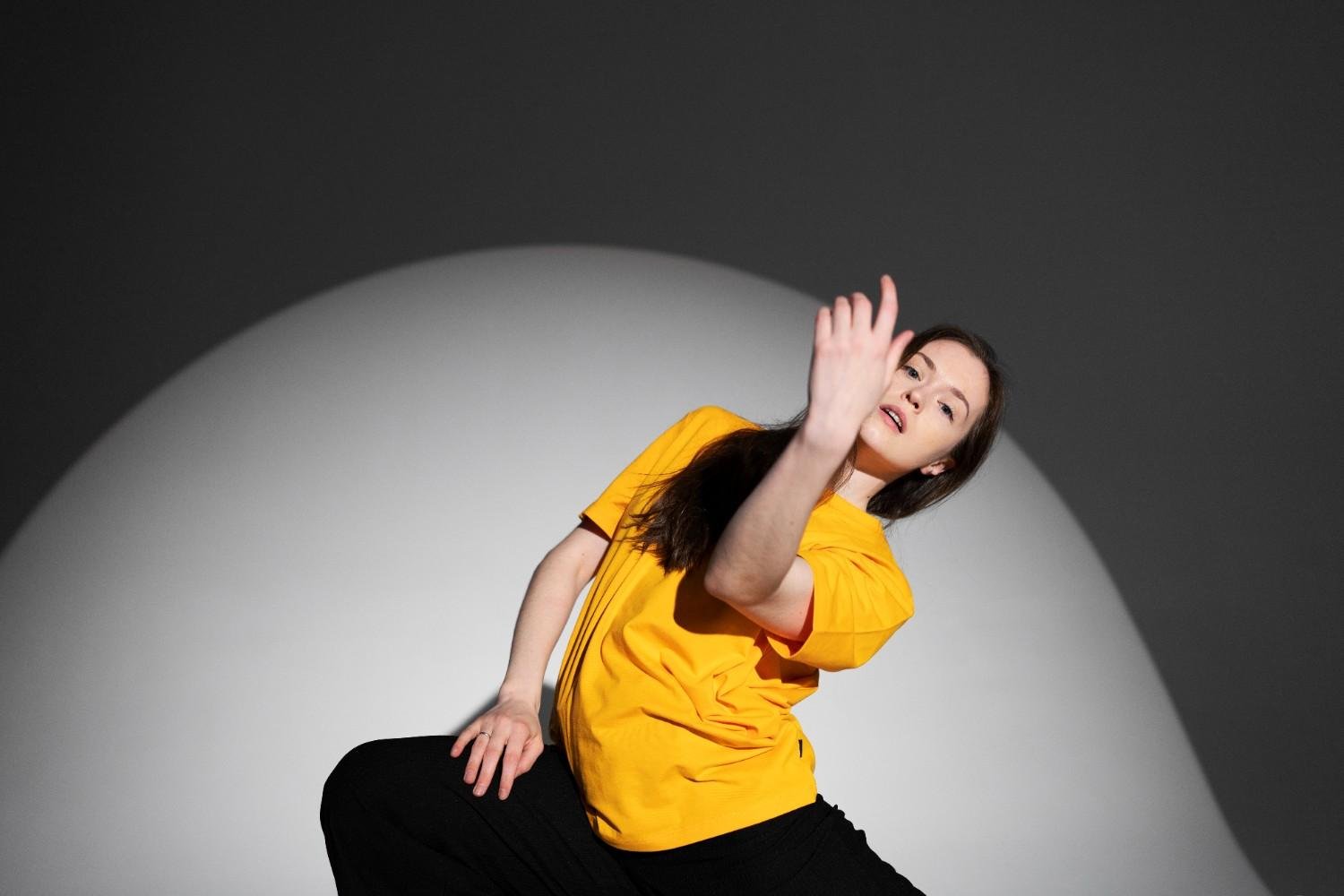
I didn’t plan to use dance as a mental health tool. It actually started on a random evening when I felt mentally drained and needed something—anything—to break the cycle. I turned on music, moved without thinking, and for the first time in a while, my mind went quiet.
That moment stuck with me.
Over the next few weeks, I kept showing up, even on days when I didn’t feel like it. Slowly, I noticed real changes. I wasn’t as overwhelmed, my mood felt more stable, and I started handling stress differently. That’s when I realized this wasn’t just movement. It was something deeper.
If you’ve been searching for how dance improves mental health, what you’re really looking for is a way to feel better consistently. Dance does that by combining physical movement, music, emotional release, and connection in a way very few activities can.
How Dance Improves Mental Health at a Biological Level
When I started dancing regularly, I noticed a mood boost almost instantly. That wasn’t just in my head. Dance triggers what experts often describe as a “brain symphony.”
Your brain releases endorphins, which reduce stress and create that natural “high” feeling. Dopamine kicks in when you move to rhythm, reinforcing pleasure and motivation. Serotonin helps stabilize mood, while oxytocin builds connection, especially in group or partner dancing.
At the same time, dance lowers cortisol, the hormone responsible for stress. This combination creates a powerful shift where your body moves out of survival mode and into a more balanced state.
This is one of the biggest reasons how dance improves mental health is now being discussed alongside traditional wellness strategies.
Does Dancing Help Reduce Anxiety and Depression?
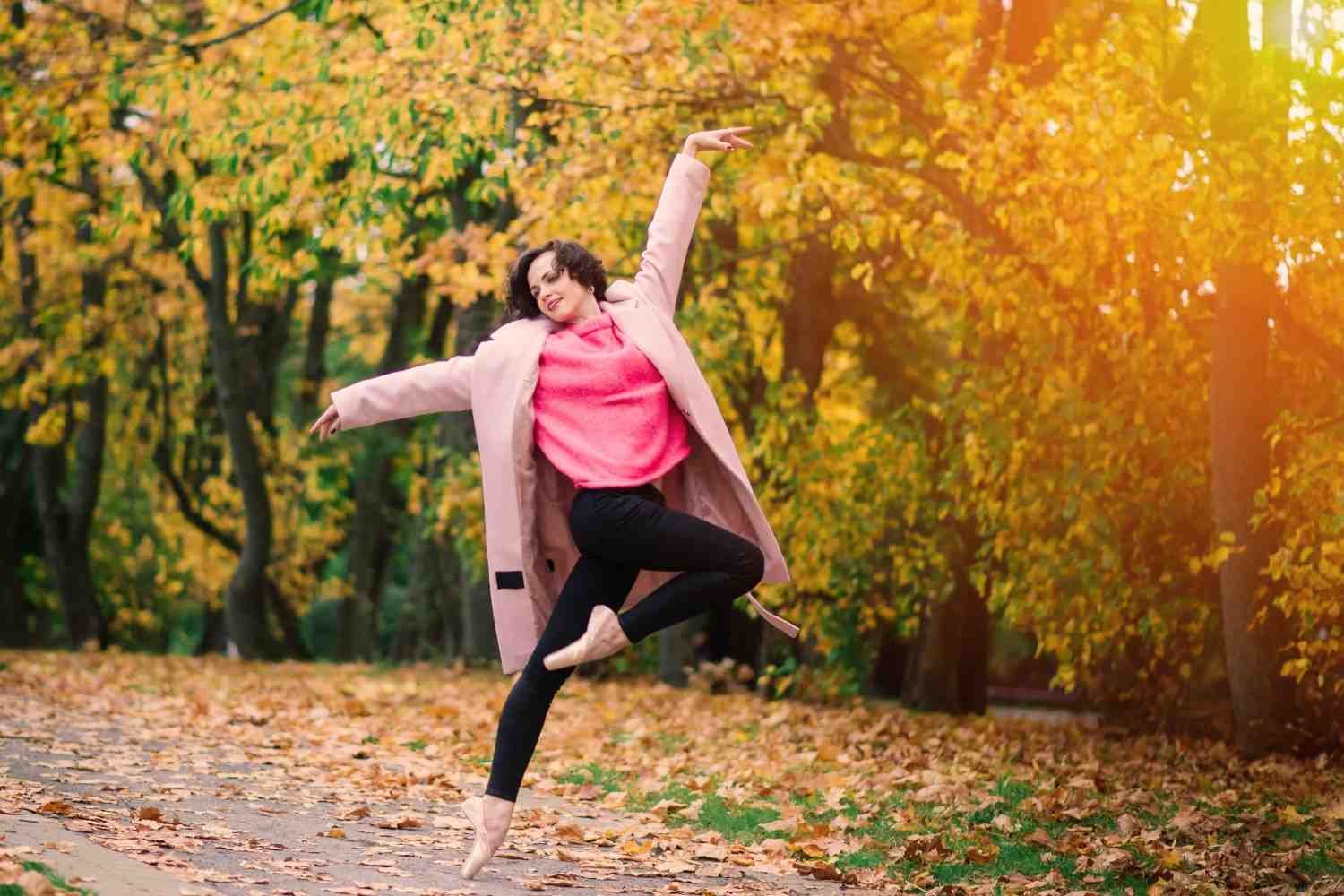
From my experience, dancing became one of the fastest ways to reset my mood after a stressful day.
When you’re anxious, your body holds tension. Dancing releases that tension through movement. Instead of overthinking, you shift your focus to rhythm and coordination. That change alone interrupts negative thought patterns.
Research-backed insights also show that regular dance activity can significantly reduce symptoms of anxiety and depression. It works because it combines physical activity with emotional expression, something most traditional workouts don’t fully provide.
I noticed that even short sessions helped me feel more grounded. It wasn’t about dancing perfectly. It was about moving consistently.
How Dancing Affects the Brain and Cognitive Health
What surprised me most was how mentally engaging dance actually is.
When you learn steps, adapt to music, and coordinate movement, your brain forms new neural connections. This process, known as neuroplasticity, strengthens brain function and improves adaptability.
Dance also supports memory. Memorizing sequences activates the hippocampus, the part of the brain responsible for learning and memory. Over time, this can help maintain cognitive sharpness and even reduce the risk of age-related decline.
Studies also suggest that dance improves white matter integrity, which helps your brain communicate more efficiently.
This is where how dance improves mental health goes beyond mood. It actually supports long-term brain health.
Why Dance Is Powerful for Emotional Expression and Stress Relief
There were days when I couldn’t explain how I felt. Talking didn’t help. But movement did.
Dance gives you a non-verbal way to process emotions. Whether it’s frustration, sadness, or excitement, you can express it through movement without needing the right words.
At the same time, the focus required to stay in sync with music creates a flow state. It feels similar to meditation, but more active. You become fully present, which helps quiet mental noise.
Over time, I noticed I reacted less to stress. I didn’t carry tension the way I used to. That shift made a real difference in my daily life.
How Dance Builds Confidence and Self-Esteem Naturally
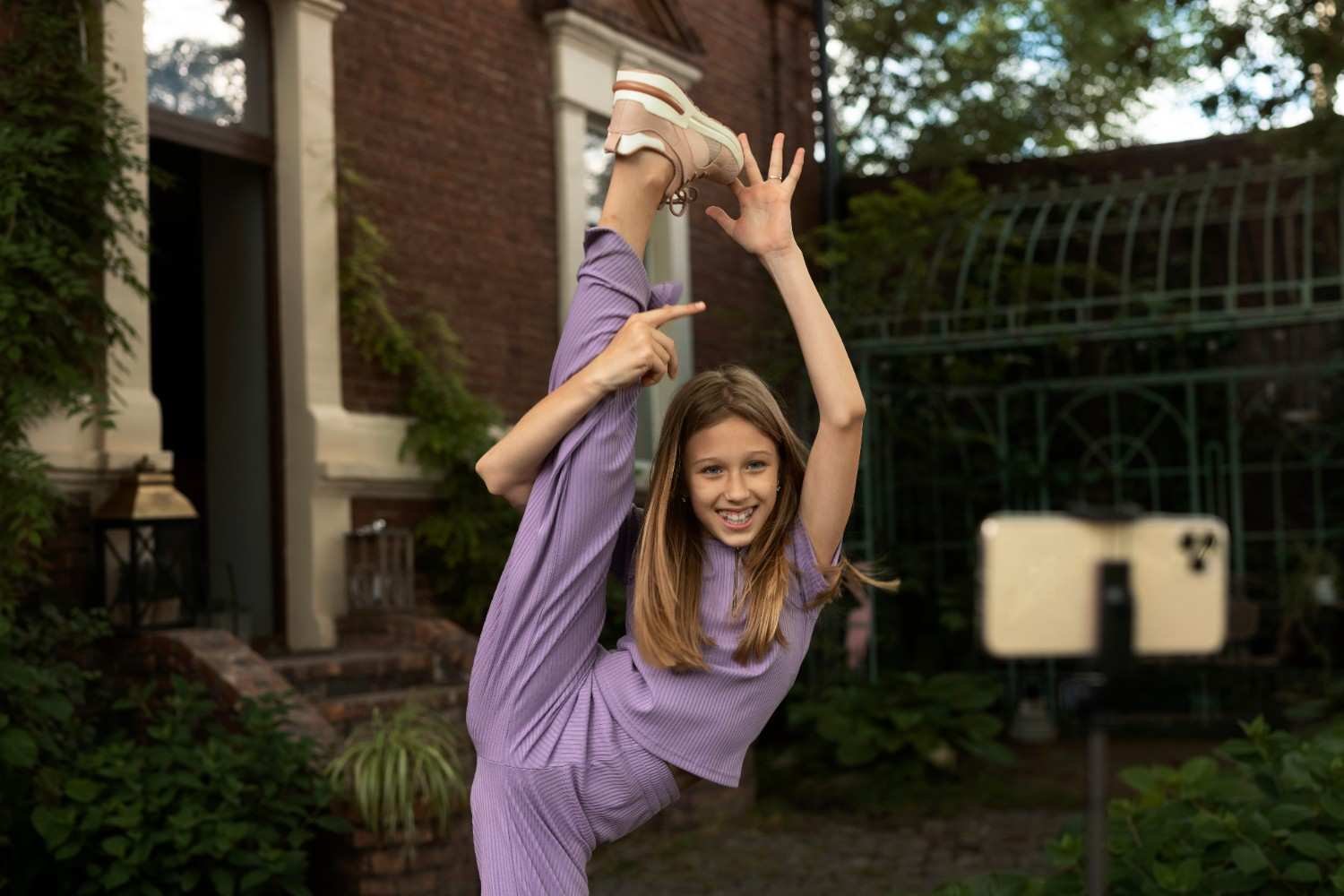
Confidence didn’t come from mastering advanced choreography. It came from showing up, even when I felt uncomfortable.
Dance challenges you to move beyond self-doubt. You stop worrying about how you look and start focusing on how you feel. That mindset shift builds confidence faster than most people expect.
As you improve, even slightly, your self-esteem grows. You become more aware of your body, your movement, and your ability to learn.
I noticed this especially when I tried social dance styles. Interacting with others, staying in rhythm, and adapting in real time helped me feel more confident not just on the dance floor, but in everyday situations.
How Social Connection Through Dance Improves Mental Health
One of the biggest changes I experienced wasn’t physical. It was social.
Dance creates a sense of community. Whether you’re in a class or dancing with a partner, you feel connected. That connection reduces loneliness, which is a major contributor to poor mental health.
There’s also something powerful about moving in sync with others. It builds empathy and trust in a way that feels natural, not forced.
Even if you start alone, joining a group later can amplify the benefits.
How to Start Dancing for Mental Health (Beginner Routine)
When I started, I didn’t overcomplicate it. I cleared a small space at home and played music I enjoyed.
I focused on simple movements instead of trying to learn full routines. At first, it felt awkward, but I stayed consistent. That’s what mattered.
I began with short sessions, around 10 to 15 minutes a day. Some days I followed online videos. Other days, I just moved freely.
The key is to treat it as a mental reset, not a performance. You don’t need skill or experience. You just need to move.
Within a few weeks, I felt more energized, less stressed, and more connected to myself.
Is Dance Therapy Effective for Mental Health?
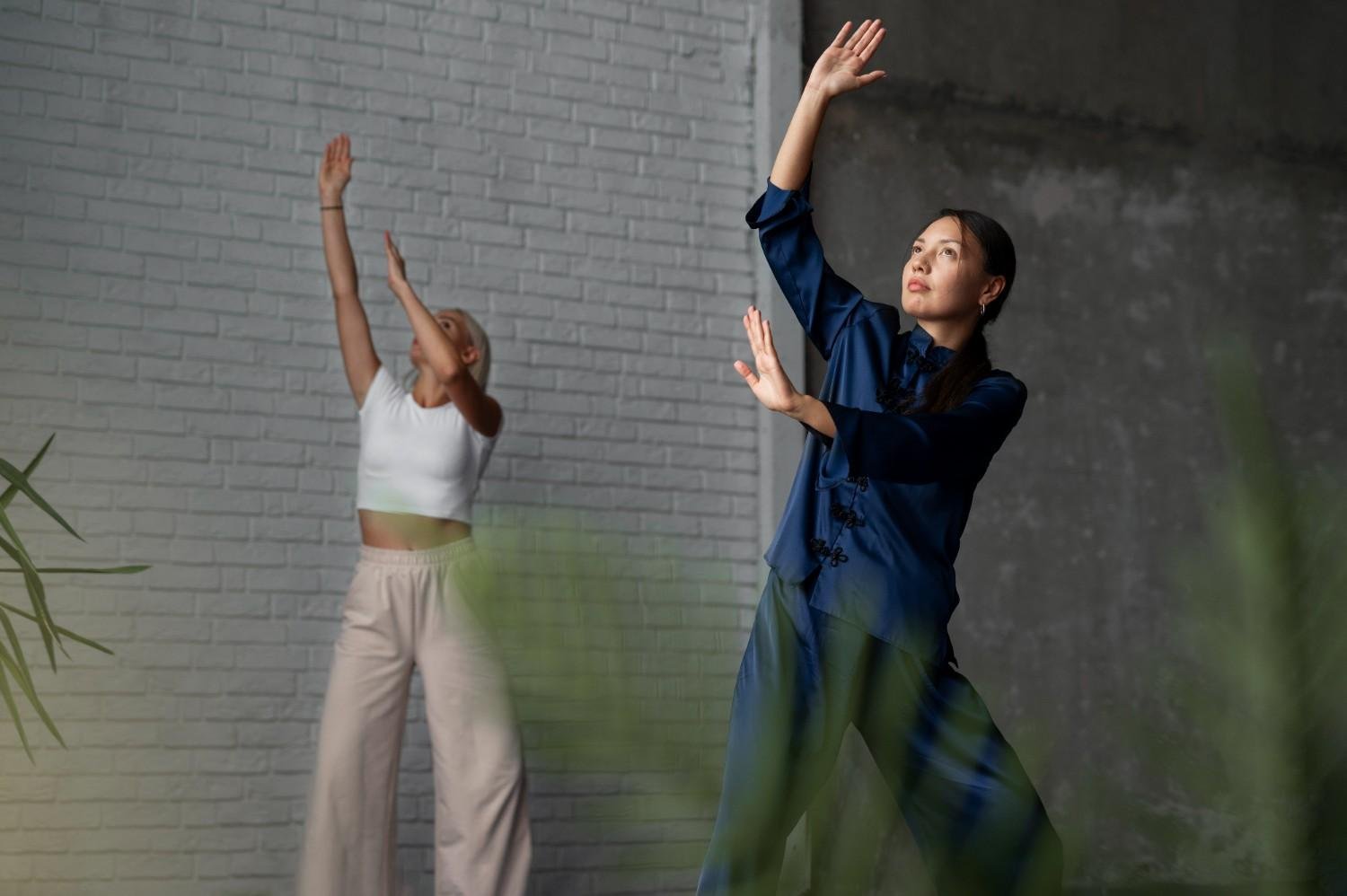
Dance therapy, also known as dance movement therapy, is becoming more widely recognized.
It focuses on using movement to improve emotional and psychological well-being. Therapists use it to help individuals process emotions, reduce stress, and build self-awareness.
What makes it unique is that it doesn’t rely only on conversation. It allows you to express feelings physically, which can be more effective for some people.
Even outside a clinical setting, applying these principles can make a real difference.
Frequently Asked Questions (FAQs)
1. How does dancing improve mental health in daily life?
It reduces stress, boosts mood, and improves emotional expression through movement, making it easier to manage daily challenges and feel more balanced.
2. Can dancing replace traditional therapy?
Dance can support mental health, but it works best alongside other methods like therapy, not as a complete replacement.
3. How often should I dance to see results?
Consistent sessions of 10–20 minutes daily can lead to noticeable improvements in mood and stress levels.
4. Do I need experience to benefit from dancing?
No, beginners can experience mental health benefits immediately through simple movement and rhythm.
What This Means for You
Looking back, dancing didn’t just improve my mood. It changed how I handled stress, how I expressed myself, and how I showed up every day. Over time, I realized that dance builds confidence, not just in how you move, but in how you carry yourself through daily life.
You don’t need a perfect plan to start. You just need to move.
That’s where the real change begins.