When I first searched for the best dance heels for beginners, I thought style mattered most. I wanted something sleek, tall, and class-ready. Then I realized the right dance heel is not about looking advanced. It is about feeling stable, supported, and confident enough to move without fear.
A beginner-friendly dance heel should protect your ankles, help you balance, and let your feet move naturally. The best choice usually has a lower heel, secure ankle support, a flexible sole, and enough grip for turns without sticking to the floor.
What Makes Dance Heels Beginner-Friendly?
Beginner dance heels should feel secure from the first step. I always look for three things: support, comfort, and control. A lace-up bootie style works well because it hugs the ankle better than a loose strap sandal. Buckles can help too, but laces allow a closer fit.
This matters because beginner dancers often wobble during turns, walks, dips, and floor transitions. The heel shape also matters. Chunky heels and flared heels feel more stable than walking in thin stilettos. Stilettos look beautiful, but they demand stronger ankles, better balance, and more control.
Best Heel Height for New Dancers
For most beginners, a heel between 2 and 3 inches feels easier to manage. This height gives you the lifted posture of heels without forcing your weight too far forward. If you are completely new, start closer to 2 inches.
If you already dance in sneakers or ballroom shoes, you may feel comfortable around 3 inches. I would avoid very high heels at first because they can strain your calves, arches, and lower back. The goal is simple: choose a height that lets you finish class with confidence, not pain.
Block Heel vs Stiletto vs Flared Heel
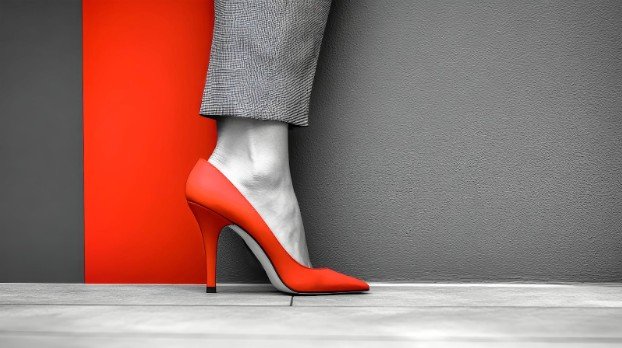
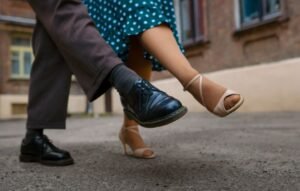
Block heels are usually the safest starting point. They give your foot more surface area and make balancing easier. Flared heels also work well because the bottom of the heel is wider than the top. That shape gives extra stability while still looking elegant.
Stilettos are better once you build strength and technique. They require more ankle control and make mistakes harder to recover from. If you want a sleek look early, choose a slim flared heel instead of a true stiletto.
Why Ankle Support Matters So Much
Ankle support can make or break your first heels class. A secure ankle helps you walk, pivot, pose, and turn with less fear. I prefer closed or ankle boot styles for beginners. They keep the foot in place better than open sandals.
Open-toe heels can work, but only if the straps are strong and adjustable. Avoid shoes that leave your foot sliding forward. If your toes grip the shoe to stay in place, your balance will suffer.
Best Sole Type for Dance Heels
The sole depends on where you dance. Suede soles are great for dance studios because they allow smooth turns. Rubber soles offer more grip, but too much grip can make spinning harder. If you dance on wood or studio flooring, suede often feels better.
If you practice at home, check your floor first. A slippery tile floor or rough outdoor surface can damage dance soles and increase your risk of slipping. Never use regular fashion heels for dance practice. They are not designed for repeated turns, weight shifts, or choreography.
Mistakes Beginners Make When Buying Dance Heels
The biggest mistake is buying heels only because they look good. Pretty shoes can still be painful, unstable, or unsafe. Another mistake is choosing platforms. Platforms may feel easier for standing, but they reduce your connection to the floor.
Best Dance Heels by Dance Style
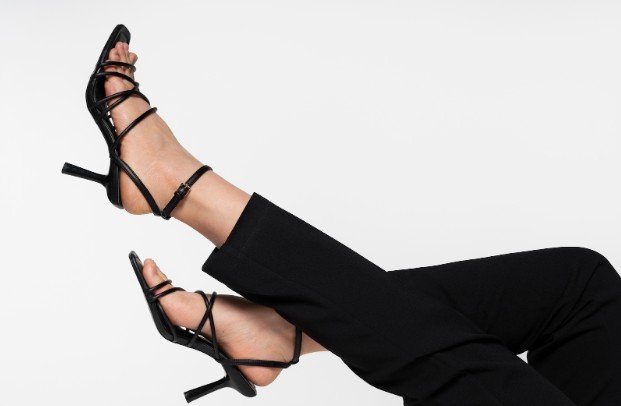
For heels dance classes, lace-up booties with a 2–3 inch heel are usually ideal. For salsa or Latin dance, choose flexible shoes with secure straps and suede soles. For burlesque or performance-based movement, ankle support and comfort matter more than heel height.
For floorwork, avoid sharp buckles or stiff designs that dig into your feet. The right pair should match how you move, not just how you want to look.
How to Choose Best dance heels for beginners
Start by checking the heel height. Then look at ankle support, sole type, and closure style. Try walking, turning, and shifting your weight before deciding. Your heel should feel snug, not tight. Your toes should not curl.
Your heel should not slip. Your ankle should feel supported without feeling locked. If you feel nervous, start with comfortable heels. Confidence grows faster when your shoes help you instead of fighting you.
Frequently Asked Questions
1. Are dance heels different from regular heels?
Yes. Dance heels are made for movement, balance, turns, and support. Regular heels are usually made for walking or fashion, not choreography.
2. Should beginners wear stilettos for heels class?
Not at first. Stilettos need stronger ankles and better balance. A block or flared heel is safer for learning.
3. What heel height should I start with?
Most beginners do well with 2 to 3 inches. Choose the lower end if you are nervous or new to dancing.
4. Are open-toe dance heels okay?
They can be okay, but bootie-style heels usually provide better ankle support for beginners.
Final Step Before Your First Pair
When I look back, I wish I had chosen comfort before style from the start. The right dance heels should make you feel grounded, lifted, and ready to move. You do not need the tallest or trendiest pair. You need shoes that support your ankles, protect your feet, and help you build confidence one class at a time.