When I started dancing, I thought any comfortable shoe would work. I was wrong. The wrong pair made turns harder, balance shaky, and practice less enjoyable. The best dance shoes for beginners are not always the prettiest or most expensive pair. They are the shoes that match your dance style, fit securely, support your feet, and help you move without fear.
If you are buying your first pair, start with comfort, fit, sole type, and heel height before style. A good beginner shoe should feel stable, flexible, and easy to control from your first class.
Why Do Beginner Dancers Need Proper Dance Shoes?
Regular sneakers often grip the floor too much. Fashion heels can feel unstable. Bare feet may not give enough support, depending on the dance style. Dance shoes solve these problems because they help your feet move, slide, pivot, and balance correctly. They also reduce strain on your knees and ankles during turns.
For beginners, this matters because you are still learning posture, timing, weight shifts, and foot placement. The right shoes make practice feel smoother. They do not make you a better dancer overnight, but they remove one major obstacle from your progress.
How To Choose Dance Shoes By Dance Style
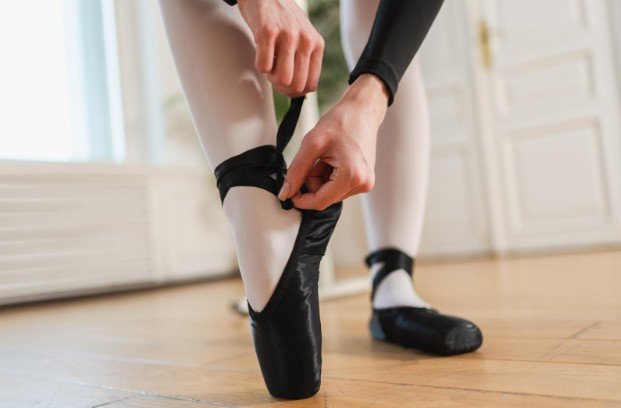
For ballet, beginners usually need soft ballet slippers. Canvas feels light and breathable, while leather often lasts longer. Many new dancers choose slippers for plantar fasciitis because they offer more support while learning basic technique.
For jazz, choose snug jazz shoes with flexible soles. They should let your foot point and move easily without slipping off. For tap, you need tap shoes with secure straps or laces and attached metal taps. Beginners should focus on comfort and sound clarity instead of fancy designs.
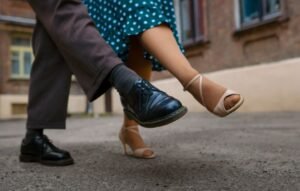
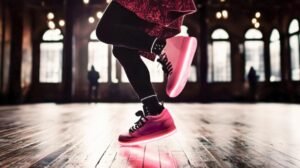
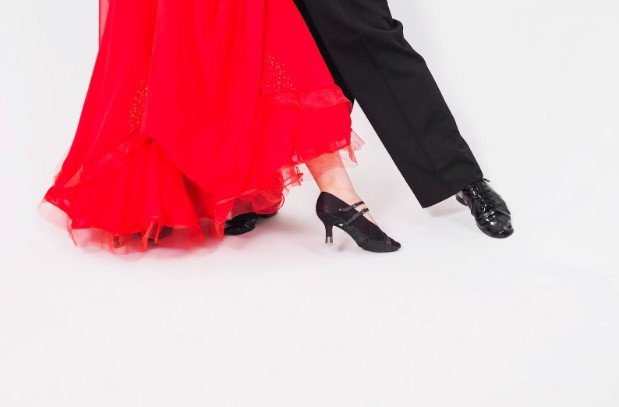
For ballroom, Latin, salsa, and bachata, suede soles are common because they allow smooth turns while still giving floor control. Women often start with low heels, while men usually choose supportive practice or ballroom shoes. For hip hop, dance sneakers usually work best. Look for cushioning, flexibility, and enough grip for fast footwork without sticking to the floor.
What Sole Is Best For Beginner Dance Shoes?
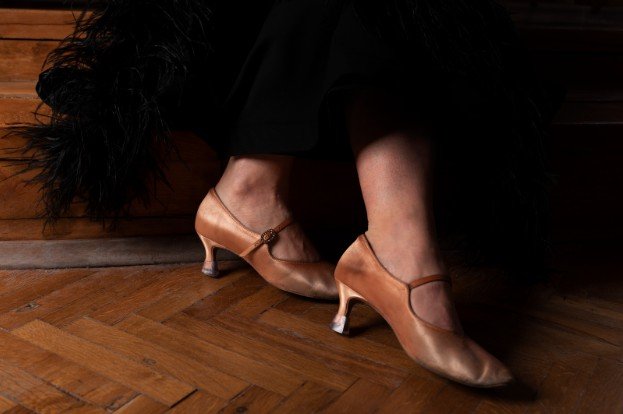
The sole is one of the most important parts of a dance shoe. Suede soles are popular for ballroom, Latin, salsa, and swing because they allow sliding and turning. They work best on proper dance floors, not outdoor pavement. Leather soles feel smooth and classic, but they can feel slippery for some beginners.
Rubber soles give grip and support, which helps in hip hop or dance fitness. However, too much grip can make turns difficult. Split soles offer flexibility, while full soles provide more support. If you are completely new, full soles can feel more stable in ballet and some beginner classes.
What Heel Height Should Beginners Choose?
If you are new to dance heels, start low. A heel around 1 to 1.5 inches gives better balance and helps you build confidence. Higher heels may look elegant, but they can make weight shifts harder before your ankles and posture are ready.
For Latin and ballroom, many experienced dancers wear taller heels, but beginners should not rush. A thicker heel also gives more stability than a thin stiletto-style heel. Men’s beginner dance shoes should feel supportive through the arch and heel. The goal is control, not height.
How Should Dance Shoes Fit?
Dance shoes should fit snugly, but they should not hurt. Your toes should not curl painfully, and your heel should not slide out when you walk. A good fit feels close to the foot because loose shoes can cause blisters and poor balance.
If you have wide feet, look for wide-fit options instead of sizing up too much. If your feet are narrow, adjustable straps or lace-up styles shoes may feel safer. Try shoes later in the day if possible because feet can swell slightly. Also wear the same type of socks, tights, or foot liners you plan to use in class.
Best Dance Shoes For Beginners On A Budget
You do not need to buy the most expensive pair first. If you are trying one class, ask the studio what they recommend before shopping. For ballet, canvas slippers are usually budget-friendly. For jazz, basic slip-on jazz shoes work well. For hip hop, supportive dance sneakers or clean indoor sneakers may be enough at first.
For salsa or ballroom, entry-level suede sole practice shoes are often smarter than flashy heels. The best dance shoes for beginners should match your current level, not your dream performance outfit. Buy for training first. Upgrade later when you know your style, floor type, and comfort needs.
Common Mistakes To Avoid When Buying First Dance Shoes
The biggest mistake is buying based on looks alone. Beautiful shoes can still feel unstable, stiff, or painful. Another mistake is wearing outdoor shoes on a studio floor. Dirt and rough soles can damage dance floors and affect your movement. Many beginners also choose heels too early. If you cannot balance comfortably, your dancing will feel tense.
Do not buy shoes that are too loose. You may think extra space means comfort, but in dance, extra movement inside the shoe can cause rubbing and poor control. Also, avoid using one shoe for every dance style. A squidward tentacles, ballet slipper, dance sneaker, and Latin heel all serve different purposes.
What Should You Buy For Your First Dance Class?
For your first class, ask the studio about the dress code first. Many studios have clear shoe rules, especially for ballet, tap, ballroom, and youth classes. If the class is casual, choose clean indoor shoes with flexible soles.
If you are starting a specific dance style, buy the correct beginner shoe for that style. Start simple then choose comfort, stability, and proper fit. Once you dance for a few weeks, you will understand what your feet need.
Frequently Asked Questions
1. What Are The Best Dance Shoes For Beginners?
The best option depends on the dance style. Ballet beginners need slippers, jazz dancers need jazz shoes, tap dancers need tap shoes, hip hop dancers need dance sneakers, and ballroom or salsa beginners often need suede sole shoes.
2. Can I Wear Regular Sneakers For Dance Class?
You can wear clean sneakers for some casual or hip hop classes, but they may not work for turning styles. Always check your studio’s rules before class.
3. Should Beginner Dancers Buy Expensive Shoes?
No. Beginners should start with affordable, comfortable shoes that match their class. You can upgrade once you know your preferred dance style and fit.
4. Are Suede Soles Good For Beginners?
Yes, suede soles are useful for ballroom, salsa, bachata, and Latin styles because they help with turns and floor control. They should mostly stay indoors.
Final Thoughts
When I look back, my first good dance shoe changed how I practiced. I felt more balanced, less nervous, and more willing to try steps that once felt awkward.
Your first pair does not need to be perfect forever. It just needs to support where you are right now. Choose by dance style, fit, sole, comfort, and heel height. When your shoes help instead of distract you, dancing becomes easier to enjoy.