I used to think worn-out dance shoes meant I was practicing hard. Then I realized I was damaging them faster than needed. Why your dance shoes wear out fast usually comes down to surface, sweat, poor storage, bad fit, and using one pair for everything.
Dance shoes work harder than regular shoes. They handle turns, slides, pressure changes, spins, and repeated footwork. When you ignore care, floor type, or support, even a good pair can break down quickly.
Why Do Dance Shoes Wear Out So Quickly?
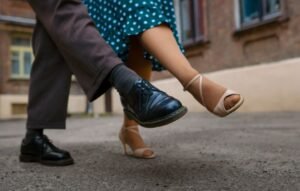
Dance shoes wear out quickly because they are built for movement, not rough everyday use. Suede soles, flexible arches, soft uppers, and slim heels help you move better, but they also need careful treatment. Ballroom shoes for Ballroom dance and Latin shoes often wear down at the ball of the foot because dancers pivot there.
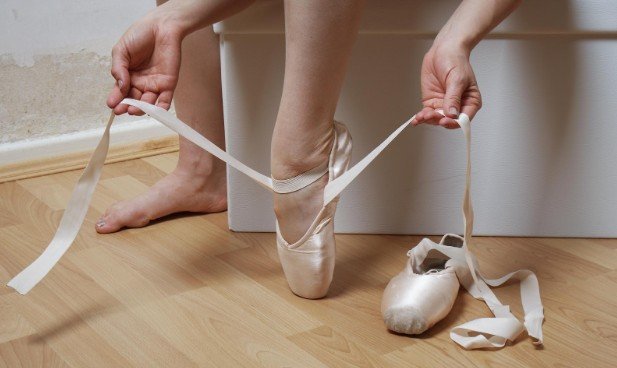
Ballet shoes can stretch, thin, or tear from repeated pointe work or floor friction. Jazz shoes may lose grip and shape from constant practice. Tap shoes can loosen around screws, heels, and soles with heavy use. The main issue is not always shoe quality. Many dancers simply use the wrong shoes in the wrong setting.
Are You Wearing Dance Shoes On The Wrong Surface?
Floor surface is one of the biggest reasons dance shoes break down early. Suede soles work best on clean indoor dance floors. If you wear them on concrete, asphalt, carpet, tile, or outdoor walkways, the texture can destroy the sole fast. Dirty floors also cause problems. Dust and grit act like sandpaper.
They reduce grip, restore the suede, and make turns feel unstable. Sticky floors can strain the sole because your foot cannot glide naturally. I always tell beginners to treat dance shoes like equipment, not casual footwear. Change into them inside the studio, then take them off before leaving.
Does Poor Fit Make Dance Shoes Wear Out Fast?
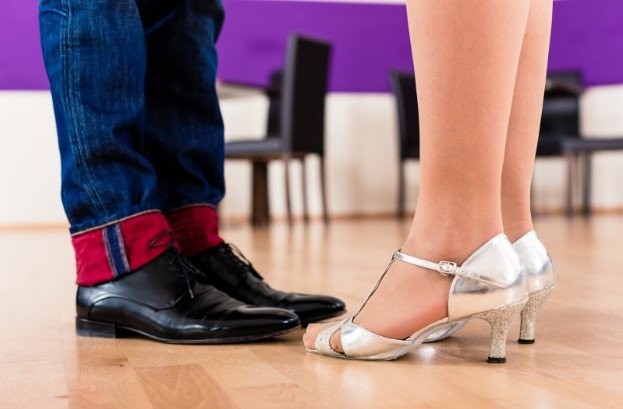
A poor fit can ruin dance shoes faster than most dancers expect. If shoes feel too loose, your feet slide inside them. That extra movement pulls on straps, stretches the upper material, and weakens stitching. If shoes feel too tight, they place pressure on seams, toe boxes, and heel counters.
Over time, this can cause cracking, rubbing, and early breakdown. A proper dance shoe should feel snug without crushing your toes. Your heel should stay secure. Your arch should feel supported. If you constantly grip with your toes to keep the shoe on, the fit is wrong.
How Sweat And Moisture Damage Dance Shoes
Sweat slowly weakens dance shoes. After class, moisture stays inside the lining, sole, and upper material. If you toss sweaty shoes into a closed dance bag, they cannot dry properly. That trapped moisture can cause odor, stiffness, peeling, and material breakdown.
Practice Shoes Vs Performance Shoes
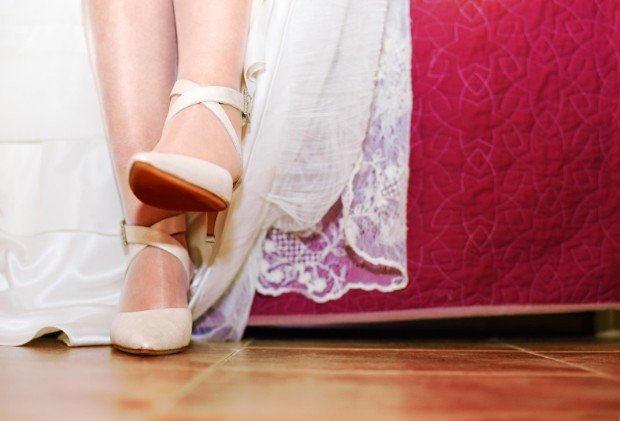
One smart way to protect your shoes is to separate practice pairs from performance pairs. Practice shoes should handle regular classes, drills, and rehearsals. Performance shoes should stay clean, structured, and stage-ready.
If you use one beautiful pair for every lesson, social dance, rehearsal, and showcase, it will wear out much faster. This matters even more for Latin heels and ballroom shoes. Repeated pressure from spins, hip action, and fast footwork can wear down heels and soles quickly.
Daily Mistakes That Shorten Dance Shoe Life
Many dancers damage shoes through small habits. Walking outside in dance shoes is one of the worst mistakes. Rough ground destroys soft soles and brings dirt back into the studio. Another mistake is leaving shoes in a hot car.
Heat can dry out glue, warp materials, and weaken the shape. Cleaning suede soles with water can also flatten the texture and reduce grip. Using worn-out heel tips is another issue. Once heel tips wear down, the heel itself can become unstable or damaged.
Signs Your Dance Shoes Need Repair Or Replacement
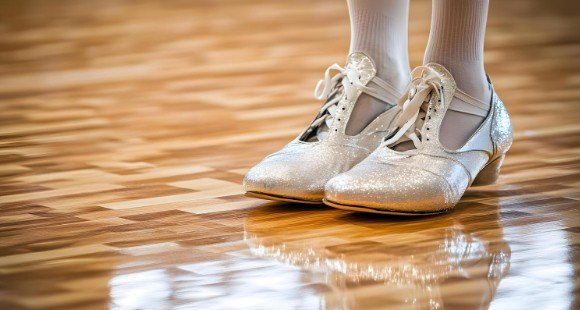
You may need repair or replacement if your shoes feel slippery, uneven, loose, or painful. Watch for thinning soles, peeling layers, stretched straps, cracked uppers, weak arches, or unstable heels.
If the shoe still fits well but only the sole or heel tip has worn down, repair may help. If the structure feels weak, the shoe twists too easily, or your foot no longer feels supported, replacement is safer. Worn-out shoes can affect balance, confidence, and injury risk.
How To Make Dance Shoes Last Longer
To make dance shoes last longer, use them only on proper indoor dance floors. Brush suede soles gently with a suede shoe brush when they become packed down. Let shoes dry fully after class before storing them. Rotate between two pairs if you dance often.
Keep practice shoes and performance shoes separate. Replace heel tips before they wear too low. Store shoes in a cool, dry place. Most importantly, pay attention to how your shoes feel. If your grip, support, or balance changes, do not ignore it.
Frequently Asked Questions
1. How long should dance shoes last?
Dance shoes may last a few months to over a year, depending on how often you dance, the shoe quality, floor type, and care routine.
2. Can I wear dance shoes outside?
No, you should avoid wearing dance shoes outside. Outdoor surfaces damage suede soles, collect dirt, and reduce grip on studio floors.
3. Is it worth repairing dance shoes?
Repair makes sense when the upper and structure still feel strong. Heel tips, soles, and minor wear can often be fixed.
4. Why your dance shoes wear out fast even if they are expensive?
Expensive shoes can still wear out quickly if you use them on rough floors, store them damp, wear the wrong fit, or use one pair too often.
Final Thoughts
I learned that dance shoes do not wear out fast by accident. They usually show the result of daily habits. Once I stopped wearing them outside, aired them after class, brushed the soles, and rotated pairs, they lasted much longer.
Why your dance shoes wear out fast is not just a shoe problem. It is a care, fit, surface, and storage problem. Fix those habits, and your shoes will support your dancing with more comfort, control, and confidence.