I remember walking into my first partner dance class feeling completely unsure of myself. I thought I needed natural talent or months of practice just to look decent. But within a few sessions, I realized something that changed everything—progress comes much faster when you focus on connection and rhythm instead of trying to memorize complicated routines.
If you’re searching for how to learn partner dancing quickly, the truth is you don’t need to overwhelm yourself with dozens of moves. You need a simple system that builds confidence, timing, and partner awareness from day one.
Can You Really Learn Partner Dancing Quickly As A Beginner?
Yes, but only if you approach it the right way. Most beginners slow themselves down by focusing on steps instead of the foundation that actually makes dancing work.
From my experience, the fastest learners are the ones who simplify the process. They focus on timing, maintain a stable posture, and build a natural connection with their partner. Once those pieces click, everything else becomes easier to learn and repeat.
Why Connection And Frame Matter More Than Steps
One of the biggest mindset shifts I had was realizing that partner dancing is not about memorizing patterns. It is about communication.
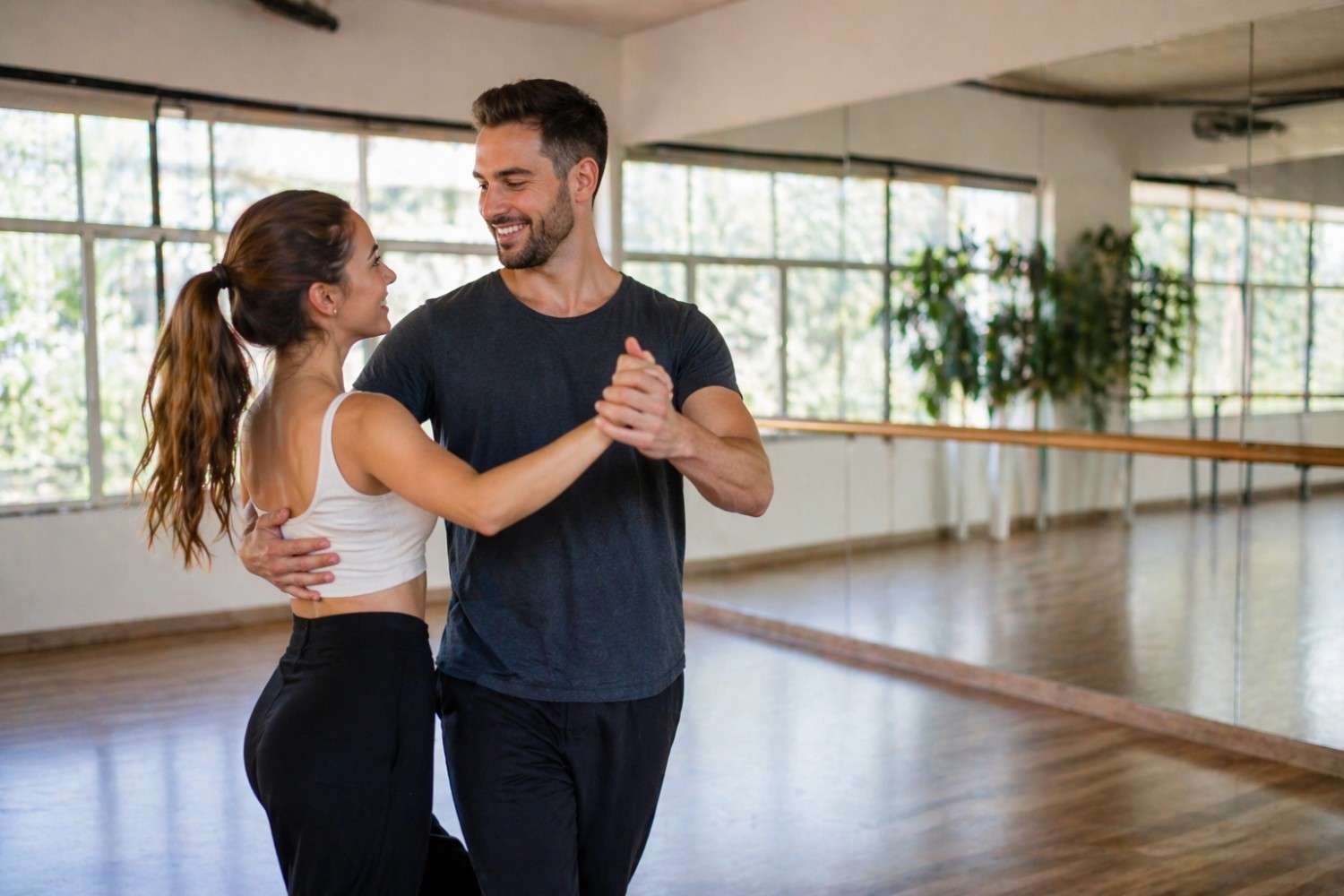
Connection comes from maintaining a shared center between you and your partner. This can be through a light handhold or body positioning in dance that allows you to feel each other’s movement. When that connection is clear, your dancing stops feeling robotic and starts feeling natural.
Frame plays a huge role here. Keeping your arms stable but relaxed creates a structure that allows the leader to guide and the follower to respond without confusion. When your frame collapses, even simple moves feel messy.
Learning to lead and follow properly also speeds up your progress. Leading is not about forcing movement. It is about moving your own body in a way that signals direction. Following requires trust and attention rather than anticipation.
What Are The Easiest Partner Dances To Learn First?
Choosing the right style makes learning faster and less frustrating. Some dances are naturally beginner-friendly because they use simple patterns and flexible timing.
I always recommend starting with country swing, salsa, bachata, or a basic two-step. These styles allow you to repeat movements and focus on rhythm instead of complexity. Ballroom options like foxtrot also work well if you prefer slower and smoother movement.
The key is to stick with one style long enough to build confidence before exploring others.
How To Learn Rhythm Faster Than Most Beginners
Rhythm is the foundation of everything. Without it, even perfect steps will look off.
The fastest way to build rhythm is to practice with music daily. Start by tapping your foot or shifting your weight on each beat. Once that feels natural, layer in simple step patterns like a step-tap or basic side movement.
This approach trains your body to stay in sync with the music before adding complexity, which is essential if you want to understand how to learn partner dancing quickly in a practical way.
What Is The Fastest Way To Practice Partner Dancing Daily?
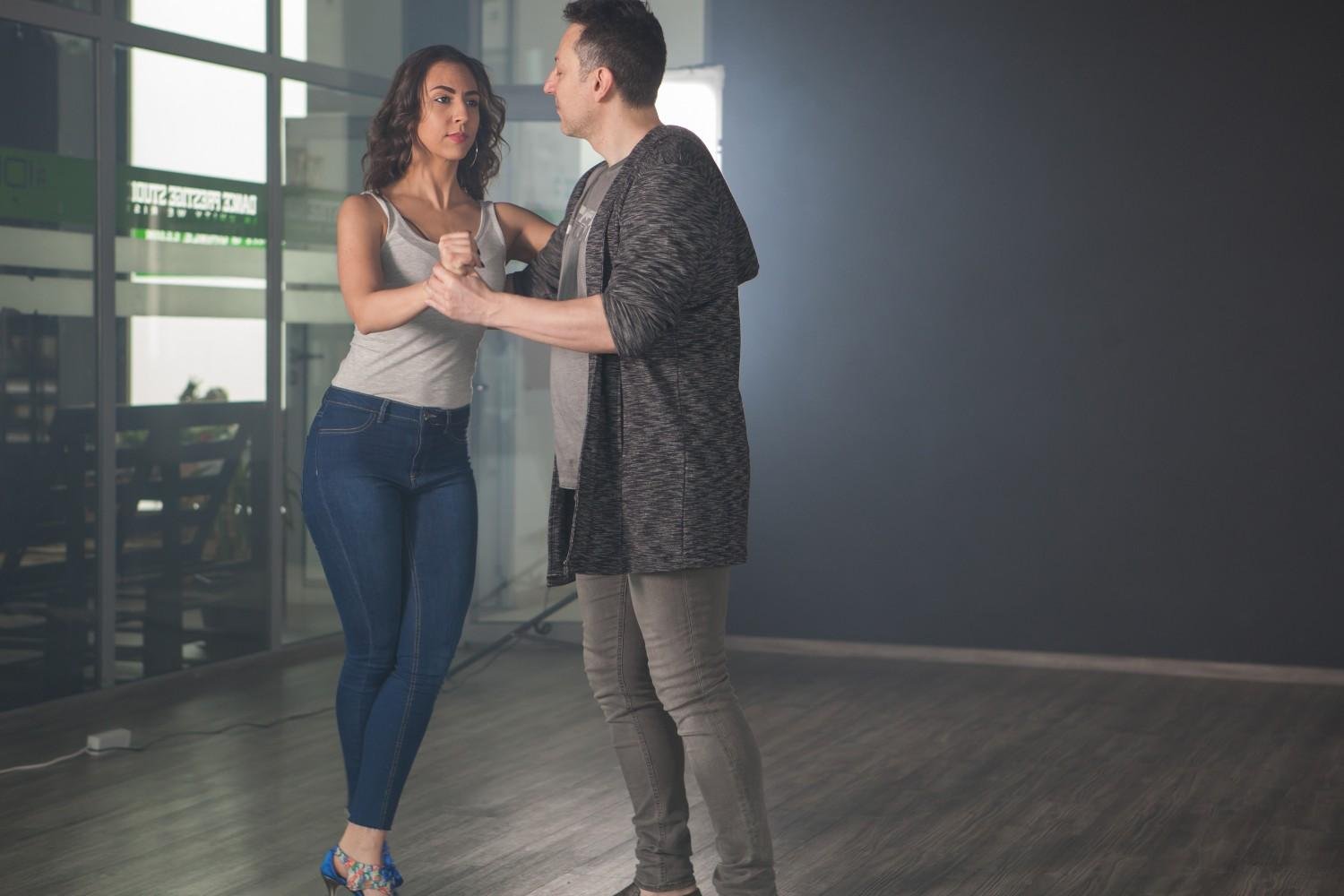
Short, consistent practice sessions work better than long, irregular ones. I found that practicing for about twenty minutes a day creates faster improvement without burnout.
A simple routine works best. Spend a few minutes on rhythm, then repeat one basic pattern until it feels natural. Finish by focusing on the concepts of posture and connection, even if you are practicing alone.
This type of repetition builds muscle memory much faster than randomly trying new moves every session.
Can You Practice Partner Dancing Without A Partner?
Yes, and this is where many beginners make real progress.
You can practice timing, posture, and footwork on your own. Using a mirror helps you adjust your frame and movement without overthinking every step. I also recommend imagining the connection with a partner while practicing. It sounds simple, but it trains your body to move with intention.
Recording yourself is another powerful method. Watching your movement from the outside helps you catch mistakes that you would never notice in the moment.
How Classes, Videos, And Practice Parties Speed Up Learning
If you want to learn faster, combining different learning methods makes a big difference.
Group classes give you structure and repetition. Practice parties or social dance nights help you apply what you learn with different partners, which builds adaptability. Watching instructors closely, especially their footwork and body positioning, helps you understand how movements actually work.
This mix of learning, observing, and repeating creates faster improvement than relying on just one method.
What Simple Moves Should You Learn First?
Instead of trying to learn everything, focus on a few core movements that work across styles while experiencing rhythm in dance.
An underarm turn is one of the most useful beginner moves because it appears in many dances. A simple walk-around pattern helps you stay connected while moving together. Even a basic dip can add confidence when done safely and with proper balance.
Mastering one solid pattern, whether it is a four-count or six-count step, will take you further than trying to learn multiple moves at once.
Common Mistakes That Slow Down Your Progress
Most beginners struggle because they try to do too much too soon.
Overthinking every movement creates stiffness and breaks connection. Looking down at your feet reduces confidence and disrupts flow. Ignoring rhythm makes even simple steps feel difficult.
Another common mistake is practicing inconsistently. Progress comes from repetition, not occasional effort. When you simplify your focus and stay consistent, improvement becomes much faster.
How To Learn Partner Dancing Quickly With A Simple System
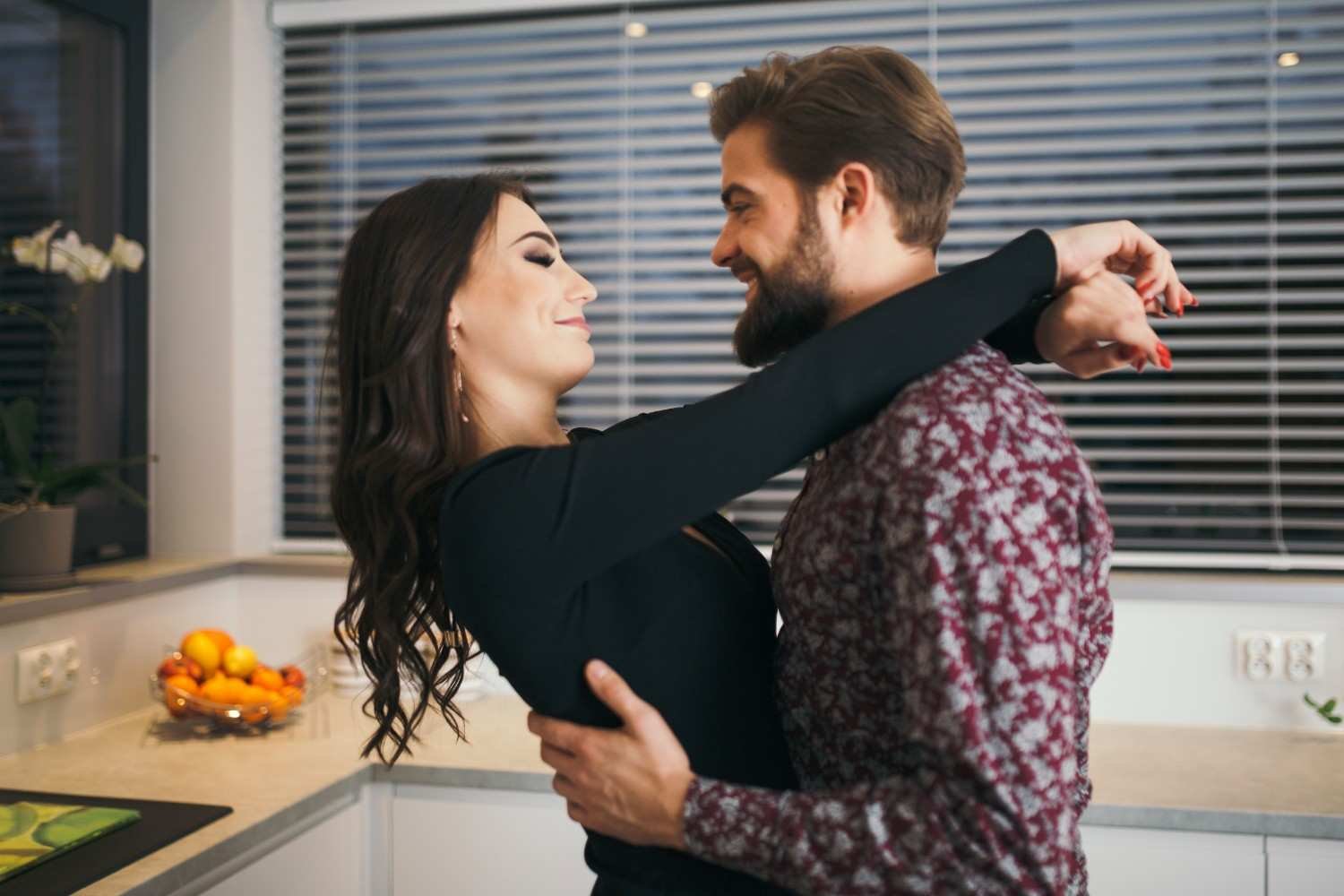
If I had to start over, I would follow a very clear system.
I would focus on rhythm first, making sure I can stay on beat without thinking. Then I would practice one basic pattern repeatedly until it feels automatic. After that, I would work on connection and frame while dancing slowly.
Using short daily sessions, recording progress, and practicing with different partners would complete the process. This structured approach is the most reliable way to understand how to learn partner dancing quickly without feeling overwhelmed.
FAQs About How To Learn Partner Dancing Quickly
1. How long does it take to learn partner dancing for beginners?
Most beginners feel comfortable within one to two weeks of consistent daily practice, especially when focusing on rhythm and simple patterns.
2. Do I need a partner to start learning?
No, you can build timing, posture, and footwork on your own. Practicing solo actually speeds up your progress.
3. What is the easiest partner dance to learn?
Country swing and bachata are among the easiest because they use simple, repeatable patterns and flexible timing.
4. Can I learn to dance with a partner dancing at home?
Yes, combining home practice with occasional classes or social dancing is one of the fastest ways to improve.
What Actually Helps You Improve Faster Than Anything Else
Looking back, the biggest shift for me was simplifying everything. Once I stopped chasing complex routines and focused on rhythm, connection, and repetition, progress became much faster, helping me naturally build confidence through dance.
Partner dancing is not about perfection. It is about feeling comfortable moving with another person. When you build that foundation step by step, confidence follows naturally.