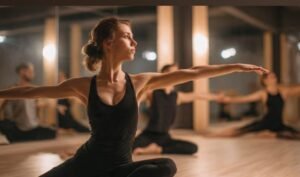
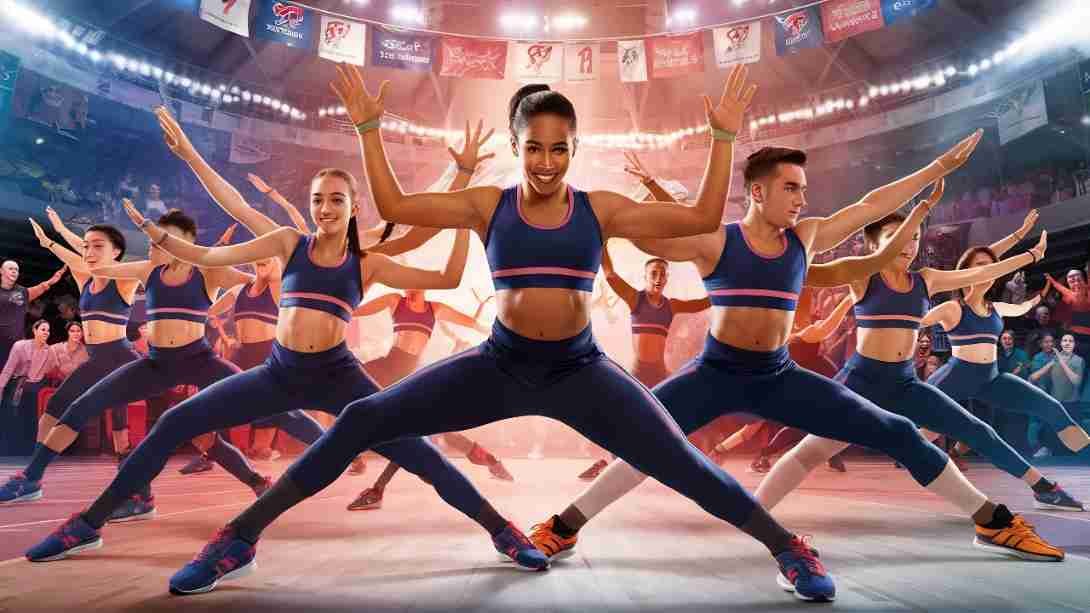
Stamina plays a decisive role in dance competitions because it directly impacts how consistently you perform from start to finish. Most routines last between two to four minutes, but during that time, dancers must maintain energy, precision, and expression without visible fatigue. Even a slight drop in stamina can affect posture, timing, and overall presentation—things judges immediately notice.
Strong endurance allows you to maintain clean technique, sharp movements, and confident stage presence throughout your performance. It ensures that your final moments on stage are just as powerful as your opening steps. In competitive dance, stamina is not just about lasting longer—it’s about maintaining quality under pressure.
Understanding Dance-Specific Endurance
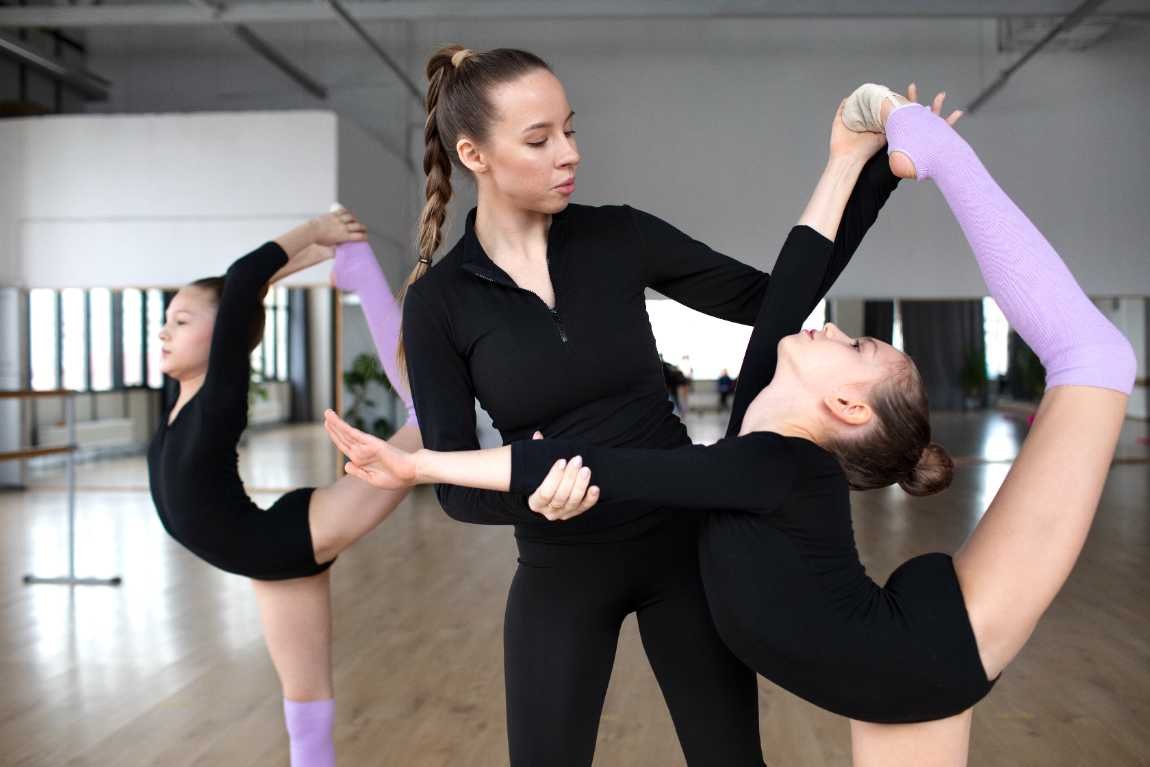
Dance stamina is different from general fitness because it combines multiple elements at once. A dancer needs cardiovascular endurance to keep moving, muscular endurance to maintain posture and control, and mental focus to stay engaged with the music and performance.
Unlike steady-state workouts, dance routines involve bursts of high energy followed by brief moments of recovery. This means your training must reflect these demands. Instead of only building endurance, you must also train your body to recover quickly and maintain technique even when tired. This combination is what makes dance stamina unique and essential.
High-Intensity Interval Training (HIIT) for Dancers
High-Intensity Interval Training, or HIIT, is one of the most effective ways to build stamina for dance competitions. It closely mimics the structure of dance routines by alternating between intense movement and short rest periods.
During a HIIT session, you might perform high-energy exercises such as jumping jacks, burpees, or fast footwork for around 30 to 40 seconds, followed by a short rest of 10 to 20 seconds. This pattern trains your body to handle bursts of intensity while improving recovery speed.
HIIT not only strengthens your cardiovascular system but also helps you maintain control during high-energy movements. Over time, this makes it easier to perform routines without losing breath or energy.
Circuit Training for Full-Body Endurance
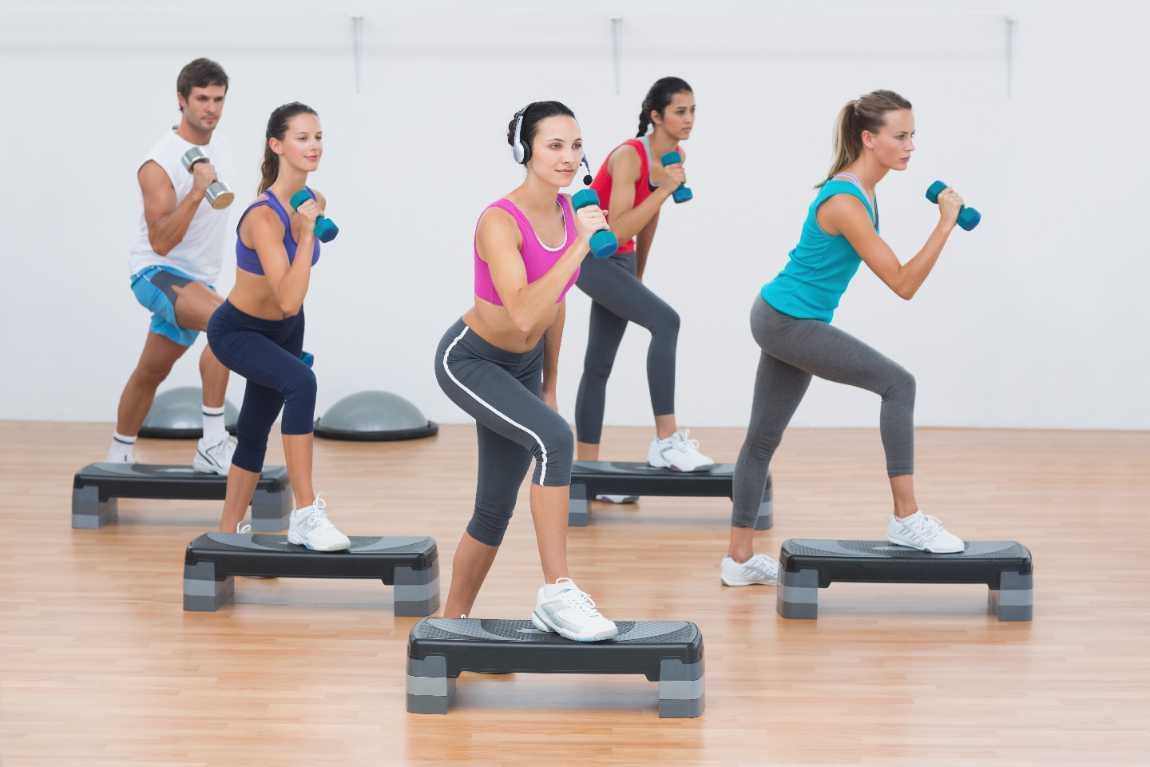
Circuit training is another highly effective method for dancers because it combines strength and cardio into one continuous workout. Instead of focusing on a single type of exercise, you move through a series of movements that challenge different muscle groups while keeping your heart rate elevated.
A typical circuit may include exercises like squats, lunges, planks, and high knees performed one after another. This type of training improves muscular endurance, which is crucial for maintaining posture and technique during long routines.
Unlike isolated workouts, circuit training prepares your body for the demands of dance by simulating continuous movement. It helps you stay strong and controlled even when your muscles begin to fatigue.
Interval Training and Simulated Dance Runs
Interval training can be adapted specifically for dancers by incorporating choreography into the workout. Instead of using general exercises, you practice sections of your routine at full intensity, followed by short rest periods.
This method allows you to build stamina while improving technique at the same time. By focusing on smaller sections of your routine, you can maintain high quality without becoming overly exhausted.
Simulated dance runs are also useful. Instead of repeating the entire routine multiple times, break it into segments and perform each part with maximum energy. This helps you train both endurance and performance without overtraining.
Cross-Training for Better Endurance
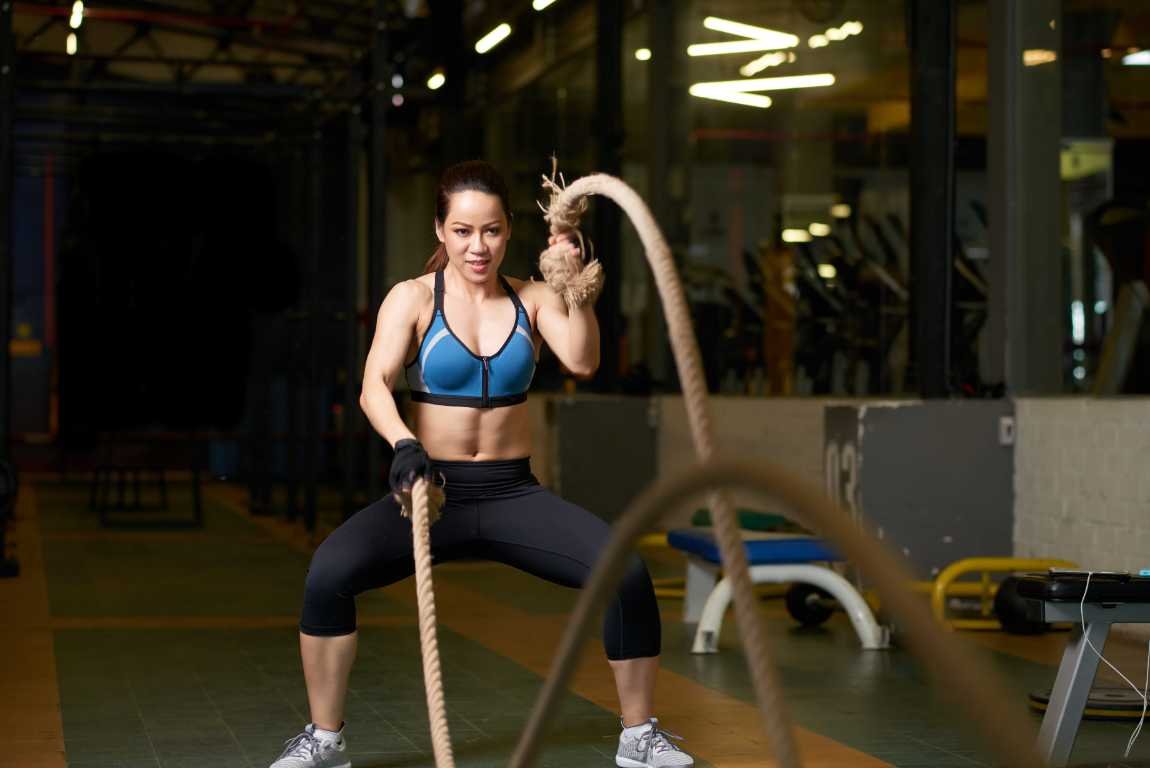
Cross-training adds variety to your routine while improving overall stamina. Activities like running, cycling, or swimming help strengthen your cardiovascular system and increase lung capacity.
These exercises are especially helpful because they allow you to build endurance without placing too much stress on the same muscles used in dancing. Low-impact options such as cycling or swimming are ideal for recovery days while still improving fitness.
Including cross-training in your schedule ensures that your body remains well-conditioned and capable of handling intense dance sessions.
Strength Training to Support Stamina
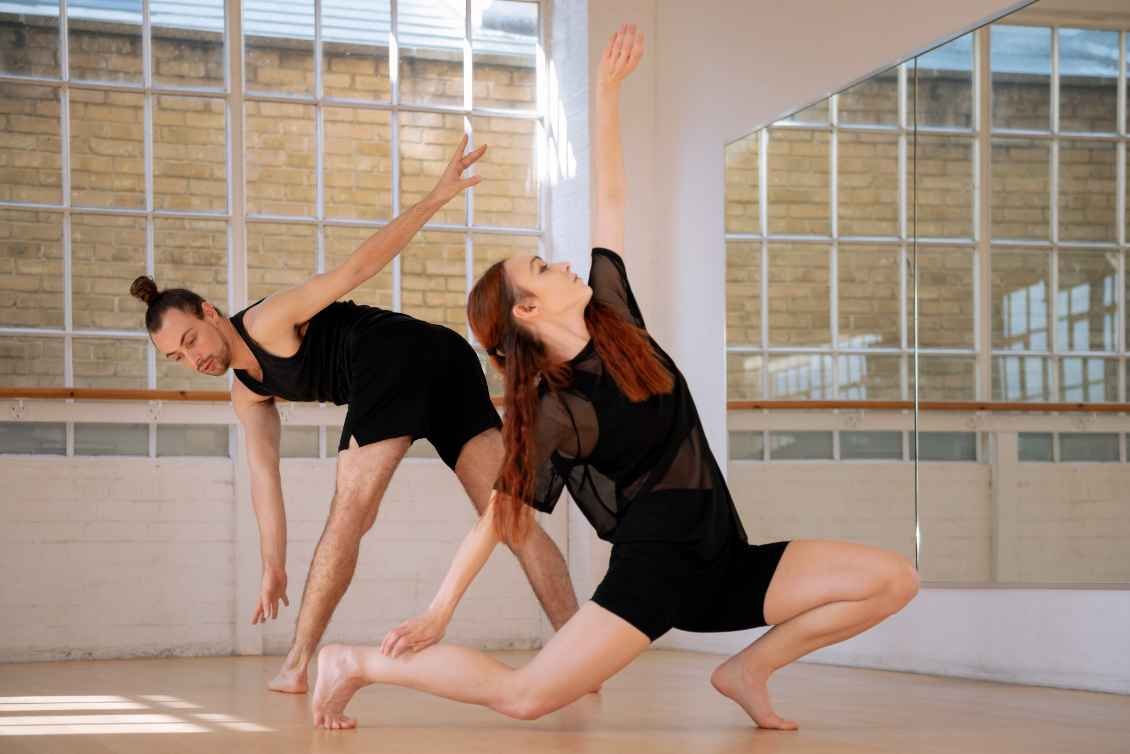
Strength training is essential for maintaining technique when fatigue sets in. Strong muscles provide stability, allowing you to hold posture and execute movements with control even during demanding routines.
Focus on exercises that target the legs, core, and upper body, as these areas are heavily involved in dance. When your muscles are stronger, they can sustain effort for longer periods without tiring quickly.
This not only improves stamina but also enhances overall performance quality.
Sample No-Equipment Stamina Circuit
You can build effective stamina without any equipment by following a simple circuit routine. This type of workout is practical and easy to perform anywhere.
A basic example includes:
- Skater squats or bodyweight squats for lower body strength
- Plank holds to engage the core
- Reverse lunges to improve balance and endurance
- High knees or running in place to elevate heart rate
Perform each exercise for around 30 to 60 seconds and repeat the circuit three to four times. The key is to maintain proper form and consistent intensity throughout.
Weekly Stamina Training Plan
How to start dancesport training ?A structured weekly routine helps you build stamina steadily without overtraining. Instead of training randomly, focus on consistency and balance.
A practical approach is to include two to three sessions of HIIT or circuit training per week, each lasting around 20 to 30 minutes. In addition, daily dance practice of 15 to 30 minutes can help reinforce technique and improve endurance.
Combining these elements ensures that you are developing stamina while also refining your dance skills.
Tips for Building Stamina Faster
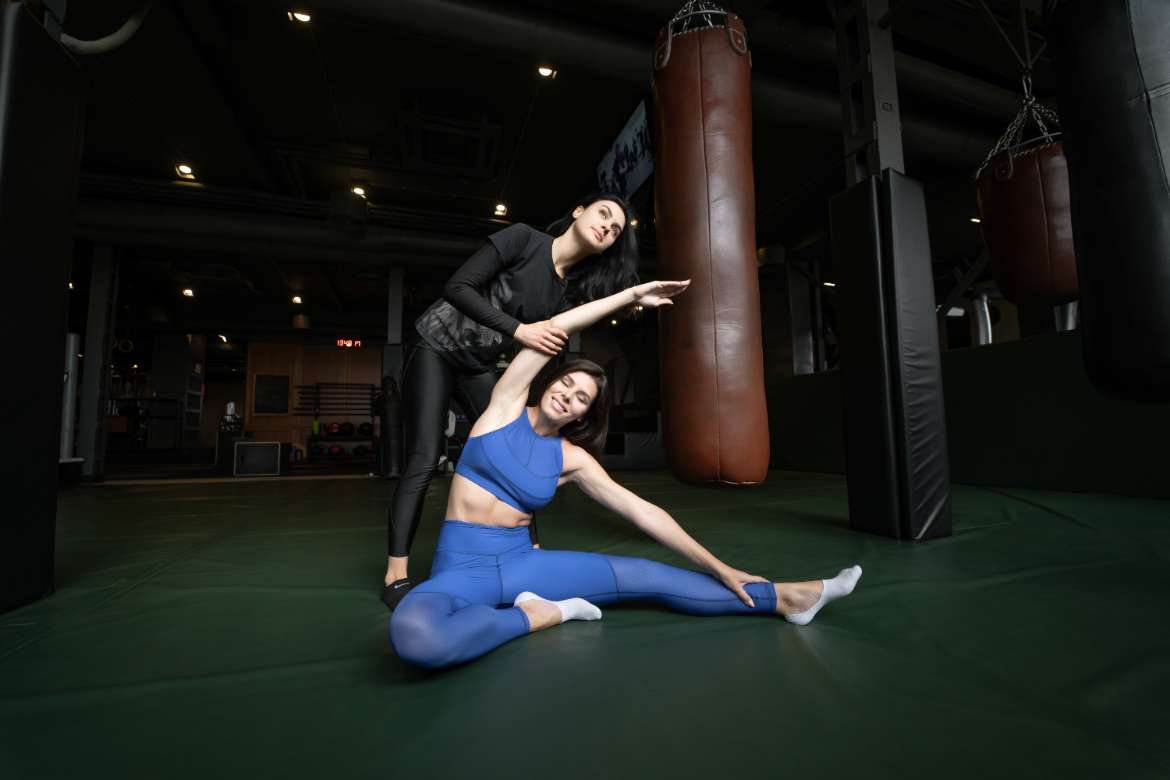
Improving stamina requires a combination of smart training and good habits. Consistency is the most important factor—regular training leads to gradual and lasting improvements.
You should also pay attention to your nutrition and hydration, as your body needs proper fuel to perform at its best. Recovery is equally important. Allowing time for rest helps your muscles rebuild and prevents fatigue from accumulating.
Mental preparation also plays a role. Staying focused and practicing controlled breathing during routines can help you manage energy more efficiently.
Common Mistakes to Avoid
Many dancers struggle with stamina because they rely only on practicing full routines without targeted conditioning. While repetition is important, it does not replace structured stamina training.
Another common mistake is neglecting strength training. Without strong muscles, it becomes difficult to maintain posture and control during long performances.
Overtraining without proper rest can lead to burnout and injuries. It is important to balance intense workouts with recovery time.
Ignoring breathing techniques is another issue. Proper breathing helps you stay relaxed and prevents early fatigue.
FAQs
How to increase stamina for dancing?
To increase stamina, focus on combining HIIT workouts, circuit training, and regular dance practice. Consistency and gradual progression are key to improving endurance over time.
How do dancers have so much stamina?
Dancers build stamina through consistent training that includes cardio, strength exercises, and repeated practice. Their bodies adapt over time, allowing them to perform at high intensity without tiring quickly.
Why do dancers say 5 6 7 8 instead of 1 2 3 4?
Dancers use “5 6 7 8” as a preparatory count to establish rhythm before starting on “1.” This helps ensure proper timing and synchronization.
What type of training is best for stamina?
The most effective training includes a combination of HIIT, circuit training, cross-training, and dance-specific drills. This approach builds endurance, strength, and performance simultaneously.
Build Competition-Level Endurance
Stamina is a key factor that separates average performances from outstanding ones. By training strategically and consistently, you can build the endurance needed to maintain energy, precision, and confidence throughout your routine.
Focus on combining high-intensity workouts, strength training, and proper recovery. Over time, these efforts will translate into better performance and greater confidence on the dance floor.