
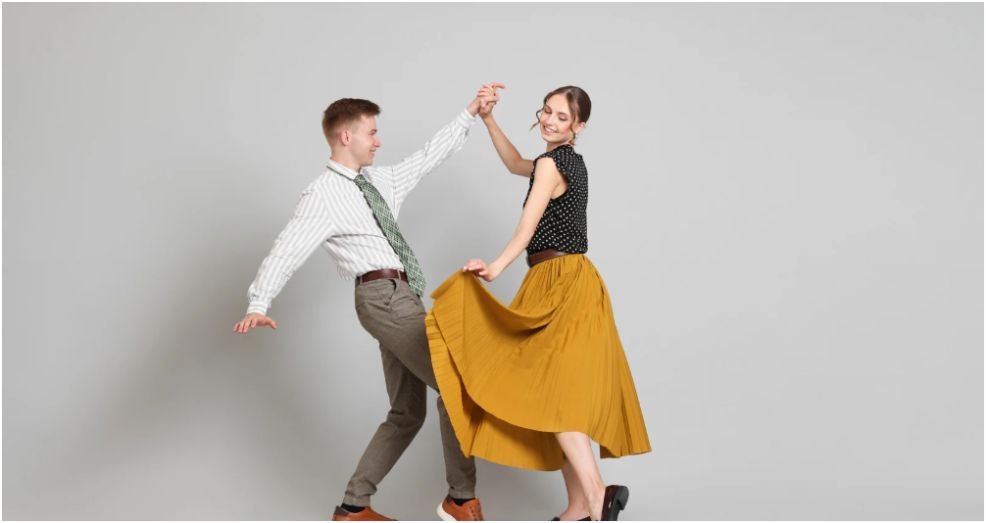
I still remember my first social dance. I stood near the edge of the floor, overthinking everything—what if I mess up, step on someone, or just look awkward? If you’re feeling the same, this beginner guide to dance etiquette in social events will save you from that spiral.
Here’s the truth most people don’t say: no one cares about perfect moves—they care about how you make them feel. Etiquette, not technique, is what makes you enjoyable to dance with.
And yes, even beginners can get this right from day one.
Why is dance etiquette more important than skill?
When I started, I thought I needed to impress people with moves. I was wrong.
On a crowded floor, safety and comfort matter more than choreography. If you move carefully, respect space, and stay aware, people will actually want to dance with you again.
This is where dance lifestyle benefits quietly begin. You’re not just exercising—you’re learning awareness, empathy, and social intelligence. Those skills spill into your daily life.
There’s also a cultural layer here. The importance of dance in culture reminds us that dance has always been about connection, not performance. Social dancing continues that tradition today.
How do you behave before and during a dance?

Before I even step onto the floor, I follow a simple routine.
I make sure I’m fresh—clean clothes, light fragrance (or none), and comfortable shoes. It sounds basic, but it instantly changes how confident I feel.
When I ask someone to dance, I keep it simple: eye contact, smile, and a clear ask. No overthinking.
During the dance, I stick to basics. I focus on timing and connection, not showing off. This is where how to feel confident at dance socials becomes real—confidence grows when you stop trying to prove something.
The biggest mistake beginners make? Trying too hard.
What mistakes should beginners avoid at socials?
I’ve made all of these, so you don’t have to.
First, don’t teach your partner unless they ask. Even if you mean well, it can feel awkward. Social dance floors are for fun, not correction.
Second, avoid dangerous moves like dips or lifts in crowded spaces. Safety always comes first.
Third, don’t apologize every five seconds. One quick “sorry” is enough. Then move on and keep dancing.
And finally, don’t stick to one person all night. Social dancing is about meeting different people. That’s how you grow—and how you enjoy the full experience.
How does culture influence social dance etiquette?
Dance etiquette didn’t just appear out of nowhere—it evolved from culture.
Think about traditional forms where respect, roles, and connection are central. That same energy carries into modern socials. Even today, you can see echoes of it in how dancers invite, lead, and respond.
If you’re curious, this idea connects beautifully with how ballroom dance reflects culture. It shows how movement carries history, values, and identity.
Understanding this makes you a better dancer. You stop treating dance like steps—and start treating it like communication.
How do you actually feel confident at your first social?
Confidence doesn’t come before action—it comes after you survive your first few dances.
I always tell beginners to set tiny goals. Not “I’ll dance all night,” but “I’ll ask two people.”
Find friendly dancers—the ones smiling and relaxed. They’re your safest bet.
And here’s a trick that works: act confident before you feel it. Stand straight, smile, and move. Your brain will catch up.
Over time, those small wins stack up. That’s how confidence builds naturally.
How To Beginner Guide to Dance Etiquette in Social Events

Start by preparing before you even arrive. Choose comfortable clothes, proper dance shoes, and keep hygiene in check. This sets the tone for how you feel and how others experience dancing with you.
When you arrive, take the beginner lesson if it’s offered. It helps you warm up, learn a few moves, and connect with people early. This reduces anxiety more than anything else.
Asking for a dance should feel simple. Walk up, smile, and ask clearly. If someone declines, accept it with ease and move on. That alone shows maturity.
Once you’re dancing, focus on your partner, not the crowd. Keep your movements controlled, match your partner’s level, and stay aware of space around you.
If you make a mistake—and you will—smile and continue. Don’t stop the dance. That flow matters more than perfection.
When the song ends, thank your partner and step off the floor. Then repeat the cycle with someone new.
That’s it. That’s the real system.
Simple Social Dance Routine for Beginners
| Stage | What To Do | Why It Works |
| Before arrival | Dress well, freshen up | Boosts confidence instantly |
| First 30 mins | Take beginner class | Warms up + reduces anxiety |
| During social | Stick to basics, ask 2–3 people | Builds comfort gradually |
| Mistakes happen | Smile and continue | Keeps energy positive |
| End of dance | Say thank you | Leaves a good impression |
Beginner Guide to Dance Etiquette in Social Events FAQ
1. What is the most important rule in a beginner guide to dance etiquette in social events?
Respect your partner and the space around you. Safety, comfort, and a positive attitude matter more than technical skill.
2. How do I stop feeling nervous at dance socials?
Focus on small goals like dancing with one or two people. Most dancers aren’t judging you—they’re focused on their own steps.
3. Can beginners ask experienced dancers to dance?
Yes, absolutely. Many experienced dancers enjoy dancing with beginners. Just be honest about your level and stay relaxed.
4. What should I do if I make a mistake while dancing?
Smile, keep going, and don’t over-apologize. Mistakes are normal and often go unnoticed if you stay calm.
You’re Overthinking It (And That’s Okay)
Here’s the reality: your first few socials won’t be perfect. Mine weren’t either.
But if you follow this beginner guide to dance etiquette in social events, you’ll already stand out—for the right reasons.
You’ll be the person who’s respectful, relaxed, and enjoyable to dance with.
And that matters more than any move.