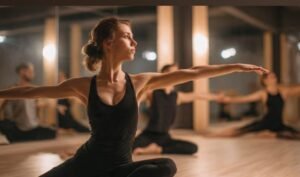
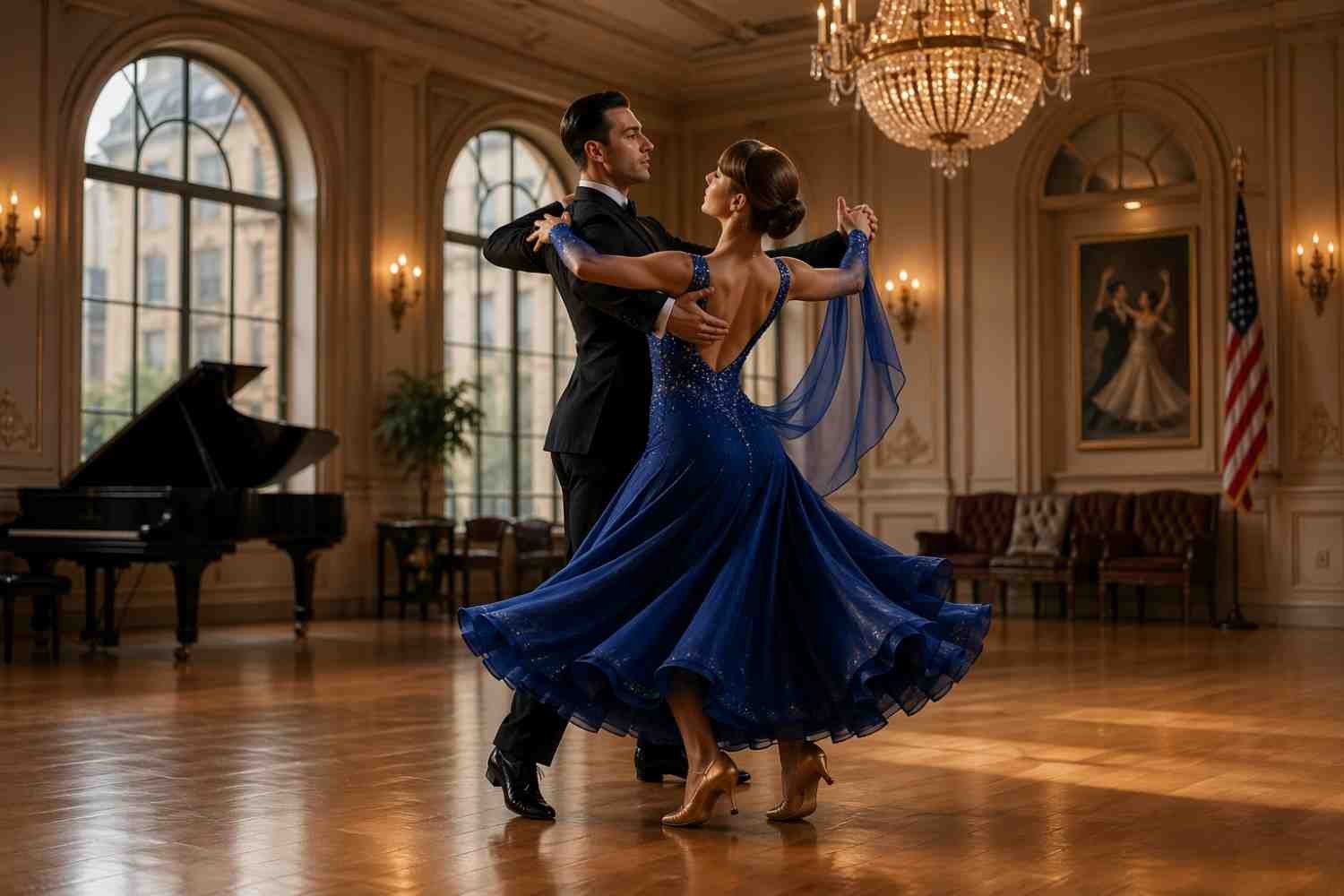
I still remember walking into my first dance class thinking I’d just “try it once.” It felt unfamiliar, slightly awkward, and honestly, a bit intimidating. But within a few sessions, something shifted. The music, the movement, the rhythm it started to feel less like learning steps and more like experiencing something.
That’s the thing about choosing ballroom dance as a hobby. It’s not something you fully understand by reading about it. You feel it. And once you do, it becomes more than just a weekly activity; it starts influencing how you move, think, and even connect with people.
Why Ballroom Dance Feels Different From Other Hobbies
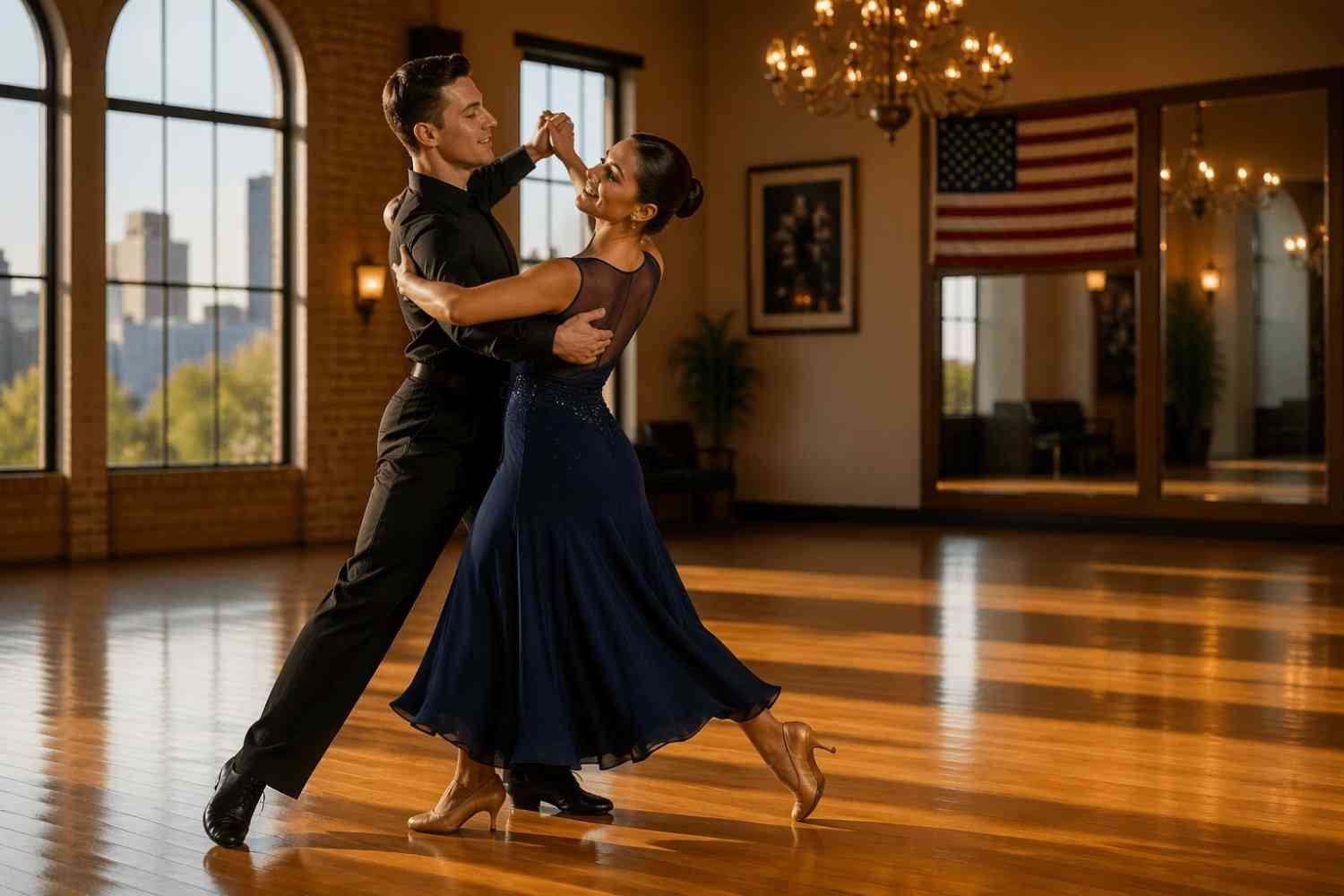
Most hobbies fall into neat categories: fitness, social, or creative. Ballroom dancing quietly blends all three. You’re moving your body, thinking through patterns, and interacting with another person, all at once.
It doesn’t feel like a workout in the traditional sense. Yet after an hour, you’re out of breath, mentally engaged, and surprisingly refreshed. That mix is what keeps people coming back, even when the learning curve gets frustrating.
The Real Benefits You Start Noticing Over Time
Physical Changes That Happen Gradually
Ballroom dancing works your entire body without making it feel forced. Over time, you begin to notice small but meaningful shifts in better posture, a stronger core, and smoother movement.
It improves:
- Cardiovascular endurance
- Balance and coordination
- Flexibility and joint mobility
For many adults, especially those tired of repetitive gym routines, it becomes a more engaging way to stay active.
Mental Sharpness You Don’t Expect
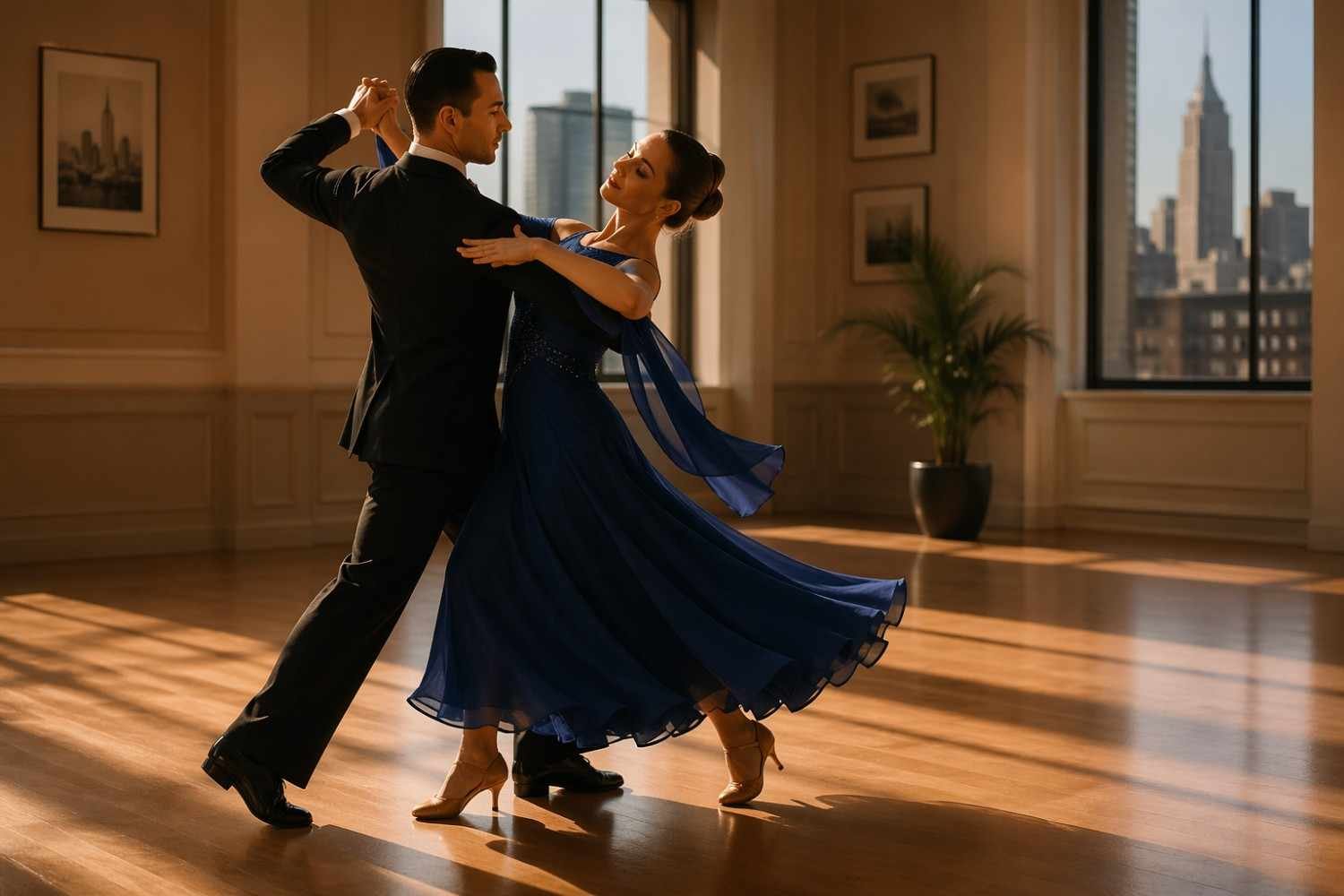
At first, remembering steps feels like the hardest part. But as you continue, your brain starts adapting. You learn to anticipate movement, respond to cues, and stay in rhythm.
Research has even linked regular dancing with a significantly lower risk of cognitive decline, showing how powerful it can be for long-term mental health. It’s one of the few hobbies where you’re constantly thinking without realizing it.
Emotional And Social Impact
This is where ballroom dance stands out the most. It naturally brings people together. You’re not just learning steps, you’re learning how to communicate without words.
Group classes and practice sessions create an environment where:
- Conversations happen easily
- You meet people outside your usual circle
- Social confidence improves naturally
For many, it becomes less about dancing and more about the sense of community that builds around it.
The Challenges No One Really Talks About
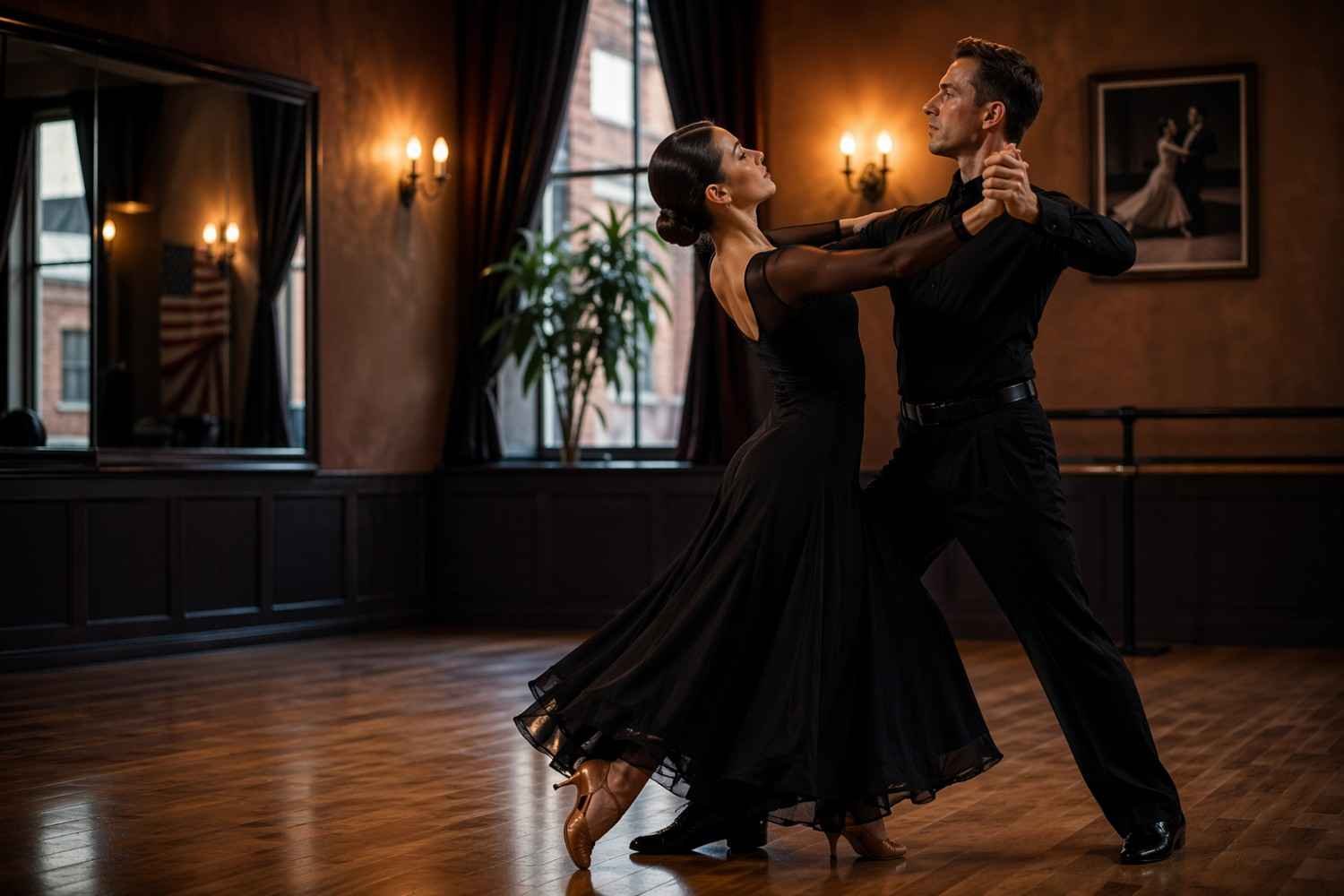
Starting ballroom dance as a hobby isn’t always smooth. And most beginners go through the same struggles.
It Feels Awkward In The Beginning
You might not know where to look, how to hold your posture, or even how to move naturally. It’s common to:
- Look down at your feet constantly
- Overthink every step
- Feel out of sync with your partner
This phase is normal. It usually lasts a few weeks, but it can feel longer if you’re too focused on being perfect.
Posture And Frame Take Time
One of the biggest surprises is how much emphasis is placed on posture. A strong frame (how you hold your body and arms) is essential for partner communication.
At first, it feels unnatural. Your arms may feel stiff or too loose. But with practice, it becomes second nature.
Progress Isn’t Instant
Unlike some hobbies where improvement is quick, ballroom dancing requires patience. You might spend months just getting comfortable with basic movements.
Typically:
- 3–6 months to feel confident with basics
- 2–5 years to become a strong social dancer
That timeline can feel long, but the journey itself becomes part of the reward.
What To Expect When You First Start
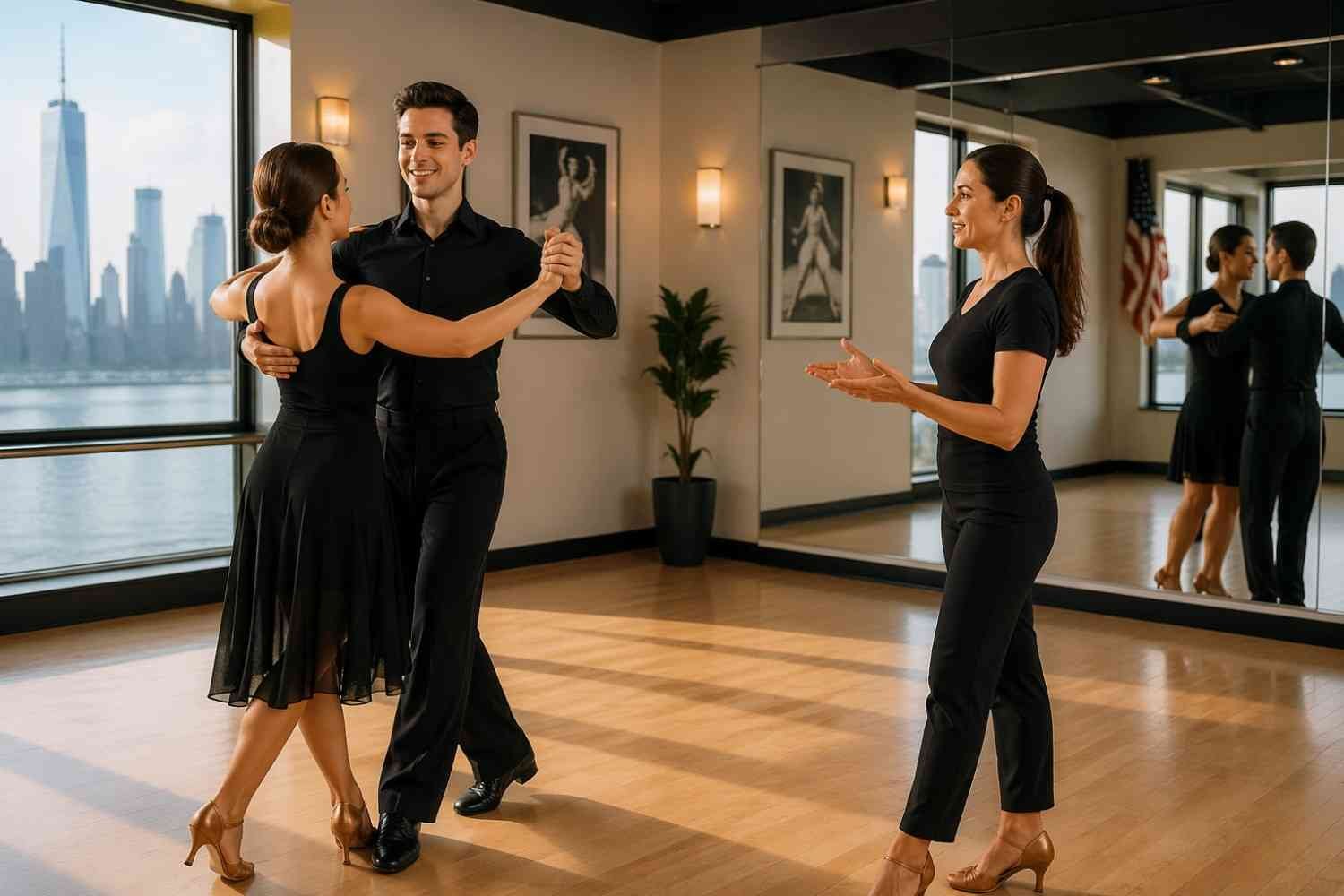
Walking into your first class can feel intimidating, but most studios are designed to ease you in.
How Classes Usually Work
A typical session is structured but relaxed. You’ll start with basic warm-ups, then move into foundational steps like the box step used in dances like the Waltz or Foxtrot.
You don’t need a partner. In most classes:
- Partners rotate frequently
- Instructors guide you step by step
- Everyone is at a similar beginner level
This rotation actually helps you learn faster because you adapt to different styles and rhythms.
What You Should Wear
There’s no need to overthink your outfit in the beginning. Comfortable clothing works best.
Most beginners start with:
- Workout clothes or something flexible
- Smooth-soled shoes (not too grippy)
Once you commit, investing in proper dance shoes can make a noticeable difference in movement and comfort.
Choosing The Right Learning Style
As you continue, you’ll notice two main learning paths:
- Group classes: More social and relaxed
- Private lessons: Faster improvement and personalized feedback
Many people start with group sessions and later mix in private lessons to refine their technique. Some also explore immersive experiences like ballroom dance camps for adults, which can accelerate learning while offering a more intensive and social environment.
Is Ballroom Dance Worth It As A Long-Term Hobby?
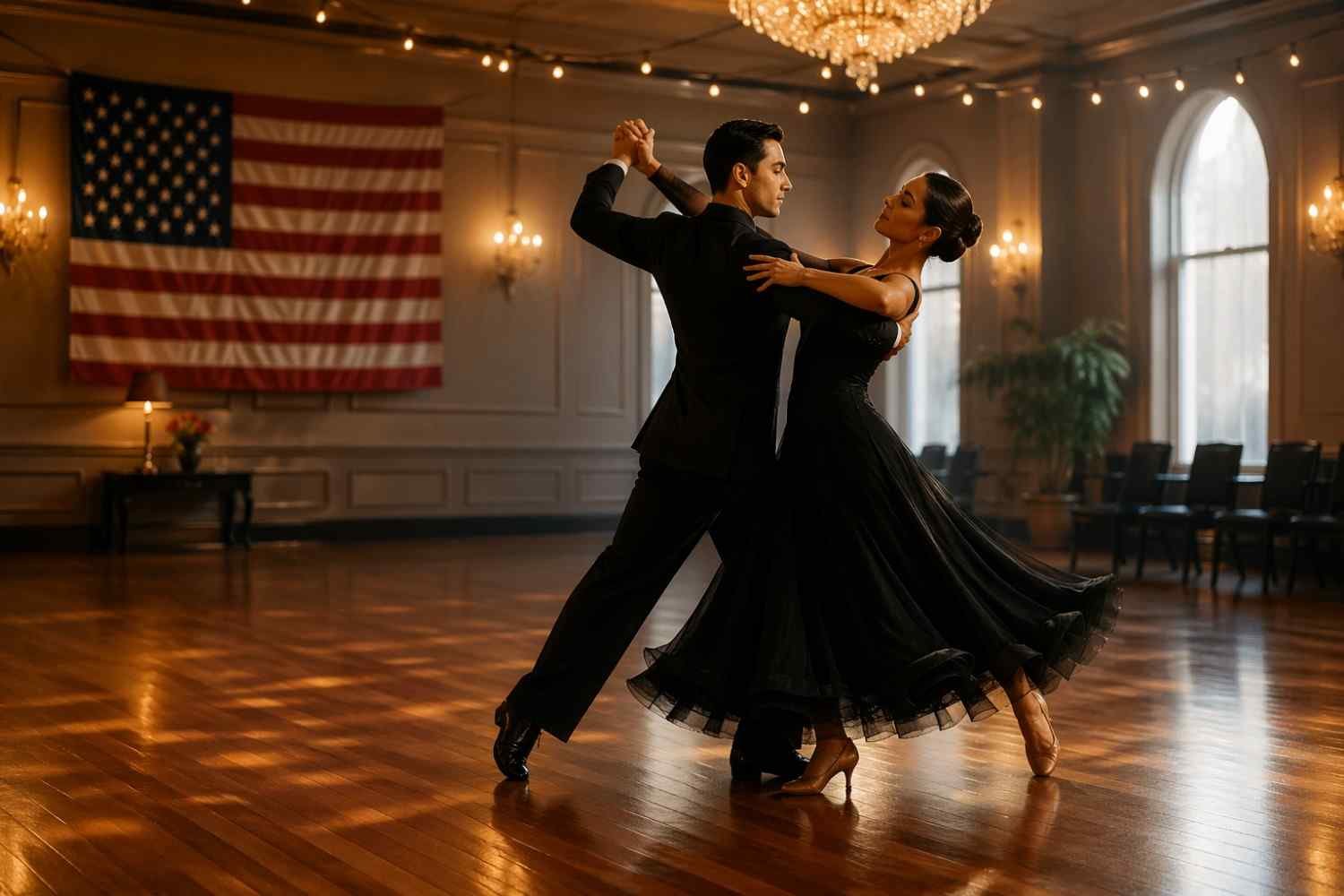
If you’re looking for something purely convenient or quick to master, this might not be it. But if you want something that grows with you, challenges you, and keeps evolving, ballroom dancing offers that.
It’s one of those hobbies where progress feels slow in the moment but obvious over time. One day, you realize you’re no longer thinking about steps, you’re just dancing.
FAQs: Ballroom Dance As A Hobby: Benefits, Challenges, And What To Expect
1. What Is The Best Age To Start Ballroom Dance As A Hobby?
There’s no perfect age. Many people start in their 20s, 30s, or even later. What matters more is consistency and willingness to learn.
2. Do I Need A Partner To Learn Ballroom Dancing?
No. Most classes rotate partners, so you can join alone and still learn effectively.
3. How Often Should I Practice As A Beginner?
2–3 times a week is ideal. Even one consistent session weekly can lead to steady progress over time.
4. Is Ballroom Dancing Good For Fitness?
Yes, it improves endurance, coordination, and strength while feeling far more engaging than traditional workouts.
Wrapping It All Up
Ballroom dancing isn’t just about steps or technique. It’s about learning how to move with intention, connect with others, and enjoy the process without rushing it. It challenges you in subtle ways physically, mentally, and socially without ever feeling overwhelming.
If you stick with it, it stops being something you “practice” and becomes something you naturally enjoy. And that’s when it truly turns into a lifelong hobby.