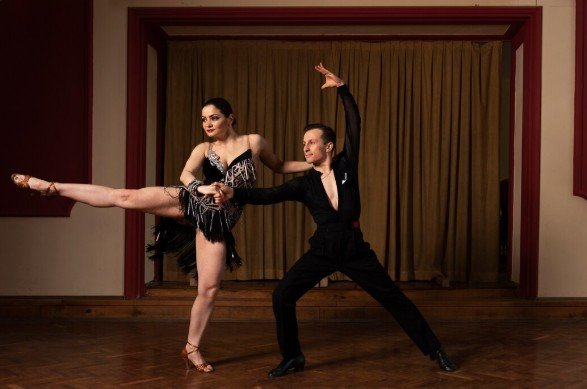
Footwork is one of the most important elements in ballroom dancing because it directly affects balance, movement quality, and overall performance. No matter how expressive your upper body is, poor footwork will limit your ability to move smoothly and stay in control. Strong, well-trained feet allow dancers to glide across the floor effortlessly, maintain rhythm, and execute movements with precision.
In ballroom dance, every step involves a specific sequence—heel, ball, and toe—that creates fluid motion. This “floor connection” is what separates beginners from advanced dancers. Instead of simply stepping, skilled dancers use the floor to generate power and maintain control. Developing this connection is essential for achieving elegance and consistency in your dancing.
Understanding Proper Foot Articulation
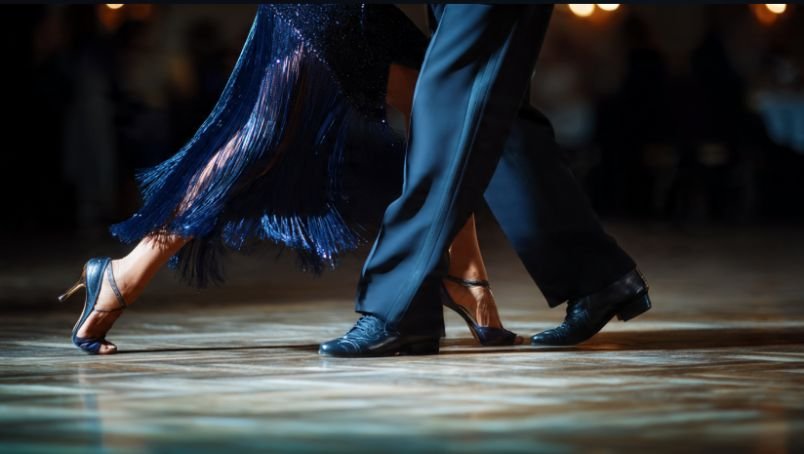
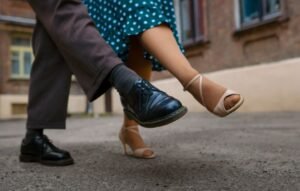
Before jumping into exercises, it’s important to understand how your feet should move. Foot articulation refers to how you transition through different parts of your foot during movement. In ballroom dancing, forward steps typically begin with the heel, roll through the ball, and finish on the toe. Backward steps usually start with the toe, roll through the ball, and end on the heel.
This controlled rolling action helps maintain balance and ensures smooth transitions between steps. Your feet should never feel stiff or passive. Instead, they should actively engage with the floor, creating a sense of flow and connection.
Another key concept is using the inside edge of the foot. Applying slight pressure toward the big toe improves stability and prevents your weight from shifting outward, which can disrupt balance.
Essential Footwork Exercises for Ballroom Dancers
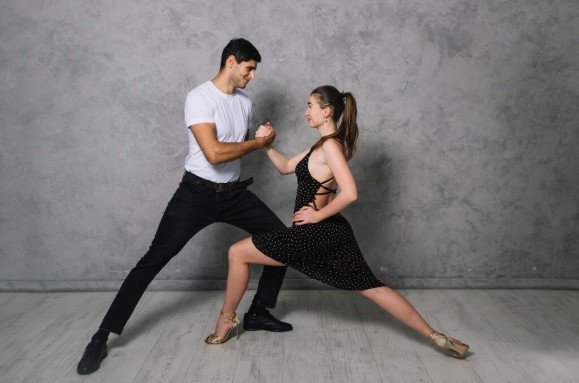
To improve your footwork, you need targeted exercises that build strength, flexibility, and coordination. Practicing these regularly will significantly enhance your movement quality.
Heel-ball-toe rolls are one of the most effective exercises. Step forward slowly, starting with the heel, then rolling through the ball, and finishing on the toe. For backward steps, reverse the sequence. This exercise trains proper weight transfer and helps you move more smoothly across the floor.
Ankle strength raises are another essential drill. Stand on the balls of your feet and slowly lift your heels up and down. This strengthens the ankles and improves control, which is crucial for maintaining balance during turns and transitions.
Toe-heel rocks help improve balance and coordination. Stand with your feet shoulder-width apart and shift your weight between your toes and heels. This teaches your body to stay centered and responsive.
Samba rolls or foot articulation drills involve extending one foot forward and rolling through the ball to the toe. This exercise builds flexibility and strengthens the muscles in your feet.
The sitting foot point exercise is simple but effective. Sit down, extend your legs, and point your toes forward, then pull them back toward your shin. This improves foot flexibility and enhances your ability to articulate movements.
Another useful drill is the tissue paper drag. Place a piece of tissue under the ball of your foot and practice moving while keeping it in place. This encourages proper floor contact and prevents lifting the foot unnecessarily.
Building Strength and Flexibility in Your Feet
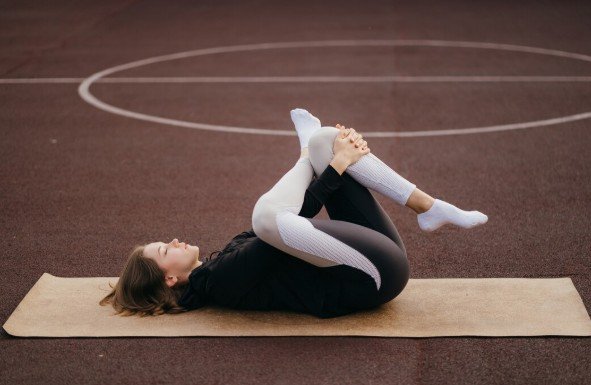
Strong and flexible feet are essential for good ballroom technique. Without proper strength, your movements will lack stability. Without flexibility, your steps will appear stiff and restricted.
To build strength, focus on exercises that engage the ankles and calves. Repeated heel raises, controlled movements, and balance exercises help develop the muscles needed for stability. Strength training also reduces the risk of injuries, especially during long practice sessions.
Flexibility is equally important. Stretching the Achilles tendon and the instep allows for better range of motion. Simple stretches, such as pressing the heel into the floor while leaning forward, can improve ankle mobility over time.
Combining strength and flexibility training ensures that your feet can handle both slow, controlled movements and fast, dynamic steps.
Key Technique Focus Areas
Improving footwork is not just about doing exercises—it’s about applying the right technique in every movement. One of the most important concepts is maintaining a strong connection with the floor. Instead of stepping lightly or lifting your feet too much, focus on pushing through the floor to create movement.
Foot articulation should always be active. Your feet should move smoothly from heel to toe or toe to heel, depending on the direction. This creates a flowing, continuous motion rather than a series of disconnected steps.
Balance is another critical factor. Keeping your weight centered and aligned over your feet allows for better control and prevents unnecessary wobbling. Using the inside edge of the foot helps maintain stability and improves overall technique.
Sample Daily Footwork Practice Routine
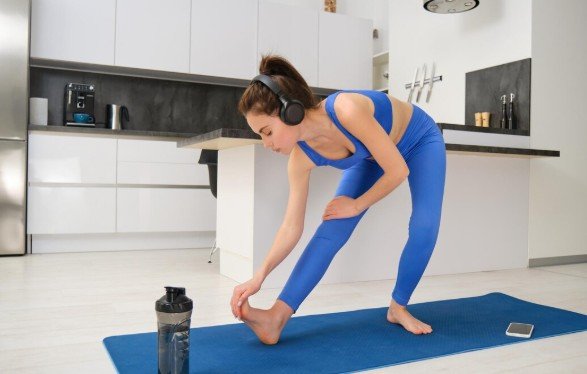
A consistent practice routine is the key to improving footwork. Even 15 to 20 minutes a day can make a noticeable difference.
Start with a warm-up that includes gentle ankle rotations and light stretches. This prepares your feet for movement and reduces the risk of injury.
Move on to basic exercises such as heel-ball-toe rolls and ankle raises. Practice these slowly at first, focusing on control and precision.
Incorporate balance drills like toe-heel rocks and standing on one foot. These exercises improve stability and coordination.
Finish with stretching exercises to improve flexibility and relax the muscles. Consistency in this routine will gradually strengthen your feet and refine your technique.
Common Footwork Mistakes to Avoid
Many dancers struggle with footwork because of small but significant mistakes. One common issue is lifting the feet too much instead of maintaining contact with the floor. This breaks the flow of movement and reduces control.
Another mistake is neglecting foot articulation. Flat or lazy steps can make your dancing look heavy and unpolished. Always focus on rolling through the foot properly.
Poor balance is also a frequent problem. This often happens when dancers shift their weight incorrectly or fail to engage their core. Maintaining proper alignment is essential for stability.
Rushing through exercises without focusing on technique is another mistake. Slow, controlled practice is far more effective than fast, careless repetition.
FAQs
How do I improve my footwork in dancing?
Improving footwork requires consistent practice and attention to detail. Focus on exercises that develop strength, flexibility, and coordination. Practice slow, controlled movements and pay close attention to how your feet interact with the floor. Recording your practice sessions can also help identify areas for improvement.
Can dance lower blood pressure?
Yes, regular dancing can contribute to better cardiovascular health, which may help lower blood pressure over time. Dance combines physical activity with stress relief, making it beneficial for overall well-being.
What exercises improve footwork?
Exercises such as heel-ball-toe rolls, ankle raises, toe-heel rocks, and foot articulation drills are highly effective. Balance exercises and flexibility stretches also play an important role in improving footwork.
Are there 5 positions of feet in ballroom dance?
Yes, ballroom dancing often uses five basic foot positions, similar to classical dance principles. These positions help maintain alignment, balance, and proper technique during movement.
Build Stronger, More Precise Footwork
Improving your footwork is one of the fastest ways to elevate your ballroom dancing. Strong, well-articulated feet allow you to move with confidence, maintain balance, and perform with greater precision.
By practicing targeted exercises, focusing on proper technique, and staying consistent, you can develop the control and strength needed for smooth, powerful dancing. Over time, these improvements will not only enhance your technique but also boost your confidence on the dance floor and know how to start dancesport training.