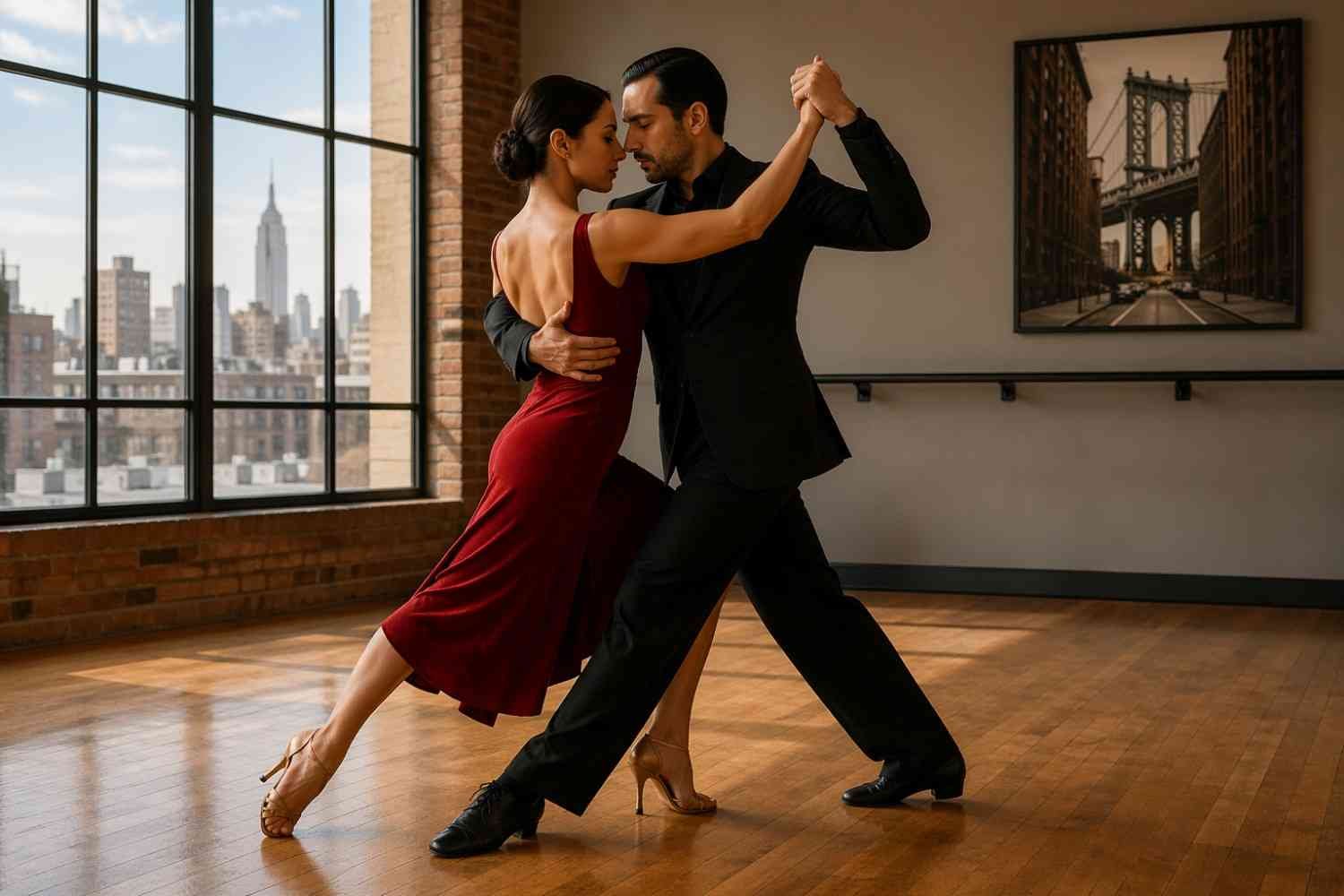
Walking into your first tango class feels exciting… and a little uncomfortable. You’re aware of your posture, your steps feel slightly off, and there’s that quiet pressure of moving in sync with someone else. Most people assume they’ll be learning dramatic moves right away, but the reality is much slower and, honestly, much more subtle.
What surprised me early on was how little it’s about “steps” in the beginning. You’re not there to memorize flashy sequences. You’re there to learn how to walk, connect, and listen to the music and to another person. Once you accept that, everything starts to feel less overwhelming and more intentional.
What Your First Tango Classes Are Really About
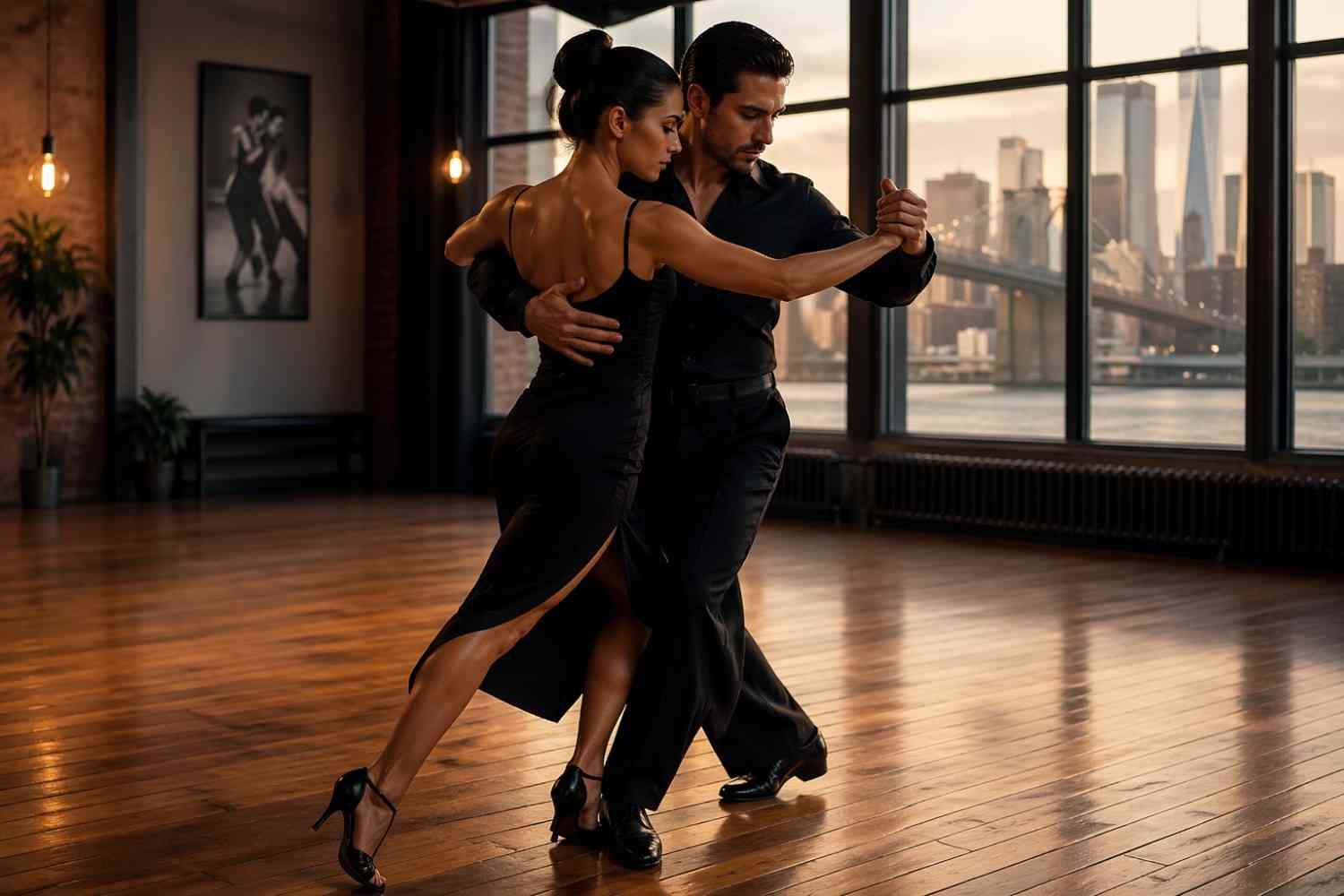
In your first few tango classes, the goal isn’t to jump into kicks or complex patterns. It’s about understanding the mechanics that make social dancing possible. Most beginners reach a point where they can comfortably dance through a full song in about 6 to 10 weeks if they stay consistent.
That early phase is about building a foundation that doesn’t look impressive but feels right. It’s where your body starts adapting to balance, rhythm, and connection, things that matter far more than memorizing steps.
The Core Pillars You’ll Keep Coming Back To
Tango is often described as a “walking dance,” and that idea shows up immediately in class. Everything revolves around a few key elements that you’ll revisit again and again.
The Walk (Caminata)
This is where most of your time goes. And yes, it can feel repetitive at first.
You’ll learn how to:
- Transfer your weight fully from one foot to the other
- Step with control instead of rushing
- Bring your feet together cleanly after each step
It sounds simple, but this is easily 80–90% of what makes your dancing feel smooth. A confident walk changes everything.
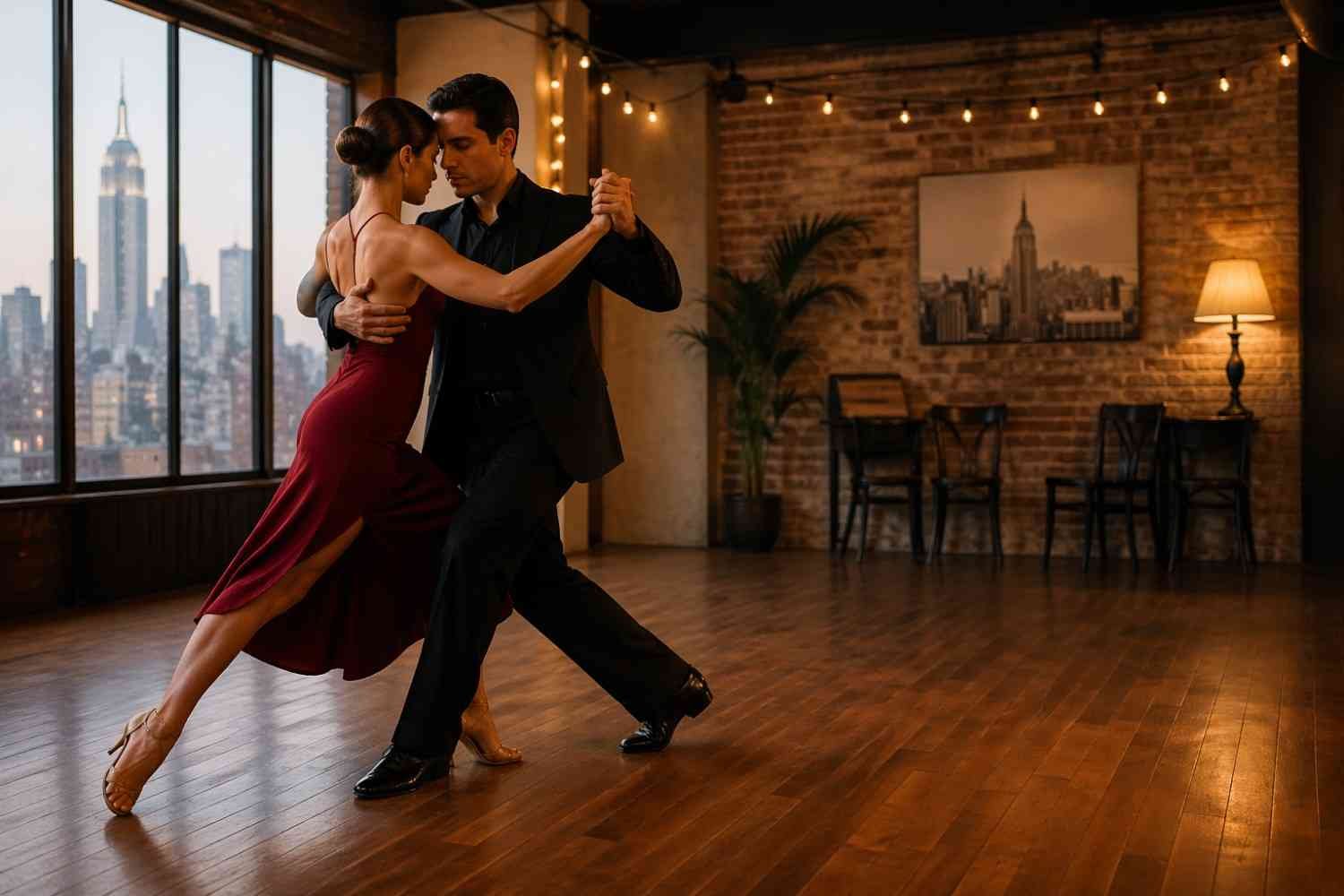
The Embrace (Abrazo)
This is where tango starts to feel different from other dances. Unlike many romantic ballroom dance styles, tango focuses less on large, showy frames and more on a close, responsive connection that evolves between partners over time.
Instead of rigid positioning, you learn a “living” connection. In the beginning, it’s usually more open, so you can see what you’re doing. Over time, it becomes closer and more intuitive.
The key here is responsiveness, not stiffness. You’re learning how to communicate without words.
Posture And Alignment
This part feels small but makes a huge difference.
You’ll constantly hear corrections like:
- Keep your head, ribs, and hips aligned
- Stay relaxed, not stiff
- Keep a soft bend in your knees
When this clicks, your balance improves instantly. Turns feel easier. Movements feel lighter.
Musical Awareness
You’re not just moving, you’re moving with the music.
Beginners usually start with tracks that have a steady, clear rhythm. Instead of counting complicated beats, you learn to feel a consistent pulse. That’s what keeps both partners in sync.
The First Movements You’ll Actually Learn
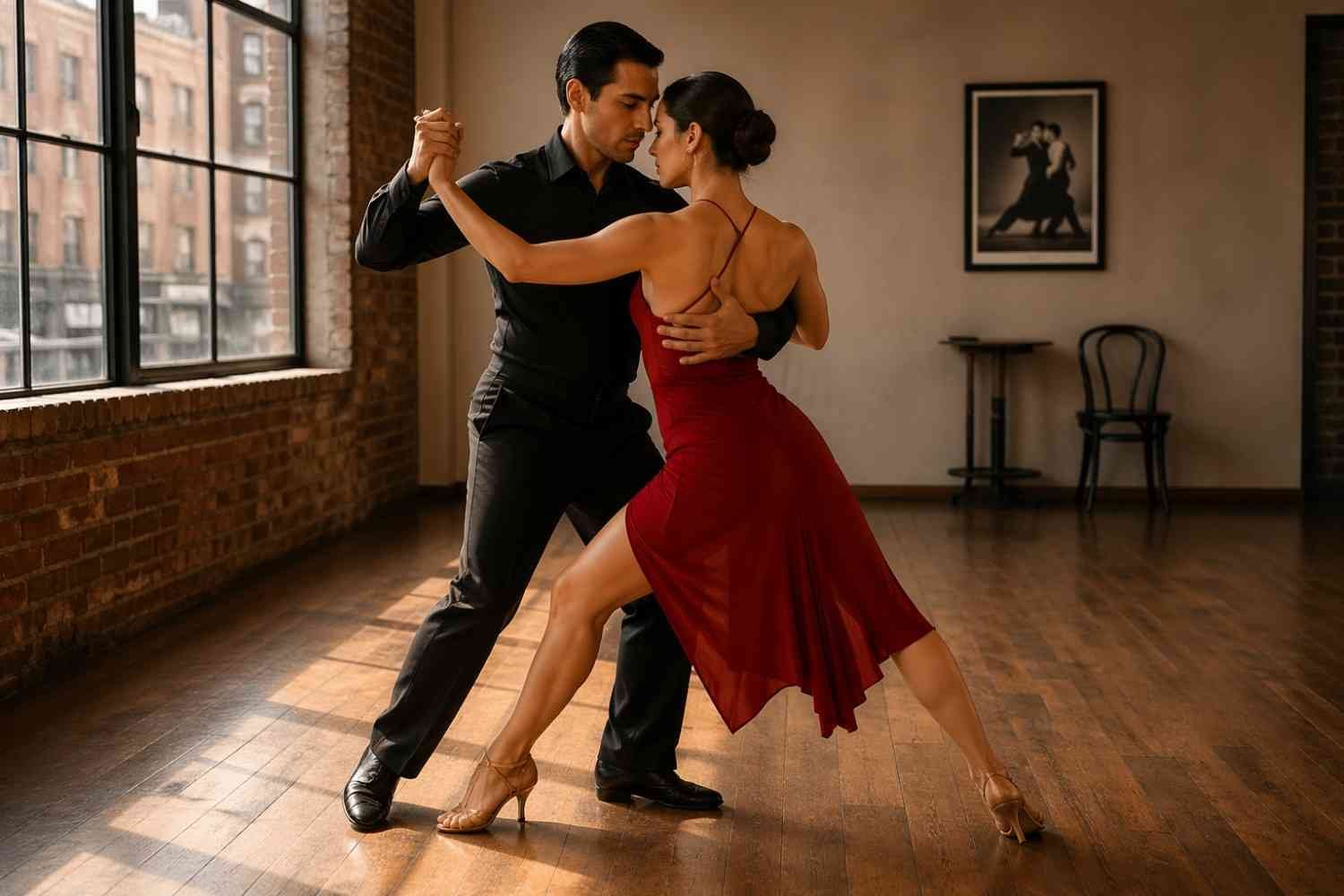
Even though tango isn’t about memorizing routines early on, there are a few foundational movements that show up in most beginner classes.
The Cross (Cruzada)
This is one of the first moments where you feel the connection working.
It teaches:
- Leaders know how to guide weight changes clearly
- Followers know how to respond naturally
When it works, it feels effortless. When it doesn’t, you immediately notice.
Ochos (Figure Eights)
These introduce pivoting and circular motion.
You’ll usually start with back ochos because they help build:
- Balance
- Control
- Awareness of your axis
They might feel awkward at first, especially when turning, but they slowly become smoother.
Learning To Pause
This is something most beginners overlook.
Tango isn’t about constant movement. Knowing when to stop and hold that moment is just as important. It gives the dance space to breathe and makes everything feel more musical.
What Actually Helps You Improve Faster
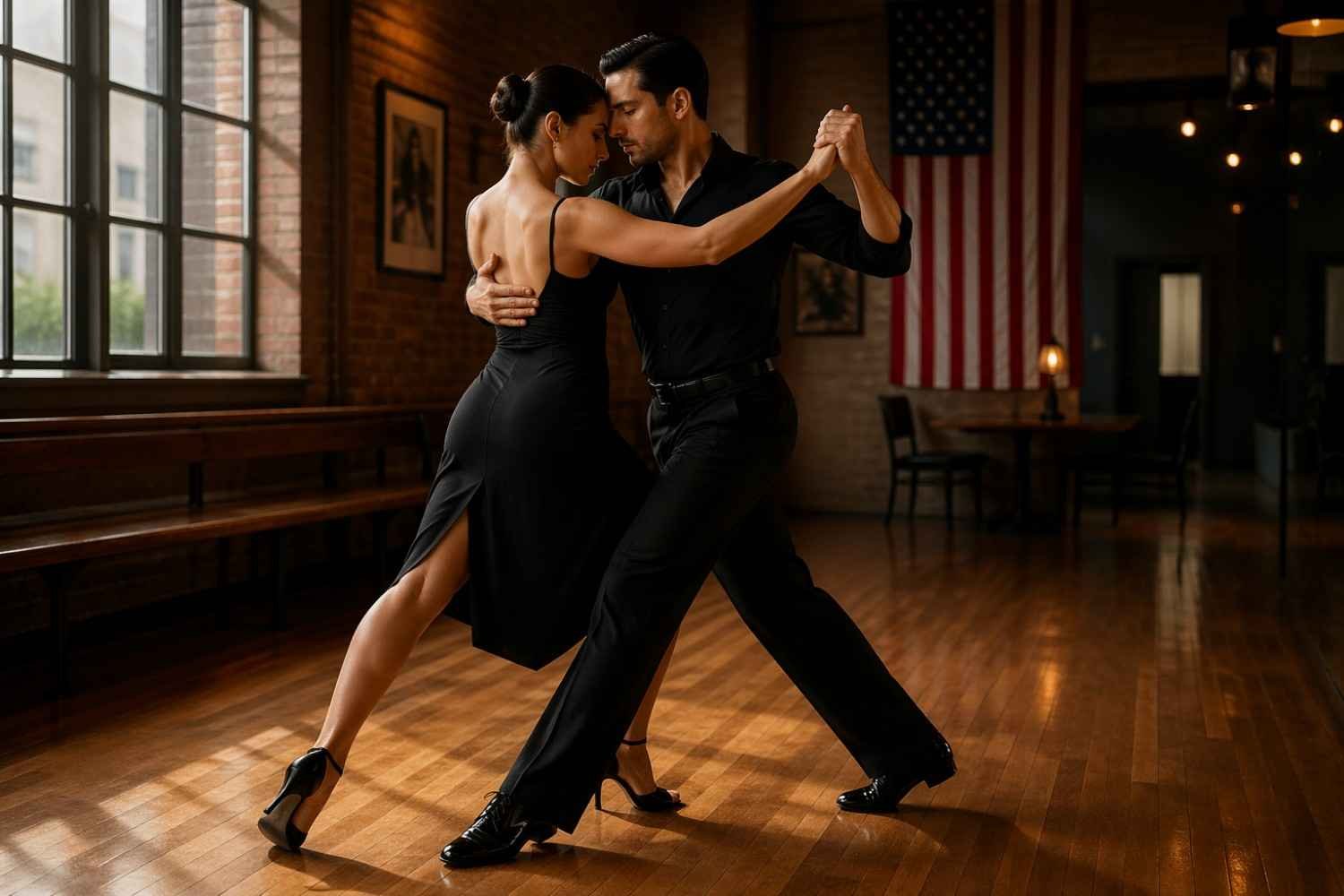
There’s a noticeable difference between people who progress quickly and those who feel stuck. And it’s not about talent.
It usually comes down to small habits.
- Rotate partners often
Dancing with different people forces you to adapt. You stop relying on familiarity and start truly leading or following. - Wear the right shoes
Sticky soles make pivots harder than they need to be. Shoes with a bit of glide help you move naturally. - Practice in short bursts
Even 5–10 minutes of walking practice at home can make a visible difference in class. - Stay aware of the dance floor
You’ll gradually learn how to move with others around you. Keeping steps small and controlled matters more than doing bigger movements.
FAQs: Learning Tango Dance Basics: What Actually Matters in Your First Few Classes
1. What should I focus on in my first tango classes?
Focus on walking, posture, and connection. These are the core elements that everything else builds on. Fancy moves can come later.
2. How long does it take to learn tango basics?
With consistent weekly practice, most beginners can comfortably dance a full song within 6 to 10 weeks.
3. Is tango difficult for beginners?
It can feel challenging at first because it’s subtle and connection-based. But once the basics click, it becomes much more intuitive.
4. Do I need a partner to learn tango?
No, most classes rotate partners. This actually helps you learn faster because you adapt to different styles and movements.
Wrapping It All Together
Learning tango in the beginning feels slower than expected, but that’s exactly what makes it work. You’re building something that isn’t just about steps; it’s about awareness, connection, and control. The small details you practice early on are the same ones that make advanced dancers look effortless later.
Stick with the basics, even when they feel repetitive. That’s where the real progress happens. And once it starts to click, you’ll realise it was never about doing more, it was about doing the simple things better.