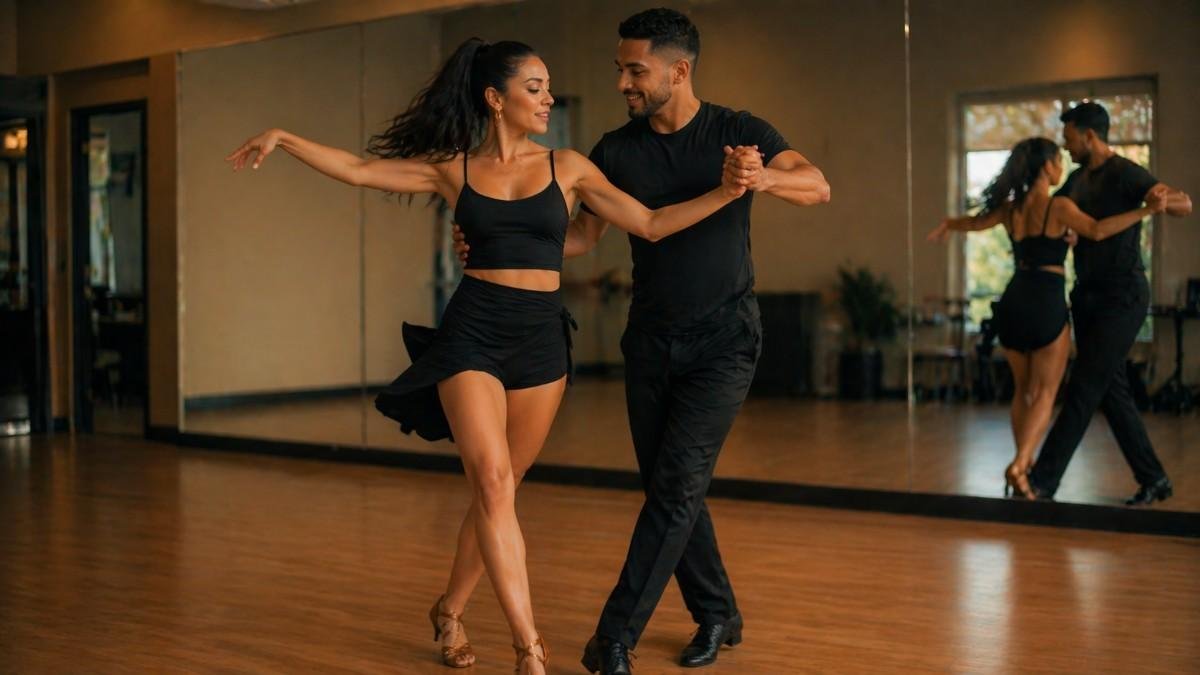
That awkward moment on the dance floor where everyone seems perfectly in sync used to confuse me more than anything else. Learning how to count salsa music felt overwhelming at first, especially with all the instruments and rhythms happening at once. But once I understood the structure and started listening with intention, the rhythm stopped feeling chaotic and started feeling natural.
Key Takeaways
- Salsa follows an 8-count cycle but dancers step on 6 beats
- The basic rhythm is 1-2-3, pause, 5-6-7, pause
- Finding the 1 is the most important skill
- On1 and On2 timing change how you interpret music
- Instruments like conga, cowbell, and piano guide your timing
Understanding Salsa Counts
This is the foundation you need before anything else makes sense. Salsa music is structured in two bars of 4/4 timing, which creates a full 8-count cycle. Even though the music plays all eight beats, dancers only step on six of them. This creates that signature rhythm that feels both smooth and energetic.
The standard dancer’s count goes like this:
1, 2, 3, 4, 5, 6, 7, 8
But in practice, it becomes:
1-2-3, pause, 5-6-7, pause
Those pauses on 4 and 8 are not empty. They give your movement space and control.
Why The 8-Count Structure Matters
This helps you stay aligned with the music. Understanding the full count allows you to move with the rhythm instead of guessing. Even when you are not stepping, your body still follows the beat internally.
The Standard Salsa Step Pattern
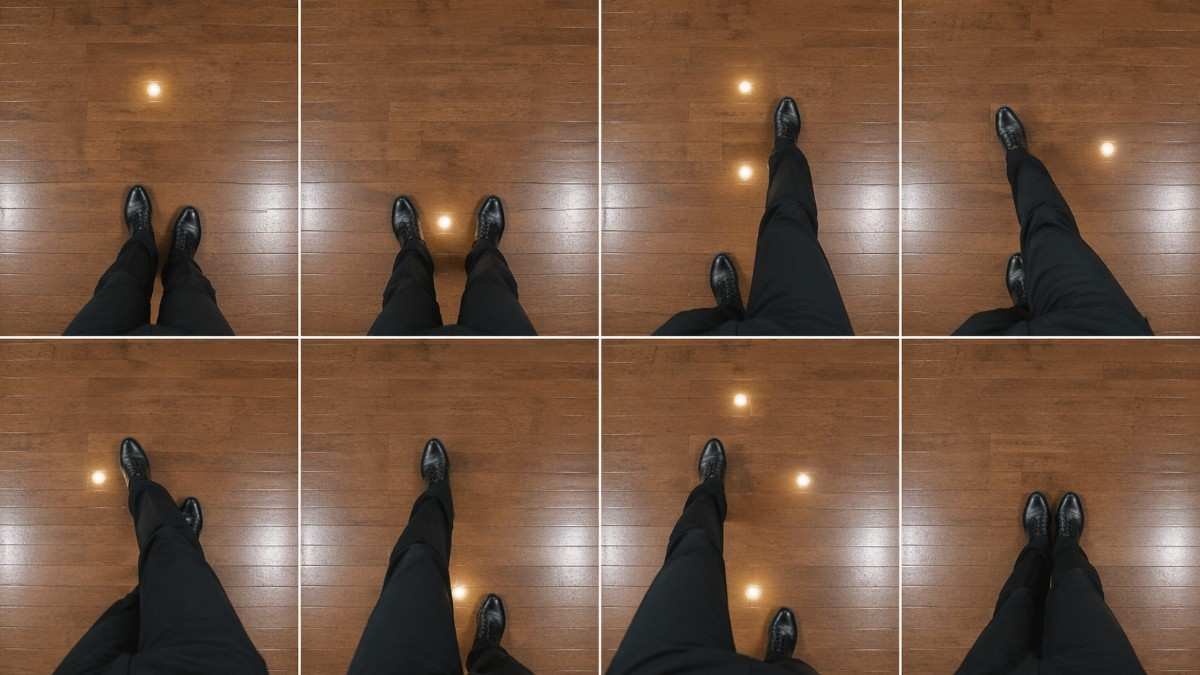
This is what most beginners learn first. Counts 1, 2, 3 are your first three steps. Count 4 is a pause. Then you repeat with 5, 6, 7 and pause again on 8. This repetition builds consistency and flow.
How To Count Salsa Music By Finding The 1
This is the most important skill when learning how to count salsa music.
Listen For The Main Pulse
This is your starting point. The “1” often matches the downbeat, which is the natural pulse you would clap along to. If you can tap your foot to the beat, you are already close to finding it.
Follow Musical Phrases
Music naturally resets in patterns. The “1” usually aligns with a new phrase. This could be the singer starting a new line, instruments entering, or a noticeable shift in the music.
Use Instrument Cues
Certain sounds make it easier to identify the beat. The cowbell often strikes clearly on counts like 1, 3, 5, and 7 in faster sections. The conga creates a rolling sound that leads directly into the next 1 or 5, helping you anticipate the rhythm.
On1 Vs On2 Timing Explained
Different styles of salsa use the same count but emphasize different beats.
What Is On1 Timing
This is the most common beginner style. In On1, you take your main break step on count 1. It feels intuitive because it matches the strongest beat in the music.
What Is On2 Timing
This style connects more with percussion. In On2, your break step happens on counts 2 and 6. This aligns more closely with the conga rhythm and gives a smoother, more musical feel.
Choosing The Right Style
Both styles are valuable. Many dancers in the United States start with On1 and later explore On2. Learning both improves your timing and musical awareness.
Clave Rhythm In Salsa Music
Clave is the hidden structure behind salsa music.
What Is Clave?
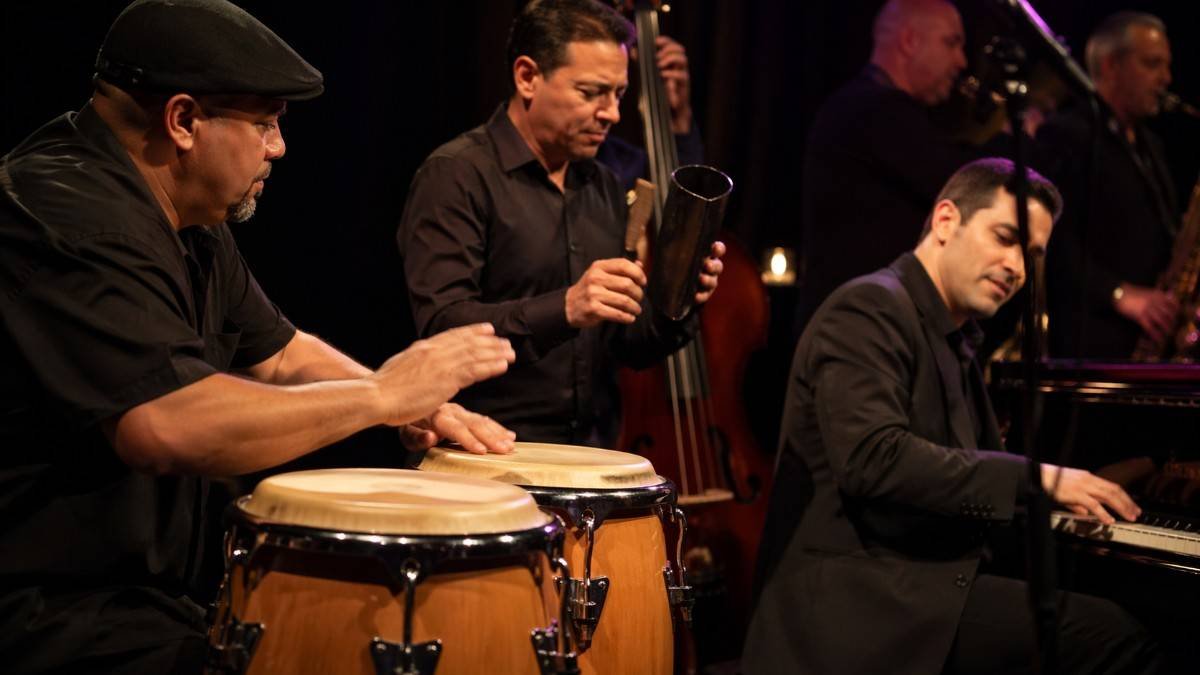
This is the rhythmic backbone. Clave is a repeating pattern, usually in a 2-3 or 3-2 structure, that organizes how all instruments interact within the music.
Why Clave Matters?
It keeps everything connected. Even if you cannot hear it directly, every instrument follows the clave pattern. This keeps the rhythm consistent and balanced.
How To Feel Clave Naturally?
You do not need to count it perfectly. Focus on the repeating groove in the music. Over time, your ear will start recognizing this structure automatically.
Instrument Cues That Help You Count
Learning how to count salsa music becomes easier when you know what to listen for.
Conga Rhythm
This is one of the clearest guides. The conga produces a “slap” sound that often lands around counts like 4 and 8, leading you smoothly into the next step cycle.
Cowbell Timing
This becomes prominent in energetic sections. The cowbell provides a steady rhythm that is easier to follow, especially when the song speeds up.
Piano Montuno Patterns
This adds structure to the music. The piano plays repeating loops that help you stay consistent with the beat, even when other instruments feel complex.
3 Common Mistakes When Learning To Count Salsa Music
Avoiding these mistakes will speed up your progress.
1. Starting On The Wrong Beat
This is the most common issue. If you miss the 1, everything feels off. The best way to fix this is to pause, listen carefully, and restart with the music.
2. Ignoring Pauses In The Count
Pauses are part of the rhythm. Skipping counts 4 and 8 makes your dancing look rushed and less controlled.
3. Overthinking Instead Of Feeling
Balance is key. Counting helps in the beginning, but eventually, you need to feel the music. Let your body respond naturally while staying aware of timing.
Practice Drills To Master Salsa Timing
Consistent practice makes counting second nature.
Clap And Count Drill
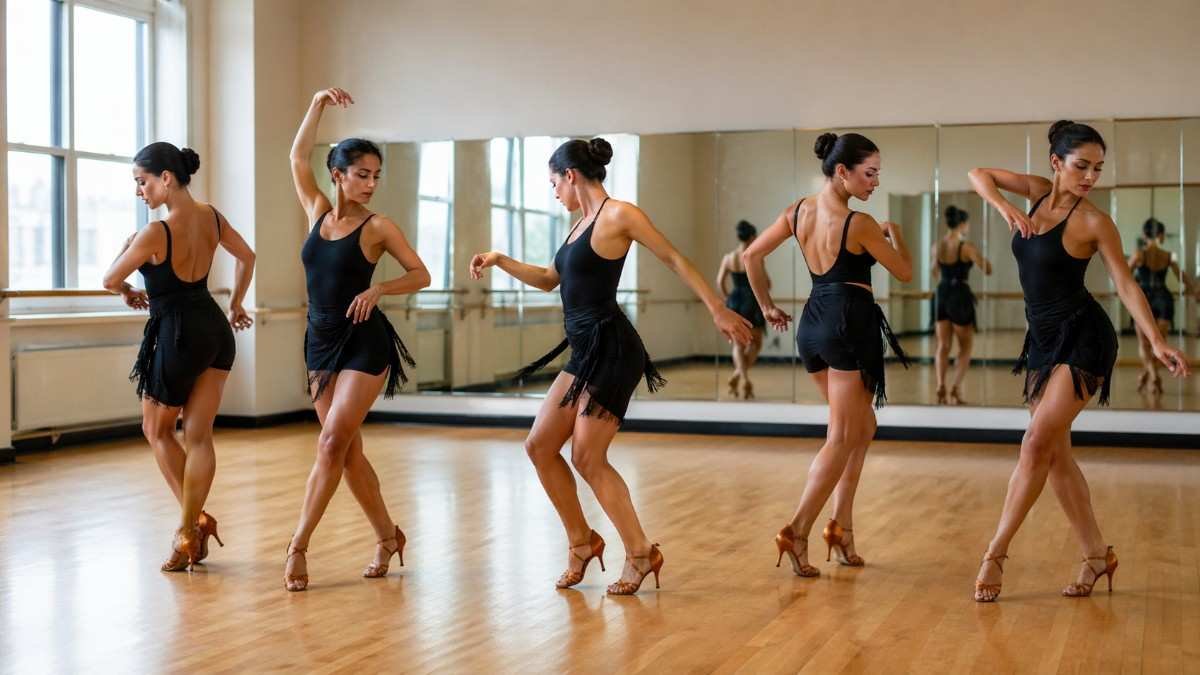
This builds rhythm awareness. Play a salsa song and clap along while counting 1-2-3, 5-6-7. This helps train your ear and timing together.
Step Without Music
Focus on movement first. Practice your basic salsa steps slowly without music so your body learns the pattern before adding rhythm.
Slow Song Training
Start with easier tempos. Using slower salsa songs allows you to clearly hear each beat and identify patterns more easily.
Frequently Asked Questions
1. Is salsa a 4 count?
No, salsa is based on an 8-count cycle, even though it is played in 4/4 time.
2. How to find salsa count in any song?
To learn how to count salsa music, listen for the main beat, identify musical phrases, and follow instruments like conga or cowbell.
3. What counts as salsa music?
Salsa music includes Afro-Cuban rhythms, clave structure, and instruments like conga, piano, brass, and percussion.
4. Is salsa 6 or 8 count?
Salsa uses 8 counts, but dancers step on 6 of those beats.
Feel The Rhythm And Own The Floor
Mastering how to count salsa music is less about memorizing numbers and more about understanding rhythm and flow. Once you recognize the 8-count structure and learn to find the 1, everything starts to click. Keep practicing with intention, listen closely to the music, and trust your timing. With consistency, the rhythm becomes second nature and dancing feels effortless.