If you’ve ever felt awkward on a dance floor or wondered if ballroom is “too formal” for you, I get it. I used to think the same—until I discovered the cultural significance of ballroom dance goes far beyond fancy steps. It’s not just about learning to dance; it’s about how you see yourself, connect with others, and grow as a person.
And here’s the part most beginners miss: ballroom doesn’t just reflect culture—it actively reshapes your personality. From confidence to emotional awareness, the changes sneak up on you in the best way.
Why is the cultural significance of ballroom dance still relevant today?
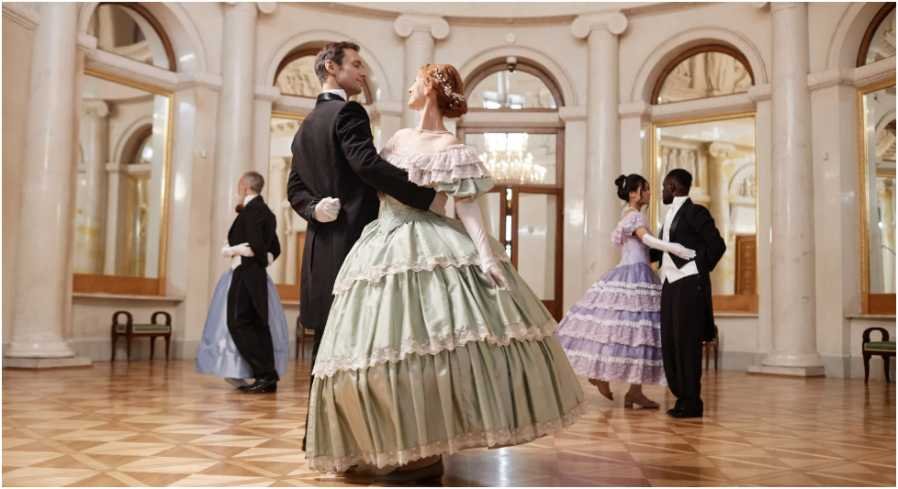
Ballroom dance began in royal courts where only the elite could participate. It showed status, discipline, and social polish. Back then, even how you stood or moved could define your place in society.
Today, that exclusivity is gone—but the structure remains. When you step into a class, you still learn posture, respect, and awareness of others. That’s why ballroom continues to shape how people interact socially.
What surprises most beginners is how global it has become. Styles like samba, rumba, and cha-cha come from different cultures, blending history into every movement. When you dance, you’re not just moving—you’re carrying stories.
How does ballroom dance reflect culture in everyday life?
There’s a deeper layer to this that people often overlook. The way you dance reflects how you communicate.
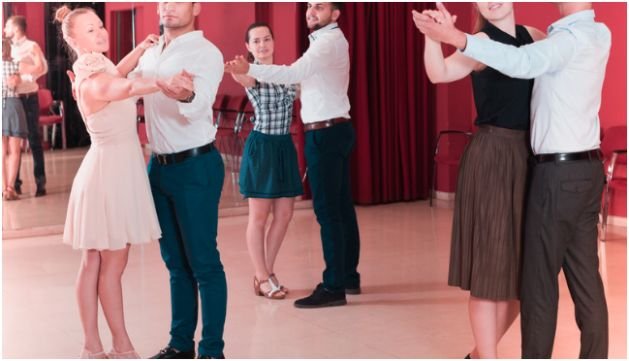
In ballroom, one partner leads and the other follows. But modern dance shifts this into shared responsibility. That mirrors how relationships are evolving today—less rigid, more balanced.
If you’re curious, here’s a deeper perspective on how ballroom dance reflects culture—you’ll notice patterns between dance and real-life social behavior almost instantly.
Even small habits change. You start making eye contact more, standing taller, and listening better. Those aren’t just dance skills—they’re life skills.
Can ballroom dancing really change your personality?
Short answer? Yes—and faster than you expect.
At first, you focus on steps. Then something shifts. You begin to read your partner’s movements without thinking. That builds emotional intelligence in a very real, physical way.
Confidence grows naturally too. Performing—even in a small class—pushes you out of your comfort zone. Over time, that confidence shows up in conversations, work meetings, and social settings.
What I didn’t expect was resilience. You will mess up steps. A lot. But ballroom teaches you to recover smoothly instead of freezing. That mindset carries into everyday challenges.
What mental and emotional changes happen over time?
Ballroom dance rewires how you respond to stress and new situations.
You become more open to experiences. Switching partners, learning new styles, adapting quickly—it trains your brain to stay flexible.
You may also notice you become more social. Even if you’re introverted, regular interaction makes conversations feel easier and more natural.
Then there’s stress relief. After a session, your mood lifts. That’s not just in your head—your body releases endorphins and oxytocin, helping you feel calmer and more balanced.
What’s a simple beginner routine that builds both skill and confidence?
Consistency beats intensity every time.
I started with two classes a week and practiced basic steps at home for 10 minutes daily. That small routine built muscle memory quickly.
Focus on connection, not perfection. Instead of obsessing over footwork, pay attention to timing and your partner’s signals. That’s where real progress happens.
Also, don’t avoid social dancing. It feels intimidating at first, but it’s the fastest way to improve both your technique and confidence.
How To: Cultural Significance of Ballroom Dance
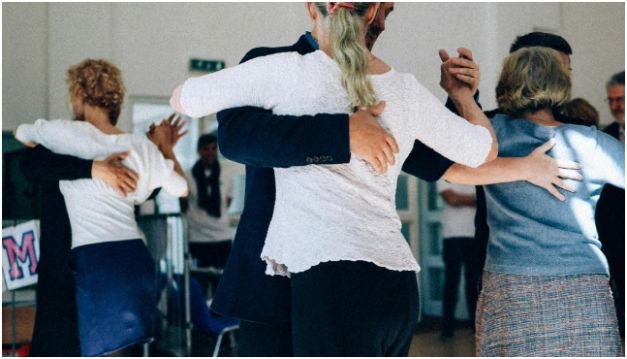
Start by understanding the roots of each style you learn. When you practice samba or rumba, take a moment to appreciate where it came from and how it evolved. This builds a deeper connection to the dance.
Next, focus on posture and presence during practice. Stand tall, maintain eye contact, and stay aware of your partner. These habits reflect the historical etiquette that shaped ballroom culture.
As you improve, dance with different partners. This exposes you to different styles and personalities, helping you adapt—just like ballroom evolved across cultures.
Finally, reflect after each session. Notice how you felt before and after dancing. Over time, you’ll see clear shifts in confidence, mood, and social ease.
Cultural significance of ballroom dance FAQ
1. What is the cultural significance of ballroom dance in simple terms?
It shows how people connect, express identity, and follow social norms through movement. It started with elite culture but now reflects global diversity and inclusivity.
2. How does ballroom dancing change your personality?
It builds confidence, empathy, and resilience by forcing you to interact, adapt, and perform regularly in social settings.
3. Is ballroom dance good for beginners with no experience?
Yes. Most classes start with basic steps and focus on connection. You don’t need talent—just consistency and willingness to learn.
4. Why do people say ballroom dance improves confidence?
Because you practice performing, maintaining posture, and interacting closely with others. These skills naturally transfer into daily life.
So… is ballroom dance secretly life training in disguise?
Here’s the truth: the cultural significance of ballroom dance isn’t just historical—it’s personal.
You walk in thinking you’ll learn steps. You walk out standing taller, speaking more clearly, and connecting better with people.
That’s the part no one tells beginners.
If I had to break it down simply, here’s what changes:
| Before Ballroom | After Ballroom |
| Shy in social settings | More confident and open |
| Avoids eye contact | Maintains strong presence |
| Fears mistakes | Handles them smoothly |
| Limited cultural awareness | Appreciates global traditions |
My personal tip? Don’t wait until you feel “ready.” Ballroom is one of those rare things where growth happens while you’re still figuring it out.