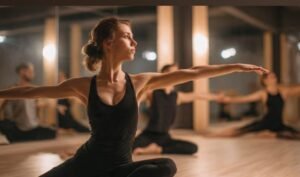
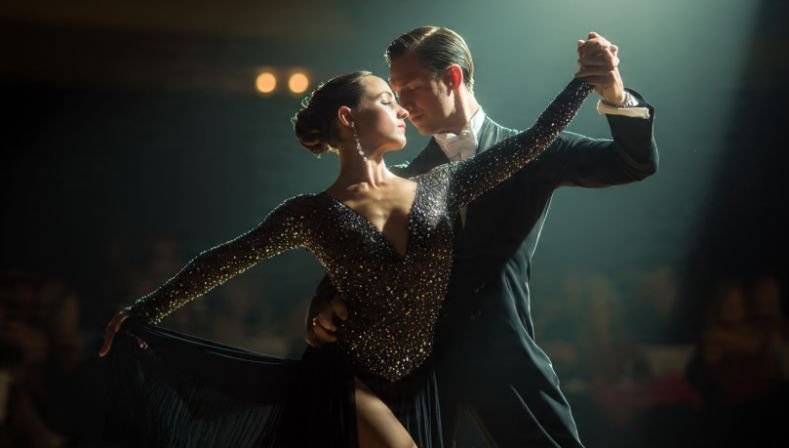
Balance and posture are the foundation of every successful DanceSport performance. Without them, even the most advanced steps can look unstable and unpolished. In ballroom and Latin dance, your posture—often referred to as your “frame”—determines how you move, connect with your partner, and present yourself on the floor.
A strong posture allows your body to move efficiently, reducing unnecessary tension and preventing injuries. At the same time, good balance ensures that every step is controlled, whether you are gliding through a Waltz or executing sharp Latin movements. Together, these elements create the elegance, confidence, and precision that define high-level dancing.
Understanding the Dance Frame
The “frame” in DanceSport refers to how you hold your upper body, maintain alignment, and connect with your partner. It is not just about standing straight—it involves active engagement of muscles, controlled positioning, and consistent awareness of your body.
A proper frame allows you to maintain stability during movement, communicate clearly with your partner, execute turns smoothly, and present a polished appearance. When your frame is strong, your movements become more controlled and effortless.
Key Posture Principles Every Dancer Should Follow
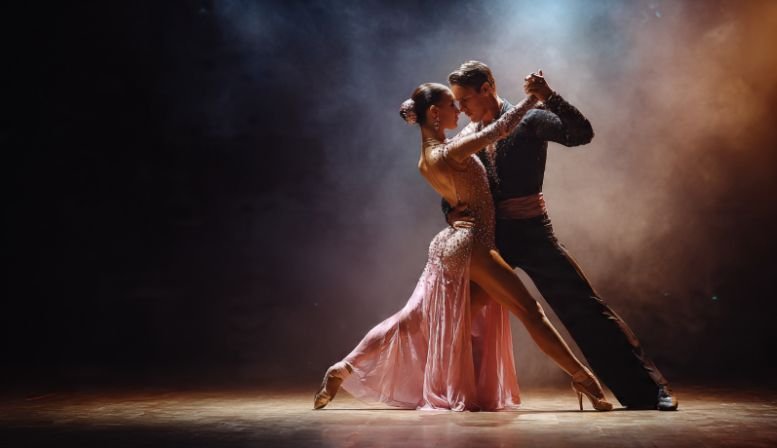
Good posture in DanceSport is built on a few essential principles that work together to create alignment and control.
Vertical alignment is the starting point. Your head, shoulders, rib cage, and hips should form a straight line. This ensures that your weight is evenly distributed and your body remains balanced.
Core engagement is essential for supporting the spine. Activating your abdominal muscles stabilizes your pelvis and keeps your posture consistent throughout movement.
Shoulder placement should be relaxed yet structured. Keep your shoulders down and slightly back while maintaining a lifted chest. This creates a clean, elegant look without stiffness.
Head position should remain neutral, forming a straight line from head to tailbone. Avoid tilting or straining your neck, as this can disrupt balance and alignment.
When these principles are combined, your posture becomes both strong and flexible, allowing for fluid and controlled dancing.
Building Balance Through Proper Weight Distribution
Balance in DanceSport is not just about standing still—it’s about controlling your weight as you move. Proper weight distribution allows you to transition smoothly between steps and maintain stability in every movement.
Dancers must learn to shift weight across different parts of the foot, including the heel, ball, and center. This awareness improves control and helps prevent sudden loss of balance.
To improve balance, focus on:
- Keeping your weight centered over your supporting foot
- Avoiding unnecessary leaning or collapsing
- Moving with controlled, deliberate transitions
When your weight is properly managed, your dancing becomes smoother and more confident.
Essential Balance Training Exercises
To build strong balance, dancers need targeted exercises that challenge stability and coordination.
Relevé exercises, where you rise onto the balls of your feet, strengthen the ankles and improve equilibrium. This is especially useful for both ballroom and Latin techniques.
Single-leg stability training is another powerful method. Standing on one leg while maintaining posture forces your body to engage stabilizing muscles and improves coordination.
Weight-shifting drills help you understand how your body moves between positions. Practicing controlled shifts between the heel, middle, and ball of the foot enhances balance and control.
Isometric exercises such as planks and bridges build endurance in the muscles that support posture. These exercises strengthen the core and improve your ability to maintain alignment during longer routines.
Training Techniques to Improve Posture and Balance
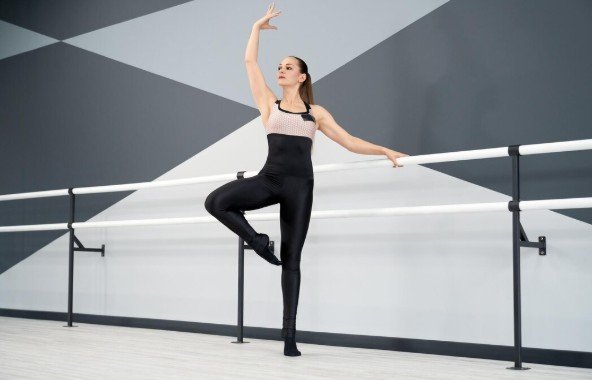
In addition to exercises, specific techniques can help refine your posture and balance more effectively.
The wall alignment check is a simple yet powerful tool. Stand with your heels, hips, shoulders, and head against a wall to understand proper alignment. This helps train your body to maintain correct posture naturally.
Rotation exercises improve coordination and control. Practice rotating your upper body against your lower body while keeping your core engaged. This is essential for movements like turns and counter-body actions.
Frame strengthening is important for partner dancing. Holding your frame in position while moving slowly builds endurance and consistency.
Ankle strengthening exercises, such as resistance band training, improve control when dancing on the balls of your feet. Strong ankles are key to maintaining balance during dynamic movements.
Common Posture and Balance Mistakes
Many dancers struggle with posture and balance due to common mistakes. One major issue is collapsing the upper body, which weakens the frame and reduces control.
Excessive tension, especially in the shoulders, can also restrict movement and affect fluidity. Another frequent mistake is poor weight distribution, such as leaning too far forward or backward.
Lack of core engagement is another critical problem. Without a strong core, it becomes difficult to maintain alignment and stability.
Avoiding these mistakes requires awareness, patience, and consistent practice. Small corrections can lead to significant improvements over time.
How to Build a Daily Balance and Posture Routine
A daily routine is essential for developing strong posture and balance. Even short practice sessions can deliver noticeable results.
How to start dancesport training, start with alignment exercises like the wall check to reinforce posture. Follow this with core exercises such as planks to build strength.
Include balance drills like single-leg stands and relevé practice. Focus on maintaining control and alignment throughout each movement.
Finish with stretching exercises to improve flexibility and relax muscles. Consistency in this routine will gradually improve your technique and confidence.
Applying Balance and Posture in Real Dancing

Training only becomes effective when it translates into actual dancing. While practicing routines, focus on maintaining your posture and balance in every step.
Pay attention to how your body feels and make adjustments when necessary. In partner dancing, a strong frame improves communication and coordination.
As you continue training, these skills will become natural, allowing you to focus more on expression and performance.
FAQs
How do I improve my balance in dance?
Improving balance requires consistent practice of exercises like single-leg stands, relevé, and weight-shifting drills. Strengthening your core and ankles also plays a key role in maintaining stability.
What is good posture in ballroom dancing?
Good posture involves vertical alignment of the head, shoulders, rib cage, and hips, along with a strong core and relaxed shoulders. This creates a stable and elegant frame for movement.
Why is posture important in DanceSport?
Posture is important because it supports balance, improves movement efficiency, and enhances overall presentation. It also helps prevent injuries and allows for better partner connection.
How can I fix my dance posture at home?
You can improve posture at home by practicing wall alignment exercises, core strengthening workouts, and slow, controlled movements. Recording yourself can also help identify and correct mistakes.
Build a Stronger, More Confident Dance Foundation
Balance and posture are not just technical skills—they are the foundation of confident and graceful dancing. When your alignment is correct and your body is stable, every movement becomes more controlled and expressive.
By focusing on core strength, weight distribution, and consistent practice, you can develop a strong dance frame that supports all aspects of your performance. Over time, this will lead to smoother movements, better coordination, and greater confidence on the dance floor.