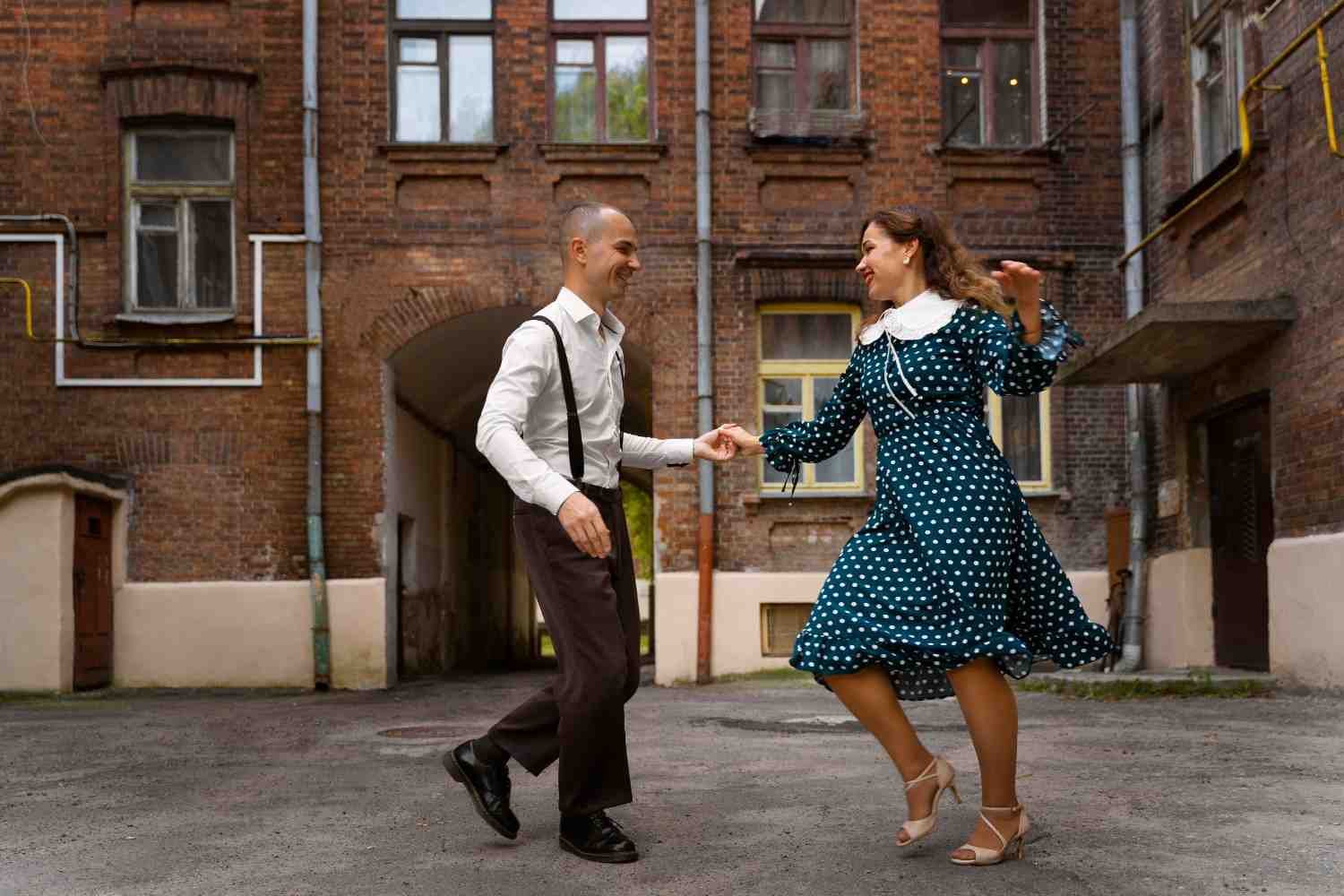
My first experience with swing dance felt confusing and a little intimidating, mostly because I thought I had to learn everything at once. This swing dance basics guide is built around what actually worked for me—keeping things simple and focusing on the essentials first.
Once I paid attention to rhythm, basic steps, and how to move with a partner, everything started to feel easier. If you take the same approach, you can build confidence quickly without feeling overwhelmed.
What Is Swing Dance and Why Beginners Love It
Swing dance developed in the United States alongside jazz music, and it’s still one of the most social and beginner-friendly dance styles today. Unlike choreographed routines, swing dancing focuses on rhythm and improvisation.
What helped me early on—something I now consider one of the most important beginner dance training tips—was understanding that I didn’t need dozens of moves. I just needed one solid foundation. That foundation is the 6-count rhythm built around the rock step and triple step.
Why East Coast Swing Is the Best Starting Point
When I explored different styles, I found East Coast Swing to be the easiest place to begin. It uses a simple 6-count rhythm that repeats consistently, making it ideal for beginners.
It also works well with a wide range of music and doesn’t require complex footwork at the start. Once I got comfortable with this style, transitioning to others like Lindy Hop or West Coast Swing felt much easier.
Core Fundamentals You Must Understand First
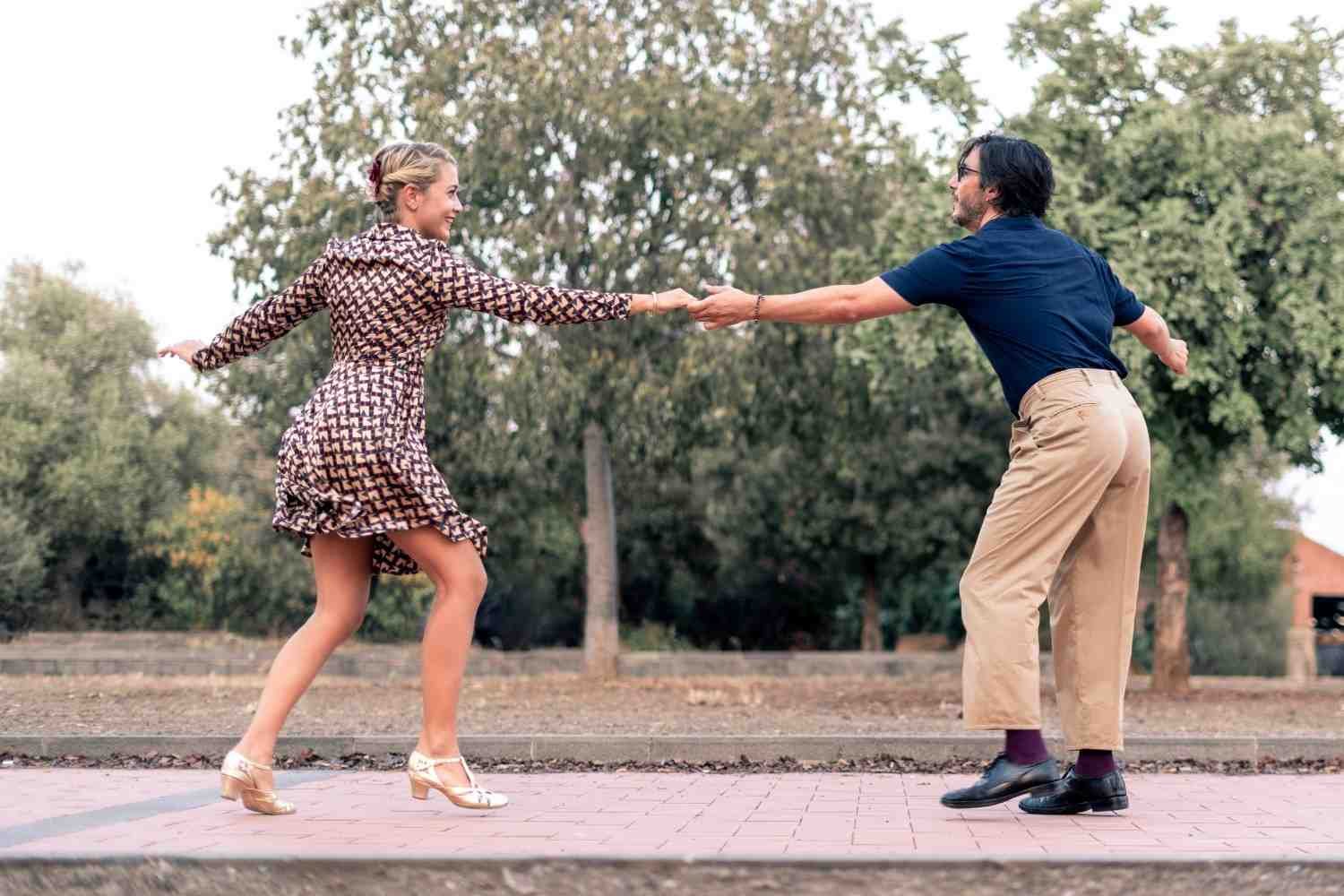
Before learning moves, I had to fix my basics. These made the biggest difference in how natural my dancing felt.
What Is the V-Position in Swing Dance?
Instead of standing directly in front of each other, partners stand slightly offset, forming a small “V” shape. This creates space for the rock step and prevents awkward foot collisions.
How Connection Works Between Partners
In a typical setup, the leader places their right hand on the follower’s shoulder blade while the left hands connect. The follower places their left hand on the leader’s shoulder.
This connection isn’t about force. It’s about communication. Once I understood that, everything felt smoother.
What Is Frame and Why It Matters
Frame refers to maintaining a stable but flexible connection between partners. At first, my arms were either too loose or too stiff.
When I learned to keep a firm but relaxed frame, my movements became more controlled and responsive.
What Are the Basic Swing Dance Steps?
Everything in beginner swing dancing builds from one pattern. Once I practiced this consistently, my confidence improved quickly.
The 6-Count Pattern Explained
The basic rhythm follows this structure:
Rock Step (1, 2), Triple Step (3 & 4), Triple Step (5 & 6)
The leader rocks back on the left foot while the follower rocks back on the right. Then both partners move into triple steps in opposite directions.
At first, I struggled with timing, but once I stopped rushing and followed the rhythm, it became automatic.
How to Count Swing Dance Rhythm Without Confusion
Timing used to throw me off more than anything else. I kept trying to count perfectly instead of feeling the music.
What helped was listening for the beat first. Swing music usually follows a steady 4/4 rhythm, and once I started moving with that natural bounce, my steps aligned better.
If you’re stuck, start by clapping along to the beat before adding footwork. That small step makes learning much easier.
Step-by-Step 6-Count East Coast Swing Basics
When I practiced consistently, breaking the steps into parts made everything easier.
Rock Step happens first, where both partners shift weight back and then forward.
The first Triple Step follows, where the leader moves left-right-left and the follower mirrors right-left-right.
The second Triple Step reverses direction, helping both partners return to center.
Repeating this pattern helped me build muscle memory without overthinking.
Key Beginner Moves You Should Learn Early

Once I got comfortable with the basics, I started adding simple variations that made dancing more fun.
The basic in-place move helped me stay balanced without traveling across the floor.
The underarm turn introduced movement, where the leader raises the hand and the follower turns smoothly underneath.
The open position created space between partners, making transitions easier and more dynamic.
Side-by-side movement added variety and helped me feel less restricted while dancing.
How I Practiced Swing Dance at Home Without a Partner
I didn’t always have access to a class, so I built a simple routine at home.
I practiced footwork daily for about 10 minutes, focusing only on the rock step and triple step. Then I added music and worked on staying in rhythm.
Using a mirror helped me fix posture and movement. Over time, this made dancing with a partner feel much more natural.
What Should You Wear to a Swing Dance Class?
I learned this the hard way. Wearing the wrong shoes made turning difficult and uncomfortable.
Shoes should allow smooth movement, ideally with a sole that can slide slightly. Clothing should be comfortable and allow full range of motion.
You don’t need anything fancy. Comfort and movement matter far more than appearance.
Common Beginner Mistakes That Slow Progress
One of my biggest mistakes was rushing through steps. I tried to move too quickly instead of staying with the rhythm.
Another issue was focusing too much on footwork instead of connection. Once I shifted attention to timing and partner movement, everything improved.
Poor posture also held me back. Standing upright with a relaxed frame made every movement feel smoother and more controlled.
My 7-Day Practice Plan That Actually Worked
To improve faster, I followed a simple weekly routine.
I focused on mastering the rock step and triple step in the first two days. Then I added music and worked on rhythm. By the end of the week, I combined everything and practiced freely.
This approach helped me build consistency without feeling overwhelmed.
How to Build Confidence on the Dance Floor
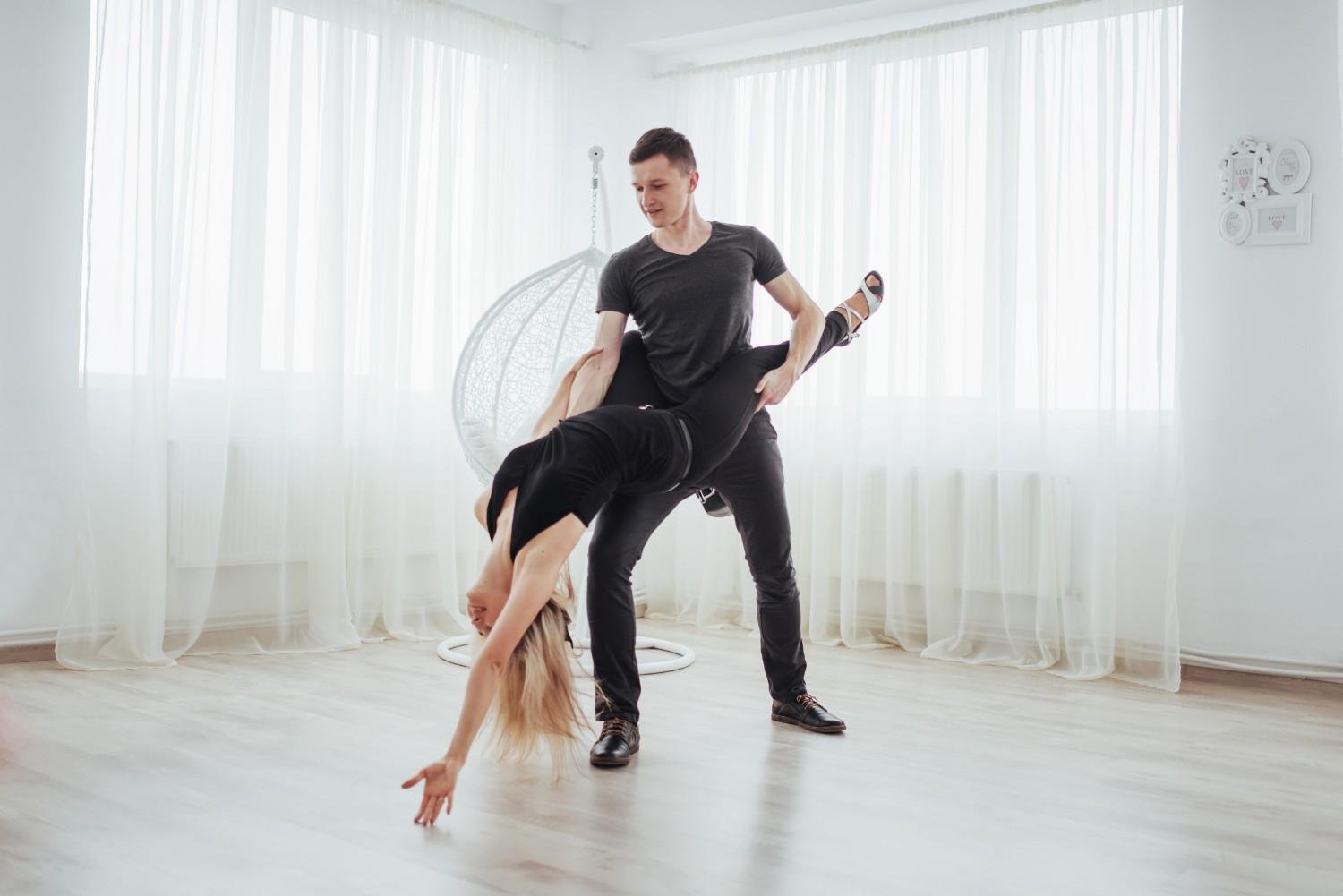
Confidence didn’t come from learning more moves. It came from repeating the basics until they felt natural.
When I stopped worrying about mistakes and focused on enjoying the music, everything changed. Swing dance became fun instead of stressful.
If you’re just starting, remember that everyone around you is learning too.
FAQs About Swing Dance Basics Guide
1. Is swing dance hard for beginners?
No, most beginners learn the basics quickly once they understand rhythm and the 6-count pattern.
2. Can I learn swing dance without a partner?
Yes, practicing footwork and timing alone helps you improve before dancing with a partner.
3. How long does it take to learn swing dance basics?
With regular practice, most people feel comfortable within a few weeks.
4. What is the best way to follow a swing dance basics guide?
Focus on rhythm first, repeat the core steps daily, and avoid rushing your progress.
Final Thoughts That Actually Help You Start
When I first looked for a swing dance basics guide, I thought I needed perfect technique before stepping onto the floor. Now I know that starting simple matters more than starting perfectly.
If you focus on dance rhythm, connection, and consistent practice, you’ll improve faster than you expect. Swing dance isn’t about getting everything right—it’s about moving with the music and enjoying the process.