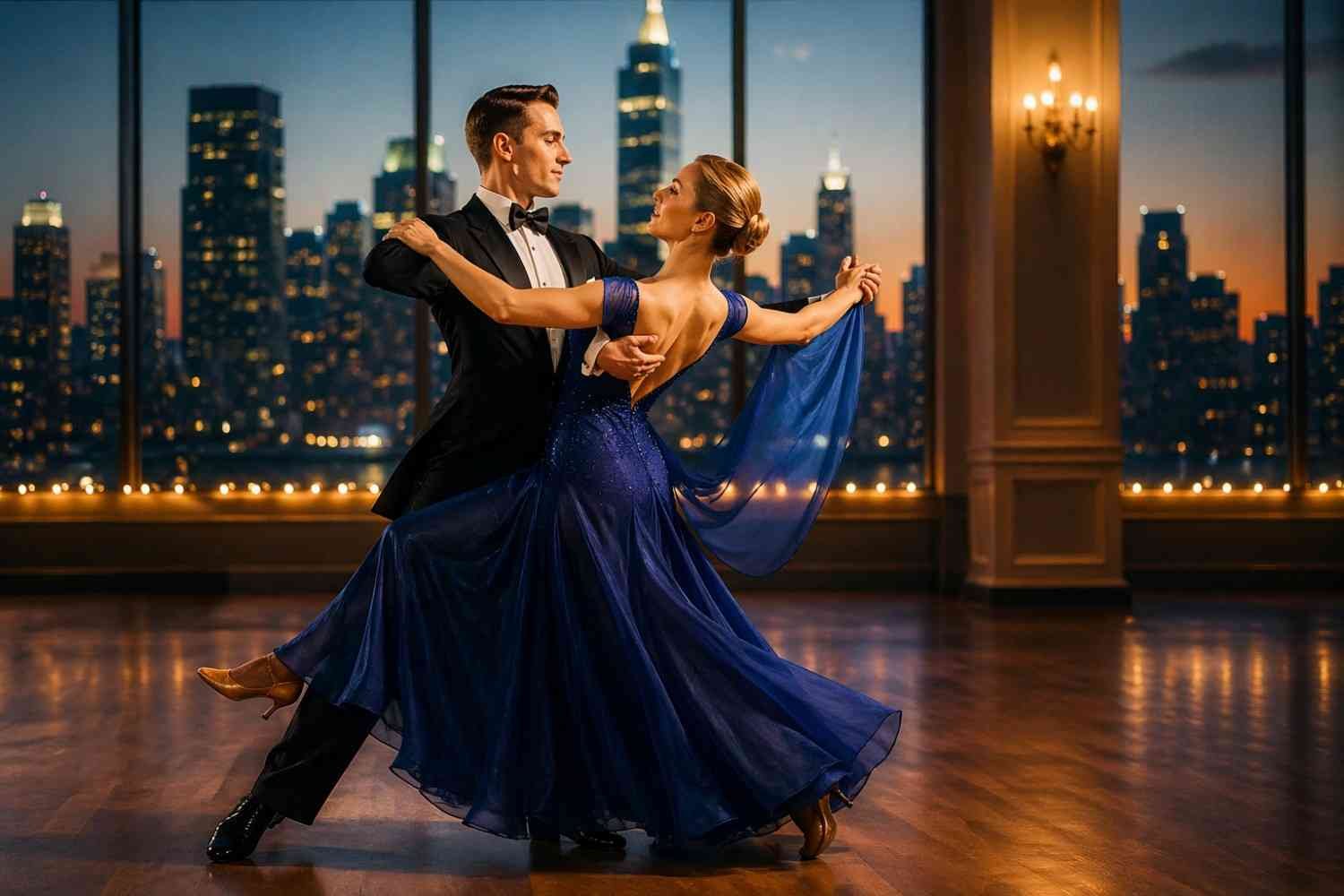
The first ballroom class can feel intimidating. You walk into a room full of mirrors, strangers, and people who seem like they already know exactly what they’re doing. Your shoulders tense up, your steps feel awkward, and suddenly even walking across the floor feels unnatural.
Then something shifts.
Maybe it happens when you finally nail a basic turn. Maybe it happens when you stop overthinking and start moving. Or maybe it’s the first time you realize nobody is judging you as much as you thought. That’s when you start to understand how ballroom dance improves confidence, not all at once, but in subtle ways that slowly change how you carry yourself.
It Trains You to Take Up Space
A lot of people move through life trying not to be noticed.
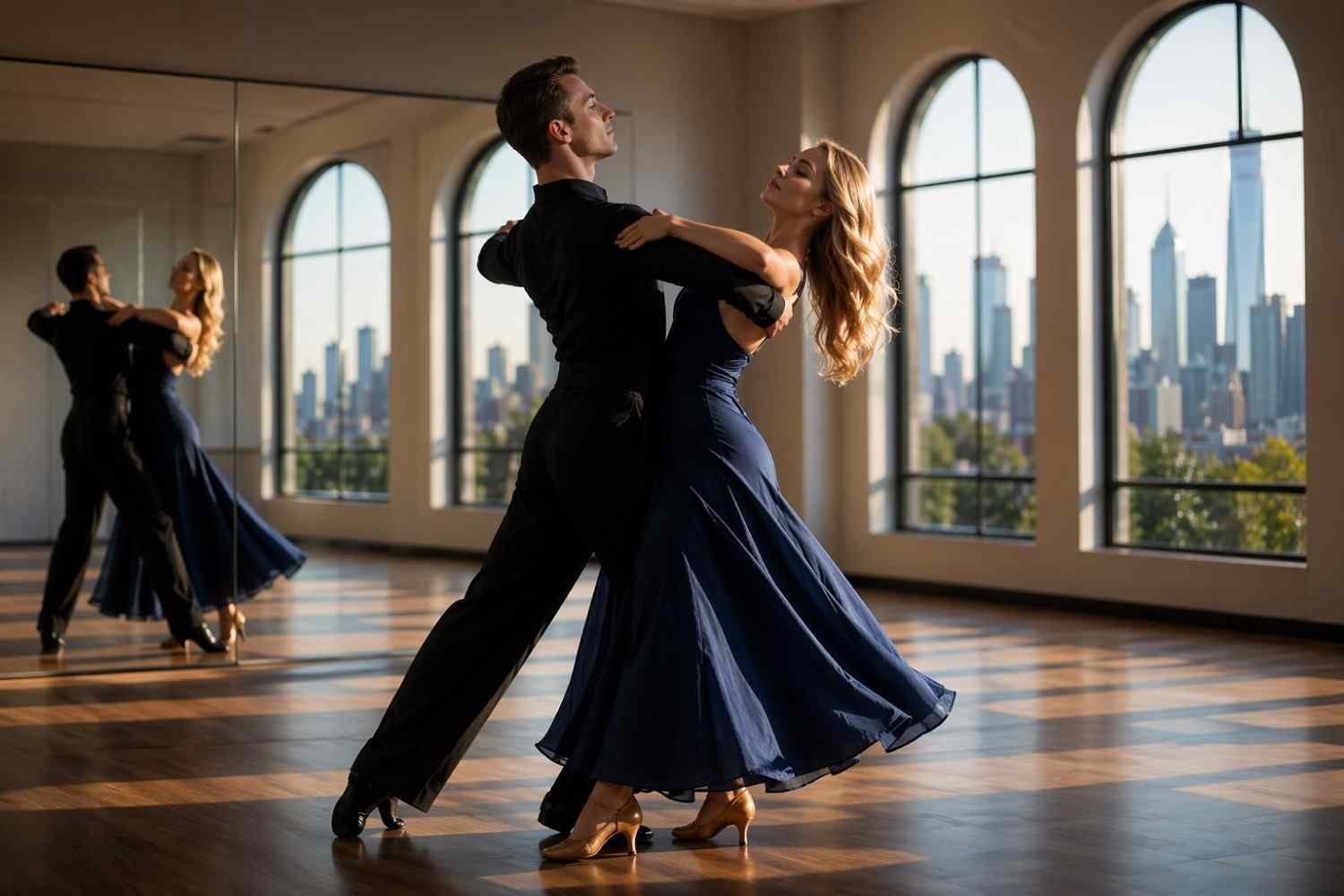
Ballroom dance quietly challenges that instinct. It teaches you to stand taller, open your chest, and move with intention. You can’t dance well while shrinking into yourself.
This physical shift creates a mental one.
Good posture is often linked with stronger self-esteem and lower stress. The more you practice moving confidently, the more natural confidence starts to feel outside the studio, too.
You begin to notice it in everyday situations:
- Walking into meetings
- Speaking in groups
- Making eye contact
- Holding your ground in conversations
You stop apologizing for your presence.
You Learn to Be Seen Without Panicking
One unexpected reason why ballroom dance improves confidence is that it forces you to become comfortable being visible.
You’re literally moving across an open floor while people watch.
At first, that can feel terrifying. But over time, your brain adapts. Being “seen” becomes normal instead of threatening.
That confidence often transfers into other areas of life, like:
- Public speaking
- Social events
- Networking situations
- Presentations at work
The fear doesn’t disappear completely. You just stop letting it control you.
It Rewires Your Relationship With Failure
On the dance floor, mistakes happen constantly.
You miss a beat. Step on someone’s foot. Forget the routine halfway through.
And then… You keep going.
That’s powerful.
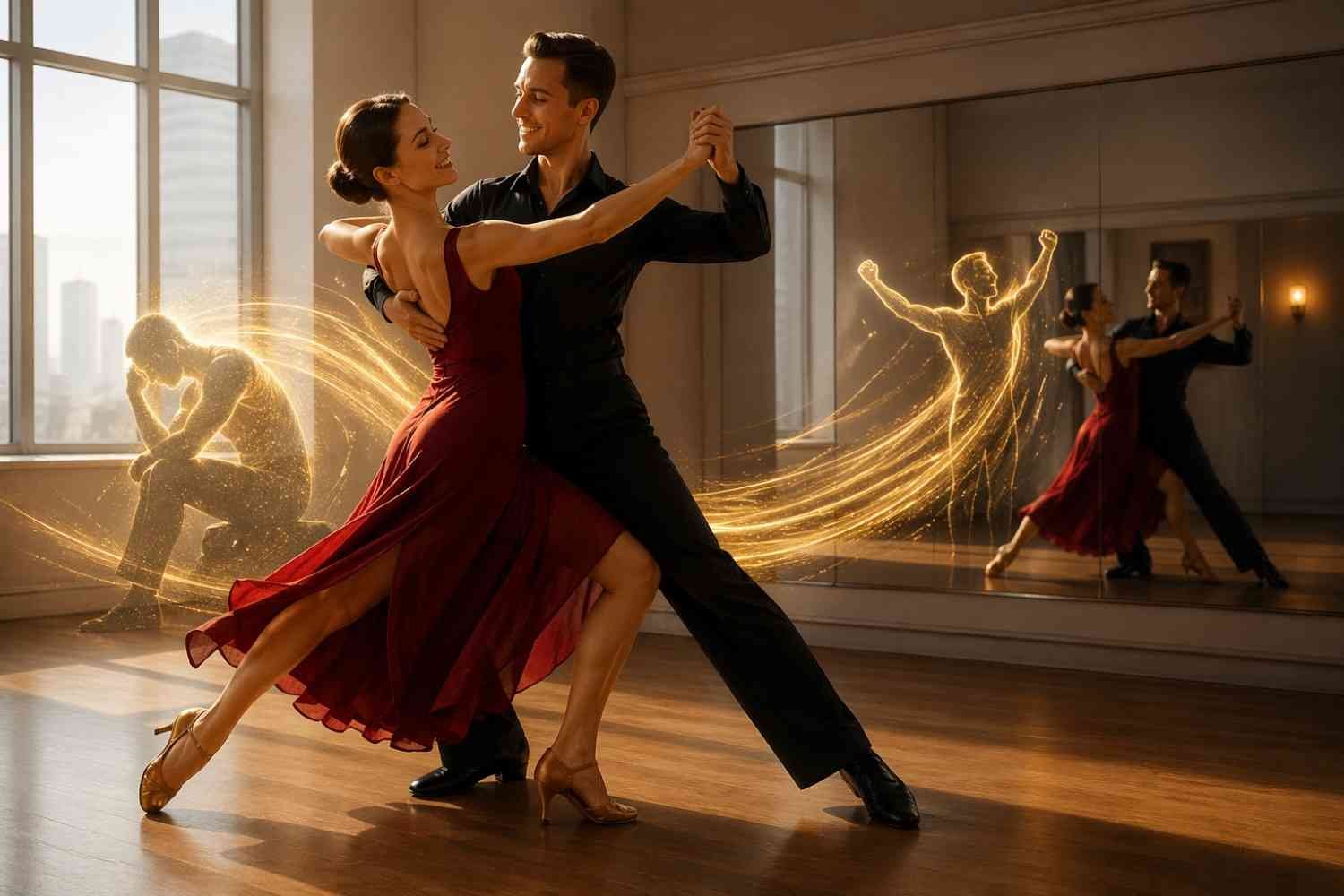
In most areas of life, mistakes feel embarrassing. In ballroom dancing, they become part of the process. You learn to recover quickly instead of freezing.
This builds resilience.
The constant repetition teaches your brain that failure is temporary. Getting it wrong isn’t proof you can’t do it, it’s proof you’re learning.
That mindset changes everything.
You become more willing to:
- Try new things
- Speak up
- Take risks
- Keep going after setbacks
You Build Social Confidence Without Realizing It
Ballroom is not just movement. It’s communication.
Partner dancing requires trust, timing, and non-verbal awareness. You learn to read signals, respond quickly, and connect without overthinking every interaction.
For people with social anxiety, this can be huge.
You practice:
- Eye contact
- Physical presence
- Leading or following
- Responding in real time
And because everyone is focused on learning, the environment feels less judgmental than most social spaces.
Over time, conversations outside the dance floor feel easier too.
Networking becomes less awkward.
Dates feel less stressful.
Even casual interactions become smoother because you’ve built comfort through repetition.
Your Body Starts Feeling Capable, Not Just Visible
A lot of confidence issues come from how people see their bodies.
Ballroom changes that.
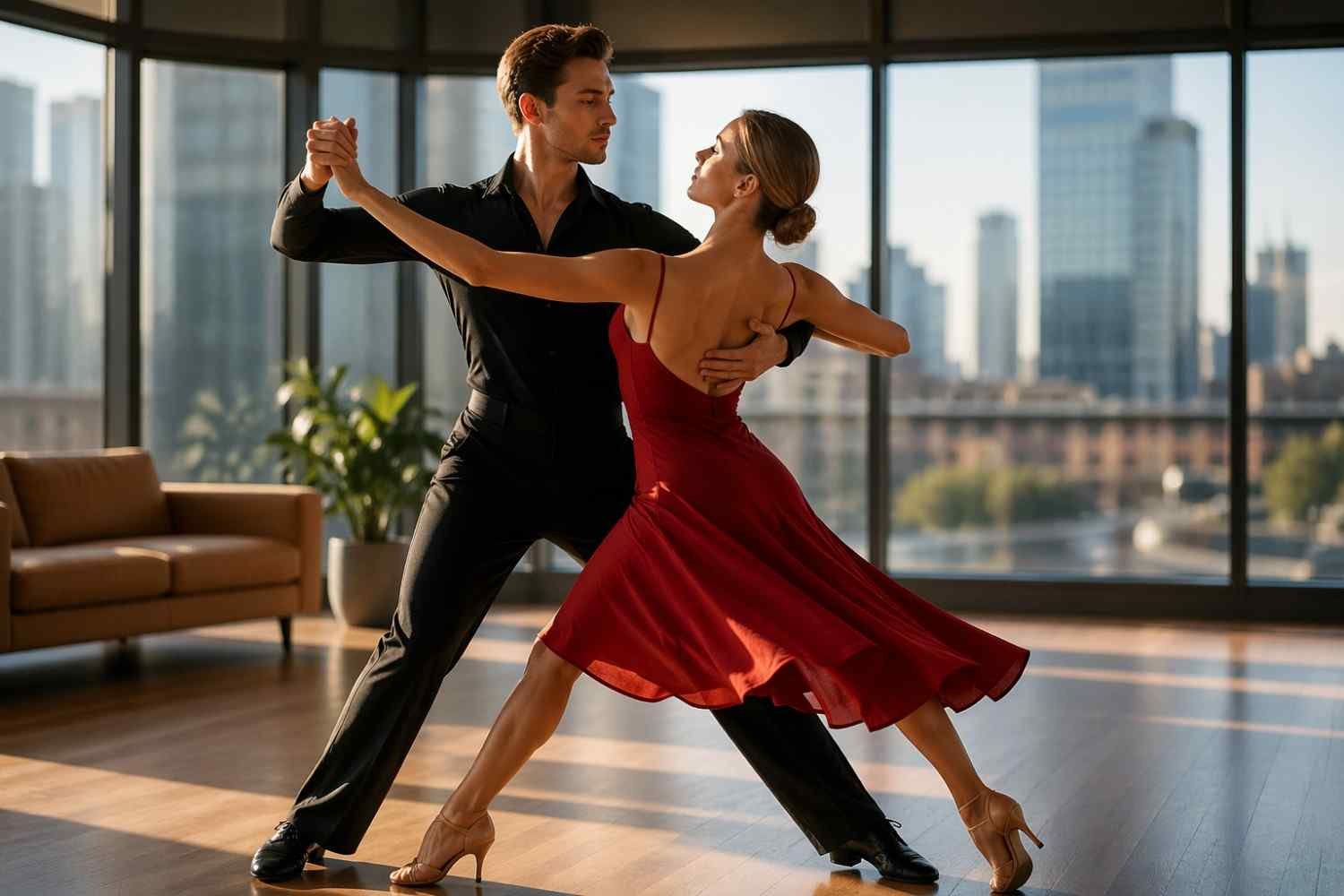
Instead of focusing on appearance, you start appreciating what your body can do. Whether you’re learning basics or exploring styles like rumba dance for beginners, the focus shifts to movement, control, and progress rather than how you look.
When you master a turn, complete a tango sequence, or move smoothly through choreography, it creates earned confidence.
That’s different from fake affirmations.
It’s proof.
Your body becomes something you trust instead of criticizing.
And that changes self-image in a deeper way than people expect.
Confidence Comes From Mastery
There’s something powerful about learning hard things.
Ballroom dance includes patterns, timing, rhythm, memory, and control. At first, it feels impossible.
Then one day it clicks.
That moment builds self-belief.
The more difficult things you overcome in dance, the more you trust yourself in life.
You start thinking:
“If I learned that, I can probably handle this too.”
That confidence carries into work, relationships, and personal goals.
It Creates Emotional Strength
Dance is emotional.
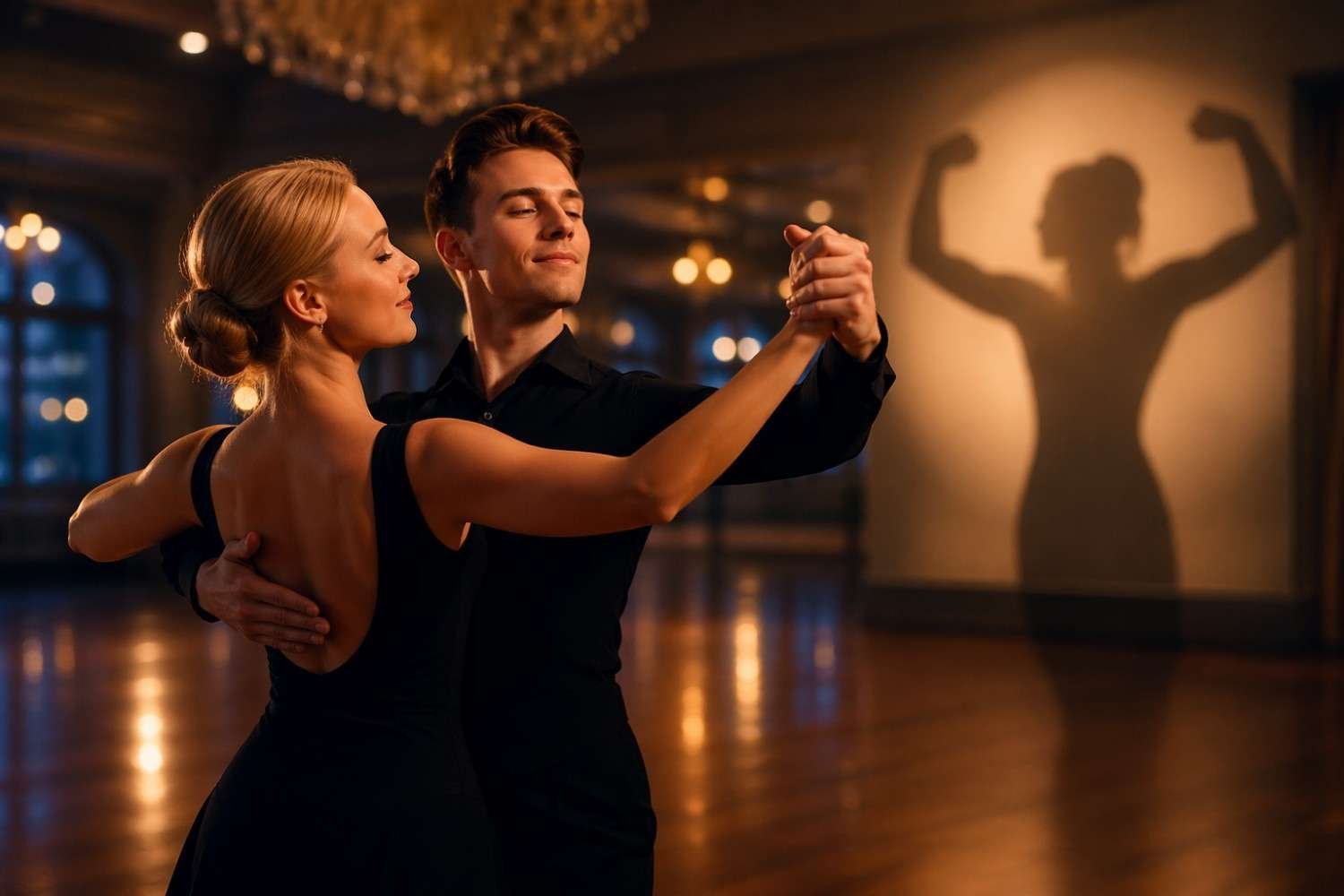
Some styles are bold and dramatic. Others are soft and expressive. Over time, ballroom gives people permission to express emotions physically without words.
That can feel freeing.
For people who tend to suppress emotions or overthink everything, movement creates release.
And emotional release often leads to emotional confidence.
You become less afraid of expressing yourself.
Less afraid of vulnerability.
Less afraid of being human.
The Confidence Follows You Off the Dance Floor
This is the part people don’t expect.
The confidence built in the ballroom doesn’t stay in the studio.
It shows up when you:
- Walk into a room differently
- Speak more clearly
- Stop over-apologizing
- Feel calmer under pressure
- Trust your instincts more
That’s why so many people stick with it.
It’s not really about dancing anymore.
It becomes about who you’re becoming.
Frequently Asked Questions: How Ballroom Dance Improves Confidence in Ways You Don’t Expect
1. How does ballroom dance improve confidence?
Ballroom dance improves confidence by improving posture, building social comfort, teaching resilience, and creating a sense of mastery through practice.
2. Can ballroom dancing help with social anxiety?
Yes. Partner interaction and group learning create a low-pressure environment to practice social skills and feel more comfortable around others.
3. Does ballroom dancing improve self-esteem?
Yes. Learning new skills and seeing progress over time builds earned confidence and a stronger sense of self-worth.
4. Is ballroom dancing good for mental health?
Yes. It can reduce stress, improve mood, encourage emotional expression, and help people feel more connected.
Final Thoughts
The surprising thing about ballroom dance is that the steps are only part of it. What really changes is how you see yourself. You become more comfortable being visible, making mistakes, connecting with others, and trusting your body. That kind of confidence doesn’t come from motivation quotes or quick fixes. It comes from practice.
And once you feel it, you carry it everywhere.