I bought my first pair of dance shoes, I thought keeping them clean meant wiping them once in a while and tossing them back into my bag. I learned quickly that dance shoes need more care than regular sneakers. The soles, heels, straps, and uppers all wear down faster when you ignore small habits after class.
The best dance shoe maintenance tips for beginners are simple: wear them only on dance floors, brush suede soles often, air them out after class, store them in a breathable bag, and clean each material the right way. These habits protect your grip, comfort, balance, and confidence every time you dance.
Why Dance Shoes Need Special Care
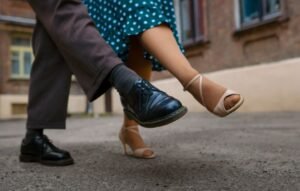
Dance shoes are not built like street shoes. They support turns, slides, foot articulation, and quick weight changes. Ballroom, Latin, salsa, swing, jazz, ballet, tap, and dance sneakers all need different care because each style uses different soles and materials.
If you wear dance shoes outside, dirt and pavement can destroy the sole texture. If you leave sweaty shoes in a closed bag, odor and moisture can build up. If you clean suede, satin, or leather the wrong way, you may damage the finish permanently. Good maintenance does not just make shoes look better.
What Should You Do After Every Dance Class?
After class, I always take my shoes out of the bag as soon as possible. This one habit keeps moisture from sitting inside the shoe. Let them air-dry naturally in a cool, open space. Avoid heaters, dryers, direct sunlight, or increased car trunks because heat can shrink, crack, or weaken dance shoe materials.
Next, check the soles. If you use suede-sole ballroom or Latin shoes, brush the bottom gently with a suede shoe brush. This lifts flattened fibers and brings back grip. Do not scrub too hard because you can thin the sole over time. Also check straps, buckles, heel tips, and stitching. Beginners often miss these small signs until something breaks during class.
How To Clean Suede Soles Without Ruining Them
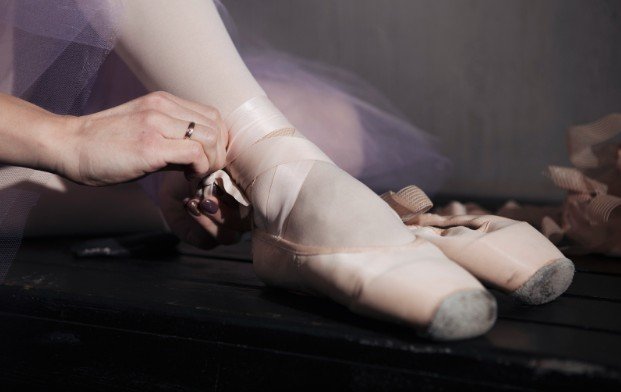
Never soak suede soles. Never use soap on them. Never scrape them with sharp tools. If the sole feels too slippery even after brushing, the shoe may need professional repair or replacement. For beginners, brushing once every few classes usually works. If you dance often, brush after each class.
How To Clean Leather, Satin, Canvas, And Sneakers
Leather dance shoes need a soft, slightly damp cloth for surface dirt. Dry them right away with another clean cloth. Use leather conditioner only when the brand recommends it because too much product can soften the shoe too much. Protect the Satin shoes that need extra care. Blot marks gently instead of rubbing. Rubbing can spread stains or damage the shine. For deeper stains, test any cleaner on a hidden area first.
Canvas shoes can usually handle gentle spot cleaning, but always avoid soaking them. Dance sneakers often need a soft brush around the outsole and a cloth for the upper. Let all shoes air-dry fully before storage. These dance shoe maintenance tips for beginners work best when you match the cleaning method to the shoe material.
Should You Wear Dance Shoes Outside?
No, you should not wear proper dance shoes outside. Outdoor surfaces collect grit, oil, water, and rough debris. Those materials damage suede soles and reduce floor control. Pavement also wears down heel tips quickly. Carry your shoes to class and change when you arrive. This small habit can add months to your shoe life.
How To Store Dance Shoes The Right Way
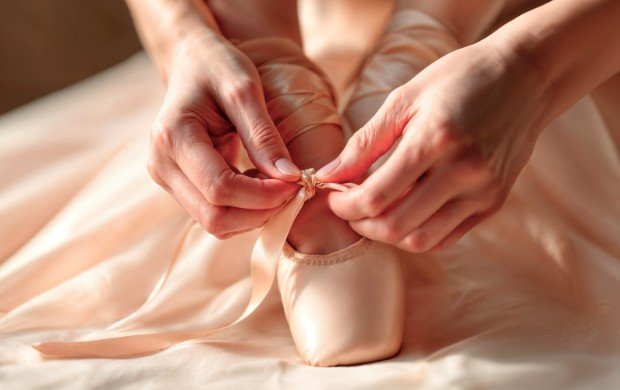
Use a breathable shoe bag instead of a plastic bag. Plastic traps moisture and can create odor. Keep the closet away from damp, direct sunlight, and heavy items that can bend the shape. I also like to loosen straps before storing shoes. This reduces tension on buckles and elastic. If the shoes are damp, leave them out overnight before putting them away.
Beginner Mistakes That Wear Out Dance Shoes Fast
The biggest mistake is treating dance shoes like everyday shoes. Walking outside, storing them wet, skipping sole care, and ignoring heel tips all shorten their life. Another common mistake is overcleaning.
Beginners sometimes scrub satin, soak suede, or use harsh cleaners because they want shoes to look new. Gentle care works better. Also avoid lending your shoes often. Different foot pressure can stretch the fit and change support.
When Should You Replace Dance Shoes?
Replace dance shoes when they no longer support your movement. Warning signs include loose straps, uneven heels, cracked uppers, thin soles, weak arch support, or slippery soles that no longer respond to brushing. Heel tips should be replaced before the metal pin shows. If you hear clicking or feel uneven pressure, check them immediately.
Frequently Asked Questions
1. What Are The Best Dance shoe maintenance tips for beginners?
Keep shoes indoors, brush suede soles, air-dry after class, clean by material type, use a breathable bag, and check heel tips regularly.
2. Can I Clean Dance Shoes With Water?
Use water carefully. A slightly damp cloth may work for leather or sneakers, but avoid water on suede soles and be very gentle with satin.
3. How Often Should I Brush Suede Soles?
Brush them every few classes. If you dance often or feel less grip, brush them after each session.
4. How Do I Stop Dance Shoes From Smelling?
Air them out after every class. Do not leave sweaty shoes in a sealed bag. You can also use moisture-absorbing inserts.
Before Your Next Dance Class
I used to think shoe care was only for advanced dancers, but now I see it as part of the routine. Clean, dry, well-maintained shoes help me feel safer, lighter, and more confident on the floor.
A few minutes after class can prevent sore feet, poor grip, damaged heels, and wasted money. Treat your dance shoes like part of your training, and they will support every step, turn, and practice session better.