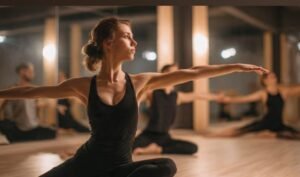
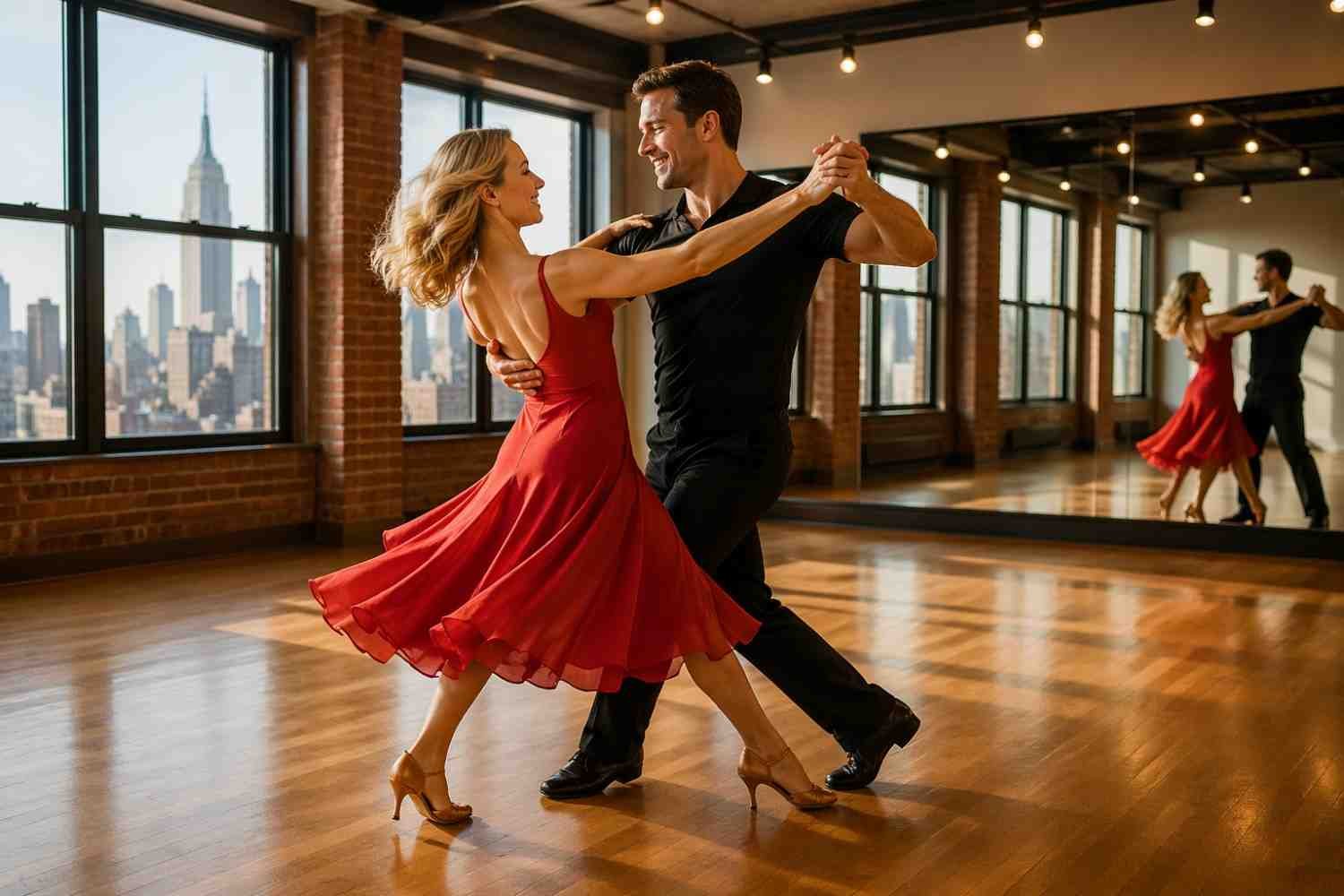
Not everyone enjoys the gym. For some people, treadmills feel repetitive, weight machines feel intimidating, and forcing yourself through a workout can feel like a chore. That’s exactly why so many people are turning to ballroom dancing for fitness it doesn’t feel like exercise, but your body definitely knows it is.
I’ve seen people walk into a dance class expecting a casual activity and leave surprised by how much they sweat. Between the quick footwork, posture control, turns, and nonstop movement, ballroom dancing can challenge your body in ways traditional workouts sometimes don’t. The best part is that it feels fun enough to keep doing consistently, and consistency is where real results happen.
Is Ballroom Dancing Really a Workout?
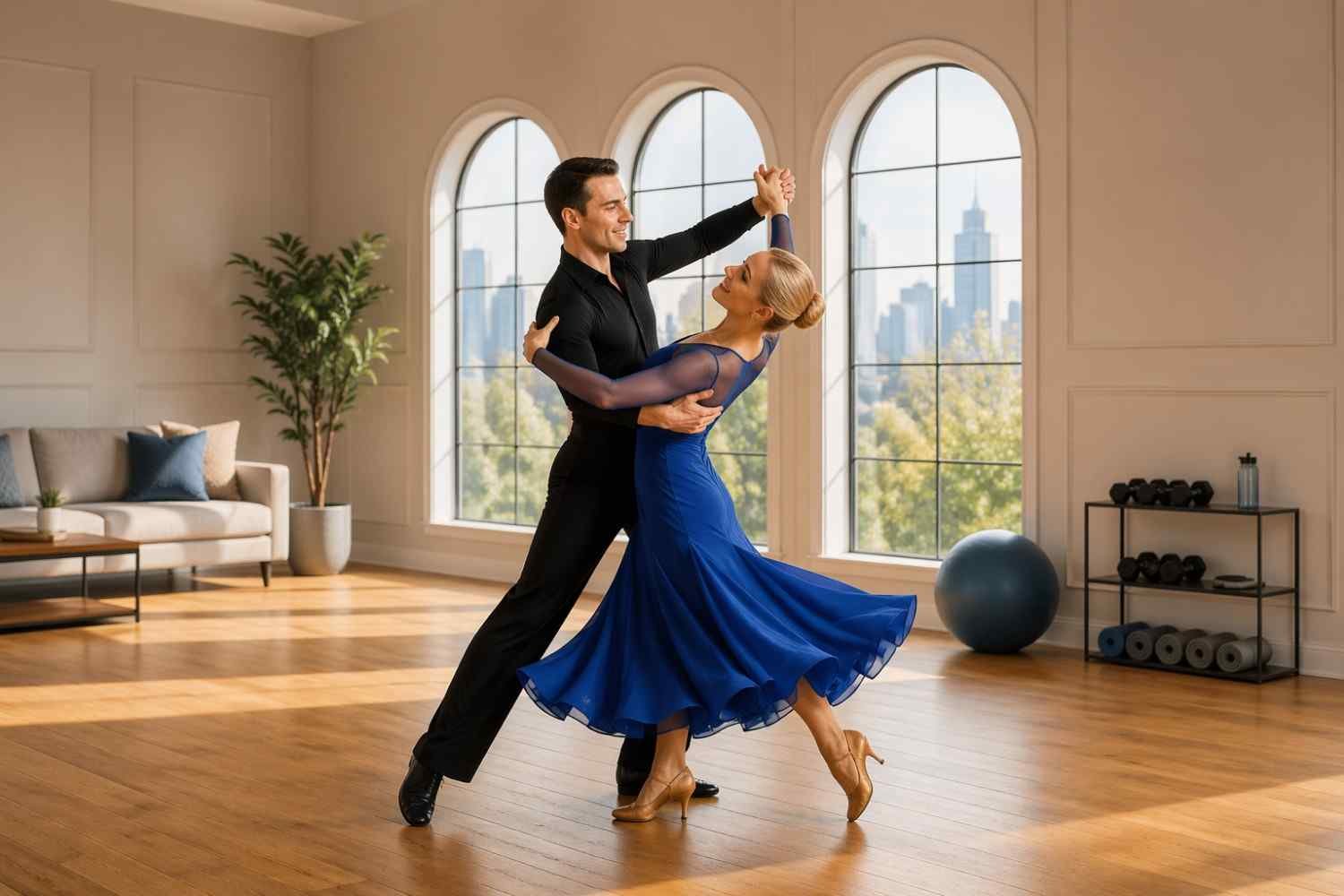
A lot of people still think of ballroom dance as something elegant and slow-paced. While some styles are graceful and controlled, many are full-body workouts that raise your heart rate fast.
Ballroom dancing for fitness combines cardio, strength, endurance, and flexibility in one session. Unlike repetitive gym routines, dancing keeps your body moving in different directions, which engages more muscles and improves coordination at the same time.
It can help with:
- Burning calories
- Improving stamina
- Strengthening muscles
- Enhancing flexibility
- Boosting balance and posture
That makes it more than just a hobby; it’s a legitimate workout.
How Many Calories Can Ballroom Dancing Burn?
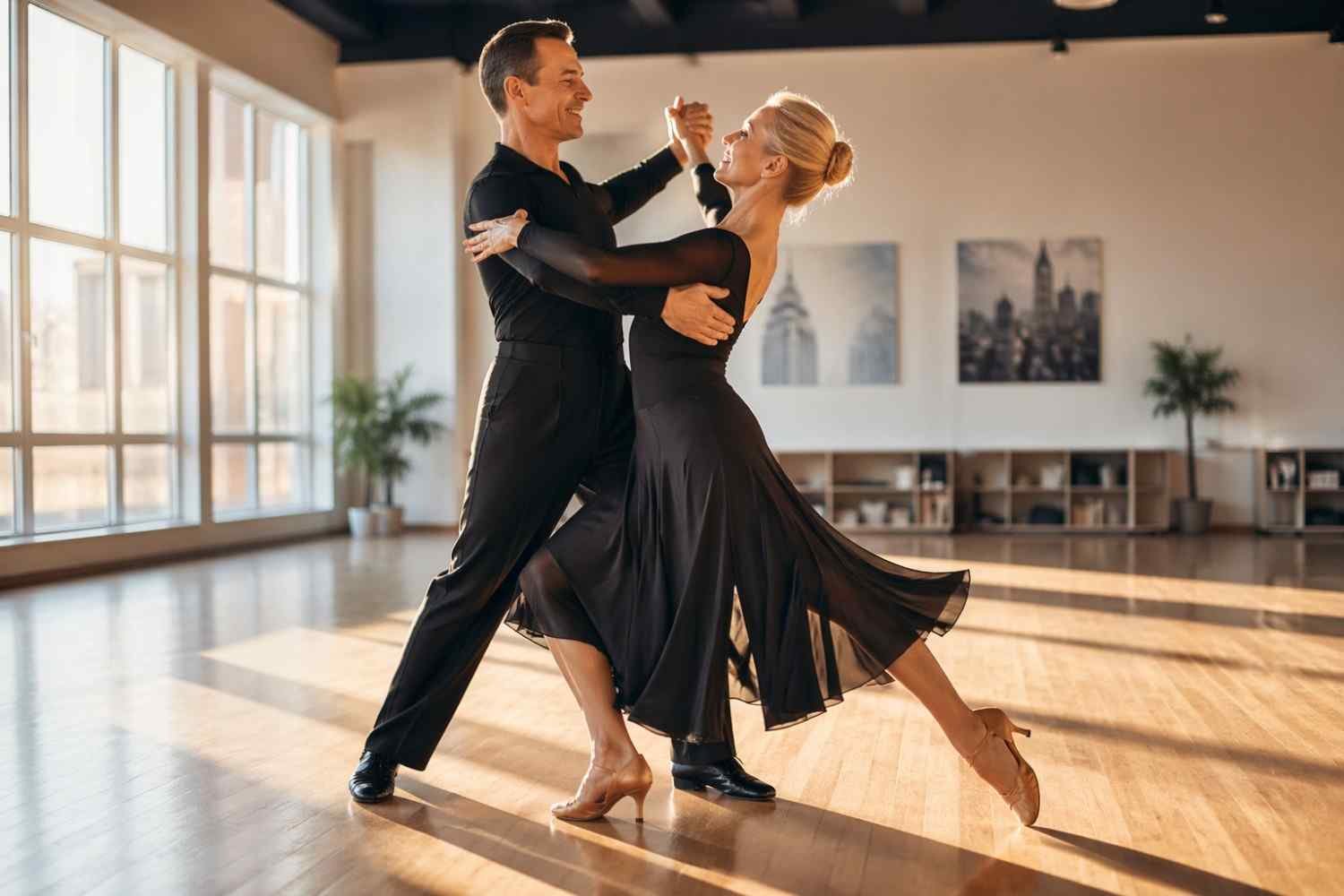
The number of calories you burn depends on the style, pace, and how intensely you move. Some styles are surprisingly demanding.
Here’s a rough estimate of calories burned per hour:
- Jive: 500–700 calories
- Samba: 450–600 calories
- Quickstep: 400–600 calories
- Cha-Cha: 400–500 calories
- Salsa: 400–480 calories
- Swing: 300–550 calories
- Waltz/Foxtrot: 200–300 calories
If you compare that to other workouts, certain dance styles can rival jogging, cycling, or even swimming.
The reason is simple: many ballroom styles combine constant movement with bursts of speed and full-body control.
Ballroom Dance Styles That Boost Fitness the Most
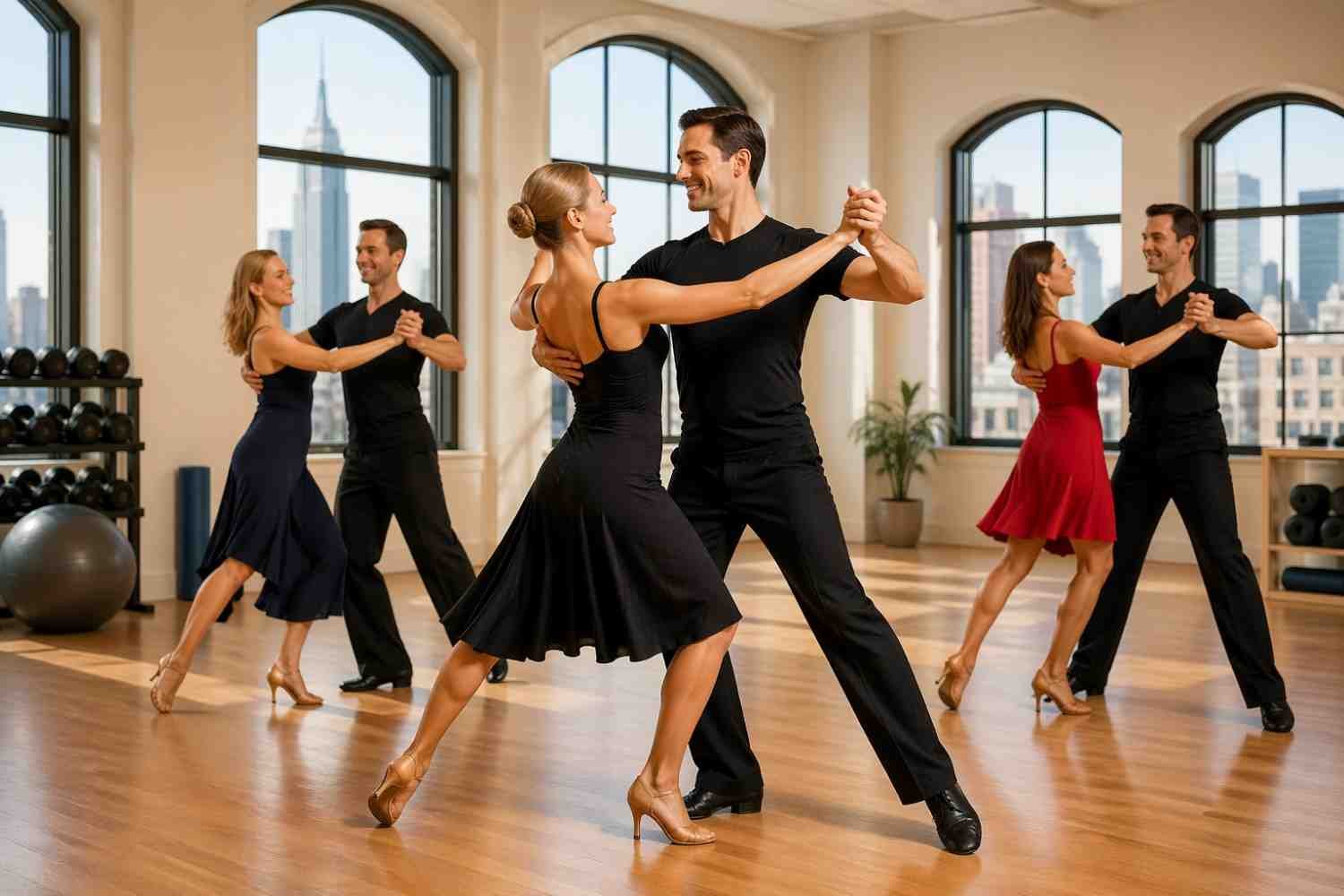
Different styles target the body differently.
High-Intensity Styles
If your goal is calorie burn and endurance, faster dances work best.
Jive, Samba, and Quickstep involve:
- Rapid footwork
- Continuous motion
- Higher heart rate zones
These are ideal if you want a strong cardio workout.
Moderate Styles
Cha-Cha, Salsa, and Swing create a balance between cardio and coordination. They help improve rhythm, core strength, and lower body endurance without feeling too overwhelming, especially if you explore styles like salsa ballroom dance that blend energy with technique.
Lower-Impact Styles
Waltz and Foxtrot may burn fewer calories, but they build posture, flexibility, and control.
These are great for beginners or people easing into exercise.
Physical Benefits of Ballroom Dancing for Fitness
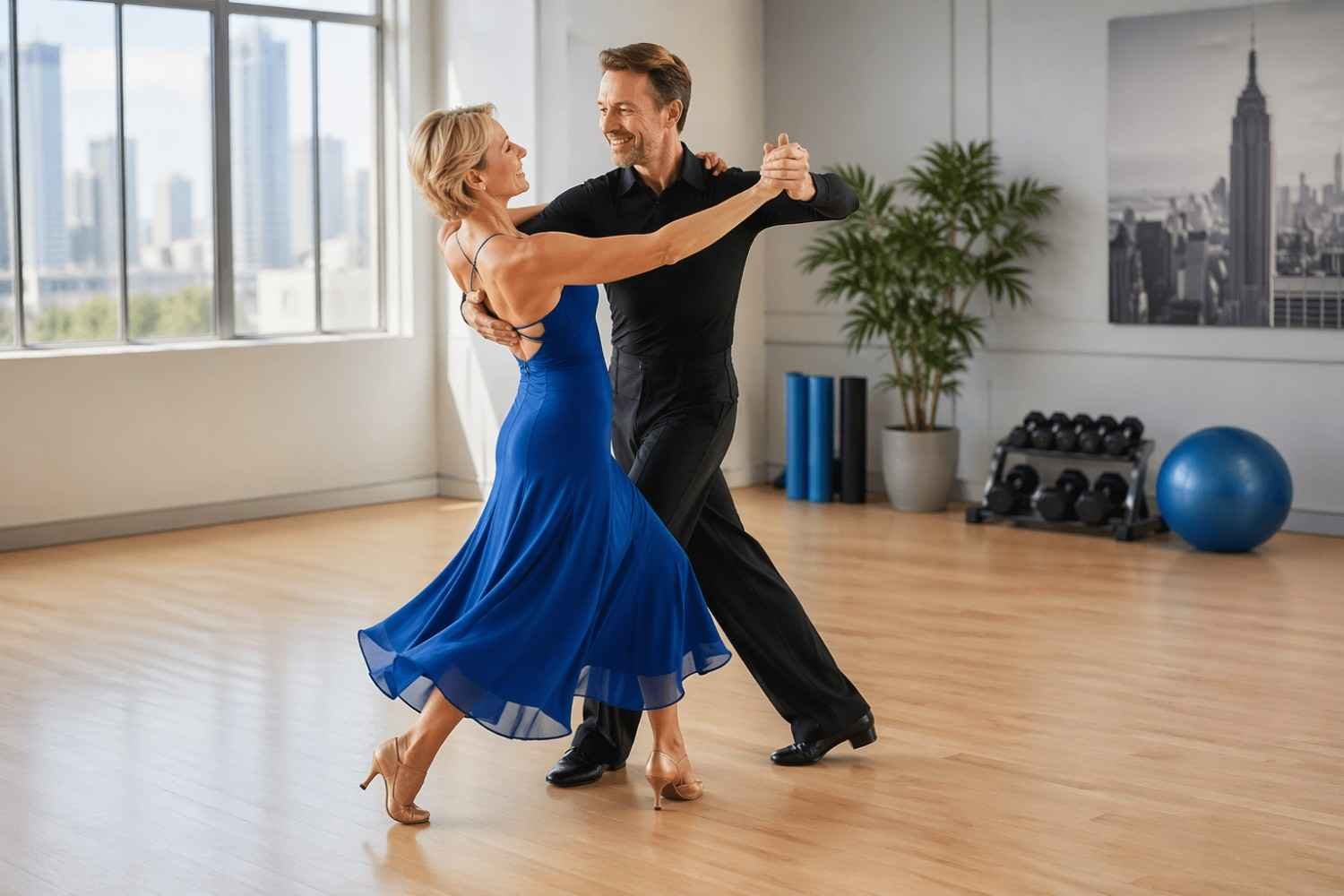
The biggest benefit of ballroom dancing is that it trains multiple parts of the body at once.
Better Cardiovascular Health
Dancing raises your heart rate and improves blood circulation.
Over time, this can:
- Improve endurance
- Lower resting heart rate
- Support heart health
Regular aerobic movement reduces long-term cardiovascular risk.
Muscle Strength and Toning
Ballroom dancing works your:
- Legs
- Glutes
- Core
- Back
- Arms
Turns, lifts, posture control, and resistance through movement help tone muscles naturally.
Better Balance and Stability
Dance requires precise footwork and body awareness.
That improves coordination and stability, which becomes increasingly important with age.
The Mental Benefits Are Just as Powerful
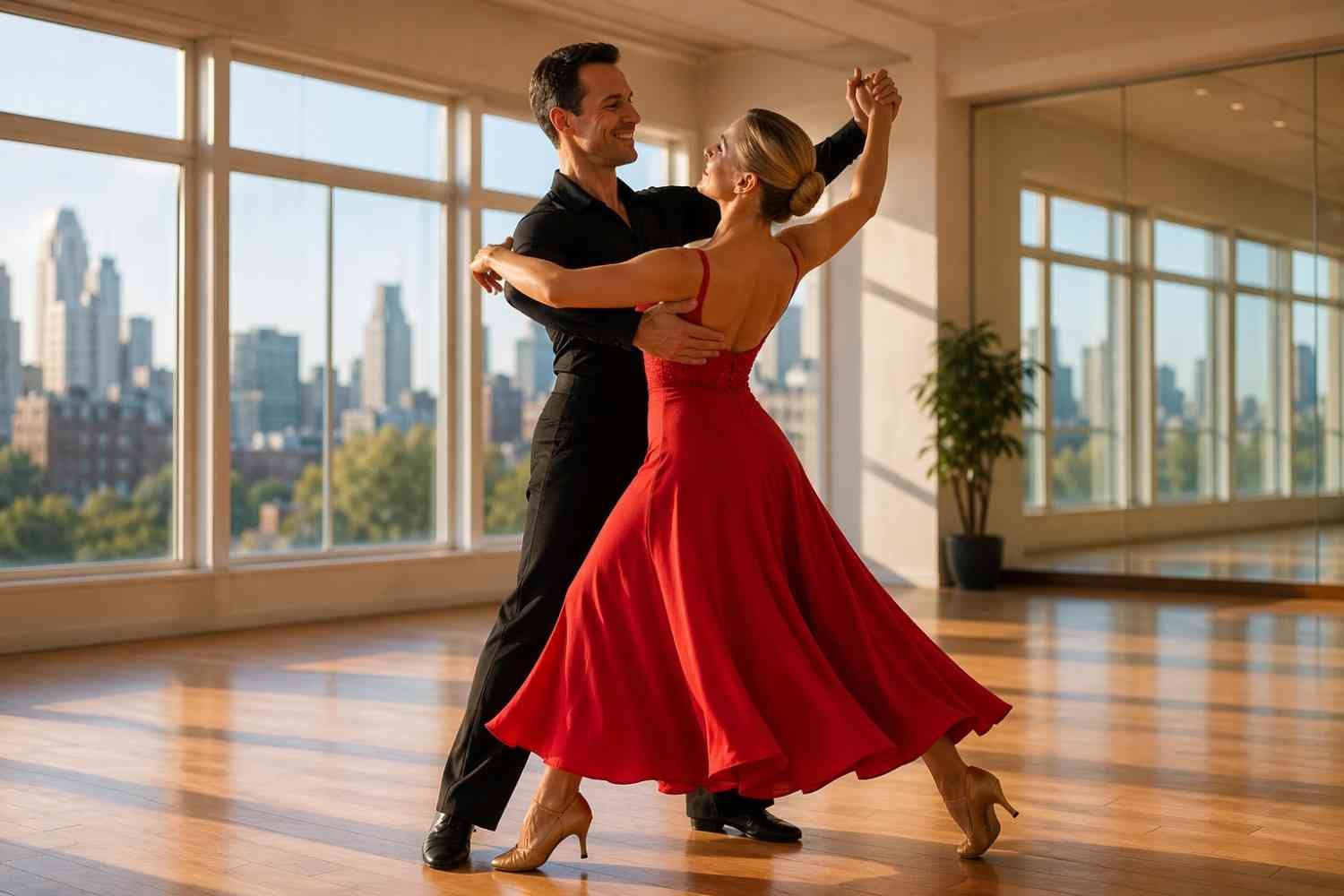
This is where ballroom dancing stands out from many traditional workouts.
You’re not just moving, you’re thinking.
You’re memorizing steps, adjusting timing, responding to music, and coordinating with a partner.
That mental engagement can improve:
- Focus
- Memory
- Reaction time
Studies have linked dancing with lower risks of cognitive decline because it combines movement with mental challenge.
Why People Stick With Dance More Than the Gym
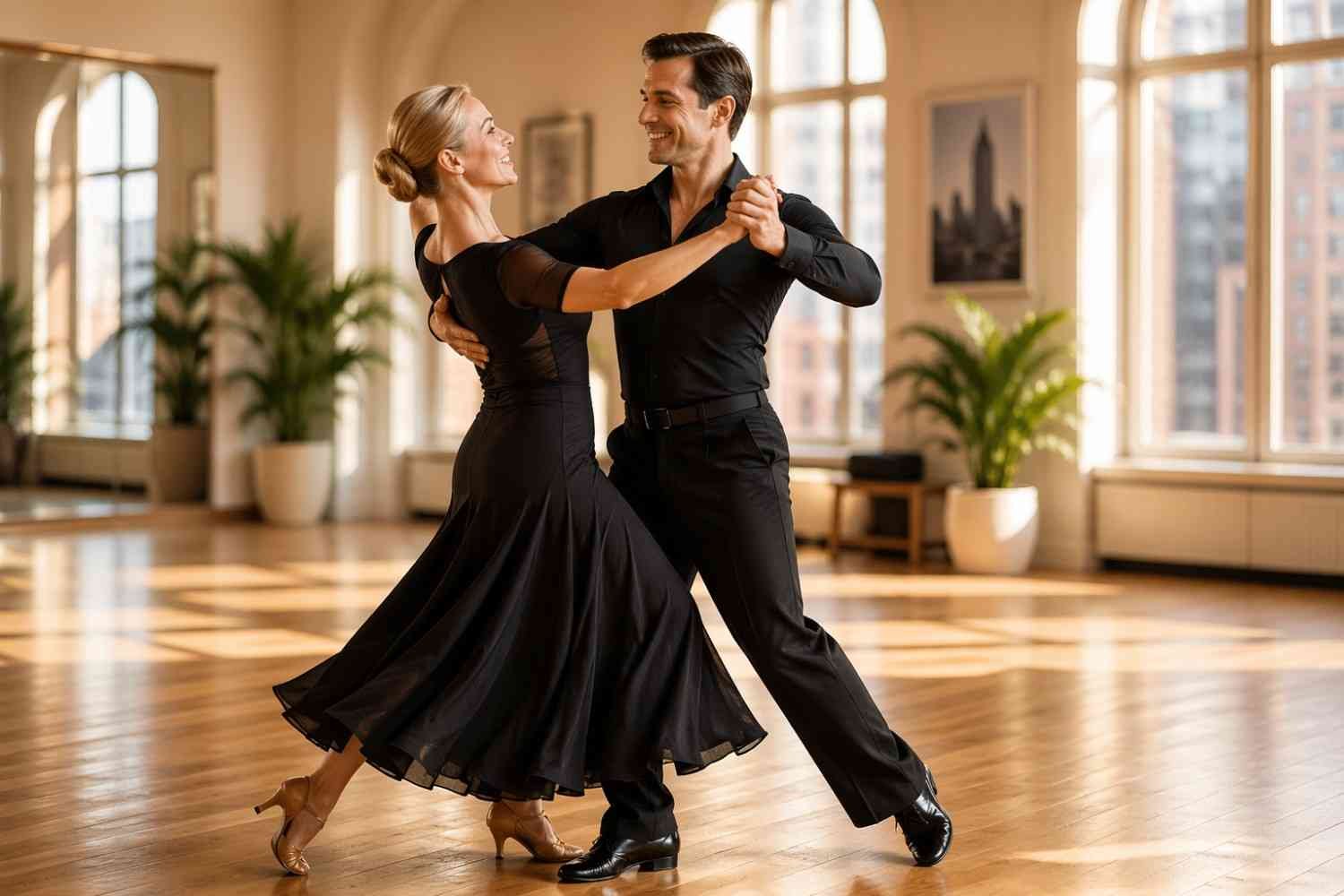
The hardest part of fitness isn’t starting.
It’s staying consistent.
People quit workouts because they’re boring, repetitive, or emotionally draining. Ballroom dance feels different because it combines fitness with entertainment and social connection.
There’s music.
There’s progress.
There’s community.
And because it’s enjoyable, people are more likely to keep showing up.
That makes ballroom dancing for fitness one of the most sustainable ways to stay active long term.
Frequently Asked Questions: Ballroom Dancing for Fitness: A Fun Way to Burn Calories and Stay Active
1. Is ballroom dancing good for weight loss?
Yes. Ballroom dancing can burn hundreds of calories per hour and helps improve consistency, which is key to long-term weight loss.
2. Can beginners use ballroom dancing for fitness?
Absolutely. Styles like Waltz and Foxtrot are beginner-friendly and lower impact.
3. Is ballroom dancing better than the gym?
It depends on your goals. For cardio, endurance, and consistency, dance can be more enjoyable and sustainable than the gym for many people.
4. How often should I do ballroom dancing for fitness?
For noticeable results, aim for at least 30 minutes per session, 4–5 times per week.
Final Thoughts
Ballroom dancing for fitness works because it doesn’t force you into the typical “workout” mindset. You’re moving, sweating, strengthening your body, and improving your health, but you’re also enjoying yourself while doing it. That balance makes it easier to stay consistent, and consistency matters more than intensity in the long run.
If you’ve struggled to stick with exercise in the past, dancing might be the thing that finally changes that. It’s active, social, mentally engaging, and surprisingly effective.