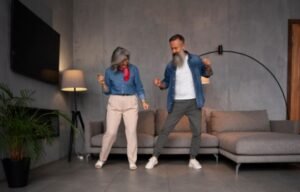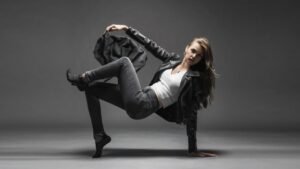
It started with a song I couldn’t ignore. I wasn’t planning to dance—I just caught myself tapping my foot, then shifting my weight, and before I knew it, I was trying to move along with the beat in the most uncoordinated way possible. It wasn’t smooth, it wasn’t impressive, but it felt different. It felt alive.
That moment pulled me into a dance lifestyle for beginners without overthinking it. I didn’t have a plan or any real skill. I just kept following the music, repeating simple steps, and showing up again the next day. Somewhere between those awkward attempts and small wins, dancing stopped feeling intimidating and started feeling natural.
What Does a Beginner Dance Lifestyle Actually Look Like?
A beginner dance lifestyle is not about perfection or performance. It’s about creating a daily rhythm where movement becomes natural. For me, it started with short sessions at home and slowly grew into classes, social dancing, and better body awareness.
Instead of treating dance like a skill to master, I treated it like a habit to build. That shift removed pressure and made the process enjoyable. Over time, I noticed better posture, more energy, and stronger confidence in social settings.
How I Found My Rhythm Without Feeling Overwhelmed
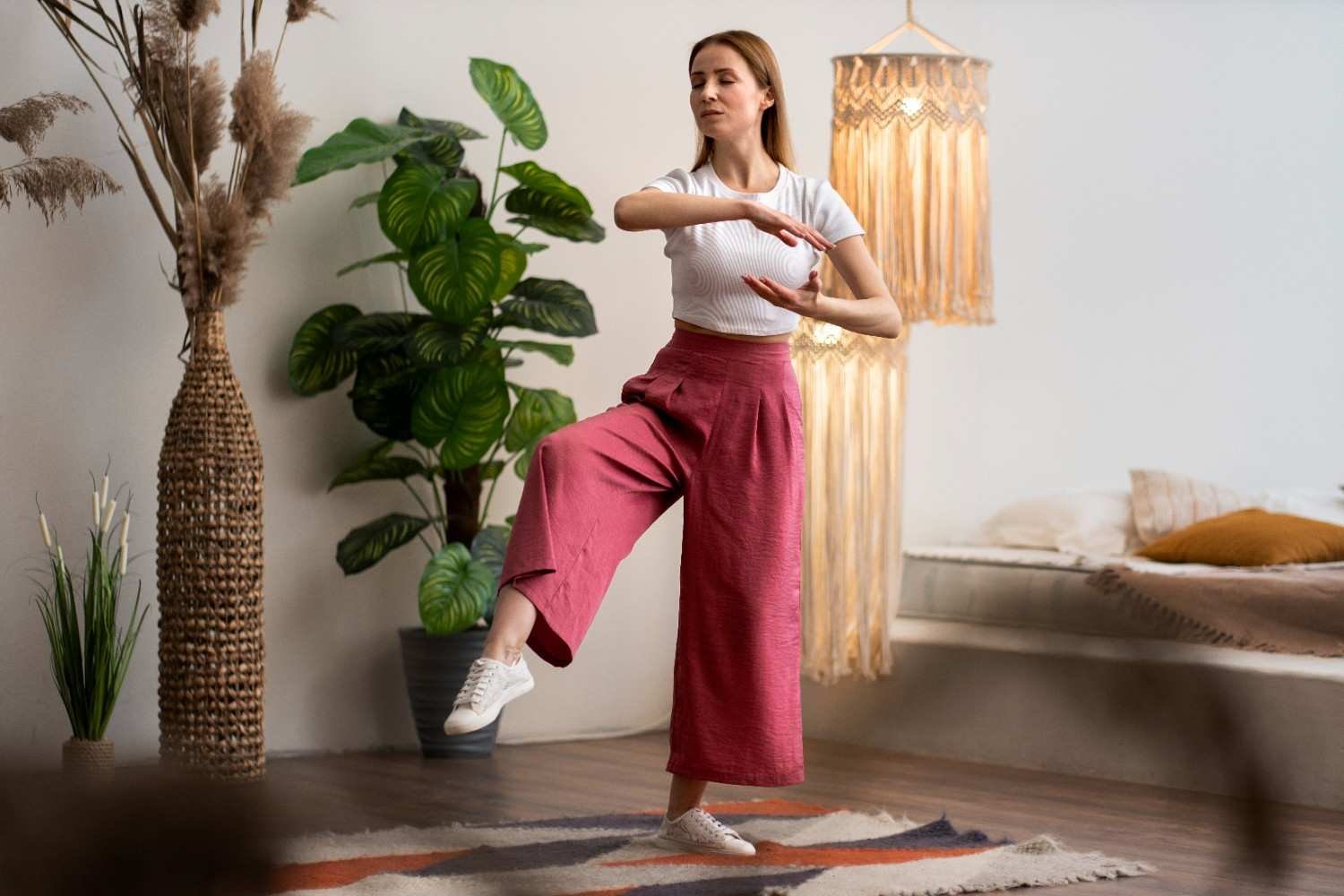
Finding rhythm felt impossible at first. My movements didn’t match the music, and I kept second-guessing myself. What helped was choosing dance styles based on music I already enjoyed.
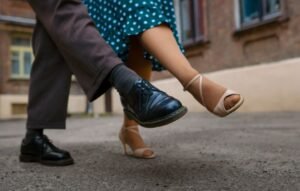
When I listened to hip-hop, I focused on groove-based movements that felt natural and relaxed. When I explored Latin music like salsa and bachata, I realized the structured step patterns made learning easier. Contemporary styles helped me connect emotionally with movement, while dance fitness sessions added energy without pressure.
The key was not forcing myself into a style that didn’t fit. Once I aligned movement with music I liked, rhythm became easier to understand.
How to Start Dancing as a Beginner at Home
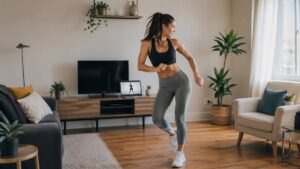
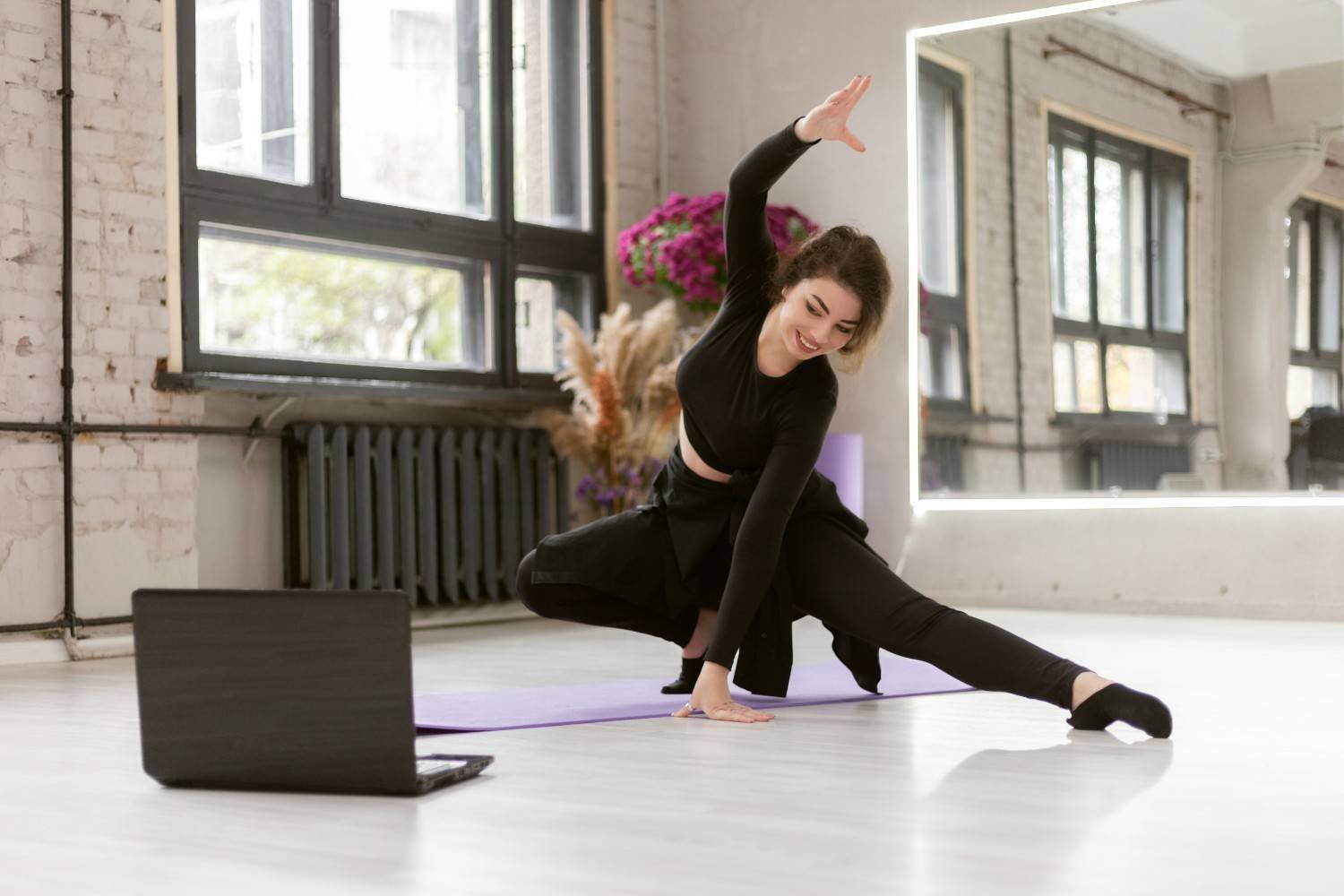
I didn’t wait for the perfect setup. I created a small “dance zone” at home by clearing enough space to move freely. That simple step made a big difference because it removed excuses.
If you have a mirror, it helps you track posture and movement. If not, focus on how your body feels instead of how it looks. I started practicing basic steps repeatedly, even when it felt boring. I began to treat it as a simple study of dance movement, paying attention to how each step connected with the music. That repetition built muscle memory faster than I expected.
Learning how to practice dance at home gave me confidence before I ever stepped into a class.
The Simple Routine That Made Me Improve Faster
The biggest breakthrough came when I stopped relying on motivation and built a routine instead.
I followed a simple approach. I danced for about fifteen minutes every day instead of doing long sessions once a week. That consistency helped my body learn patterns naturally. I also focused on mastering basic movements like shifting weight from one foot to another. That “two-step” foundation applies to almost every dance style.
Over time, I added warm-ups before each session to avoid stiffness and simple stretches afterward to stay flexible. This routine kept me consistent and injury-free.
What to Expect in Your First Dance Class
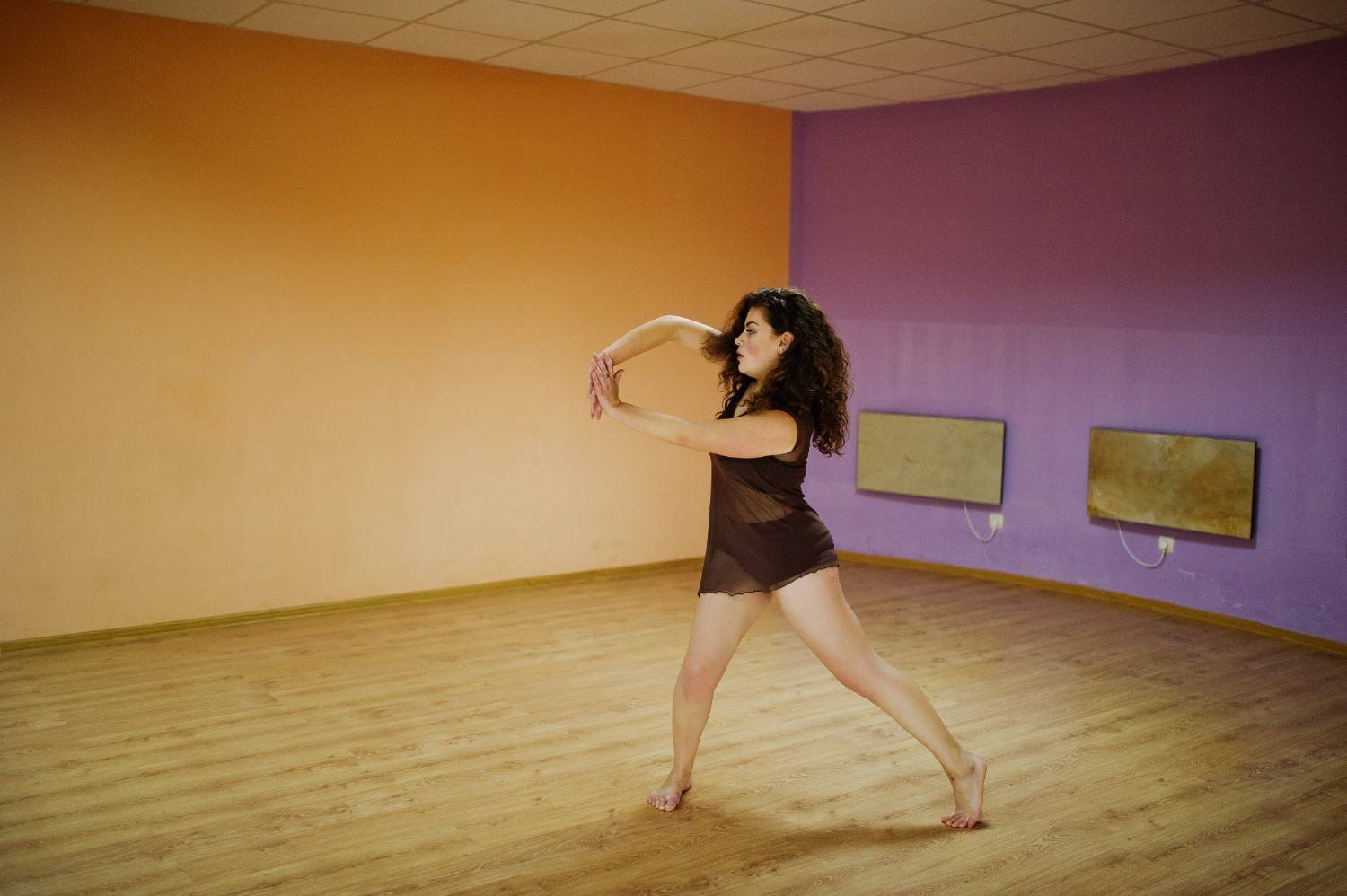
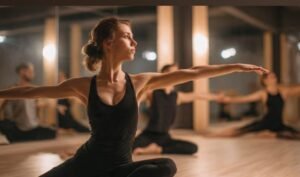
Walking into my first class felt intimidating. I thought everyone would judge me, but most people were focused on their own steps.
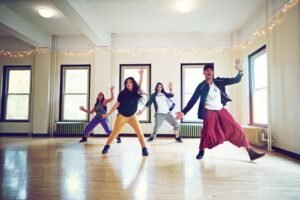
Beginner classes are designed for people with no experience. Instructors break movements into simple patterns and repeat them multiple times. At first, it feels messy, but your body starts adapting faster than you expect.
Wearing comfortable clothes and bringing water helped me focus on learning instead of worrying about small details. Once I stopped trying to look perfect and focused on feeling the music, my progress improved.
How Dance Builds Confidence in Real Life
One thing I didn’t expect was how quickly dance would improve my confidence outside of practice.
Each session pushed me slightly out of my comfort zone. Whether it was moving freely, following rhythm, or interacting with others, I became more comfortable with being seen. That confidence carried into conversations, work situations, and everyday interactions.
A dance lifestyle for beginners is not just about movement. It reshapes how you carry yourself in daily life.
Common Beginner Mistakes That Slow Progress
I made several mistakes early on that slowed me down.
I tried learning too many styles at once, which made everything confusing. I skipped practice when I didn’t feel motivated, which broke consistency. I also focused too much on how I looked instead of how I felt.
Once I simplified my approach, stuck to one style, and practiced regularly, improvement became much faster and more natural.
How Dance Becomes Part of Your Daily Routine
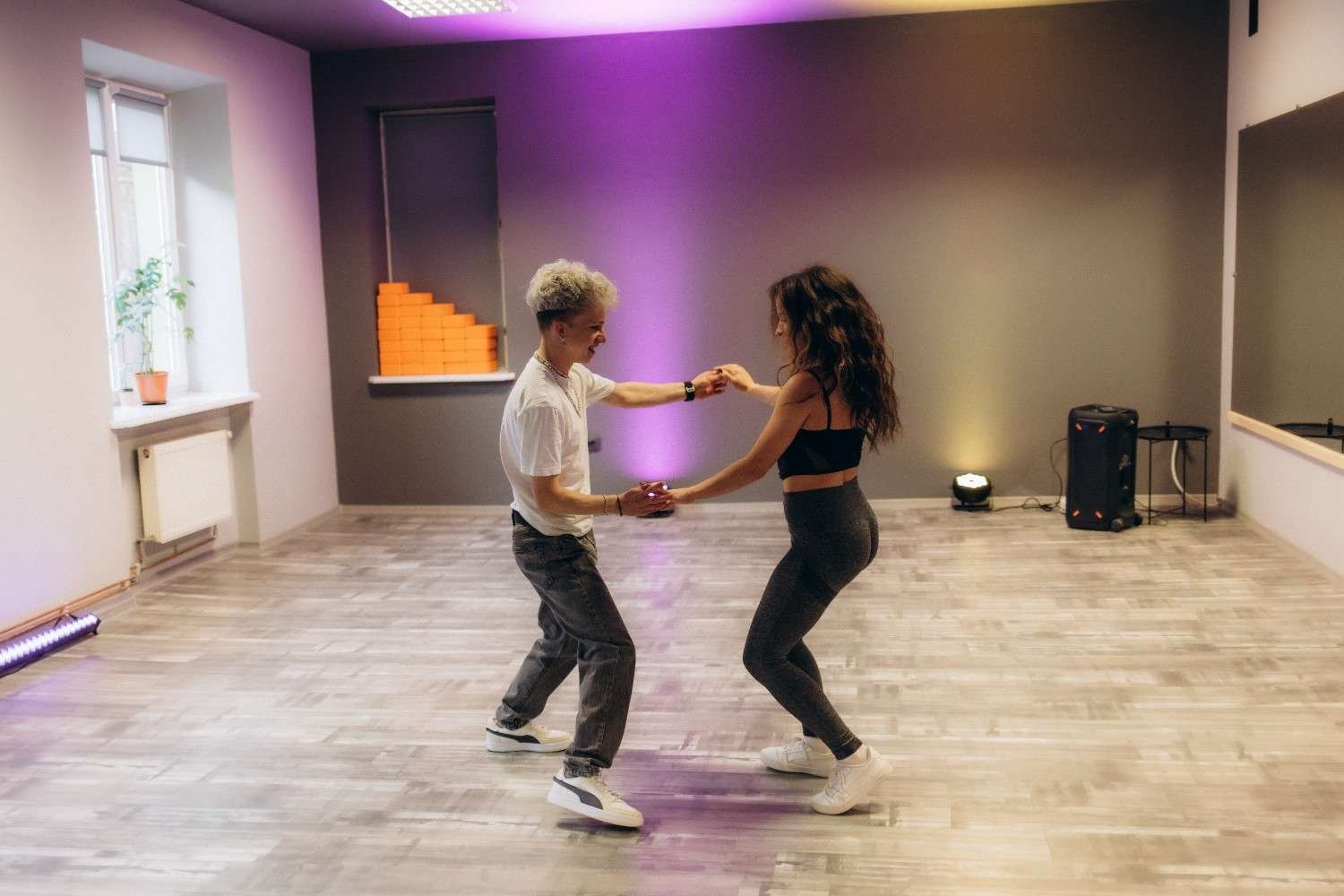
At some point, dance stopped feeling like something I had to schedule. It became part of my lifestyle.
I started noticing rhythm in everyday music and began to understand the importance of rhythm in everyday life. I moved more freely without thinking. Even short sessions felt rewarding because they added energy to my day.
That’s when I realized I had fully stepped into a dance lifestyle for beginners. It wasn’t about learning steps anymore. It was about living differently.
FAQs About Dance Lifestyle for Beginners
1. How long does it take to see progress in dancing?
Most beginners notice improvement within a few weeks if they stay consistent. Short daily practice sessions help build muscle memory faster than occasional long sessions.
2. Can I start dancing at home without any experience?
Yes, starting at home is one of the easiest ways to begin. A small space, music you enjoy, and simple repetition are enough to build a strong foundation.
3. What is the best dance style for beginners?
The best style depends on your preference. Hip-hop feels natural, Latin styles offer structure, and dance fitness focuses on energy without pressure.
4. Do I need confidence before starting to dance?
No, confidence develops as you practice. Dance helps build confidence through repetition and small improvements over time.
Where This Journey Can Take You
Looking back, I didn’t need talent or perfect timing to start. I needed consistency and a willingness to try. Once I built a simple routine and stopped overthinking, everything changed.
If you stay consistent, keep your practice simple, and focus on enjoying the process, you won’t just learn to dance—you’ll build confidence through dance, develop rhythm, and create a lifestyle that feels natural and energizing every day.