Walking onto the dance floor for the first time can feel intimidating, especially when it seems like everyone else already knows what they’re doing. That’s exactly why finding the right ballroom dance tips for beginners made such a big difference for me early on.
Instead of trying to keep up or memorize complicated routines, I focused on simple fundamentals that actually matter. Once I understood posture, rhythm, and how to connect with a partner, everything started to feel more natural and far less overwhelming.
Why Ballroom Dance Tips for Beginners Matter More Than You Think
When I walked into my first ballroom class in the US, I felt completely out of place. Everyone seemed to know what they were doing, and I kept worrying about getting the steps wrong. What changed everything for me wasn’t learning more moves—it was focusing on the right basics.
If you’re looking for ballroom dance tips for beginners, the most important thing to understand is this: confidence doesn’t come from complexity. It comes from mastering simple fundamentals like posture, rhythm, and connection.
Once I shifted my focus, everything started to feel easier, smoother, and far more enjoyable.
What Should You Focus on First When Learning Ballroom Dancing?
At the beginning, I tried to learn multiple dance styles and advanced patterns too quickly. That only made me feel overwhelmed. What actually worked was slowing down and focusing on a few essential techniques.
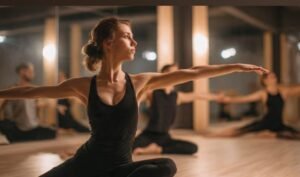
Posture became my first priority. Keeping my shoulders back, chest lifted, and core engaged instantly improved how I looked and felt on the floor. I also stopped looking down at my feet, which helped my balance and made me appear more confident.
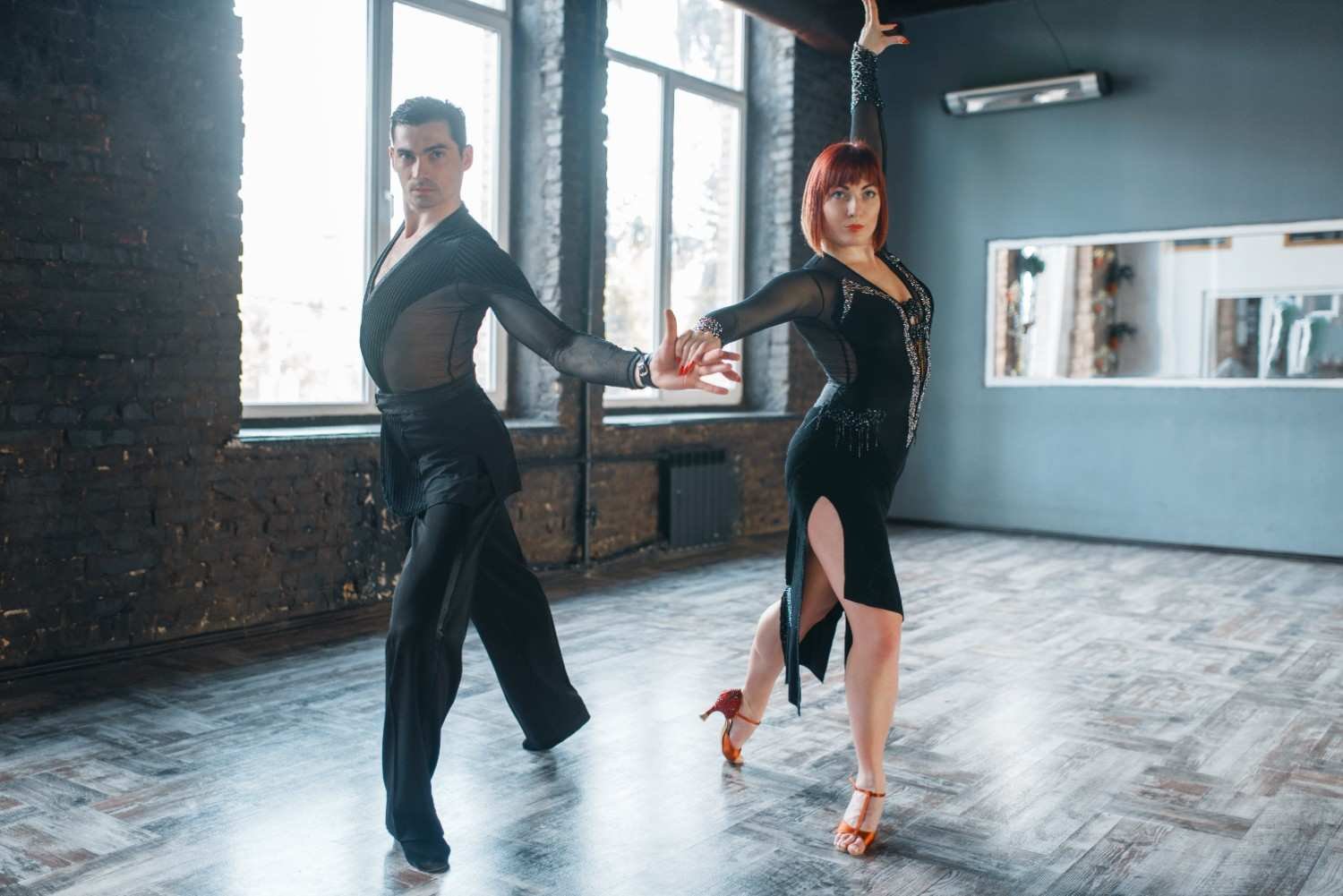
The next breakthrough was understanding the frame. In ballroom dancing, your frame is the connection between you and your partner. A stable upper body allows you to communicate movement clearly without words.
How Do You Master Basic Ballroom Steps Without Feeling Overwhelmed?
The biggest improvement in my dancing came when I stopped chasing advanced moves and started repeating the basics.
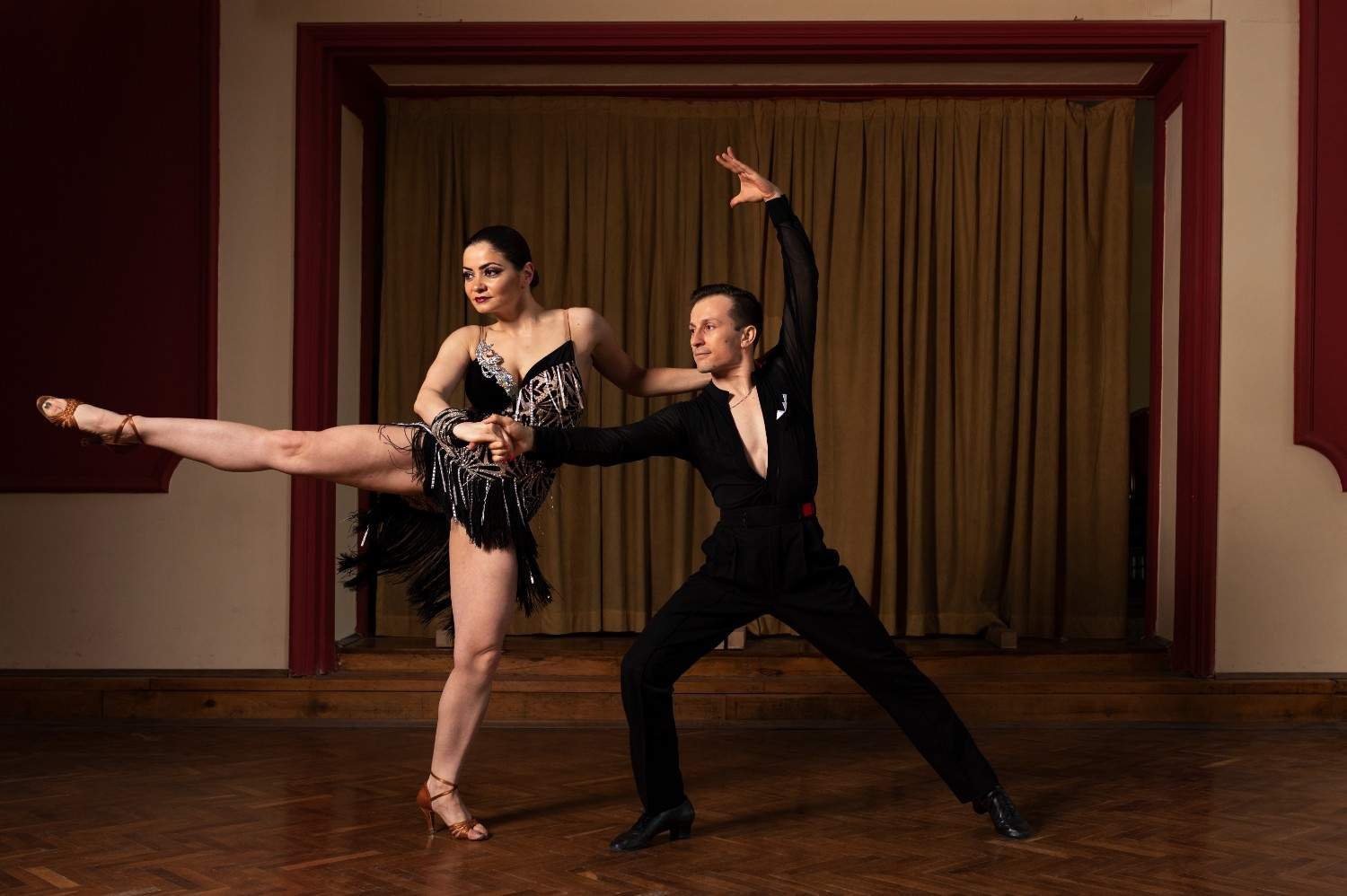
The box step was the first pattern that truly clicked for me. It felt simple at first, but over time it built my coordination and control. I also practiced the rock step and triple step, which are essential in dances like swing.
These foundational steps form the backbone of most ballroom styles. Once your body becomes comfortable with them, learning new patterns becomes much easier.
How to Stay on Beat and Understand Ballroom Dance Rhythm
Timing was one of the most frustrating parts of learning for me. I used to count in my head constantly, but I still felt off.
Everything changed when I started listening to the music instead of forcing the counts. Ballroom dances follow consistent rhythms, whether it’s the smooth flow of a waltz or the steady pattern of a foxtrot.
I began practicing by simply clapping along to the beat before dancing. That small habit helped me develop a natural sense of timing without overthinking every step.
Best Ballroom Dance Styles for Beginners to Start With
Not all ballroom dances feel the same when you’re starting out. Some are much easier to learn and help build confidence faster.
The waltz was one of the first dances I felt comfortable with because of its slow, flowing rhythm. The foxtrot also felt natural since it uses walking-style steps that are easy to follow.
When I wanted something more expressive, I tried rumba, which focuses on controlled movement and timing. For energy and fun, East Coast swing helped me improve speed and coordination.
Starting with these styles made my learning process feel more manageable and enjoyable.
How Partner Connection and Frame Improve Your Dancing
One of the biggest shifts in my progress came when I stopped focusing only on myself.
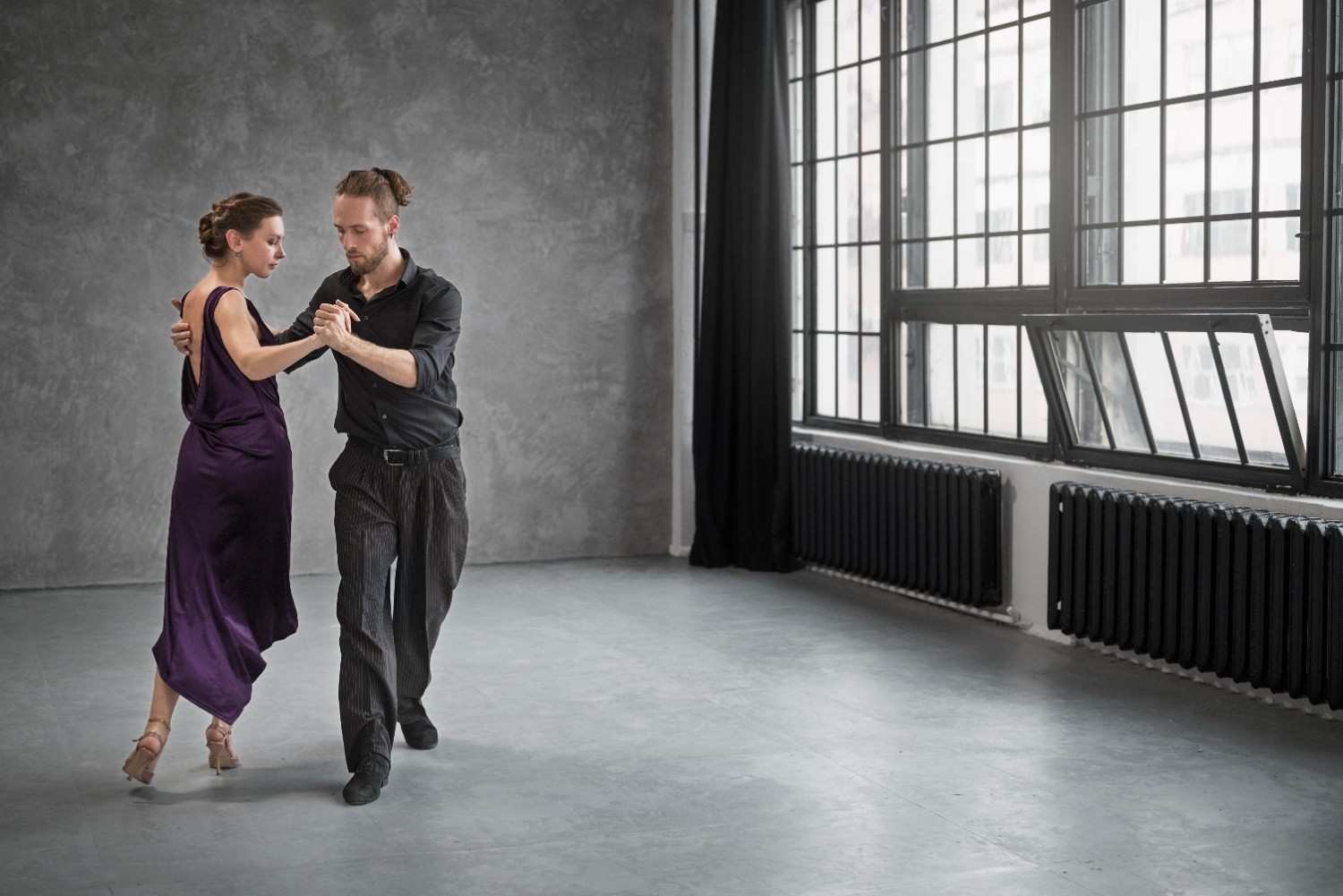
Ballroom dancing is about connection. When I started paying attention to my partner’s movement, everything became smoother. The frame helped me feel subtle signals, making it easier to move together instead of guessing the next step.
A good connection doesn’t require perfection. It requires awareness, responsiveness, and a relaxed mindset.
What Should You Wear to Your First Ballroom Dance Class?
I didn’t realize how much shoes mattered until I struggled with turns in regular sneakers.
Once I switched to dance shoes with suede soles, my movement became smoother and more controlled. Proper footwear allows you to glide and pivot safely without putting stress on your knees.
Comfortable clothing also makes a difference. You should be able to move freely without adjusting your outfit constantly.
How to Practice Ballroom Dancing at Home Effectively
Practicing at home helped me improve faster than I expected.
I started with short sessions, focusing on basic steps like the box step and rock step. Practicing in front of a mirror helped me correct my posture and alignment.
I also played music and worked on identifying the beat before moving. Even ten minutes a day made a noticeable difference in my confidence and coordination.
Common Beginner Mistakes That Slow Down Progress
Looking back, I made several mistakes that held me back.
I used to rush through steps, thinking speed meant improvement. In reality, it made my movements messy. Slowing down helped me build control.
Another mistake was overthinking every movement instead of letting my body learn naturally. I also compared myself to others too often, which only increased my frustration.
Avoiding these habits made my progress feel smoother and more enjoyable.
Ballroom Dance Tips for Beginners That Actually Build Confidence
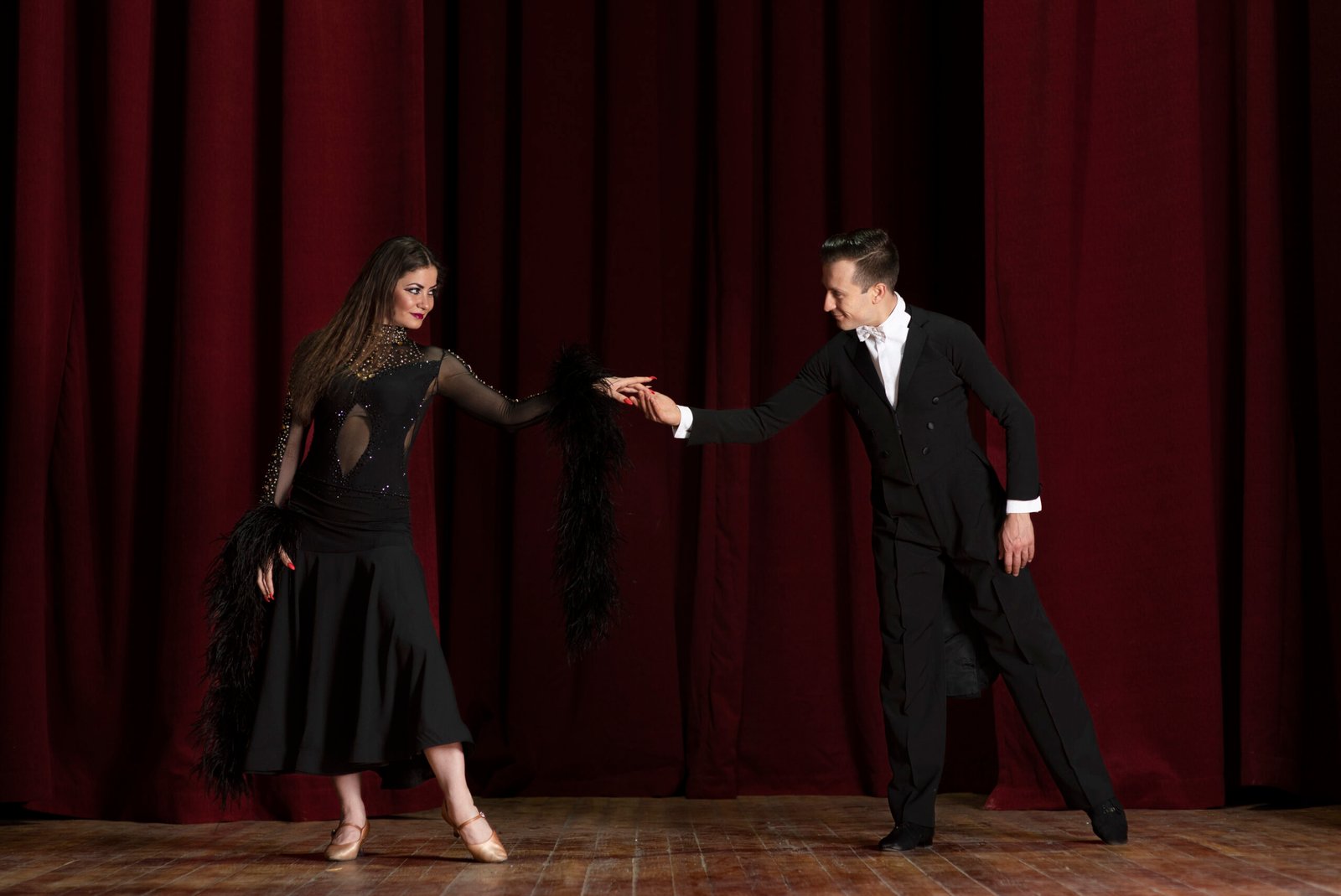
The biggest lesson I’ve learned is that ballroom dancing is not about perfection. It’s about consistency and enjoying the process.
When I focused on posture, practiced basic steps regularly, listened to the music, and stayed relaxed, my confidence grew naturally. Taking lessons also helped me receive feedback that I couldn’t notice on my own.
These ballroom dance tips for beginners are not just about learning steps—they are about building a strong foundation in dance that makes every dance feel better over time.
FAQs About Ballroom Dance Tips for Beginners
1. What are the best ballroom dance tips for beginners to improve quickly?
Focus on posture, basic steps like the box step, and rhythm. Practice regularly and avoid rushing through movements. Consistency builds confidence faster than complexity.
2. Do I need a partner to learn ballroom dancing?
No, many US studios rotate partners during classes. You can also practice solo to improve timing and technique.
3. Which ballroom dance is easiest for beginners?
Waltz and foxtrot are often the easiest because of their slower tempo and simple step patterns.
4. How often should beginners practice ballroom dancing?
Short daily practice sessions work best. Even 10–15 minutes a day can significantly improve coordination and confidence.
Where Real Confidence Begins on the Dance Floor
When I started, I thought confidence would come after I became a good dancer. But I’ve realized it works the other way around, especially when you begin embracing a Dance Lifestyle for Beginners.
Confidence comes from showing up, practicing the basics, and allowing yourself to improve step by step. You don’t need to know everything to enjoy ballroom dancing—you just need to start.
If you follow these ballroom dance tips for beginners, you’ll not only improve your skills but also feel more comfortable and confident every time you step onto the floor.