I walked into my first salsa class thinking I’d just learn a few steps. Instead, I found something that completely changed how I live, move, and connect with people. Over time, I realized that Latin dance isn’t just about technique—it’s about building habits that shape your daily routine, your mindset, and even your confidence.
That’s where latin dance lifestyle habits come in. These are the small, repeatable actions that turn dancing into something bigger than a hobby. Once I started focusing on them, everything—from my fitness to my social life—began improving naturally.
What Are Latin Dance Lifestyle Habits and Why Do They Matter?
Latin dance lifestyle habits are the routines and behaviors dancers follow to stay consistent, improve skills, and enjoy the process long term. They go beyond attending classes. They include how you practice, how you take care of your body, and how you engage socially—especially when you start embracing a dance lifestyle for beginners.
From my experience, the biggest shift happens when you stop treating dance as something occasional and start integrating it into your everyday life. That’s when progress becomes visible and sustainable.
Why Latin Dance Feels Like a Lifestyle, Not Just a Class
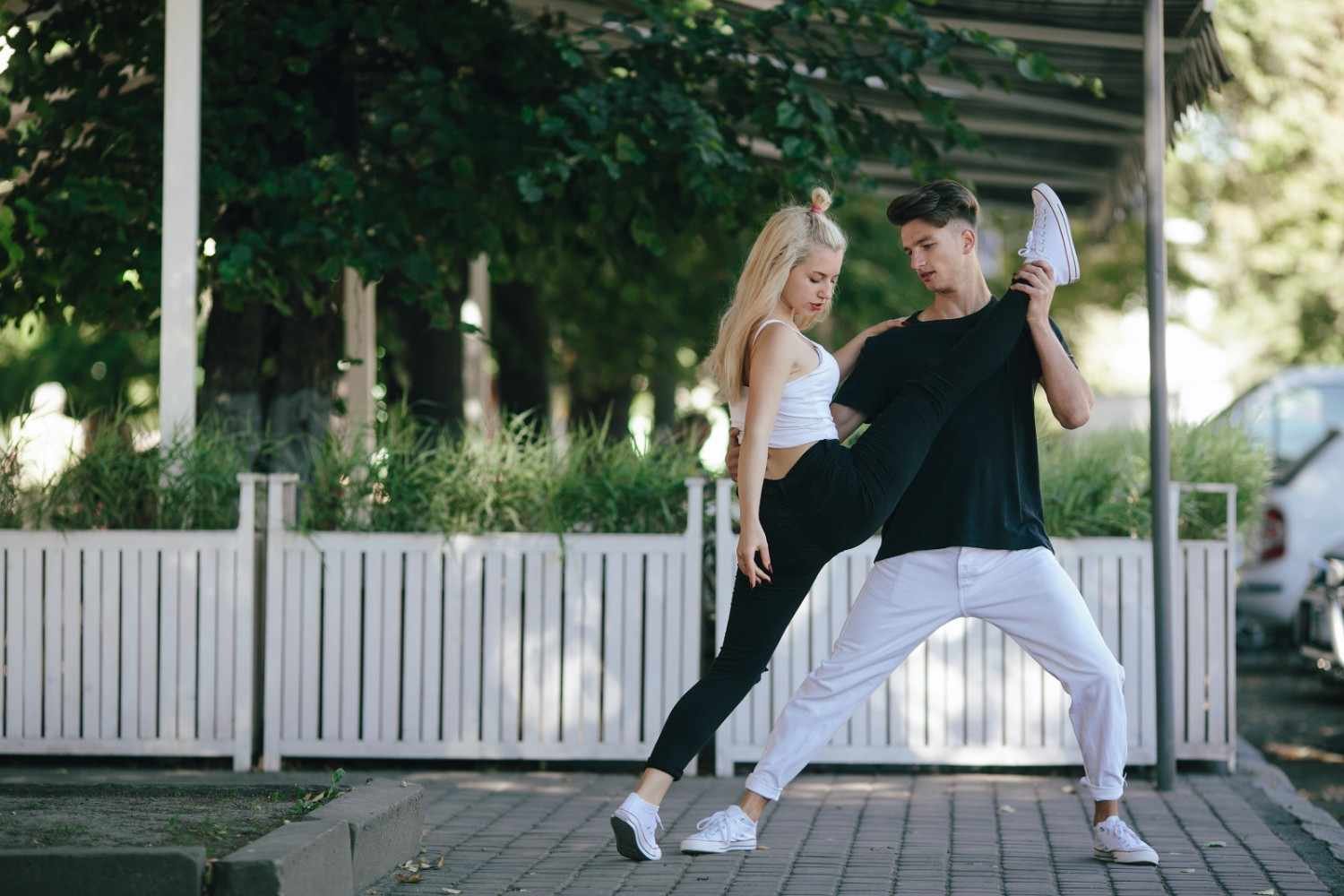
Latin dance influences more than your footwork. It shapes your posture, your energy, and your confidence.
When I started focusing on latin dance for beginners, I noticed how naturally it replaced other routines. Instead of forcing myself into gym workouts, I stayed active through dancing. Instead of feeling socially awkward, I started connecting with people more easily.
The music, movement, and community make it feel like a lifestyle rather than a scheduled activity.
How Do Dancers Stay Consistent With Physical Activity?
Consistency is one of the strongest habits I built early on. Most dancers attend classes or socials at least two to three times a week. That frequency keeps the body active without feeling forced.
Social dancing plays a huge role here. Salsa nights and bachata events act as full-body cardio sessions. They improve stamina, coordination, and rhythm while keeping things fun.
Over time, I also added simple strength work to support my dancing. Core exercises, ankle stability, and endurance training made a noticeable difference, especially for faster styles like salsa and samba.
How Do Latin Dancers Train Body Mechanics and Movement?
One thing I underestimated at first was body mechanics. Good dancers don’t just move—they control how they move.
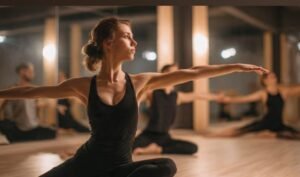
I started practicing isolations, hip movement, and posture. Cuban motion, in particular, changed how my dancing looked and felt. It improved balance and gave my movements more fluidity.
This kind of focused practice builds flexibility, coordination, and control, which are essential for long-term progress.
How Do Dancers Practice Effectively at Home?
Home practice is where real improvement happens.
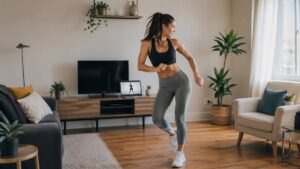
I keep it simple. Ten to fifteen minutes a day focusing on basics like timing, turns, and footwork. Recording myself helped me spot mistakes I couldn’t feel while dancing.
Listening to music outside of class also became a habit. Understanding rhythm, beats, and phrasing improved my musicality and made improvisation easier during social dancing.
This is where strong latin dance lifestyle habits start to compound. Small daily efforts lead to faster improvement.
What Role Does Social Dancing Play in Growth?
Social dancing is where everything comes together.
Attending socials helped me apply what I learned in class while building confidence. It also taught me important social habits like making eye contact, being respectful, and communicating through movement.
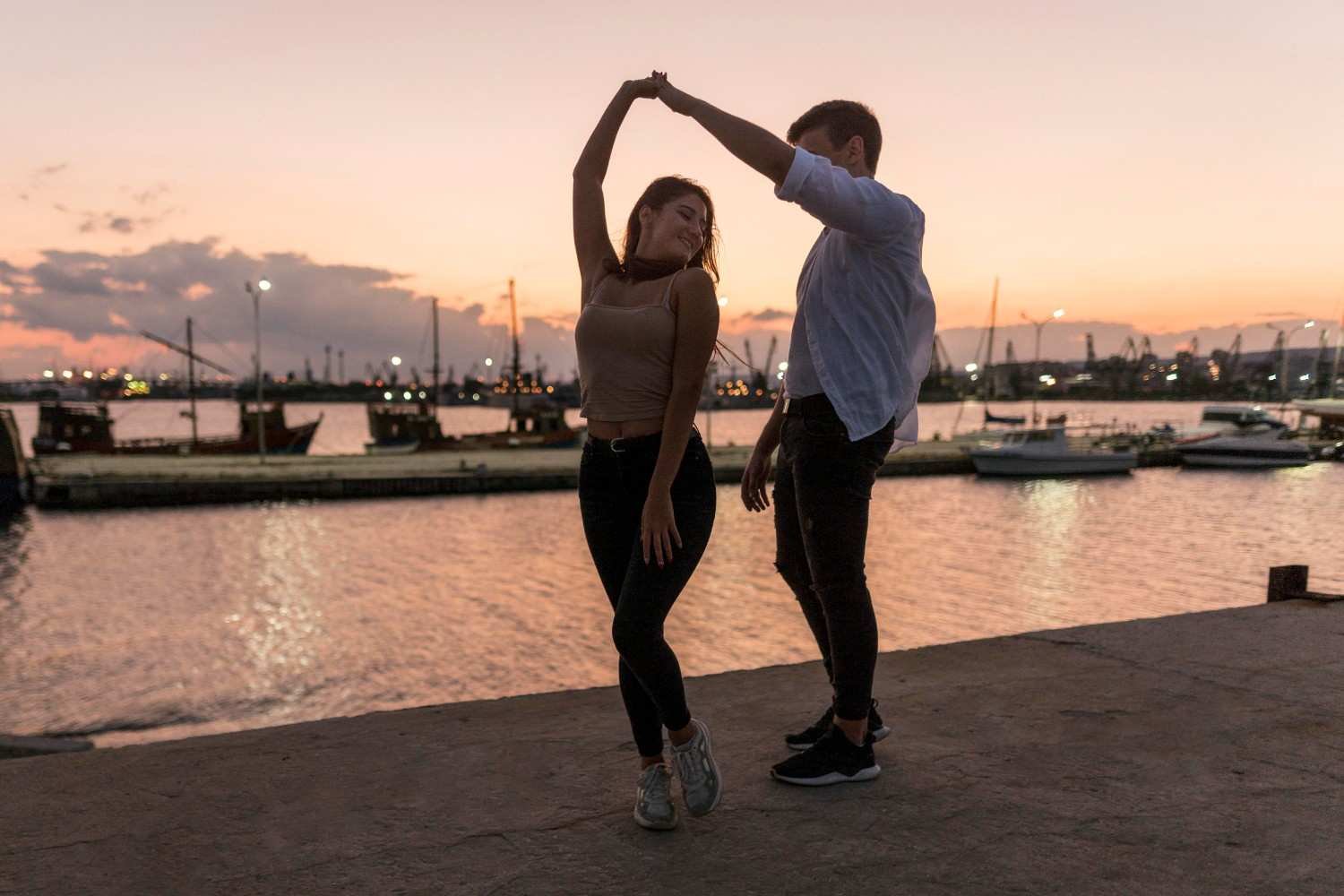
Partner connection is a skill on its own. Learning to lead or follow without words improves awareness and responsiveness. It’s not just about steps—it’s about connection.
The community aspect is powerful too. Many dancers eventually attend festivals and congresses, connecting with people from across the country and even globally.
How Does Latin Dance Improve Mental Focus and Learning?
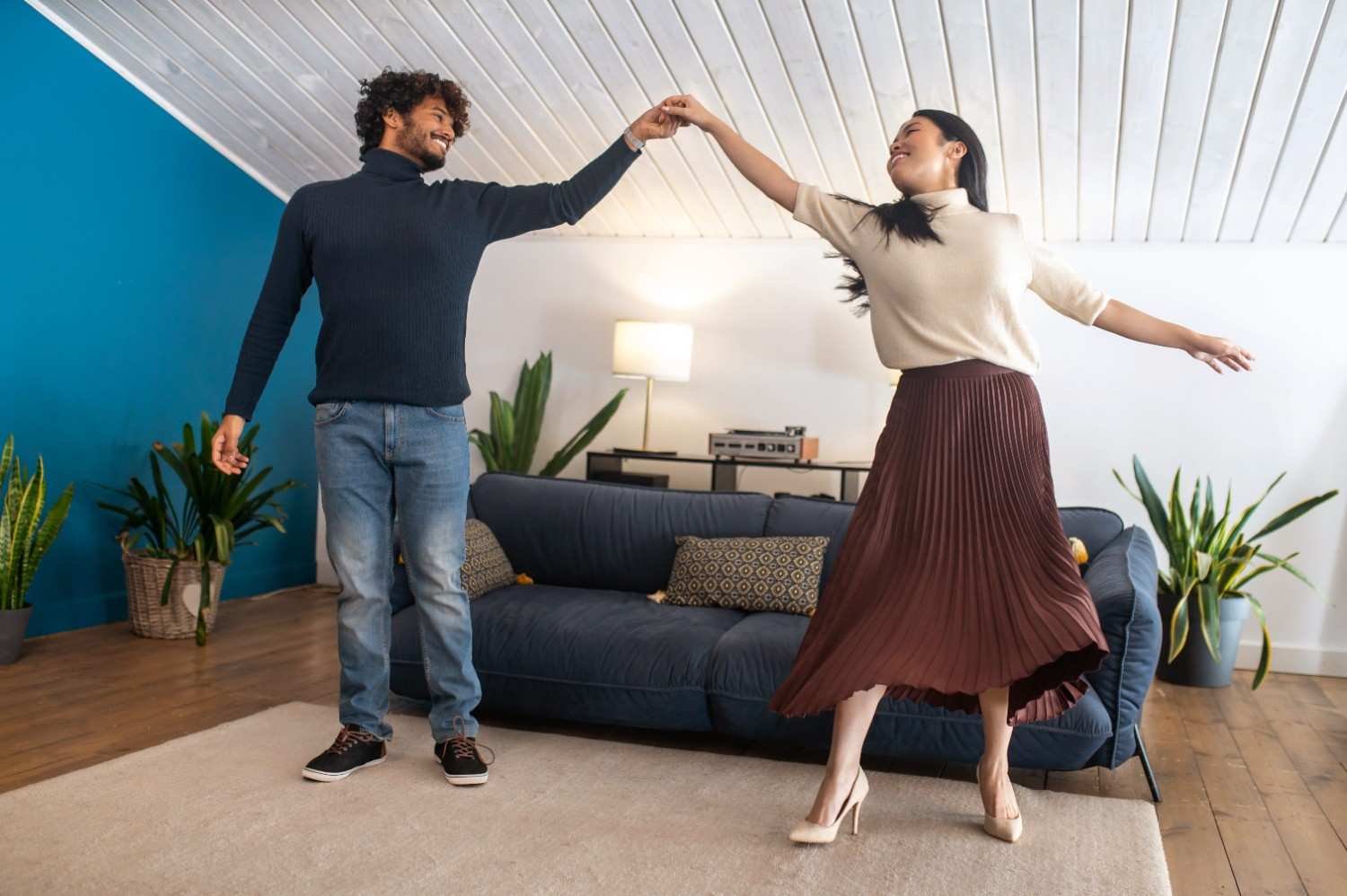
Latin dance challenges your brain as much as your body.
Learning combinations and choreography strengthens memory and focus. Over time, it feels like a mental workout that keeps your mind sharp.
Musicality training also plays a big role. When I started paying attention to different styles like salsa, bachata, merengue, and cha-cha, I became more adaptable and expressive.
This continuous learning keeps the experience engaging and prevents burnout.
What Health and Recovery Habits Do Dancers Follow?
Taking care of your body is essential if you want to stay consistent.
I learned to prioritize hydration, especially during long sessions. Eating balanced meals helped maintain energy levels, and proper sleep improved recovery.
Warm-ups and cooldowns became non-negotiable. They protect joints, especially knees and lower back, which take a lot of impact during dancing.
Investing in proper dance shoes also made a difference. Shoes designed for social dancing provide better support and allow smoother movement, reducing strain on the body.
How Does Latin Dance Build Confidence and Reduce Stress?
Confidence builds gradually with repetition.
At first, I felt unsure and hesitant. But regular practice and social exposure changed that. I became more comfortable in my movements and less concerned about making mistakes.
Dance also became a form of stress relief. After a long week, stepping onto the dance floor helped me disconnect from daily pressure and reset mentally.
These emotional benefits are one of the biggest reasons people stick with the lifestyle.
How Can You Build a Simple Weekly Latin Dance Routine?
A structured routine keeps everything balanced.
I follow a simple system that works. Two to three classes a week, short home practice sessions, and at least one social event. This combination covers learning, practice, and real-world application.
When you stay consistent with this approach, latin dance lifestyle habits become second nature. You don’t have to force yourself anymore—it becomes part of your identity.
What Mistakes Should Beginners Avoid Early On?
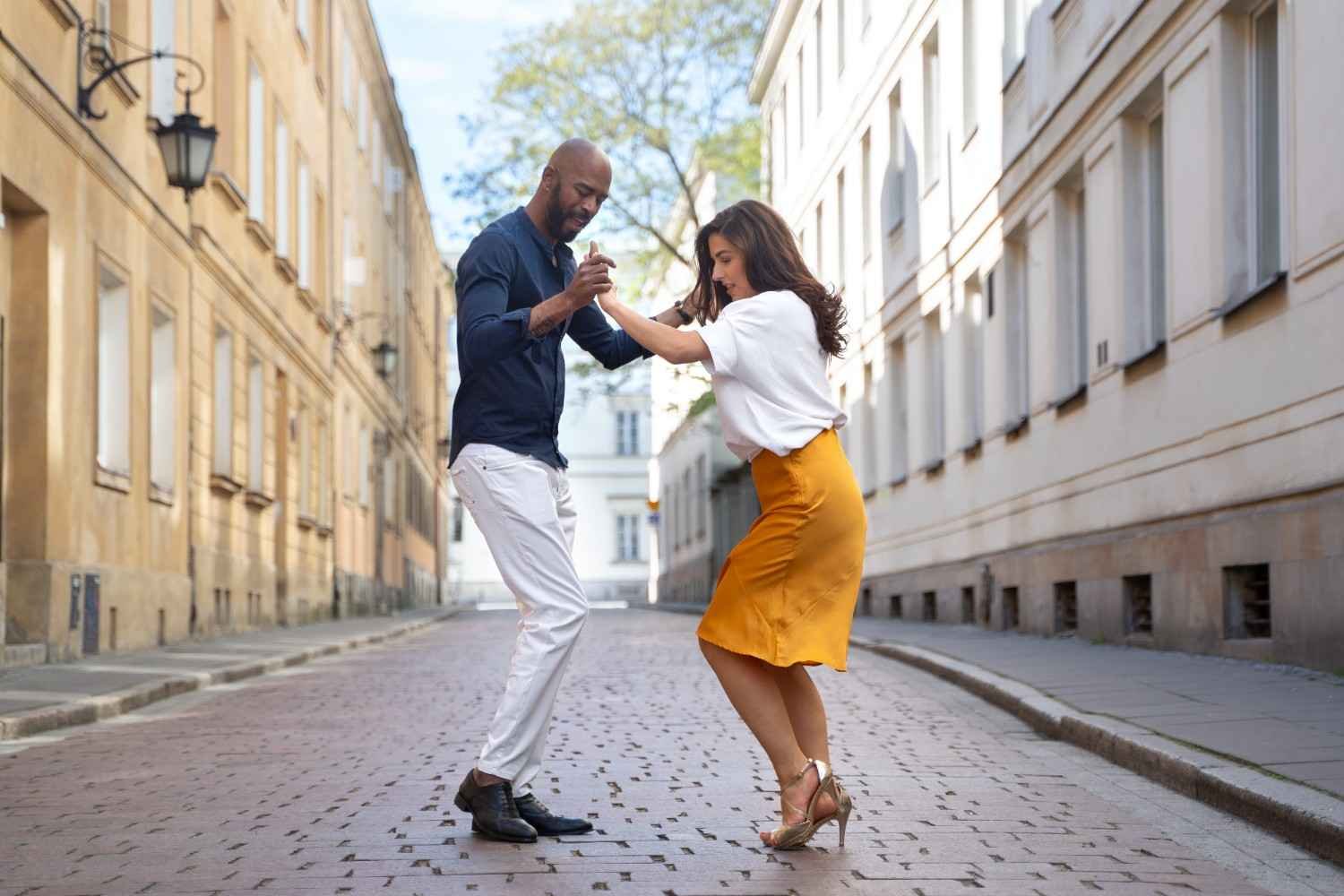
Most beginners struggle with consistency, not ability.
I made the mistake of skipping practice and relying only on classes. I also focused too much on advanced moves instead of mastering basics.
Another common issue is comparing yourself to experienced dancers. That slows progress and hurts confidence.
The solution is simple. Stay consistent, focus on fundamentals, and trust the process.
FAQs About Latin Dance Lifestyle Habits
1. What are the most important latin dance lifestyle habits for beginners?
Consistency, regular practice, social dancing, and proper recovery habits are the most important for steady improvement.
2. How often should I attend Latin dance classes?
Two to three times a week is ideal for beginners to build skills and confidence.
3. Can Latin dance improve fitness and health?
Yes, it improves stamina, coordination, balance, and overall cardiovascular health.
4. Do I need special shoes for Latin dance?
Proper dance shoes improve support, reduce injury risk, and help with smoother movement.
Where This Lifestyle Takes You
Looking back, the biggest change wasn’t just learning how to dance—it was how I started living differently. I moved more, connected better with people, and felt more confident in everyday situations.
Latin dance gave me structure without pressure and progress without boredom. It turned something simple into a lifestyle that keeps evolving.
If you commit to it, you won’t just learn steps. You’ll build habits that boost your energy, mindset, and confidence for the long run.