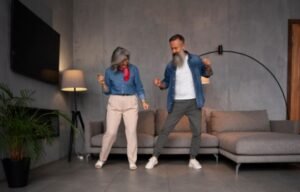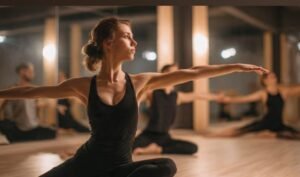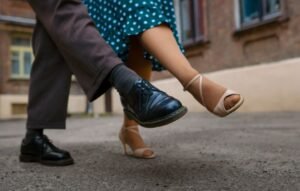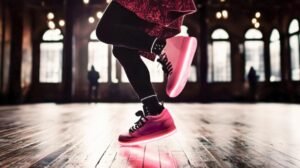
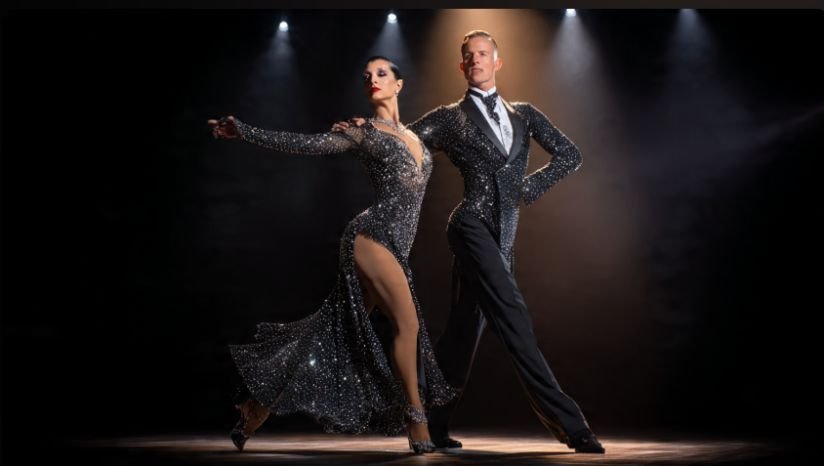
Performance is not judged on technique alone. In dancesport scoring criteria presentation plays a major role in how dancers are perceived on the floor. Before you even begin dancing, judges form an initial impression based on your appearance, posture, and confidence. This makes costume and presentation a powerful tool in competitive dancing.
A well-chosen costume enhances your movements, supports your performance style, and helps you stand out among competitors. It also contributes to storytelling by visually representing the mood and character of the dance. When combined with strong technique, effective presentation can elevate your performance and leave a lasting impression.
The Role of Visual Impact in Performance
DanceSport is a visual art form, meaning how your performance looks is just as important as how it feels. Costumes, makeup, and overall styling work together to create a strong visual presence that captures attention.
The right costume can highlight movement by emphasizing lines, spins, and body action. For example, flowing fabrics in ballroom dances enhance smooth transitions, while fringe and fitted designs in Latin dances accentuate sharp, rhythmic movements. Visual impact helps judges follow your performance more clearly and makes your routine more engaging for the audience.
A strong visual presentation ensures that your performance is not only technically sound but also memorable.
Design and Functionality of DanceSport Costumes
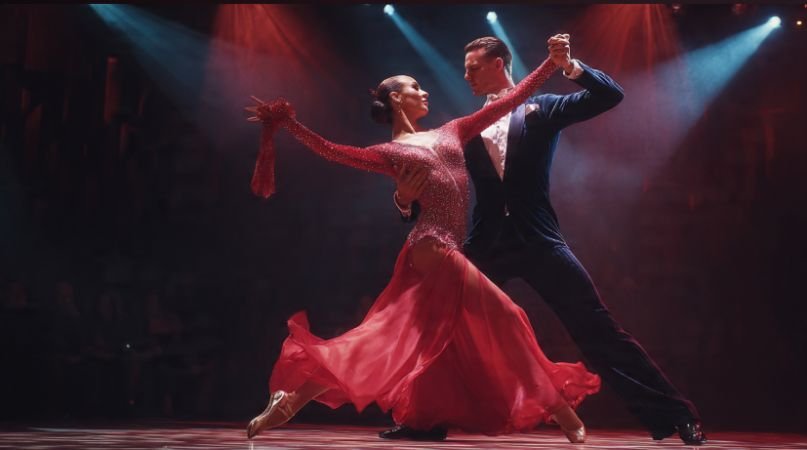
While appearance is important, functionality should never be overlooked. DanceSport routines involve fast movements, turns, and complex footwork, so costumes must allow full freedom of movement.
Good costume design balances style with practicality. The outfit should fit securely, move naturally with your body, and feel comfortable throughout the performance. If a costume restricts movement or feels distracting, it can negatively affect both technique and confidence.
Important functional aspects include:
- Flexible and stretchable fabric for ease of movement
- Secure design to avoid wardrobe issues during performance
- Lightweight material to prevent fatigue
- Construction that enhances rather than hides movement
A costume that supports your dancing will help you perform with greater ease and confidence.
Choosing the Right Style for Your Dance
Different DanceSport styles require different costume approaches. Selecting the right style ensures that your outfit complements your routine and enhances its overall effect.
In Standard ballroom dances such as Waltz and Tango, costumes are elegant and formal. Women typically wear long, flowing gowns that emphasize smooth movement, while men wear structured suits that create a strong, classic look. These styles reflect the graceful nature of ballroom dancing.
In Latin dances such as Cha-Cha and Rumba, costumes are more expressive and dynamic. Shorter dresses, bold designs, and fitted outfits highlight body movement and rhythm. The goal is to emphasize energy, sharpness, and personality.
Choosing a costume that matches your dance style helps create a cohesive and polished performance.
Unique Styling to Stand Out
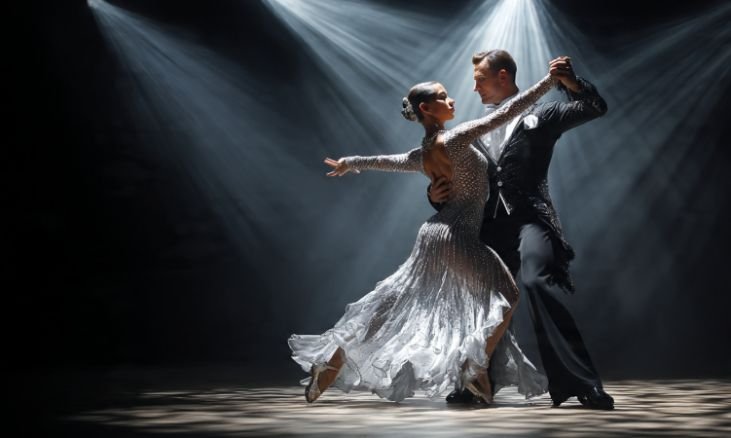
In competitive environments, many dancers have similar technical abilities. This makes unique styling an important factor in standing out. A distinctive costume can make your performance more recognizable and memorable.
Instead of blending in with common designs, consider selecting colors, patterns, or details that reflect your personality and the theme of your routine. However, uniqueness should be balanced with elegance. Overly complicated or distracting designs can take attention away from your dancing.
The goal is to create a look that enhances your performance while remaining visually appealing and professional.
Footwear: The Foundation of Performance
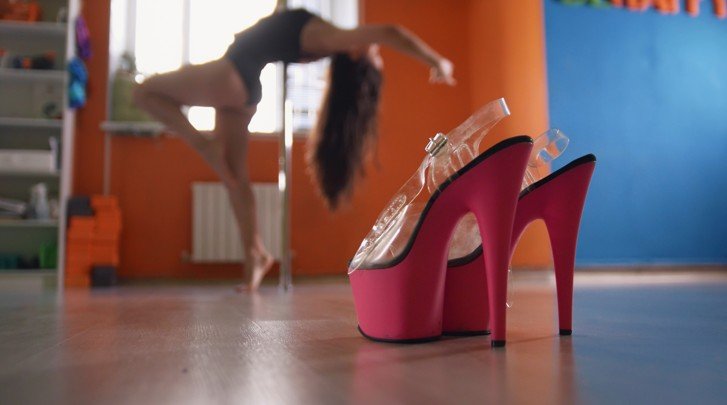
Footwear is one of the most important elements of DanceSport attire because it directly affects movement, balance, and comfort. Proper dance shoes are specifically designed to support performance on the dance floor.
Men typically wear ballroom shoes with a slight heel, while women wear court shoes or open-toe sandals with higher heels. These shoes provide the right combination of support, flexibility, and grip needed for smooth movement.
Good footwear helps with:
- Maintaining balance during turns and transitions
- Executing precise footwork
- Reducing strain on feet and ankles
- Improving overall control on the floor
Wearing the correct shoes is essential not only for performance but also for injury prevention.
The Purpose of Presentation in DanceSport
Presentation goes beyond what you wear—it includes how you carry yourself, your expressions, and how you connect with your partner and audience. Strong presentation brings your performance to life.
Costumes contribute to characterization by helping define the mood or personality of the dance. They also help create an atmosphere that supports the theme of your routine. When your appearance aligns with your movement, the performance feels more complete and engaging.
Good presentation involves confidence, awareness, and expression. It allows you to communicate emotion and connect with the audience, making your performance more impactful.
Grooming and Final Details
Attention to detail is what separates a good performance from a great one. Grooming, makeup, and hair styling should complement your costume and overall presentation.
Makeup is often more defined in competitions to ensure that facial expressions are visible under stage lighting. Hair should be styled neatly and securely so that it does not interfere with movement.
These small details contribute to a polished and professional appearance, helping you present yourself with confidence.
Common Costume and Presentation Mistakes
Many dancers make mistakes that affect their overall presentation. One common issue is choosing a costume that prioritizes appearance over comfort. If you are uncomfortable, it will show in your performance.
Another mistake is poor coordination between partners. Mismatched outfits can disrupt the visual harmony of a performance. It is important to ensure that both partners’ costumes complement each other.
Neglecting grooming and finishing details can also reduce the impact of your presentation. Even a well-designed costume can look incomplete without proper styling.
Avoiding these mistakes helps you create a stronger and more professional impression on the dance floor.
FAQs
What are the two types of DanceSport?
DanceSport is divided into two main categories: Standard dances, which include styles like Waltz and Tango, and Latin dances, which include Cha-Cha and Rumba. Each category has its own technique, style, and costume requirements.
What is a costume in dance?
A costume in dance is a specially designed outfit worn by performers to enhance their appearance, support movement, and reflect the style or theme of the dance.
What are costume and types?
Costumes vary depending on the dance style. In DanceSport, common types include ballroom gowns, Latin dresses, tail suits, and practice wear, each designed to suit specific movements and performance needs.
What is the definition of costume?
A costume is an outfit worn by performers to represent a character, theme, or style. In dance, it combines visual appeal with functionality to support performance.
Create a Powerful Stage Presence
Costume and presentation are essential elements that can significantly influence your DanceSport performance. When chosen and executed correctly, they enhance your movement, support your technique, and help you connect with the audience.
By focusing on both style and functionality, maintaining attention to detail, and presenting yourself with confidence, you can elevate your performance to a higher level. In DanceSport, success is not just about how well you dance—it is also about how effectively you present your dance.