If you’ve ever watched a ballroom dance and thought, “This looks beautiful, but what does it actually mean?” — you’re not alone. I had the same question when I first stepped onto a dance floor.
Understanding how ballroom dance reflects culture changed everything for me. It stopped being just steps and music, and started feeling like a story about people, history, and identity.
Here’s the truth: ballroom dance isn’t just movement. It shows who we are, where we come from, and how society evolves—and you can feel that even as a beginner.
How does ballroom dance reflect culture in everyday life?
When I first attended a social dance night, I expected strict rules. Instead, I found something surprising—people connecting without words.
That’s where how ballroom dance reflects culture becomes real. Social ballroom acts like a mini society. You greet, interact, adapt, and respect others. It mirrors how we behave outside the dance floor.
Historically, ballroom started in elite European courts. Only wealthy people could participate. Today, anyone can join a class. That shift reflects a bigger cultural move toward inclusion and equality.
What is ballroom dance community culture really like?

When you step into the ballroom dance community culture, you’ll notice it splits into two main experiences.
Social vs Competitive Worlds
In social dancing, I focus on connection. You don’t need perfection—you just need awareness and respect. It feels like a conversation where both people contribute.
In competitive ballroom (DanceSport), everything changes. You train hard, repeat routines, and chase precision. Judges look at posture, timing, and expression. It’s intense but rewarding.
The Unspoken Rules
There’s a rhythm to how people behave. You ask politely, say thank you, and follow the “line of dance” to avoid collisions.
These small habits reflect respect, discipline, and shared responsibility—core cultural values.
What are the differences between Latin and ballroom dance culture?
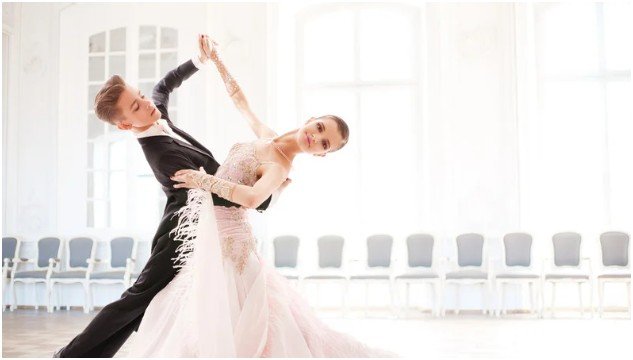
Understanding the differences between Latin and ballroom dance culture helped me feel less confused as a beginner.
Standard / Smooth (Traditional Ballroom)
- Calm, elegant, and controlled
- Danced in close hold
- Focus on grace and flow
Latin / Rhythm
- Energetic and expressive
- More open movement and freedom
- Strong hip action and rhythm
If you’re curious about getting into this style, learning how to start Latin dancing is a great first step before diving deeper into ballroom.
Here’s the deeper insight most people miss:
Standard ballroom reflects structure and tradition, while Latin styles reflect emotion, freedom, and cultural fusion—especially influences from African and Caribbean roots.
How does ballroom dance culture connect to identity and history?
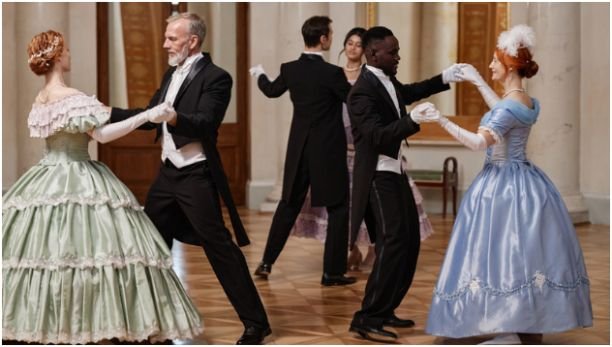
Every dance has a backstory.
The Waltz started as a peasant dance before entering royal courts. Tango came from immigrant communities in Argentina. Samba carries African roots from Brazil.
Then there’s something completely different: Ball culture.
This underground scene, created by Black and Latinx LGBTQ+ communities, formed “houses” as chosen families. Events called balls celebrate identity through voguing, fashion, and performance.
This is where how ballroom dance reflects culture becomes powerful—it’s not just history, it’s survival, resistance, and belonging.
What makes ballroom dance culture unique compared to other hobbies?
Most hobbies don’t require you to physically connect with someone else.
Ballroom does.
That closeness forces you to learn:
- Trust
- Communication
- Awareness
At first, beginners worry: “What if I mess up?”
Here’s what I learned—ballroom has a “no-fault” mindset. Mistakes happen, and good partners adjust. That reflects a cultural value of cooperation over criticism.
How To how ballroom dance reflects culture
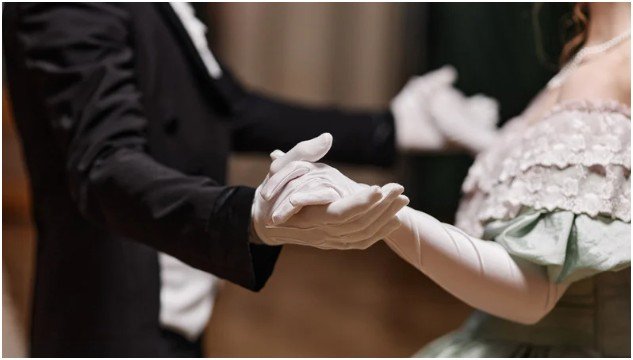
If you want to truly understand how ballroom dance reflects culture, don’t just read about it—experience it step by step.
Start by attending a beginner-friendly social dance. Observe how people greet each other and invite partners. Notice the respect in small actions like eye contact and saying thank you.
Next, try both a standard dance like Waltz and a Latin dance like Cha-Cha. Feel the difference in posture, energy, and emotional tone. This contrast helps you understand cultural influences through your body, not just your mind.
Then, watch a competition or performance. Pay attention to how dancers express identity—through costumes, movement, and attitude.
Finally, reflect after each session. Ask yourself what the dance felt like. Was it formal, playful, intense? Those feelings connect directly to the culture behind the dance.
How ballroom dance reflects culture (FAQs)
1. Is ballroom dance only for rich or elite people?
Not anymore. It started that way, but today anyone can join. Social dance classes make it accessible and inclusive.
2. Why do ballroom dancers follow strict etiquette?
Etiquette keeps dancers safe and respectful. It reflects cultural values like discipline, courtesy, and shared space awareness.
3. What’s the biggest difference between ballroom and ball culture?
Traditional ballroom focuses on partner dancing and technique. Ball culture centers on identity, performance, and LGBTQ+ community expression.
4. Can beginners understand culture just by dancing?
Yes. Even basic steps teach connection, rhythm, and respect—core parts of how ballroom dance reflects culture.
So… What Does the Dance Floor Really Say About Us?
Here’s what surprised me most about how ballroom dance reflects culture:
It’s not just about history—it’s about how you behave right now.
Every time you lead, follow, adapt, or smile through a mistake, you’re participating in a culture built over centuries.
Quick Comparison Table
| Aspect | Standard Ballroom | Latin Ballroom | Ball Culture |
| Focus | Elegance & structure | Emotion & rhythm | Identity & expression |
| Connection | Close hold | Open + dynamic | Individual performance |
| Origin | European courts | Afro-Caribbean roots | LGBTQ+ communities |
| Goal | Grace & flow | Energy & passion | Visibility & empowerment |
Final Thought
If you’re just starting out, don’t stress about perfect steps.
Focus on how it feels to connect, move, and express. That’s where the real meaning lives.
Because once you feel it, you don’t just learn dance—you understand culture.