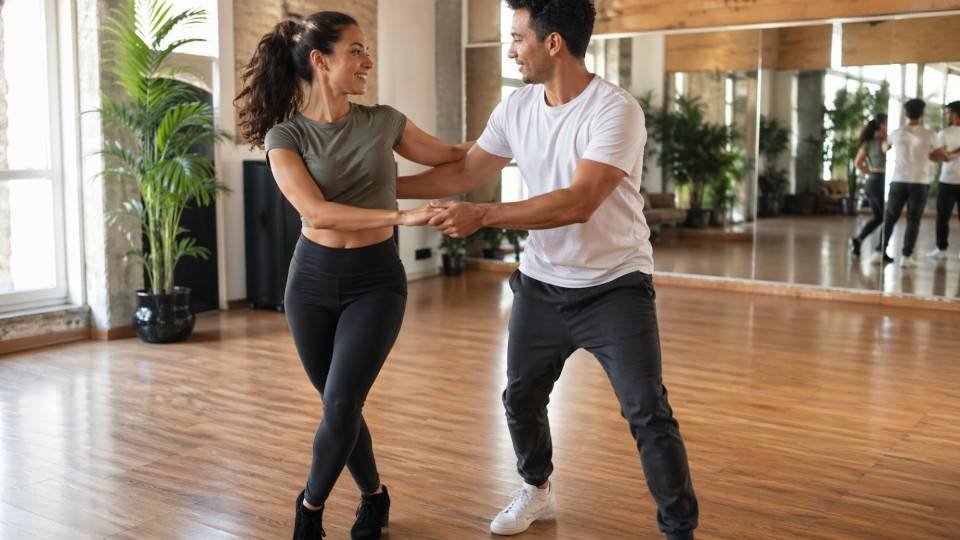
Music playing in the background, a little nervous excitement, and that moment of wondering where to place your feet first. Learning salsa dance steps for beginners feels intimidating at first, but it quickly turns into something fun and addictive. With the right rhythm, simple techniques, and a relaxed mindset, anyone can start dancing salsa confidently without feeling overwhelmed.
Key Takeaways
- Starting salsa becomes much easier when you focus on the essentials first.
- Understanding rhythm, practicing consistently, and choosing the right style can speed up progress significantly.
- These fundamentals help you build confidence while enjoying the learning process.
- Master the basic timing pattern of quick, quick, slow to stay on beat.
- Focus on simple movements before attempting advanced turns or partner work.
- Practice regularly and stay relaxed to improve flow and coordination.
What Makes Salsa Unique
Salsa stands out because of its rhythm, connection, and expressive movement. It is not just about memorizing steps but about feeling the music and translating it into motion.
Rhythm And Timing Basics
The basic salsa rhythm follows a quick, quick, slow pattern. In an 8 beat measure, you step on beats 1, 2, and 3, pause on 4, then step on 5, 6, and 7, and pause on 8. This timing is essential for all salsa steps with counts and forms the backbone of every move.
Partner Connection
Salsa is often danced with a partner, which makes connection important. Leaders guide while followers respond, creating a smooth interaction that feels natural when done correctly.
Flow And Movement
Salsa is fluid and not stiff. Keeping your body relaxed and allowing your hips to move naturally helps create that signature salsa style.
Salsa Styles Explained
Choosing the right style helps you learn faster and enjoy the process more.

New York Style On2
This style focuses on elegance and musicality. Dancers step forward on count 2, creating a smooth and controlled feel that emphasizes timing and rhythm.
Los Angeles Style On1
This is one of the most beginner friendly styles. It starts on count 1 and is energetic, sharp, and visually impressive with spins and turns.
Cuban Style Casino
Cuban salsa is more circular and relaxed. Instead of linear movement, dancers move around each other, making it social and fun for beginners.
How To Learn Salsa Dance Steps For Beginners
Learning becomes simple when broken into clear steps and consistent practice. This section walks you through the core salsa dance steps for beginners in a practical way.
The Basic Forward And Back Step
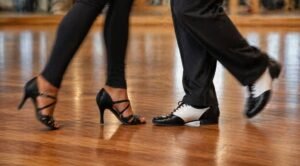
This is the foundation of most salsa styles and where every beginner should start. For leaders, step forward with the left foot on beat 1, shift weight back to the right on beat 2, and bring the left foot back to center on beat 3, then pause on 4.
Step back with the right foot on beat 5, shift forward to the left on beat 6, bring the right foot to center on beat 7, and pause on 8. Followers mirror this by stepping back on the right foot on beat 1 and forward on the left on beat 5. Practicing this slowly helps build rhythm and confidence. Focus on clean weight transfer rather than speed.
Side Basic Step
This variation introduces lateral movement instead of forward and backward steps. Step your left foot to the left on beat 1, shift weight to the right foot on beat 2, bring the left foot back to center on beat 3, then repeat on the other side starting with the right foot on beat 5.
This step improves coordination and balance. It is also a great way to practice staying on rhythm while adding variety.
Cumbia Back Cross Step
This step adds a stylish twist often seen in Cuban and Colombian salsa. Step your left foot slightly behind your right on beat 1, shift weight back to the right on beat 2, return the left foot to center on beat 3, and repeat on the other side starting with the right foot on beat 5.
It feels more dynamic and helps develop better control. This step is excellent for improving overall salsa footwork for beginners.
Essential Tips For Beginners
These small adjustments can make a big difference in how quickly you improve.
Keep Steps Small
Large steps can throw off your balance and timing. Keeping your steps close to your body helps maintain control and rhythm.
Soft Knees And Natural Movement
Slightly bent knees allow smoother movement. This helps your hips move naturally and prevents stiffness.
Focus On Weight Transfer
Make sure you fully shift your weight with each step. Avoid just tapping the floor, as proper weight transfer is key to good salsa technique.
How To Learn Salsa Fast
Progress becomes faster when you focus on smart practice techniques. Consistency and awareness matter more than long practice sessions.
Practice With Music Daily
Even a few minutes of dancing with music improves timing. Start with slower songs and gradually increase speed as you gain confidence.
Use Visual Learning
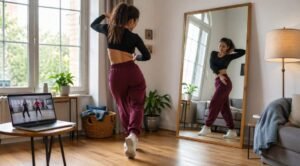
Watching tutorials or practicing in front of a mirror helps correct mistakes. This improves posture and makes movements more natural.
Build Confidence Through Repetition
Repeating basic steps builds muscle memory. This is one of the most effective ways to learn salsa fast and feel comfortable on the dance floor.
Common Mistakes Beginners Make
Avoiding these mistakes can save time and frustration.
Ignoring Timing
Dancing off beat is one of the most common issues. Always count the rhythm or follow the music closely.
Overthinking Movements
Trying to remember every step perfectly can slow you down. Focus on feeling the rhythm instead.
Stiff Body Posture
Rigid movement reduces flow. Relax your body to make your dancing look smooth and natural.
Frequently Asked Questions
1. What are the basic steps for salsa?
The basic steps involve forward and backward movements using the 1-2-3 and 5-6-7 timing pattern with pauses on 4 and 8.
2. Is salsa dancing good for arthritis?
Yes, it can improve flexibility and mobility, but beginners should start slowly and consult a professional if needed.
3. Which foot goes first in salsa?
Leaders typically start with the left foot forward, while followers begin with the right foot back.
4. What are the 5 basic dance actions?
They include stepping, tapping, turning, shifting weight, and pausing, which form the core of salsa movement.
Ready To Hit The Dance Floor?
Learning salsa dance steps for beginners is all about enjoying the rhythm and staying consistent with practice. With the right foundation, an understanding of styles, and simple techniques, progress becomes natural and fun. Keep practicing, stay relaxed, and let the music guide your steps. Confidence builds quickly, and before long, dancing salsa will feel effortless and exciting.