I still remember the first time I stepped onto a dance floor—I froze. If you’re searching for how to start Latin dancing, chances are you feel the same mix of excitement and panic. You might think you need rhythm, confidence, or a partner. You don’t.
What you really need is a simple starting point and a system that works for beginners. Latin dance looks complex, but the basics are surprisingly accessible. Once you understand rhythm and movement, everything starts to click.
And here’s the truth most guides won’t tell you: you’ll feel awkward at first. That’s not failure—that’s the process.
Key Takeaways
- Start with beginner-friendly styles like Bachata or Merengue
- Focus on weight transfer before learning fancy steps
- Practice rhythm daily—even without dancing
- Social dancing accelerates learning more than solo practice
- Confidence grows from consistency, not talent
Why does Latin dance feel so intimidating at first?

Most beginners think they lack rhythm. I thought that too.
But the real issue isn’t rhythm—it’s overthinking. You’re trying to control every step instead of feeling the music.
Latin dance is built on simple patterns. For example, Bachata uses a basic 4-step rhythm. Once your body understands that loop, you stop thinking and start moving.
The awkward phase is short. Push through the first few sessions, and your body begins to sync naturally.
What’s the easiest way to choose your first Latin dance style?
Choosing the right style makes or breaks your experience.
If you want quick wins, start with Merengue. It’s basically walking to music. No complex timing, no stress.
If you want something smoother and more expressive, go with Bachata. It’s slower and easier to feel.
Salsa is popular, but it requires more coordination early on. I recommend trying it after you build basic rhythm confidence.
What do you actually need to learn first?

Forget spins and flashy moves. Start with mechanics.
Your first goal is mastering weight transfer. Each step should fully shift your weight from one foot to the other. That’s where natural hip movement comes from.
Posture matters too. Stay light on your feet, keep your knees slightly bent, and relax your upper body.
If you’re dancing with a partner, your “frame” becomes important. Think of your arms as a connection tool—not decoration.
Why people love Latin dance culture so much?
This is where things get interesting.
The reason why people love Latin dance culture goes far beyond dancing. It’s about connection.
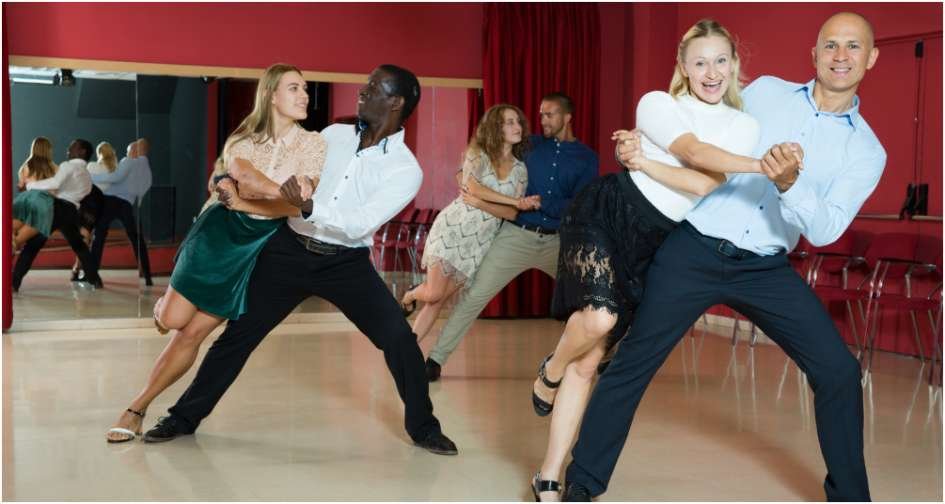
You don’t stick with one partner. You rotate. That means you meet new people every few minutes. It removes pressure and builds confidence fast.
There’s also a strong emotional release. The music, movement, and interaction create a kind of flow state. Stress fades quickly.
And unlike gym workouts, it doesn’t feel like effort. You’re moving, sweating, and improving—without forcing yourself.
Do you really need classes, or can you learn at home?

You can start at home, but classes accelerate everything.
When I practiced alone, I built bad habits without realizing it. A good instructor corrects posture, timing, and movement instantly.
Classes also expose you to partner dancing early. That’s a skill you can’t fully learn solo.
If classes feel intimidating, start with beginner-friendly sessions or workshops. Many include rotations, so you don’t need a partner.
What should your beginner routine actually look like?
Consistency beats intensity.
A simple routine works best. Spend 10–15 minutes daily listening to Latin music. Try to identify the main beat.
Practice basic steps in front of a mirror. Focus on smooth weight transfer, not speed.
Once or twice a week, attend a class or social dance. That’s where real progress happens.
The combination of solo practice and social dancing builds both skill and confidence.
How To How to Start Latin Dancing
Start by choosing one beginner-friendly style like Bachata or Merengue and commit to it for at least two weeks. Don’t switch styles too early—it slows your progress. Play Latin music daily and practice stepping to the beat, even if it feels awkward at first.
Next, focus on mastering the basic step pattern. Keep your movements small and controlled. Your goal isn’t to look impressive—it’s to stay on rhythm. Once your body understands timing, everything else becomes easier.
Join a beginner class as soon as possible. This step changes everything. You’ll learn how to connect with a partner, maintain posture, and adapt to different styles of movement. Don’t worry about being perfect—everyone there is learning too.
Finally, attend a social dance event. Even if you only dance a few songs, it builds confidence faster than anything else. The real growth happens on the dance floor, not in practice.
What’s one mistake beginners always make?
They rush into advanced moves too early.
I see it all the time. People want to spin, dip, and impress. But without solid basics, everything looks and feels off.
The fix is simple: slow down. Master the foundation first.
When your basics are strong, advanced moves become easy—and they actually look good.
FAQ: How to start Latin dancing
1. Do I need a partner to start Latin dancing?
No. Most classes rotate partners, so you’ll dance with different people. This actually helps you learn faster and builds confidence.
2. How long does it take to get comfortable?
Most beginners feel comfortable after 3–4 weeks of consistent practice. Confidence grows quickly once you understand rhythm and basic steps.
3. What should I wear for Latin dancing?
Wear comfortable clothes and smooth-soled shoes. Avoid rubber soles—they stick and make turning harder.
4. Is Latin dancing hard to learn?
Not really. The basics are simple. The challenge is consistency, not difficulty.
So… are you actually going to start?
Here’s the thing about how to start Latin dancing: the hardest part isn’t the steps—it’s showing up.
You don’t need perfect timing or natural talent. You need repetition and a bit of courage.
Start small. One song a day. One class a week.
That’s enough to change everything.
Beginner Routine Cheat Sheet
| Day | Activity | Focus |
| Monday | Music listening | Find the beat |
| Tuesday | Basic step practice | Weight transfer |
| Wednesday | Rest or light review | Mental rhythm awareness |
| Thursday | Practice + mirror work | Posture & flow |
| Friday | Watch dance videos | Visual learning |
| Weekend | Class or social dancing | Real experience |
My personal tip? Don’t wait until you feel ready. The confidence comes after you start.