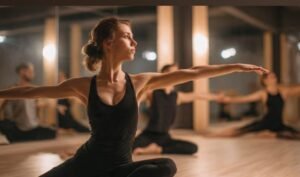
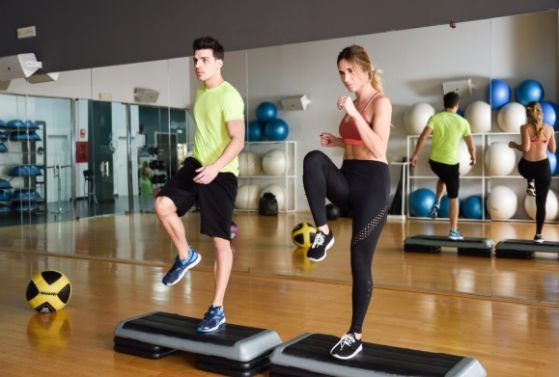
Cardio training is one of the most important elements in a dancer’s routine because it directly affects performance quality, endurance, and recovery. Dance is not just about memorizing steps—it requires continuous movement, quick directional changes, and expressive control while maintaining posture and rhythm.
Without proper cardiovascular conditioning, even technically skilled dancers can struggle to complete routines with consistency.
Dance itself is a powerful form of aerobic exercise that improves heart and lung function, endurance, and overall fitness. Regular dance-based cardio training enhances balance, agility, and coordination, all of which are essential for DanceSport performance.
Cardio plays a key role in:
- Sustaining energy during long routines or competitions
- Reducing fatigue while maintaining clean technique
- Improving recovery between performances
- Enhancing coordination and movement efficiency
For dancers, cardio is not separate from technique—it directly improves how well you perform.
Core Cardio Dance Moves You Should Master
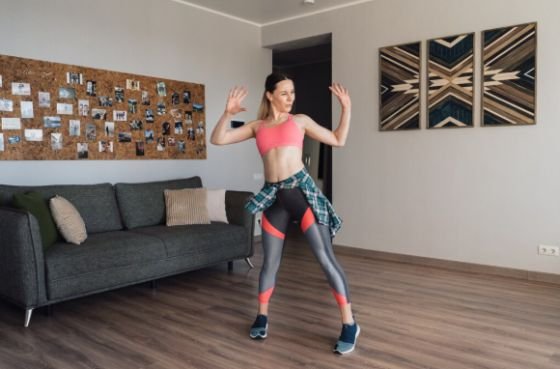
Unlike traditional cardio workouts, dancers need movements that combine fitness with technique. The best routines include a mix of power, control, and coordination.
Plyometric exercises such as jumping jacks, tuck jumps, and split jumps are essential for building explosive power and stamina. These movements replicate high-energy dance styles where quick bursts of energy are required.
Body action movements like hip rolls, rib isolations, shimmies, and chest pops keep your core engaged and improve control. Efficient movement is critical in dance, and strong core engagement helps reduce unnecessary energy loss.
Footwork and traveling steps such as grapevines, Latin walks, and side-to-side patterns build rhythm, coordination, and endurance at the same time. These movements keep your heart rate elevated while reinforcing technique.
Strength-based dance movements like pliés, lunges, and plank variations ensure your muscles remain stable and strong even under fatigue. This combination of strength and cardio is what gives dancers both power and control.
Best Cardio Workouts for Dancers
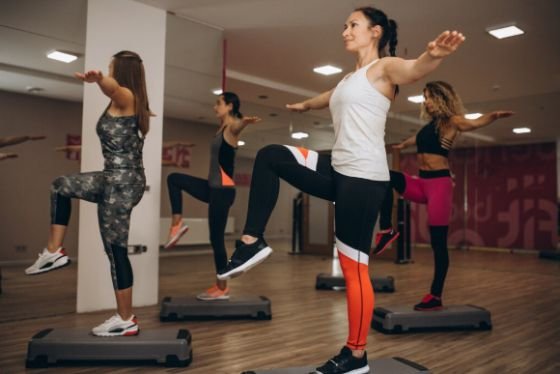
To see real improvement, dancers need structured cardio workouts that match the demands of performance.
High-Intensity Interval Training (HIIT) is one of the most effective methods. It involves alternating between short bursts of intense activity and brief recovery periods. This closely mirrors actual dance routines where energy levels rise and fall.
Full-out dance cardio workout for dancers is another powerful approach. Performing choreography at maximum energy trains your body to maintain technique and expression even when tired. This is especially important for competitions and performances.
Cross-training is also valuable. Activities such as cycling, swimming, or using an elliptical machine help improve cardiovascular fitness without putting stress on joints. This allows dancers to train consistently without increasing injury risk.
Tempo training is often overlooked but highly effective. By gradually increasing the speed of movements, dancers learn to stay controlled at different intensities. This is particularly useful for ballroom and Latin styles where tempo variation is common.
The best results come from combining these methods rather than relying on just one type of cardio.
Sample 30-Minute Cardio Workout Plan
A structured workout plan helps maintain consistency and ensures balanced training. A simple 30-minute session can deliver excellent results when done regularly.
Start with a 5-minute warm-up that includes light marching, arm swings, and gentle hip movements. This prepares your body and reduces the risk of injury.
The main workout should last around 20 minutes using an interval format:
- 40 seconds of high-intensity movement
- 10 seconds of rest
Include exercises such as:
- Jumping jacks
- Grapevine steps
- Hip isolations
- Lunges
Repeat the circuit three to four times depending on your fitness level.
Finish with a 5-minute cool-down that includes slow movements, deep breathing, and stretching. This helps your body recover and prevents stiffness.
Consistent 30-minute sessions are highly effective for improving stamina and overall fitness while supporting dance performance.
Pro Tips to Maximize Results
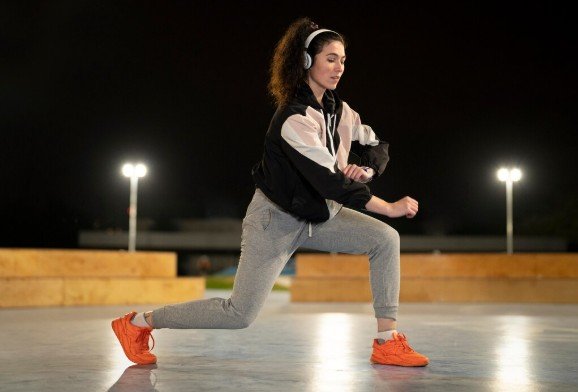
To get the most out of your cardio training, focus on quality and consistency rather than just intensity. The way you move matters as much as how hard you train.
Engage your core in every movement. This improves balance, posture, and efficiency. Movements driven from the core require less energy and look more controlled.
Train three to four times per week for 30–45 minutes. This frequency is enough to build endurance without causing burnout.
Mix high-impact and low-impact workouts. While jumps and explosive exercises are important, low-impact options help protect your joints and support recovery.
Always prioritize technique over speed. Clean, controlled movement will improve performance far more than fast but sloppy execution.
Common Mistakes Dancers Make
Many dancers limit their progress by making avoidable mistakes. One common issue is relying only on steady-state cardio like jogging. While it improves general fitness, it does not reflect the dynamic nature of dance.
Another mistake is ignoring strength and conditioning. Dance requires muscular endurance as well as cardiovascular fitness. Without strength training, performance can decline over time.
Skipping warm-ups and cool-downs increases the risk of injury and slows recovery. These steps are essential parts of any training routine.
Overtraining is also a problem. Pushing too hard without enough rest can lead to fatigue, decreased performance, and even injury.
Finally, focusing only on choreography without building fitness limits overall progress. Conditioning should always support dance practice.
FAQs
What cardio should dancers do?
Dancers should focus on cardio that closely matches dance movements. This includes HIIT-style dance workouts, plyometric exercises, and full choreography practice. These methods improve both fitness and performance at the same time.
What is the 3 3 3 rule cardio?
The 3-3-3 rule is a simple cardio structure where you perform three minutes of high intensity, three minutes of moderate intensity, and three minutes of low intensity. Dancers can apply this using fast choreography, slower steps, and recovery movements.
Can dancing be a cardio workout?
Yes, dancing is an excellent form of cardio. When performed continuously at moderate to high intensity, it increases heart rate, burns calories, and improves endurance. Many dance styles naturally provide a full-body cardio workout.
Is 30 minutes of dancing good cardio?
Thirty minutes of dancing is enough for an effective cardio workout, especially when done at moderate to high intensity. Regular sessions can improve stamina, cardiovascular health, and overall fitness while enhancing dance performance.
Build a Stronger, More Powerful Dance Performance
Cardio training is not just about endurance—it’s about improving the way you move and perform. When your stamina increases, your technique stays consistent, your movements become sharper, and your confidence grows.
By combining dance-specific cardio, strength exercises, and proper recovery, you can create a balanced training routine that supports long-term progress. Consistency is the key. With the right approach, cardio becomes a powerful tool that elevates your overall dance performance.