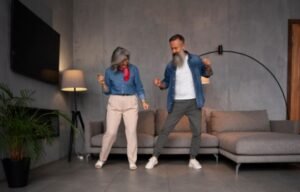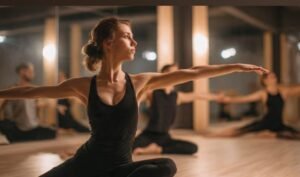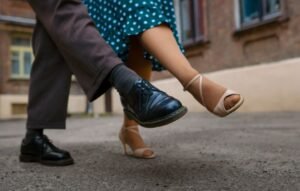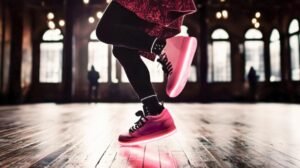
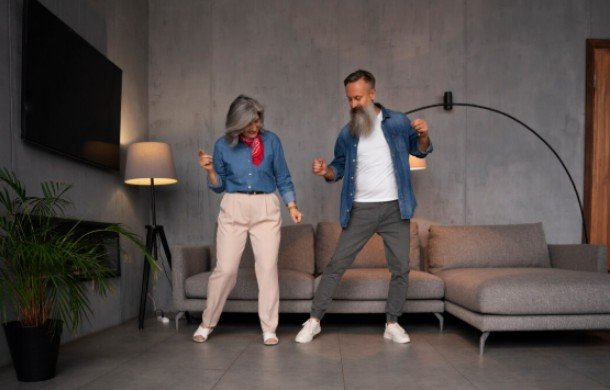
I learned the hard way that dance shoes are not one-size-fits-all. A shoe that feels perfect on a smooth studio floor can feel sticky, slippery, or unsafe on another surface. That is why choosing shoes based on dance floor type matters so much, especially when you are new to dancing and still building confidence.
The right shoe helps you turn smoothly, grip safely, and protect your feet. The wrong shoe can make even basic steps feel harder than they should.
Why Dance Floor Type Matters
Every dance floor creates a different level of grip. Hardwood lets you glide. Marley gives controlled traction. Concrete feels hard on your joints. Carpet can catch your feet. Outdoor surfaces can damage delicate soles.
When I choose dance shoes now, I first ask myself where I will dance most often. A studio class, social dance night, wedding floor, home practice space, and outdoor event may all need different shoes.
Best Shoes For Hardwood Dance Floors
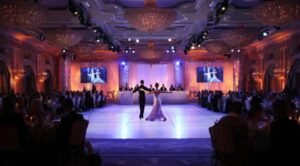
Hardwood is common in ballroom, salsa, swing, and social dance studios. For this surface, suede sole dance shoes usually work best because they give a nice balance of slip and grip. Suede helps with turns without making you slide too much.
It also lets your feet move naturally across the floor. I prefer suede soles for indoor studio dancing because they feel smooth, responsive, and easier on my knees. Avoid wearing suede shoes outside. Dirt and moisture can ruin the sole quickly.
Best Shoes For Marley Dance Floors
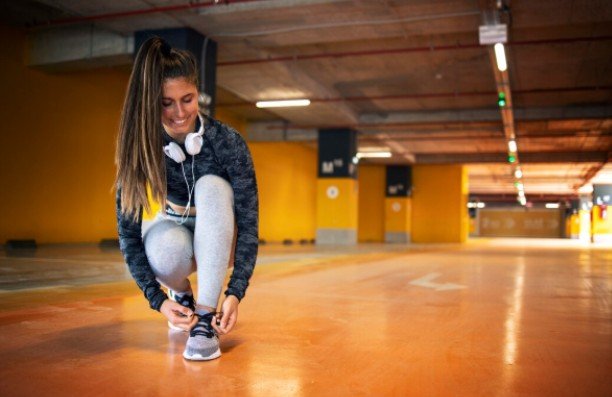
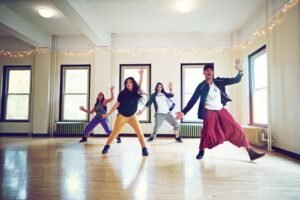
Marley floors are popular in ballet, jazz, contemporary, and many studio spaces. They have more grip than polished wood, so your shoe choice should support control without sticking too much. For contemporary or jazz, soft dance sneakers, jazz shoes, or barefoot-style shoes can work well.
For ballroom or Latin on Marley, suede soles may still work, but test them carefully. If the floor feels sticky, avoid forcing turns. Too much grip can twist your knees during spins. That is one of the biggest beginner mistakes I see.
Best Shoes For Concrete Or Hard Floors
Concrete is tough on your feet, ankles, and knees. If you dance in a garage, basement, patio, or event space with a hard floor, avoid thin-soled shoes. Dance sneakers with cushioning are a safer choice.
They give support, shock absorption, and enough grip for casual practice. Rubber soles can work here, but choose flexible ones. Heavy street sneakers may feel too stiff for dance movement. For long practice sessions, I never choose delicate high heels on concrete.
Best Shoes For Slippery Tile Or Laminate Floors
Tile and laminate floors can feel dangerously slick. For these surfaces, you need more grip than suede usually provides. A flexible rubber sole is often better. Dance sneakers, low-profile practice shoes, or clean indoor sneakers can help you stay stable.
However, avoid shoes with too much tread because they can stop your turns too sharply. Test the floor with small steps first. If you cannot stop safely, change shoes.
Best Shoes For Carpeted Practice Spaces
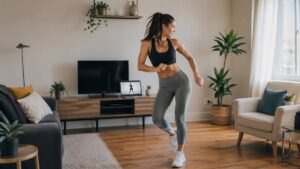
The carpet is tricky because it grabs your shoes. That can make turns feel awkward and increase knee strain. For carpet, I avoid sticky rubber soles. A smoother practice shoe or dance sneaker with a pivot point works better.
Some dancers also use dance socks for light home practice, but only if the floor is clean and safe. Never force spins on thick carpet. Practice footwork, rhythm, posture, and balance instead.
Best Shoes For Outdoor Dancing
Outdoor dancing needs durable shoes. Sidewalks, patios, parking lots, and outdoor event floors can destroy suede soles fast. For dancing in outdoor salsa, bachata, swing, or casual dance events, I choose smooth-bottom sneakers or dance sneakers with rubber soles.
They protect the shoe and give better grip on rough surfaces. Keep one pair for indoor dancing and one pair for outdoor events. That simple habit saves money.
Suede Vs Leather Vs Rubber Soles
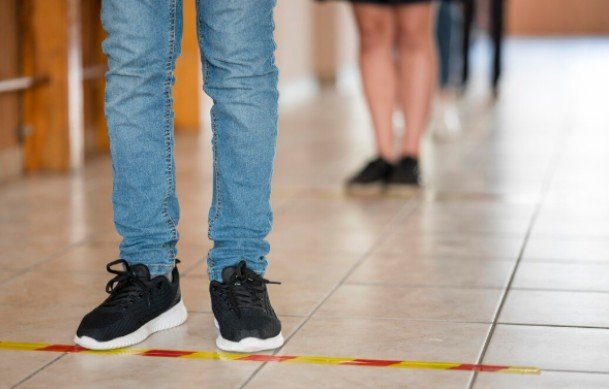
Suede soles are best for indoor dance floors because they offer controlled glide. They are common in ballroom, Latin, salsa, bachata, and swing shoes. Leather soles can feel smoother and more slippery. Some experienced dancers like them, but beginners may need time to adjust.
Rubber soles give more grip and durability. They are better for outdoor spaces, hard floors, slippery tile, and casual practice. The downside is that rubber can make turns harder if the sole grips too much.
How To Choose Shoes Based On Dance Floor Type Without Guessing
The easiest way is to match the sole to the surface. Smooth indoor floors usually need suede. Rough outdoor floors need rubber. Hard floors need cushioning. Sticky floors need shoes that allow safe rotation.
Before buying, check your studio rules. Some studios do not allow outdoor shoes on dance floors. Others recommend specific footwear for safety. If you are unsure, start with a beginner-friendly dance sneaker. It works across more surfaces than a high heel or delicate suede shoe.
Beginner Mistakes To Avoid
The third mistake is choosing too much grip. Grip feels safe at first, but it can block turns and strain your knees. The fourth mistake is ignoring comfort. If your shoes pinch, slide, or feel stiff, you will not practice confidently.
Frequently Asked Questions
1. Can I Use Regular Shoes For Dancing?
Yes, but only for casual practice. Regular shoes may not support turns, footwork, or floor safety. Dance-specific shoes usually feel better once you practice consistently.
2. What Sole Is Best For Beginners?
A suede sole works well for smooth indoor floors. A flexible rubber sole works better for outdoor spaces, tile, concrete, or casual practice.
3. How To Choose Shoes Based On Dance Floor Type For Home Practice?
Look at your floor first. Use cushioned shoes for hard floors, smoother soles for carpet, and grippy but flexible shoes for tile or laminate.
4. Should I Buy Dance Heels As A Beginner?
Only if your class requires them. Start with a lower heel, secure straps, and enough support. Comfort matters more than height.
Final Step Before You Dance
I no longer buy dance shoes just because they look good online. I think about the floor first, then the sole, then comfort. That order makes every class, practice, and social dance feel easier.
If you remember one thing, make it this: How to choose shoes based on dance floor type is really about safety, control, and confidence. When your shoes match the floor, your body relaxes, your turns improve, and dancing feels a lot more natural.