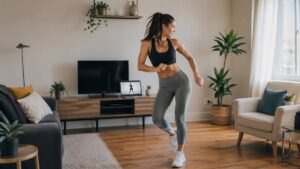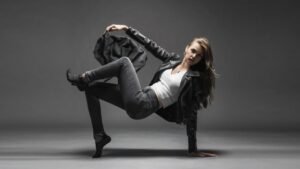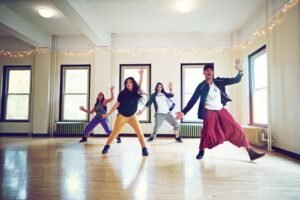
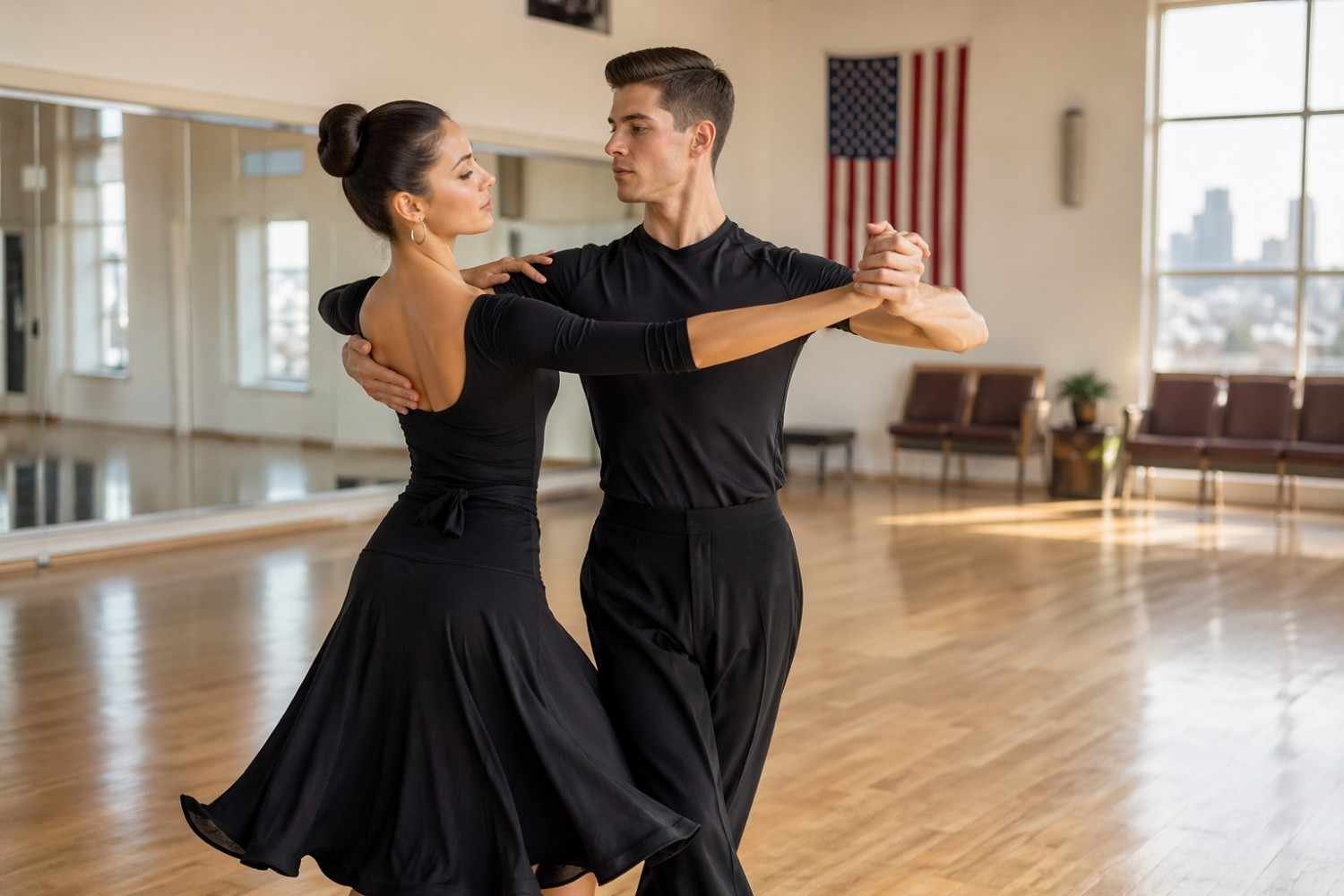
When I first started taking ballroom practice seriously, I thought anything stretchy would do. Leggings, a loose tee, maybe sneakers if I forgot my dance shoes. It worked… until it didn’t. My movements felt off, turns weren’t smooth, and instructors kept correcting posture I thought was fine. That’s when I realized what you wear to practice actually shapes how you dance.
Over time, you start noticing small things. The way a skirt moves changes how you feel a turn. A fitted top makes your posture instantly more aware. The right outfit doesn’t just make you comfortable, it quietly improves your technique. Choosing the best ballroom outfits for practice is less about looking good and more about helping your body move the way it’s supposed to.
What Actually Matters In Ballroom Practice Outfits
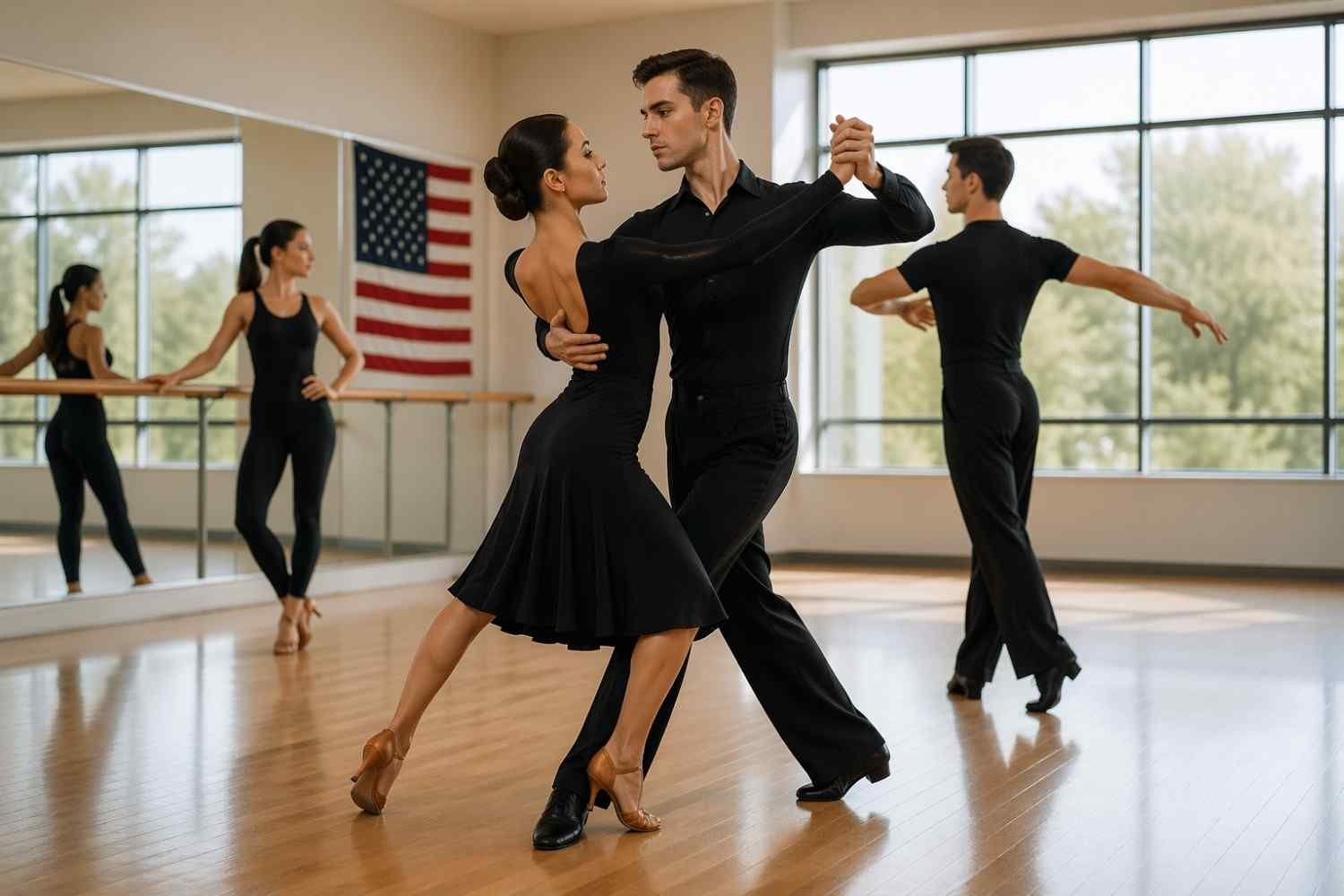
There’s a simple rule most experienced dancers follow: if your outfit restricts movement or hides your form, it’s not helping you. Practice wear should support both comfort and visibility.
Fabric plays a huge role here. Breathable, moisture-wicking materials like spandex (Lycra), stretch jersey, or nylon blends are ideal. They move with your body and don’t trap heat during long sessions. You don’t notice good fabric, but you definitely notice bad fabric halfway through practice.
Fit is just as important. Your outfit should be:
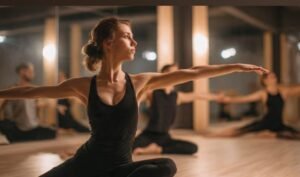
- Close enough to show posture and alignment
- Flexible enough to allow a full range of motion
Loose clothing might feel comfortable at first, but it hides technique. And in ballroom, technique is everything.
Color is more practical than people expect. Darker tones, especially black, are common because they handle sweat better and keep your overall look clean during extended training.
Why The Right Outfit Improves Your Dancing
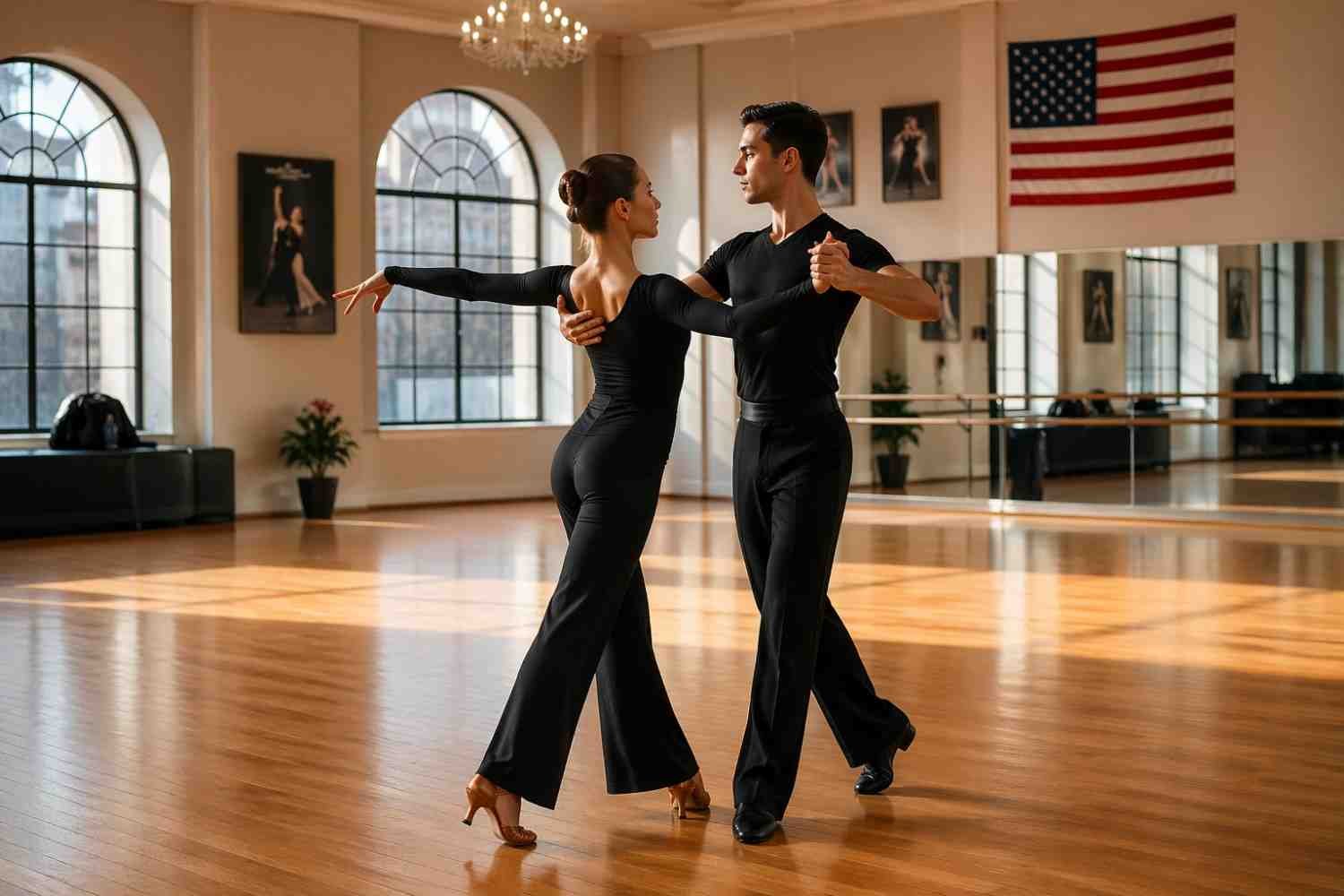
This part doesn’t get talked about enough. The right ballroom practice outfit doesn’t just support movement; it trains your body.
When your clothes fit well:
- You become more aware of posture
- Your lines look cleaner
- Your instructor can correct you faster
And when your clothing flows correctly like a skirt during turns, you start understanding movement visually, not just physically.
On the other hand, the wrong outfit creates small problems:
- Sticky fabric disrupts spins
- Baggy clothes hide footwork mistakes
- Poor shoes affect balance and timing
It’s subtle, but over time, it adds up.
Choosing Outfits Based On Dance Style
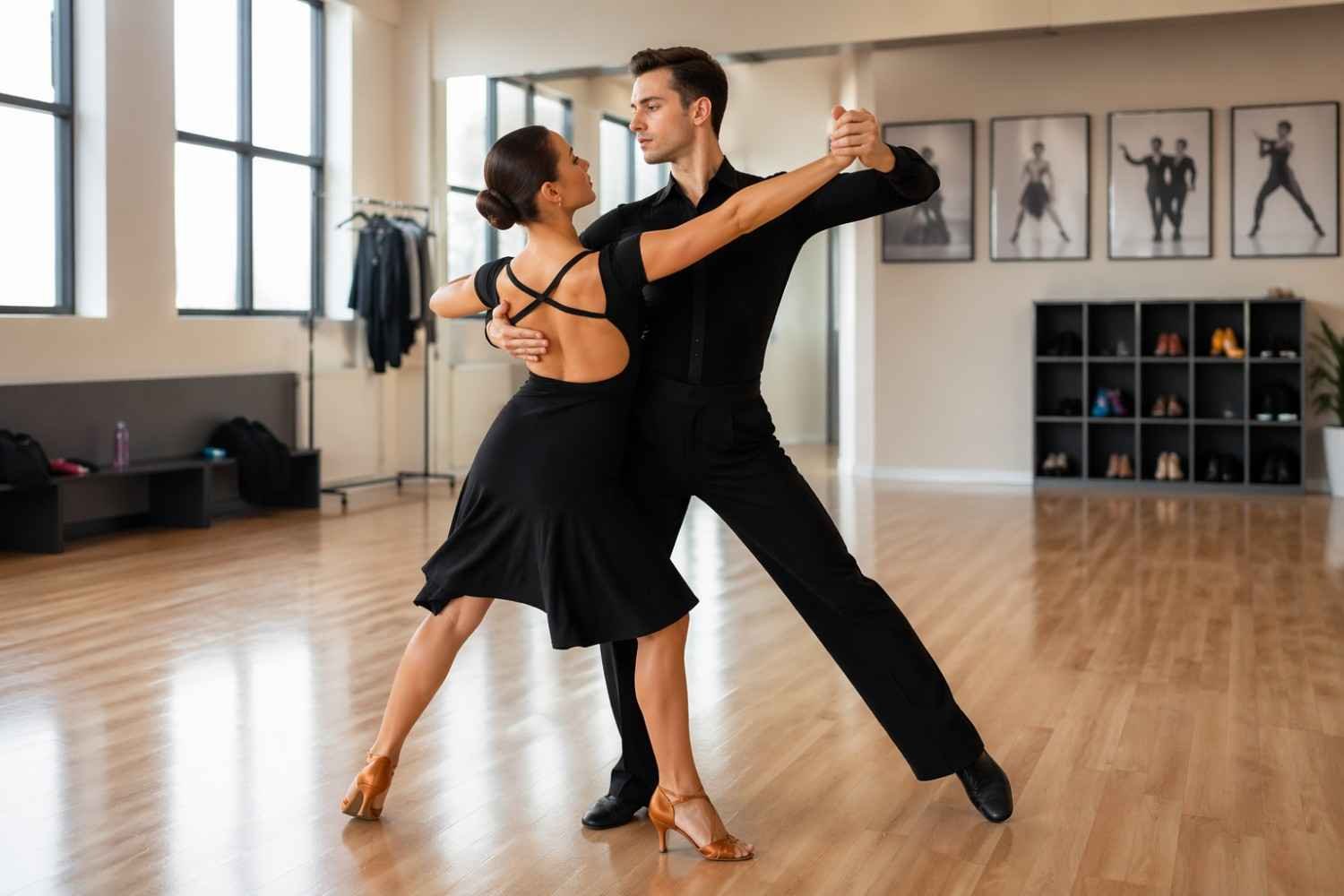
Not all ballroom styles move the same way, so your practice outfit shouldn’t be one-size-fits-all.
Latin & Rhythm (Salsa, Cha-Cha, Rumba)
These styles are sharp, grounded, and expressive. Your outfit should highlight lower-body movement and hip action.
For women, shorter skirts or asymmetrical or fitted leggings work best. They keep leg movement visible and don’t interfere with fast footwork. Many dancers lean toward Latin-style skirts because they naturally emphasize motion.
For men, fitted shirts or polos paired with flexible dance pants are ideal. The key is allowing deep lunges and quick directional changes without restriction.
Standard & Smooth (Waltz, Tango, Foxtrot)
These styles are all about flow and elegance. Movement travels through the entire body, and your outfit should reflect that.
Women usually go for longer, flowy skirts, mid-calf to ankle length. Fabrics like chiffon or georgette create that sweeping effect during turns, which actually helps you feel the movement better.
Men benefit from structured but flexible outfits. A fitted dress shirt or tailored top helps maintain a clean frame while allowing shoulder movement.
Essential Pieces Every Dancer Ends Up Using
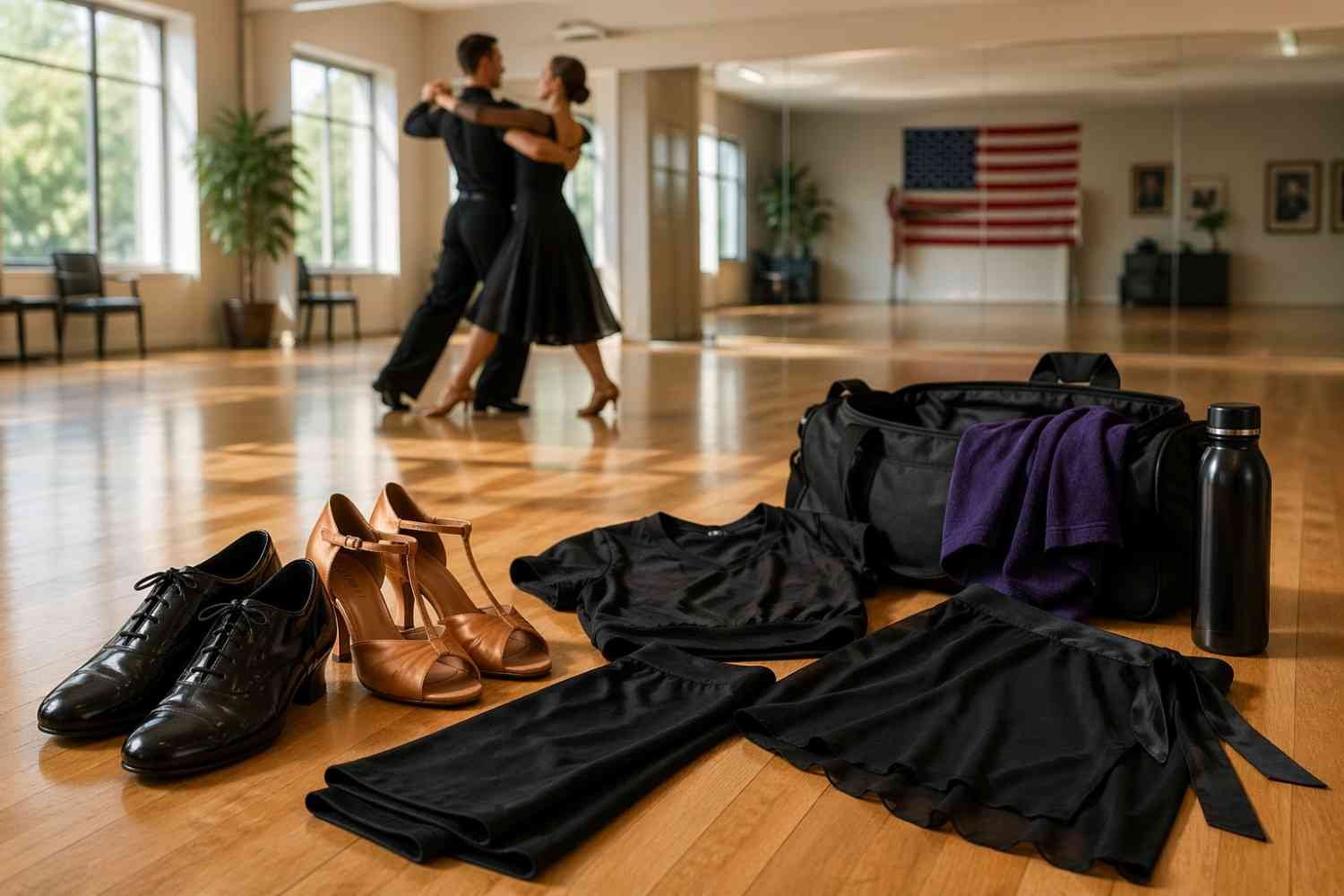
Most dancers eventually build a small rotation of reliable practice wear. You don’t need a huge wardrobe, just the right pieces.
Here’s what tends to work consistently:
- Leotards or bodysuits – They stay in place and create a clean base layer
- Practice skirts – A-line or wrap styles give movement without heaviness
- Fitted tops – Help with posture visibility
- Stretch dance pants or leggings – Allow full mobility
- Warm-up layers – Shrugs or leg warmers to prevent stiffness early in sessions
These pieces are simple, but they solve the most common practice issues.
Footwear Is Non-Negotiable
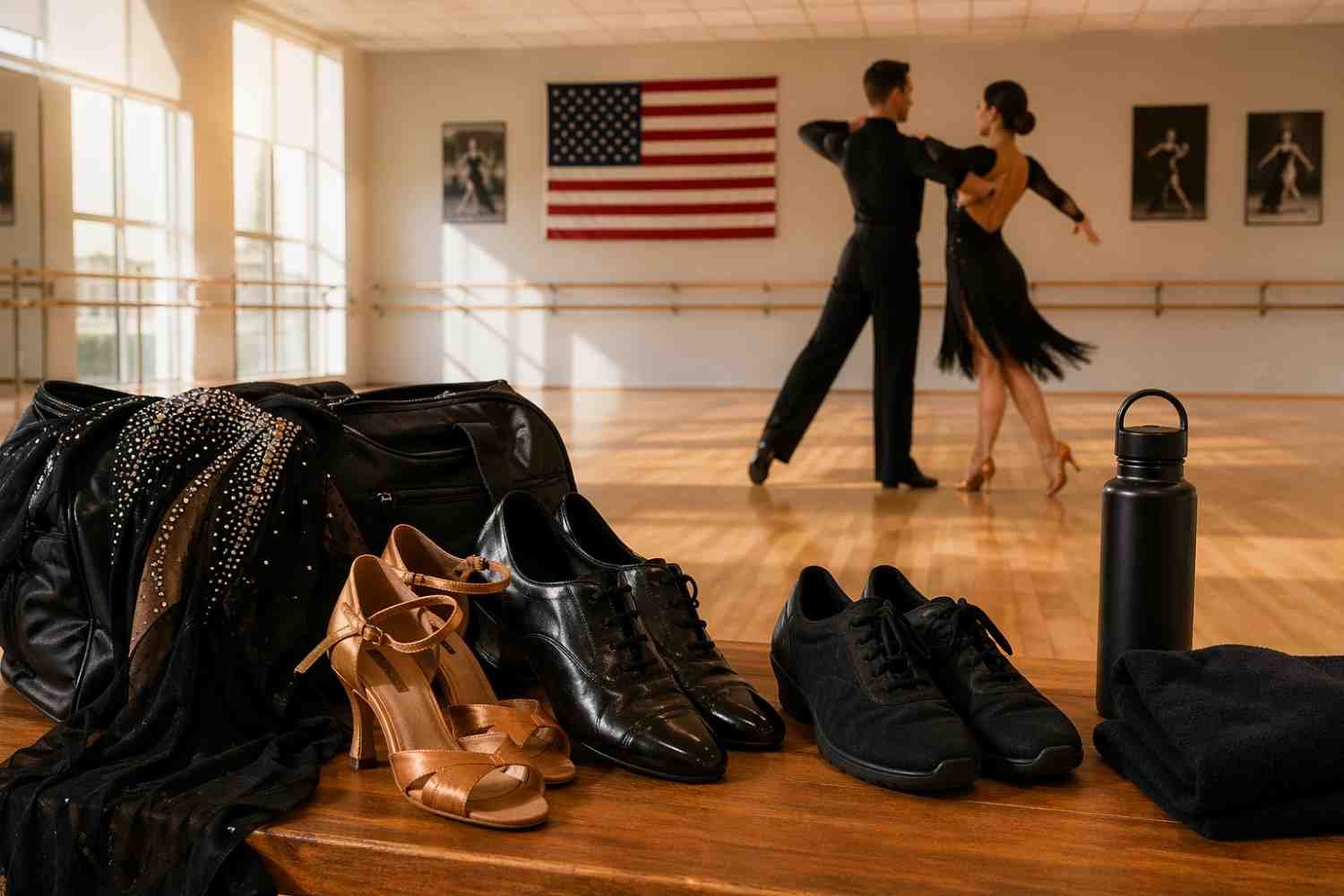
If there’s one thing you shouldn’t compromise on, it’s shoes.
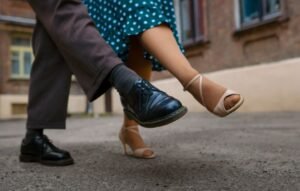
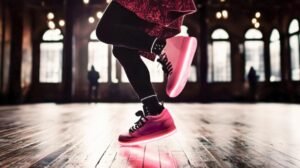
Ballroom dance shoes with suede soles are essential. They allow smooth gliding, controlled turns, and proper weight transfer. Regular sneakers or rubber-soled shoes grip the floor too much, which can strain your knees and disrupt movement.
A good pair of practice shoes:
- Supports balance
- Allows effortless pivoting
- Reduces injury risk
It’s one of those upgrades you feel instantly.
Common Mistakes That Hold Dancers Back
Most beginners and even some regular dancers make the same outfit mistakes without realizing it.
The biggest ones include:
- Wearing overly loose or bulky clothing
- Choosing fashion over function
- Practicing in non-dance shoes
- Adding distracting accessories like long necklaces or scarves
These things might seem minor, but they interfere with movement, partner connection, and even safety.
The goal is to remove distractions. Your outfit should support your dancing, not compete with it.
FAQs: How To Choose The Best Ballroom Outfits For Practice
1. What should beginners wear to ballroom practice?
Beginners should keep it simple: fitted tops, leggings or comfortable pants, and proper dance shoes. The focus should be on movement and posture visibility, not styling.
2. Are leggings good for ballroom practice?
Yes, leggings work well, especially for Latin styles. They allow flexibility and make leg movements easy to see, which helps with technique correction.
3. Do I need different outfits for different ballroom styles?
Not always, but it helps. Latin styles benefit from shorter, fitted outfits, while Standard styles feel better with flowy, elegant pieces.
4. Can I wear regular shoes for ballroom practice?
It’s not recommended. Regular shoes with rubber soles can restrict movement and increase injury risk. Dance shoes are designed specifically for smooth turns and balance.
Final Thoughts
Finding the right practice outfit is a process. You don’t get it perfect on day one, and honestly, most dancers go through a phase of trial and error. But once you land on what works, everything starts to feel smoother, your movement, your posture, even your confidence during practice, which reflects how ballroom dance improves confidence over time. It’s not about having the most stylish outfit in the room. It’s about wearing something that lets you dance without hesitation.
Keep it simple, stay consistent, and focus on how your outfit supports your movement. The rest falls into place.