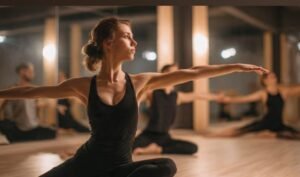
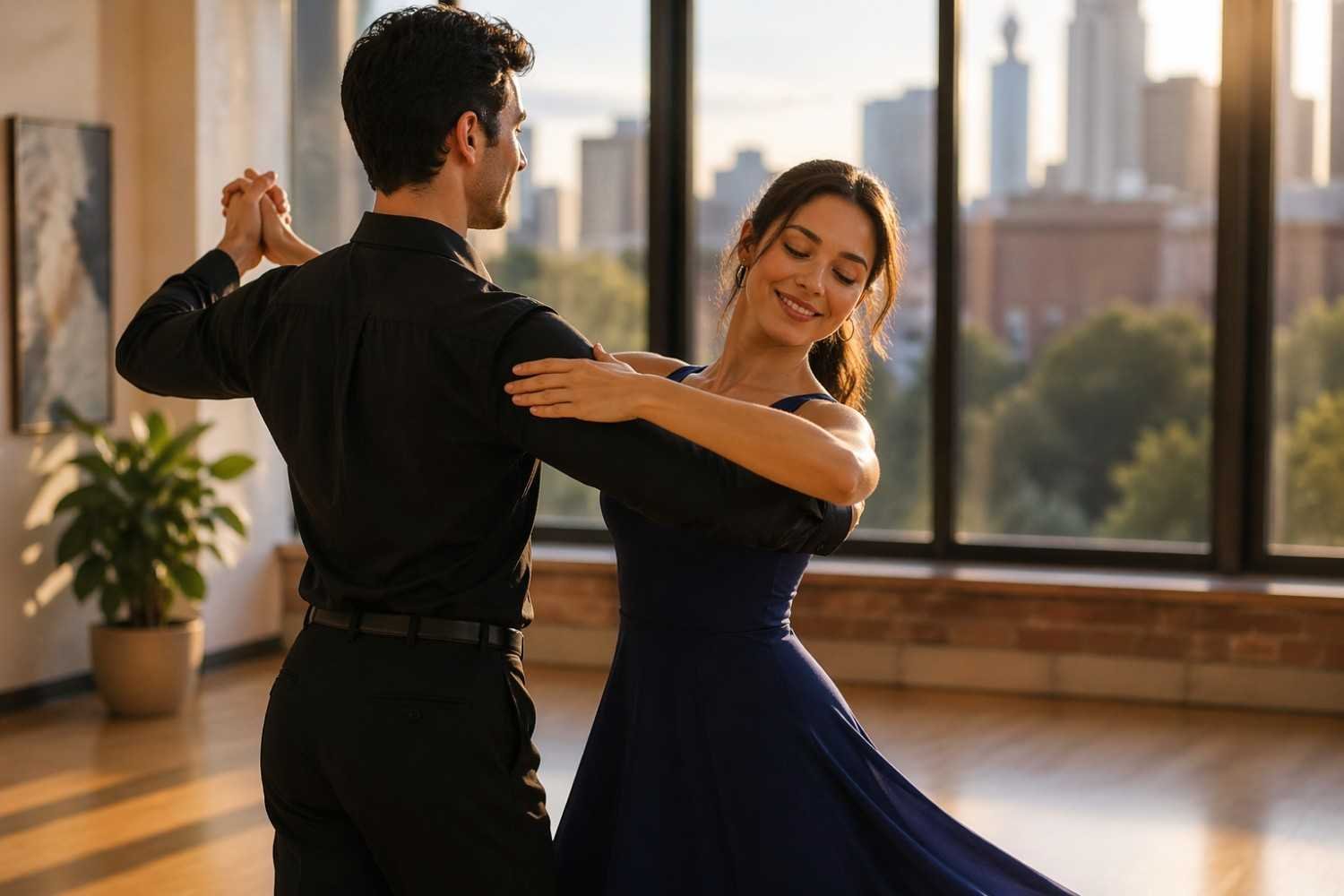
It usually starts with hesitation. You walk into a ballroom class, slightly stiff, overthinking every step, wondering if you’ll mess up in front of strangers. That mental noise is loud at first. But something shifts faster than you expect. Within minutes, your brain is too busy keeping up with rhythm, movement, and another person to stay stuck in its usual loops.
That’s the strange part about ballroom dance for mental health. It doesn’t ask you to sit still and “fix” your thoughts. It pulls you into motion. And in doing that, your mind begins to reorganize itself subtly at first, then in ways that feel surprisingly deep.
Your Brain Gets a Full Workout (Not Just a Mood Boost)
Most people assume dancing is just physical. It’s not. Ballroom dance forces your brain into a kind of high-level multitasking that few activities match.
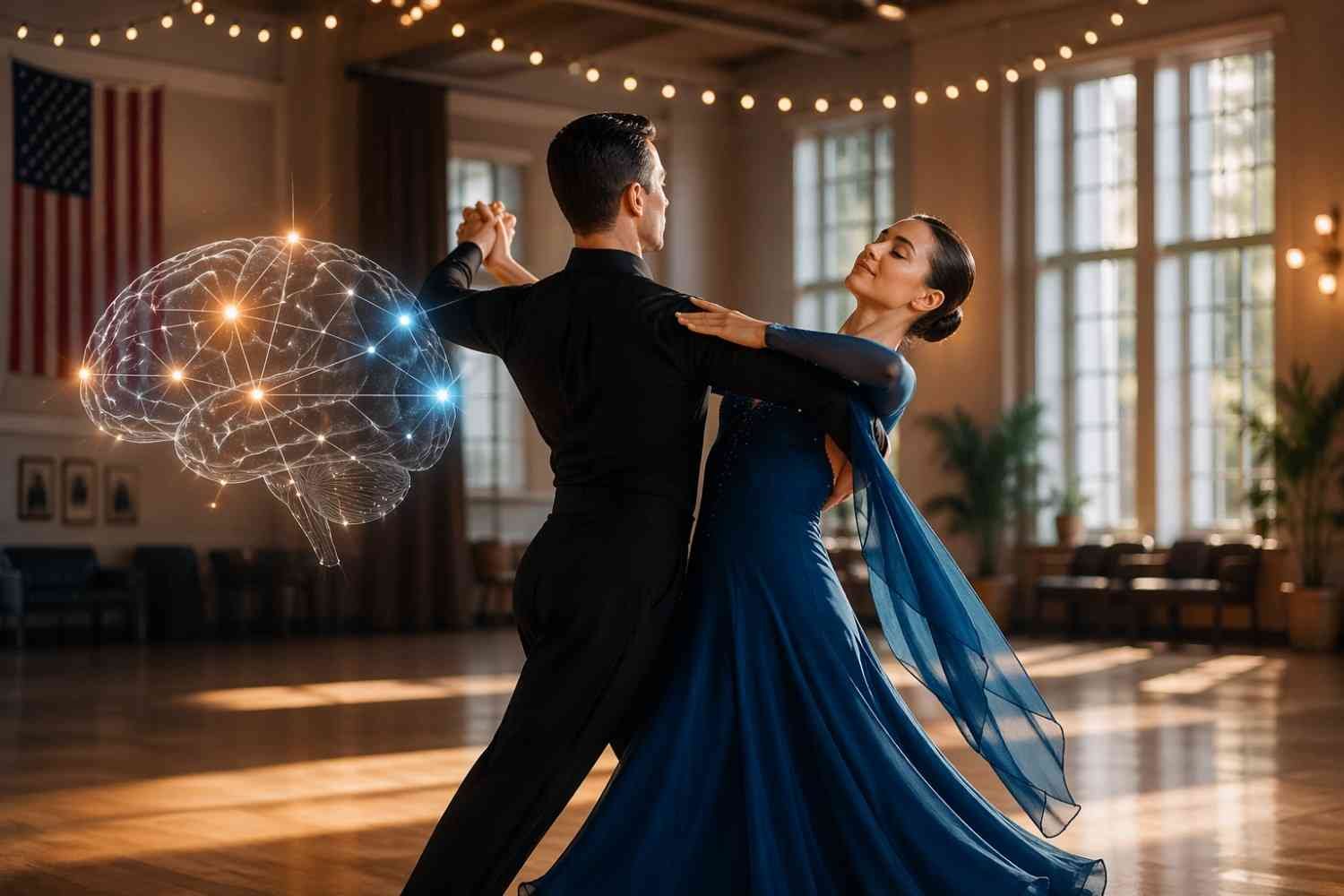
You’re remembering steps, adjusting posture, syncing with music, and responding to a partner all at once. This creates what researchers often describe as a “whole-brain activation” experience.
- The left side of your brain handles logic and sequence (the steps)
- The right side manages creativity, rhythm, and spatial awareness
- Both sides start working together more efficiently over time
This isn’t just theory. Regular dancing is linked to increased gray matter, especially in areas tied to memory and motor control. Over time, your brain literally becomes more adaptable. That’s neuroplasticity in action.
And here’s where it gets interesting: among physical activities, dance has been strongly associated with a lower risk of cognitive decline, mainly because it combines movement with constant mental engagement.
The “Pleasure Double Play” Effect
There’s a reason you feel lighter after dancing, even if you walked in stressed.
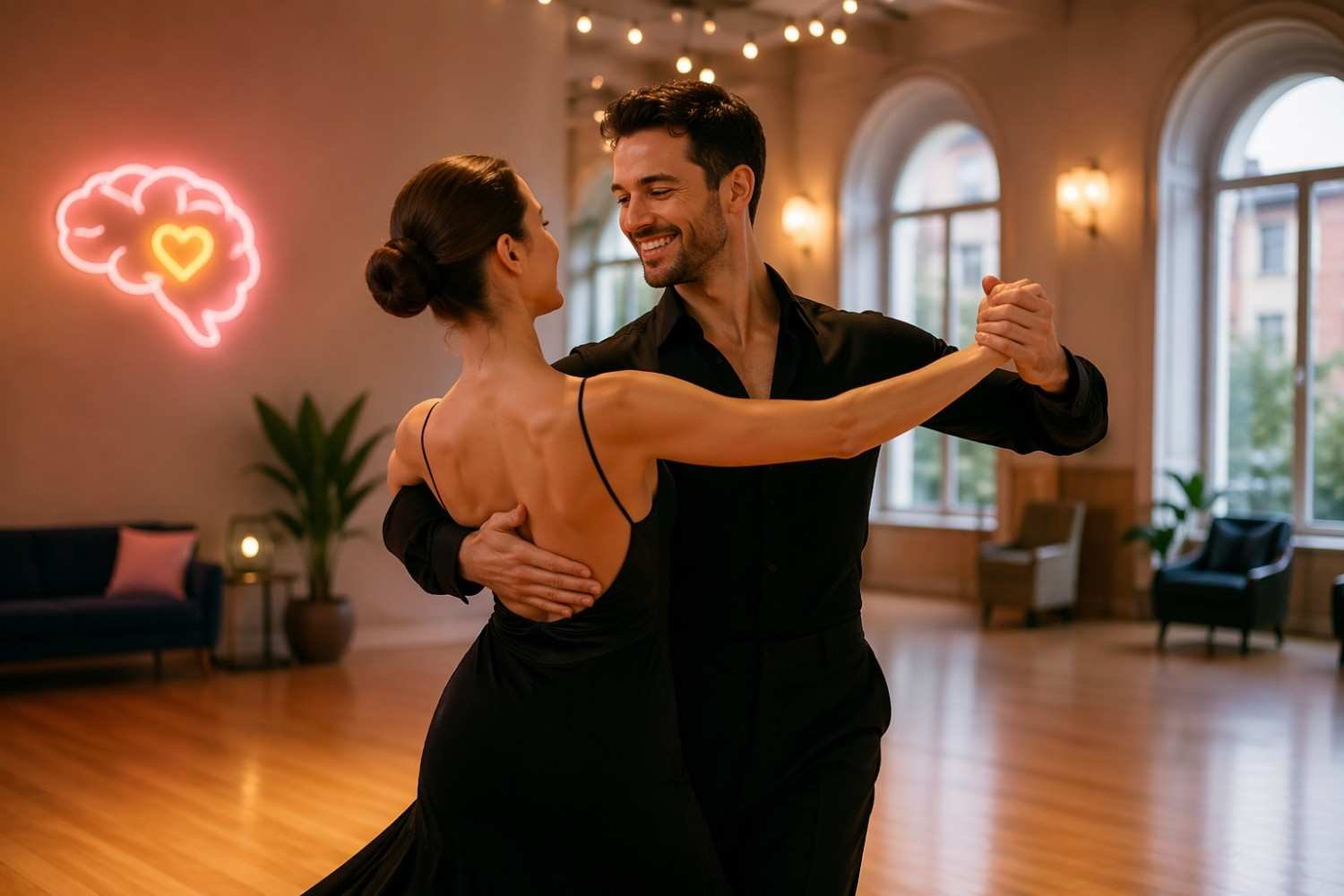
Ballroom dance triggers what can only be described as a dual reward system in your brain. On one side, you have physical movement releasing endorphins. On the other hand, you have music, connection, and achievement, boosting dopamine and serotonin.
That combination creates a kind of internal reset.
Instead of:
- Overthinking
- Mental fatigue
- Emotional heaviness
You start to experience:
- A natural mood lift
- Reduced stress levels
- A sense of mental clarity
This is why dance therapy benefits are gaining attention. It’s not just about distraction; it’s about chemical regulation happening in real time.
You Stop Overthinking (Because You Can’t)

One of the most noticeable shifts is how quickly your mind quiets down.
Ballroom dance demands focus. You have to stay present, watching your partner, listening to the beat, adjusting your timing. There’s no space left for repetitive thoughts.
This creates something close to mindfulness through movement.
Unlike sitting meditation, which can feel difficult if your mind is busy, dancing gives your brain a task. And that task naturally pulls you out of anxiety loops.
Over time, this becomes a habit:
- You get better at staying present
- You react less to intrusive thoughts
- Your mind feels less cluttered overall
That’s a big reason why people turn to dancing for stress relief without even realizing how effective it is.
Confidence Builds in a Way That Feels Earned
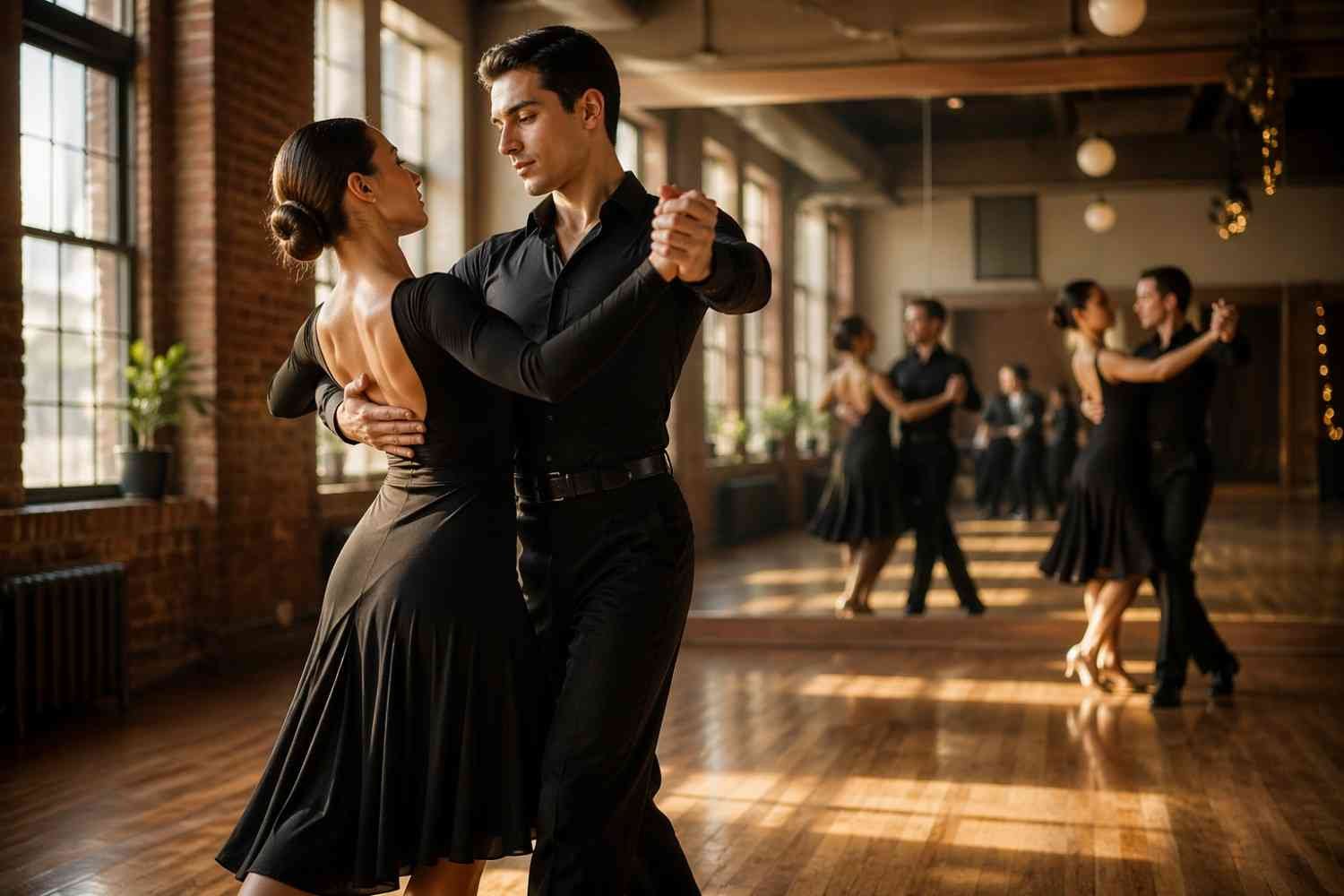
At the beginning, you might feel awkward. Most people do. But then something changes, you get one step right, then another, then an entire sequence. For many, what starts as ballroom dancing for fitness slowly turns into something much deeper as the mental and emotional shifts begin to show.
That progression matters.
Ballroom dancing isn’t passive. You’re actively learning and improving. And every small win sends a signal to your brain: you’re capable.
This leads to:
- Improved self-confidence
- Better body awareness
- A stronger sense of control
Unlike surface-level confidence boosts, this one feels real because it’s built through effort. That’s why ballroom dancing benefits go beyond just physical fitness; they reshape how you see yourself.
The Social Connection Your Brain Actually Needs
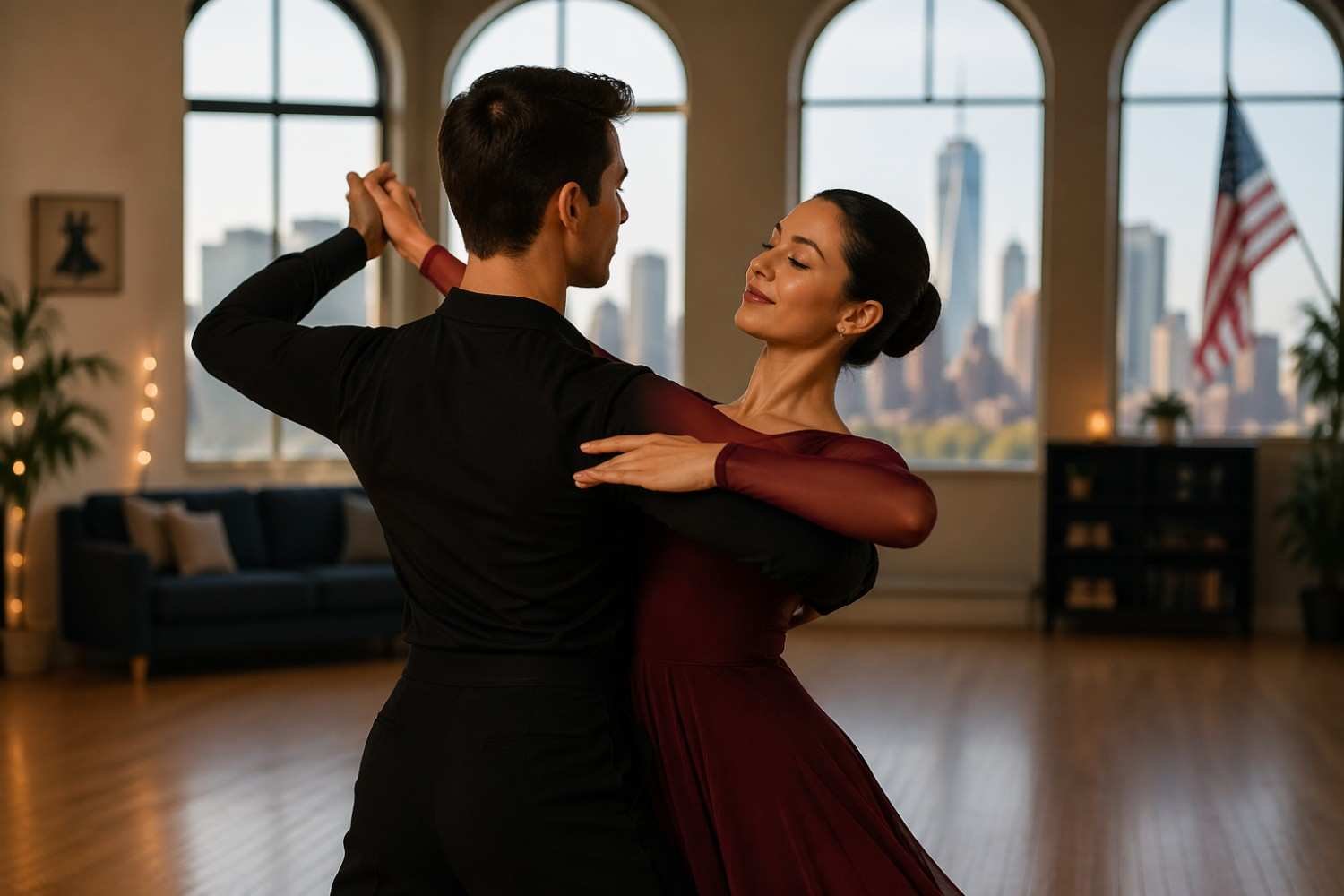
This is where ballroom dance stands apart from most forms of exercise.
You’re not alone. You’re moving with someone else, adjusting to them, communicating without words. And your brain responds to that in powerful ways.
Research suggests that during partnered dance:
- Brain rhythms between partners can start to synchronize
- Regions linked to empathy become more active
- You become more attuned to subtle social cues
This is especially important if you struggle with loneliness or social anxiety.
Instead of forced conversations, connection happens naturally through movement. Over time, this builds:
- A sense of belonging
- Reduced social tension
- Stronger emotional awareness
That’s why the benefits of partner dancing often include improved interpersonal skills, not just mood.
FAQs: What Happens to Your Mind When You Try Ballroom Dance for Mental Health
1. How does ballroom dance help with anxiety?
Ballroom dance reduces anxiety by forcing your mind into the present moment. The combination of movement, rhythm, and partner coordination interrupts overthinking and lowers stress hormones naturally.
2. Is ballroom dancing better than other exercises for mental health?
It can be more effective for some people because it combines physical activity with social interaction and cognitive challenge, which many solo workouts don’t offer.
3. Can dancing really change your brain?
Yes, regular dancing supports neuroplasticity. It helps form new neural connections, improves memory, and strengthens coordination between different brain regions.
4. How often should I do ballroom dance to see mental health benefits?
Even 1–2 sessions per week can make a difference. Consistency matters more than intensity when it comes to long-term mental and emotional benefits.
Wrapping Thoughts
What makes ballroom dance different isn’t just the movement it’s the way it pulls your mind out of its usual patterns. You’re not sitting with your thoughts, trying to control them. You’re moving through something that reshapes how those thoughts behave in the first place. Over time, that shift becomes noticeable. You feel lighter, more present, and a little more connected to yourself and others.
And maybe that’s the real change. Not a dramatic transformation, but a steady, reliable way to feel better without forcing it.