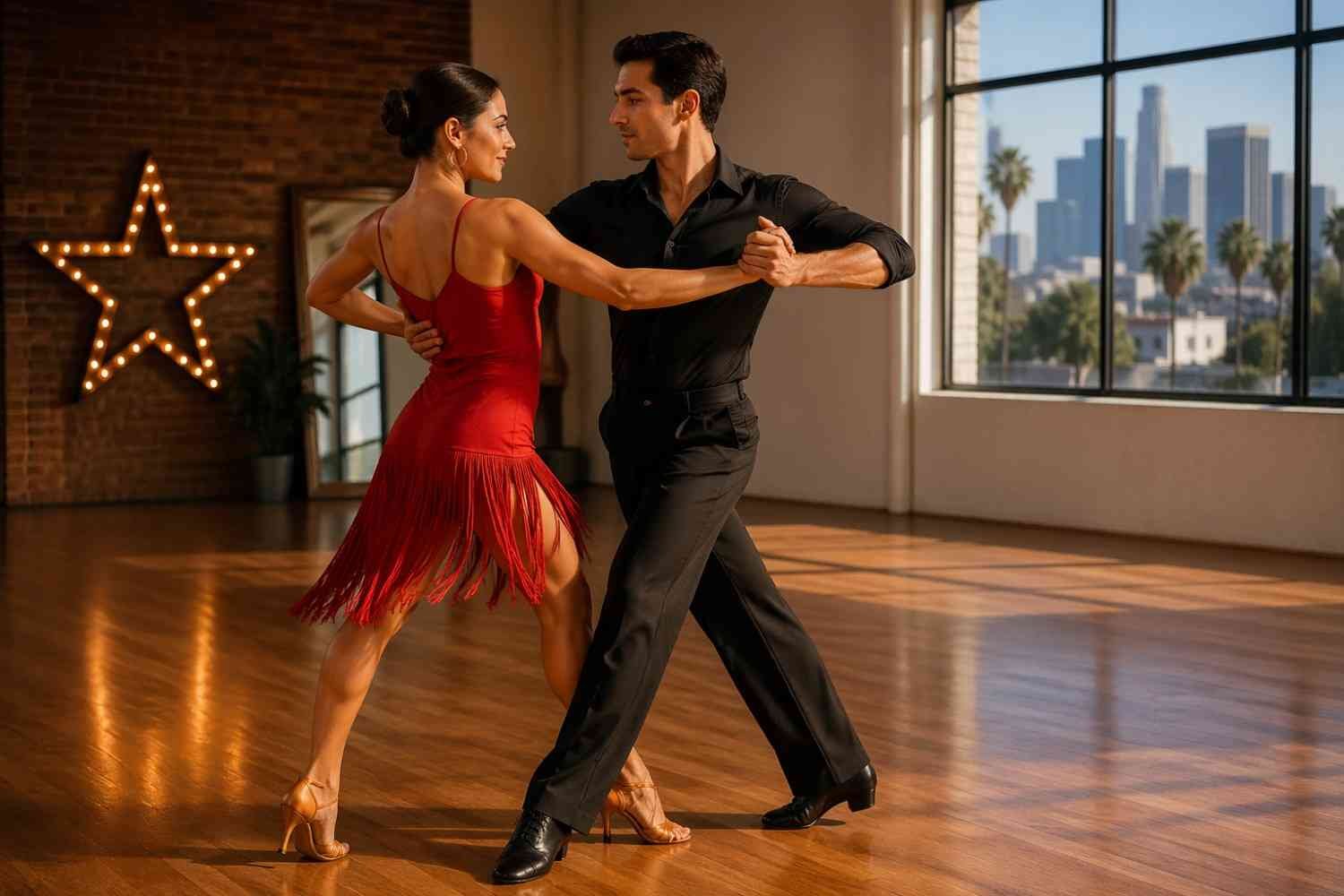
There’s a moment every beginner hits when learning rumba. You know the steps in your head, but your body just doesn’t cooperate. Your feet feel heavy, your timing feels off, and instead of looking smooth, you feel stiff and slightly lost. That “awkward phase” is real, and almost everyone goes through it.
What changed things for me wasn’t learning more steps. It was understood that rumba is less about complexity and more about control, rhythm, and subtle movement. Once you start focusing on how the dance feels instead of just what to do, everything begins to shift. The transition from awkward to confident is slower than expected but also much more rewarding.
Why Rumba Feels So Awkward At First
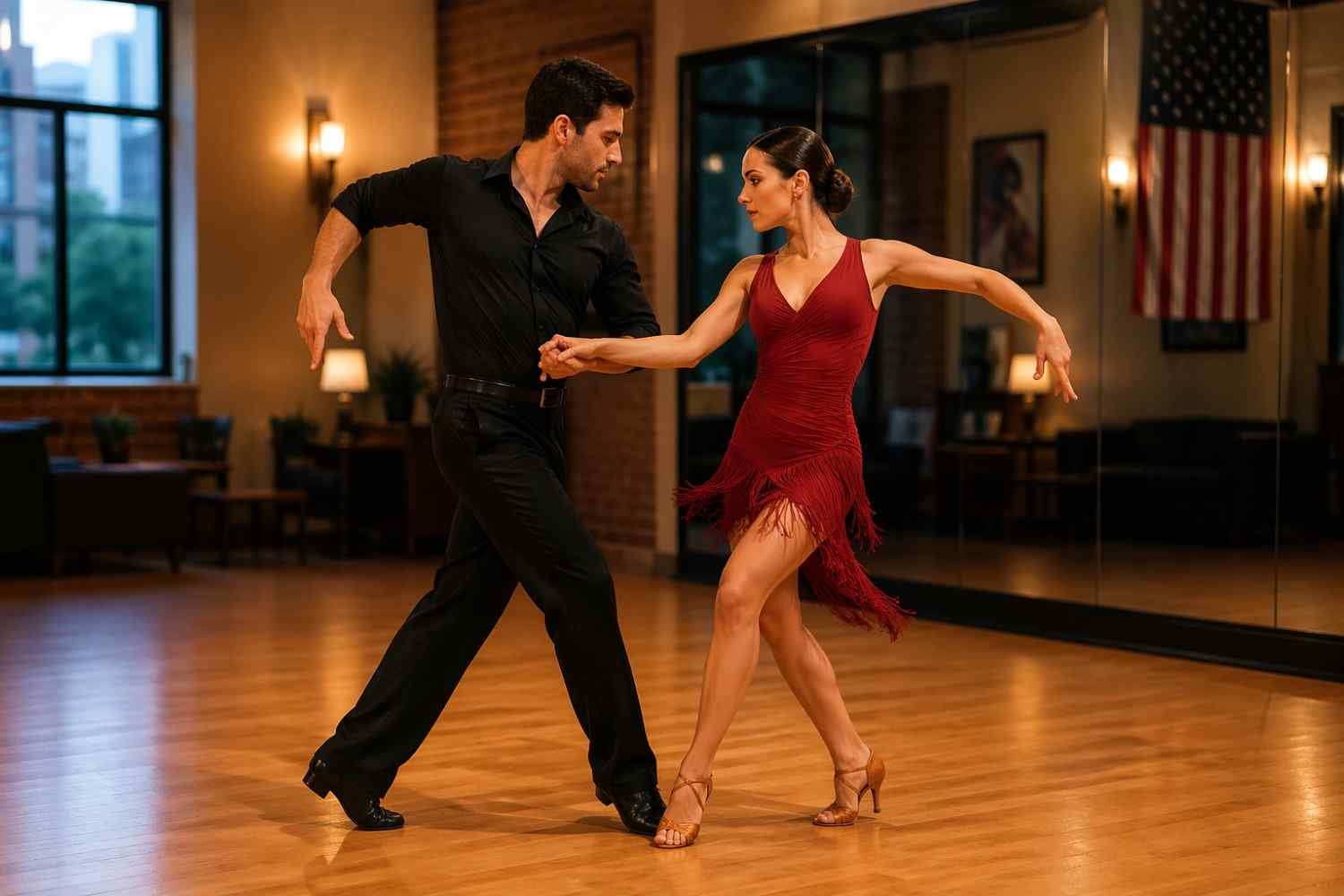
Rumba looks simple when you watch experienced dancers. Slow movements, controlled steps, relaxed energy. But for beginners, that simplicity is exactly what makes it difficult.
There’s nowhere to hide. Every step is visible. Every pause feels longer than it actually is. And if your timing is even slightly off, it shows immediately.
Most beginners struggle because:
- They try to rush through the steps
- They focus too much on memorizing patterns
- They ignore rhythm and body movement
The truth is, rumba is not about doing more. It’s about doing less, but doing it right.
Master The Rhythm Before Anything Else
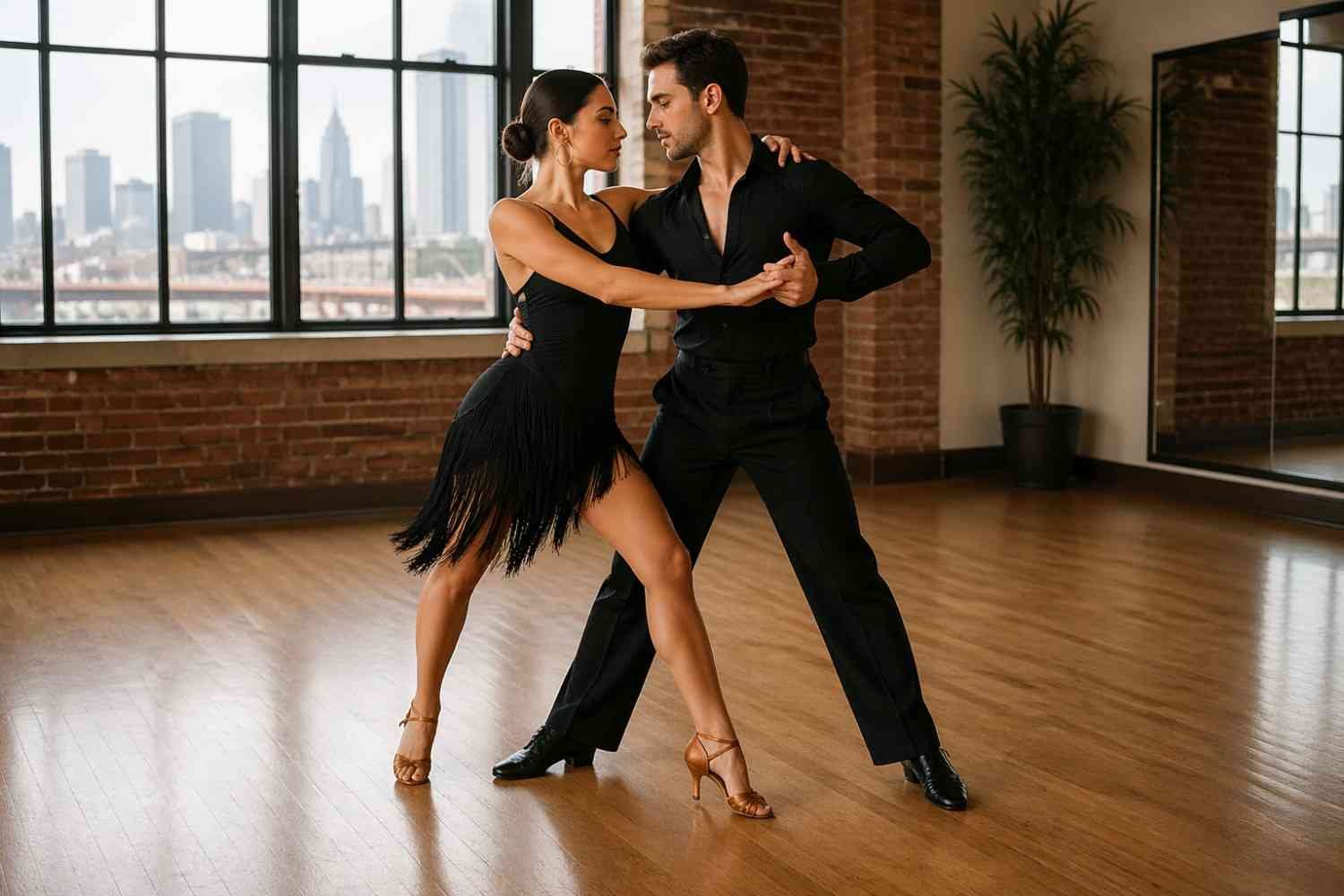
The biggest shift happens when you truly understand the rhythm. Rumba is danced in 4/4 timing, but you don’t step on every beat like a normal walk.
Instead, everything revolves around the pattern:
Slow, Quick, Quick
Here’s what that actually means in practice:
- You don’t step on beat 1 (this is where most beginners mess up)
- You start on beat 2
- The “slow” takes two beats
- The “quick” steps are faster and sharper
A simple way to internalize it:
- Think: “Pause… step… step-step”
- Or count: “2… 3… 4-1”
Once this clicks, your movement instantly feels more controlled. Your steps stop looking random, and your body starts syncing with the music naturally.
Start With The Box Step (And Don’t Rush It)
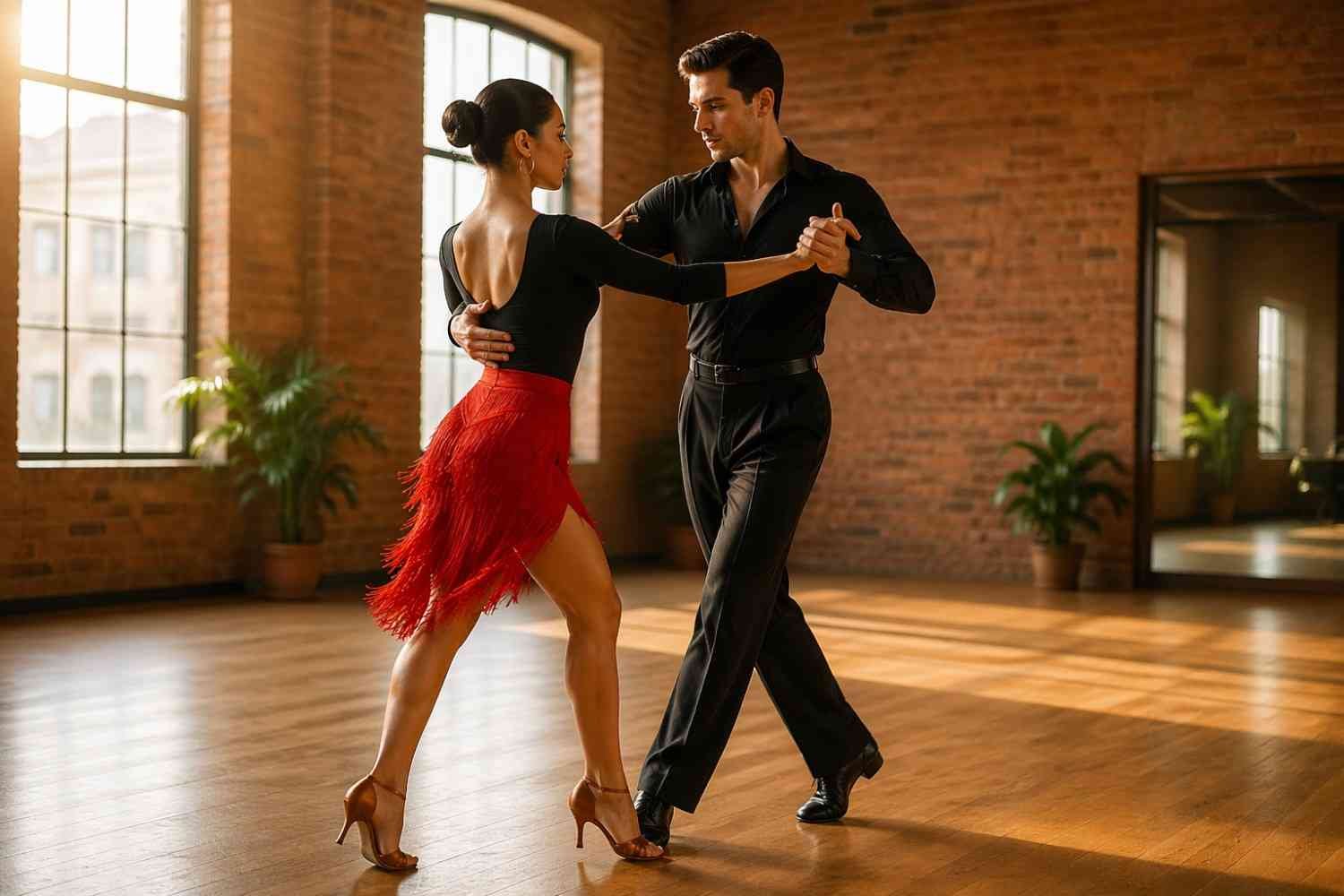
Every beginner learns the box step, but most don’t spend enough time actually getting comfortable with it.
Imagine a small square on the floor. You’re stepping around it in a controlled pattern.
Leader basics:
- Left foot forward (slow)
- Right foot to the side (quick)
- Left foot closes (quick)
- Then reverse
Follower basics:
- Right foot back (slow)
- Left to the side (quick)
- Right closes (quick)
- Then reverse
That’s it. No fancy moves. No turns yet.
The mistake? Trying to “move on” too quickly.
Confidence in rumba doesn’t come from adding more steps. It comes from repeating the basics until they feel effortless. When your body no longer has to think about the box step, you finally create space to focus on flow.
The Real Game-Changer: Cuban Motion
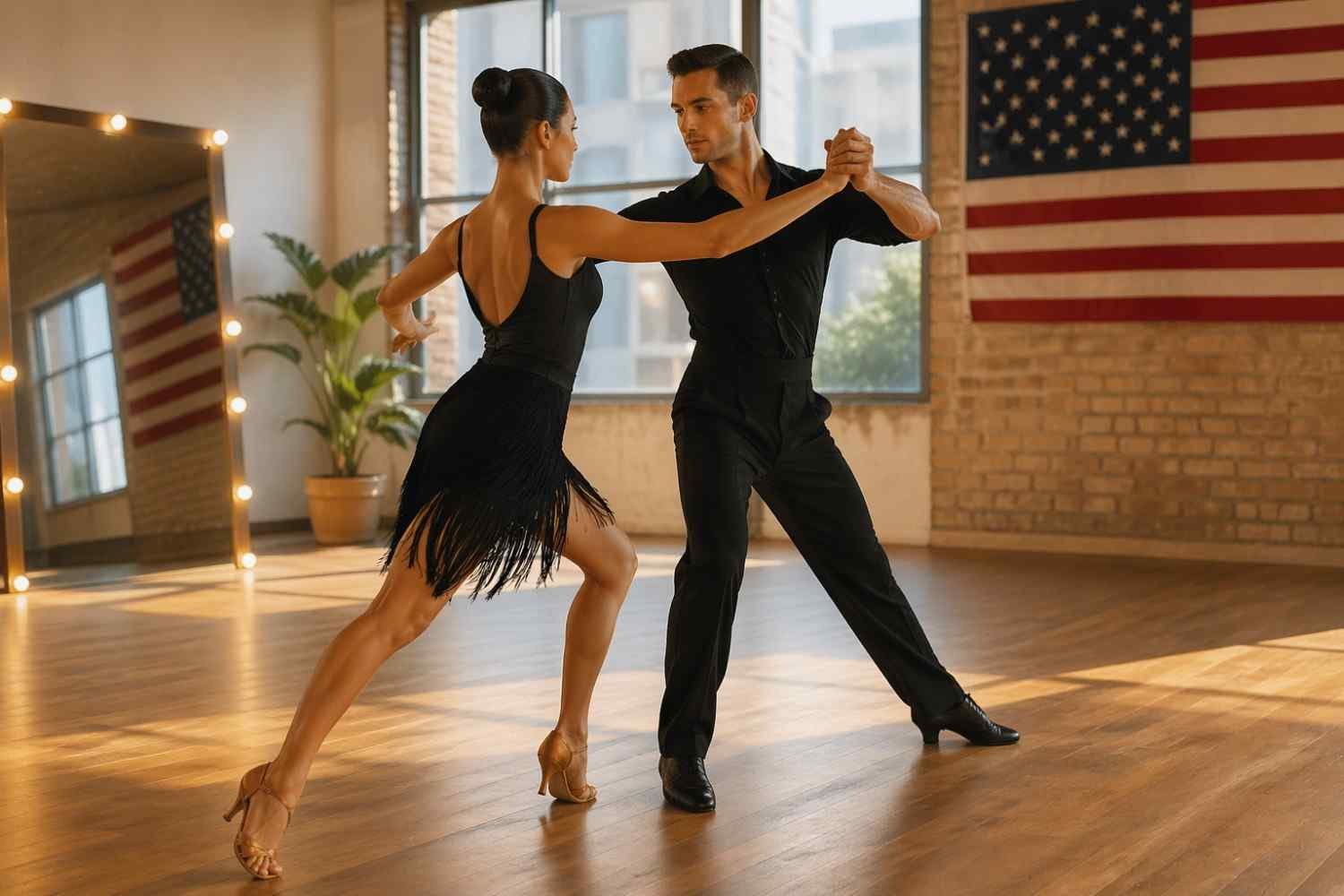
This is where most beginners either level up or stay stuck.
If your rumba looks robotic, it’s not because your steps are wrong. It’s because your body isn’t moving correctly between the steps.
Cuban motion is what gives rumba its signature smoothness. But here’s the part most people misunderstand:
It’s not about forcing your hips to move.
It comes from your knees and weight transfer.
Here’s how it actually works:
- Step with a slightly bent knee
- Shift your full weight onto that leg
- As your leg straightens, your hip naturally settles to the side
That’s it. No exaggerated movement. No “wiggling.”
Another small but powerful adjustment:
- Keep your feet close to the floor
- Think of it like you’re gliding or painting the floor
The moment you stop lifting your feet like you’re walking normally, your movement becomes smoother instantly.
Fix These Common Beginner Mistakes
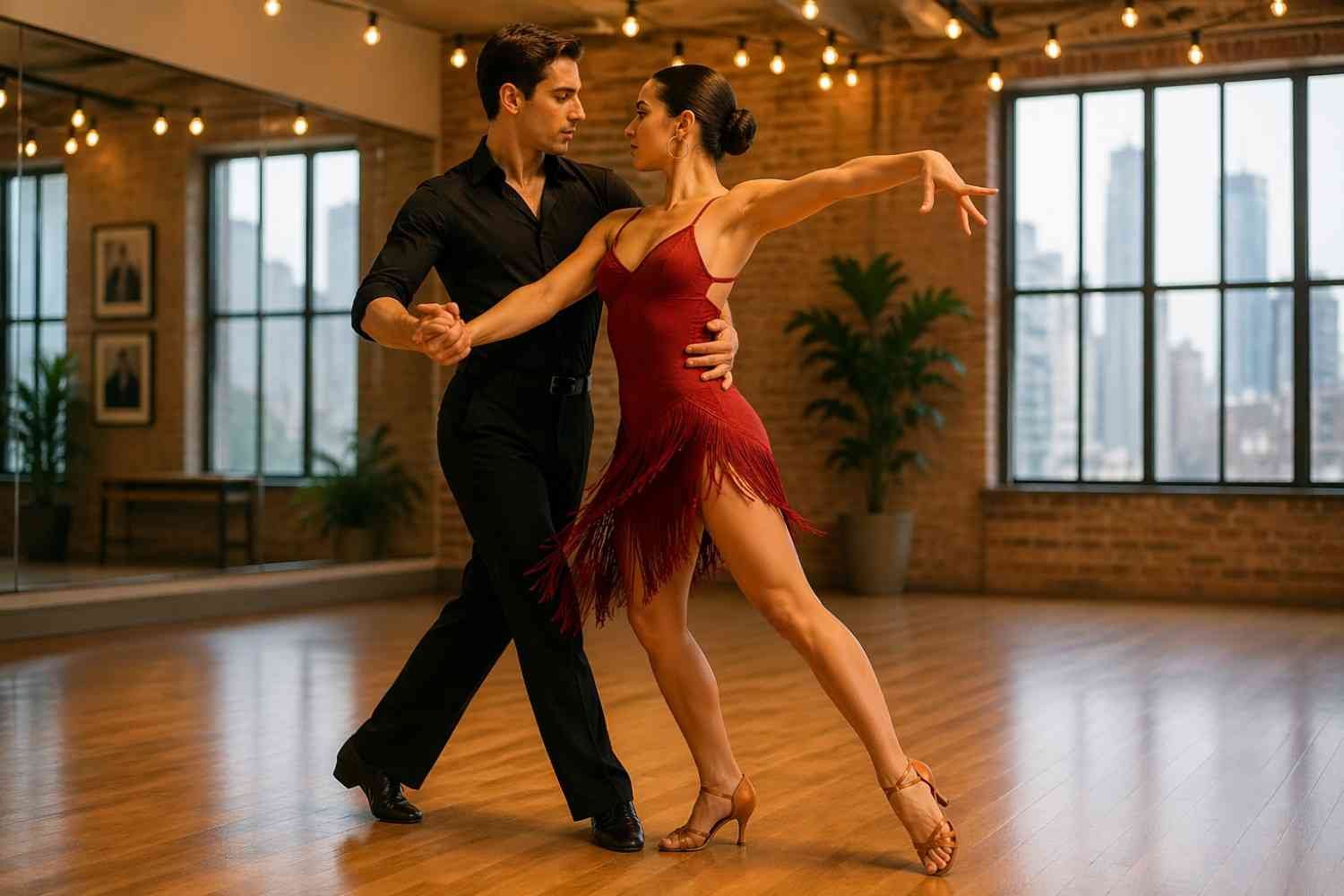
Almost every beginner makes the same mistakes in the early stages. Fixing these alone can dramatically change how you look and feel while dancing.
1. The “Noodle Arms” Problem
Loose, lifeless arms break your entire posture. Instead, focus on maintaining structure and learning how to improve ballroom dance posture so your frame looks stable and confident throughout the movement.
Instead:
- Keep a gentle tension in your arms
- Maintain a stable frame with your partner
This improves both control and connection.
2. Stepping With The Heel First
Rumba is not a normal walk.
Instead of heel-first:
- Use toe → ball → heel
- This keeps your movement soft and grounded
3. Rushing The Slow Step
This is the most common issue.
Beginners often:
- Speed through the “slow.”
- Lose the emotional quality of the dance
Force yourself to use the full two beats. Stretch the movement. Let it breathe.
FAQs: Rumba Dance For Beginners: From Awkward Steps To Confident Flow
1. How long does it take to learn rumba as a beginner?
Most people get comfortable with basic steps in a few weeks, but developing smooth movement and confidence can take a few months of consistent practice.
2. Is rumba hard for complete beginners?
It can feel challenging at first because of timing and body movement, but the steps themselves are simple. The difficulty lies in control, not complexity.
3. Do I need a partner to learn rumba?
Not necessarily. You can practice timing, footwork, and body movement solo. However, partner practice helps improve connection and coordination.
4. What is the most important thing to focus on first?
Timing. If your rhythm is off, everything else feels wrong. Once you lock into the “slow, quick, quick” pattern, the rest becomes much easier.
Final Thoughts
Rumba has a way of exposing every bit of stiffness and hesitation in your movement. That’s why it feels uncomfortable in the beginning. But that discomfort is also what makes the progress so noticeable. When you start to relax into the rhythm, trust your steps, and let your body move naturally, the change is obvious not just to you, but to anyone watching.
Stick with the basics longer than you think you should. That’s where the real transformation happens.